
Struggling with how to stay warm sleeping in a car? The biting cold can quickly turn a night of rest into a dangerous situation, making effective preparation essential. You’re likely worried about staying safe and comfortable without draining your car battery or risking your health.
To stay warm sleeping in a car, prioritize layering your clothing, insulating your vehicle’s windows and floor, using a properly rated sleeping bag and pad, and ensuring adequate ventilation to prevent condensation while avoiding dangerous heat sources. This comprehensive strategy addresses both personal warmth and vehicle thermal regulation.
Based on an analysis of field-tested methods and winter survival guides, this is not just about comfort—it’s about safety. This guide breaks down the science of heat loss and provides actionable, proven techniques for everything from vehicle preparation to essential gear. You’ll discover exactly how to create a safe, warm sleeping environment for any winter car camping scenario.
Key Facts
- Critical Safety Protocol: Proper ventilation by cracking a window is non-negotiable to prevent both condensation and the buildup of deadly, odorless carbon monoxide gas, a primary risk of sleeping in an enclosed vehicle.
- Insulation is Paramount: A high-R-value sleeping pad is often as crucial as a warm sleeping bag because it prevents conductive heat loss to the cold floor of the car, which can sap body warmth rapidly.
- Rapid Heat Loss: A car’s metal and glass construction leads to much faster heat loss compared to a traditional insulated structure, making proactive insulation measures essential for retaining any generated warmth.
- Hypothermia Risk: Hypothermia can begin at temperatures well above freezing, especially in damp conditions, making it a serious risk even in seemingly mild cold weather if you are not adequately prepared.
- Essential Gear: A battery-powered carbon monoxide detector is an indispensable safety tool when sleeping in a vehicle, as it provides the only reliable warning against the silent threat of CO poisoning from potential exhaust leaks or unsafe heating methods.
How Can You Stay Warm Sleeping in a Car?
Staying warm while sleeping in a car requires a multi-faceted approach that combines personal preparedness, effective vehicle insulation, and critical safety measures. The core challenge is combating the three types of heat loss: conduction (heat transfer through contact), convection (heat loss to moving air), and radiation (heat emitting from your body). A successful strategy creates a complete thermal system that protects you from the cold outside while safely retaining the heat you naturally produce. This involves more than just a good blanket; it is a systematic approach to creating a safe and livable micro-environment inside your vehicle.

This winter survival guide is built on expert advice and proven techniques that prioritize your safety above all else. Before focusing on comfort, it is crucial to address the inherent risks, such as hypothermia and carbon monoxide poisoning. By focusing on a safety-first mindset, you can confidently prepare for a night in your car, even in freezing temperatures. Understanding the principles of emergency preparedness is the foundation for a successful and safe experience.
What Essential Gear Do You Need for Cold Weather Car Sleeping?
For essential cold weather car sleeping gear, you’ll need an insulated sleeping bag with a comfort rating appropriate for the lowest expected temperature, a high R-value sleeping pad (R-value 4+), multiple layers of clothing starting with moisture-wicking thermals, a warm hat, and insulating blankets for supplemental warmth. This gear works together as a system to retain your body heat and insulate you from the cold surfaces of the car.
Based on professional recommendations, understanding the technical specifications of your gear is vital. Your sleeping setup is your primary defense against the cold.
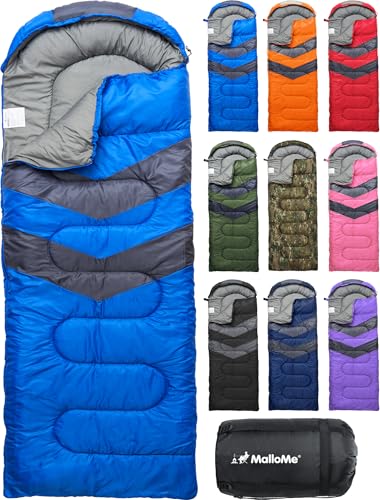
- Temperature-Rated Sleeping Bag: This is the cornerstone of your warmth. Choose a sleeping bag with a temperature rating at least 10°F (-12°C) lower than the coldest temperature you expect. A bag’s “comfort rating” is a more reliable indicator for a warm night’s sleep than its “extreme” or “survival” rating. A sleeping bag liner made of fleece or silk can add an extra 5-15°F of warmth.
- High R-Value Sleeping Pad: A sleeping pad is non-negotiable as it prevents conductive heat loss to the cold floor. The R-value measures its insulating power; for winter conditions, an R-value of 4 or higher is recommended. Inflatable pads with insulation or closed-cell foam sleeping pads are excellent choices.
- Layered Clothing: Your clothing acts as wearable insulation. The key is layering:
- Base Layer: Moisture-wicking thermal underwear (merino wool or synthetic) to pull sweat away from your skin.
- Mid-Layer: An insulating layer like a fleece jacket or down vest to trap air.
- Extremities: Thick wool socks and a warm beanie or balaclava are crucial, as significant body heat is lost through your feet and head.
- Supplementary Insulation:
- Wool or Fleece Blankets: These are perfect for adding extra layers over your sleeping bag or for wrapping up in before bed.
- Emergency Mylar “Space” Blankets: These are lightweight and highly effective at reflecting radiant body heat back to you.
Down vs. Synthetic Sleeping Bags
Choosing between a down and synthetic sleeping bag involves trade-offs in performance, cost, and care.
| Feature/Aspect | Down Sleeping Bags | Synthetic Sleeping Bags |
|---|---|---|
| Insulation Type | Duck/Goose down feathers | Polyester/synthetic fibers |
| Warmth-to-Weight Ratio | Excellent, very light | Good, heavier than down |
| Compressibility | Highly compressible | Less compressible, bulkier |
| Performance When Wet | Loses insulating power | Retains some warmth |
| Durability | Long lifespan with care | Generally good, can clump |
| Cost | Higher upfront cost | More affordable |
| Care | Requires special cleaning | Easier to wash and dry |
How Do You Prepare Your Car and Yourself for a Cold Night?
To prepare your car and yourself for a cold night, first insulate all windows using reflective sunshades or custom-cut foam, block any door or window drafts, and consider preheating the car’s interior. Personally, layer up with dry thermal clothing, eat a warm snack, and use the restroom right before settling in to maximize natural body heat. This two-pronged approach of preparing both your shelter and your body is a proven technique for success.
A few strategic steps taken before you try to sleep can make the difference between shivering all night and resting comfortably.
Step 1: How Do You Insulate Your Car’s Interior?
To insulate your car’s interior, cut reflective foam insulation or sunshades to fit windows perfectly, securing them with Velcro or suction cups. For floors, lay down sleeping pads, yoga mats, or thick blankets to create a thermal barrier against the cold metal, and block any visible drafts around doors with towels or fabric. Your car’s windows and metal body are the primary sources of conductive heat transfer, so creating a barrier against them is your first line of defense.
- Windows are the biggest culprits for heat loss. A custom-fit window insulation kit is ideal, but DIY solutions are highly effective. Use a reflective sunshade for the windshield. For other windows, buy a roll of reflective foam insulation (like Reflectix) and cut it to size. The reflective material helps block radiative heat loss, while the foam acts as a barrier to conduction.
- Cover the floor. The metal floor of your car will suck warmth from your body. Lay down your primary foam sleeping pad, and if you have them, add yoga mats, thick blankets, or spare carpet pieces underneath it to increase the R-value insulation.
- Block drafts. Feel around door seals and window edges for any cold air infiltration. Stuff towels, extra clothing, or foam strips into these gaps to block drafts and prevent convective heat loss.
Step 2: How Do You Prepare Your Body for Maximum Warmth?
To prepare your body for maximum warmth, wear clean, dry base layers (thermal underwear), followed by insulating mid-layers (fleece), and a wind-resistant outer layer. Don’t forget wool socks and a warm beanie, as significant heat is lost through your head and extremities. Consume a high-calorie snack and warm, non-caffeinated liquids before bed to boost your metabolic rate. Your body is the furnace, and these steps ensure it runs efficiently all night.
- Layer Up Correctly: Always change into dry clothes before sleeping. The three-layer system is key: a moisture-wicking base layer, an insulating mid-layer, and a protective outer layer (which you might shed once in your sleeping bag). Never wear cotton, as it holds moisture and chills you.
- Fuel Your Internal Furnace: Your body generates heat by burning calories. Eating a snack high in fats and complex carbs (like nuts, cheese, or an energy bar) right before bed gives your body the fuel it needs to maintain its basal metabolic rate and produce heat throughout the night. A warm, non-alcoholic, non-caffeinated drink can also help raise your core temperature.
- Pre-Sleep Routine: Use the restroom right before getting into your sleeping bag. A full bladder requires your body to expend energy to keep the liquid warm. Doing a few light exercises like jumping jacks or crunches for 30-60 seconds before you get in your bag can pre-warm your body and your sleeping bag.
What Techniques Keep Your Body Warm Inside the Car?
Inside the car, simple techniques include using a hot water bottle for targeted warmth, especially near feet or core, and activating chemical hand warmers inside your sleeping bag or gloves. Keep your sleeping bag fully zipped and use a liner to boost its thermal efficiency. Additionally, wear a warm hat and keep extremities covered, as these areas are prone to significant heat loss. These field-tested methods are simple, safe, and incredibly effective at supplementing your primary insulation.
Here are some experienced camper tips to maximize your warmth once you’re settled in:
- The Hot Water Bottle Trick: This is a classic for a reason. Before bed, boil water and fill a hard-sided water bottle (like a Nalgene). Secure the lid tightly and place it in your sleeping bag near your core or by your feet. It acts as a personal, long-lasting radiator, providing hours of warmth.
- Use Chemical Hand Warmers Strategically: Activate a few air-activated hand warmers and toss them into the bottom of your sleeping bag or hold them in your hands. They provide a quick and easy source of heat. Just be sure they don’t come in direct contact with your skin for extended periods.
- Maximize Your Sleeping Bag’s Efficiency: Don’t just lay on top of your sleeping bag. Get inside and zip it up completely. If it has a draft collar, cinch it around your shoulders. Cinch the hood around your head, leaving only a small opening for you to breathe. This traps all the air your body has warmed.
- Keep Your Head Covered: You can lose a significant amount of body heat through your head. Wearing a fleece beanie or a balaclava to bed is one of the single most effective ways to stay warmer.
- Don’t “Hold It In”: If you have to use the restroom in the middle of the night, do it. Your body wastes precious energy keeping that liquid warm. Using a designated pee bottle can make this process much easier without having to leave the car.
How Do You Ensure Safety When Sleeping in a Car in Winter?
To ensure safety when sleeping in a car in winter, the most critical step is to bring a battery-operated carbon monoxide detector. Always maintain proper ventilation by cracking two windows slightly (on opposite sides) to prevent both CO accumulation and excessive condensation, and under no circumstances should you idle your car overnight for heat due to the risks of carbon monoxide poisoning and battery drainage. Adhering to these non-negotiable safety protocols is essential for survival.
Your safety is the absolute top priority. Cold is a serious threat, but so are the unseen dangers of sleeping in an enclosed space.
- Carbon Monoxide (CO) is a Silent Killer: Always have a battery-operated CO detector in the car with you. It is the only way to detect this odorless, colorless gas.
- Ventilation is Mandatory: You must ventilate your car. Crack two windows, one in the front and one in the back on opposite sides, about half an inch. This creates cross-ventilation that allows moisture and harmful gases to escape without creating a significant draft.
- Never Idle the Engine for Heat: Do not run your car’s engine for heat while you sleep. A blocked exhaust pipe (from snow, for example) can quickly fill the cabin with deadly carbon monoxide. It also risks draining your car battery, leaving you stranded.
- Choose a Safe Parking Spot: Park legally and safely. Let someone know where you will be. If possible, park in an area that is sheltered from the wind and where the morning sun will hit your vehicle to help warm it up.
What are the Dangers of Using Heaters and Idling Your Car?
Idling your car overnight for heat is extremely dangerous due to the risk of carbon monoxide poisoning from exhaust fumes entering the cabin and can also drain your car battery. Portable fuel-burning heaters, including propane or catalytic types, are also hazardous without specific ventilation, posing risks of carbon monoxide and fire inside a confined vehicle space. The risk assessment is clear: these methods are not worth the danger.
- Carbon Monoxide (CO) Poisoning: This is the greatest danger. Exhaust fumes can easily leak into the car’s cabin, especially if the exhaust pipe becomes blocked by snow. CO is undetectable by human senses and can be lethal in minutes.
- Fire Hazard: Any fuel-burning portable heater, including those marketed as “indoor-safe” catalytic heaters, presents a fire risk in the tight, often fabric-filled confines of a car.
- Oxygen Depletion: These heaters consume oxygen from the enclosed space, which can lead to hypoxia.
- Dead Battery: Relying on your car’s heater by idling the engine can easily drain the battery, leaving you unable to start the car in a potentially remote and cold location.
How Do You Prevent Hypothermia and Frostbite?
Preventing hypothermia involves staying dry, wearing adequate layers, and maintaining a high metabolic rate through hydration and nutrition. Recognize early signs such as uncontrolled shivering, confusion, and slurred speech. For frostbite, protect exposed skin, especially fingers, toes, nose, and ears, ensuring they remain dry and adequately insulated; symptoms include numbness, white waxy skin, and loss of sensation. According to medical guidelines, recognizing these symptoms early is critical.
- Stay Dry: Wet clothes lose their insulating properties and rapidly pull heat from your body. Change into dry clothes before sleeping.
- Protect Extremities: Fingers, toes, ears, and the tip of your nose are most susceptible to frostbite. Ensure they are covered with warm, dry materials like wool socks and a beanie. Wiggle your fingers and toes periodically to encourage circulation.
- Recognize the Signs of Hypothermia:
- Uncontrollable shivering (an early sign)
- Slurred speech or mumbling
- Confusion or memory loss
- Drowsiness or exhaustion
- Loss of coordination
- Recognize the Signs of Frostbite:
- Numbness or a “pins and needles” feeling
- White, gray, or waxy-looking skin
- Hardness or stiffness of the affected area
If you suspect hypothermia or frostbite, you must seek warmth and medical attention immediately.
How Do You Address Common Cold Weather Car Sleeping Problems?
To address common cold weather car sleeping problems, combat condensation by maintaining slight ventilation and using moisture absorbers or homemade vapor barriers on windows. For cold feet, wear warm wool socks and place a hot water bottle inside your sleeping bag. Eliminate drafts by sealing gaps around windows and doors with foam insulation or towels, creating a more airtight and warmer sleeping environment. These simple troubleshooting steps can dramatically improve your comfort.
Even with the best preparation, a few common issues can arise. Here are tested methods for solving them.
How Do You Prevent Condensation Buildup?
To prevent condensation buildup in your car while sleeping, ensure continuous airflow by cracking two windows on opposite sides by an inch or two, even in cold weather. Additionally, consider using desiccant packs or a small moisture absorber. You can also create a temporary vapor barrier on windows to prevent warm, moist air from contacting the cold glass directly, reducing surface condensation. Your breath releases a significant amount of moisture, which will freeze on cold surfaces if not managed.
- Ventilate, Ventilate, Ventilate: This is the most important step. The slight airflow from two cracked windows is essential to carry moist air out of the car.
- Use a Moisture Absorber: You can buy commercial desiccant products (like DampRid) or make your own by filling a sock with silica cat litter. Place it on your dashboard or center console.
- Create a Vapor Barrier: The window insulation you install (like Reflectix) also acts as a vapor barrier. It stops your warm, moist breath from hitting the freezing cold glass, where it would condense.
- Wipe Down in the Morning: Keep a small squeegee or microfiber towel handy to wipe down any condensation from the inside of your windshield in the morning to prevent it from building up and creating dampness or mold.
Why Do These Strategies Keep You Warm? The Science of Car Sleeping Insulation
Staying warm in a car involves understanding and mitigating the three main types of heat loss: conduction, where heat transfers through direct contact (e.g., body to cold metal); convection, where heat is carried away by moving air (drafts); and radiation, where heat emits from your body. Effective insulation, trapping air with layers, and reflective materials are designed to block these pathways, keeping your body’s generated warmth inside your sleeping environment. Every tip and piece of gear mentioned in this guide is designed to fight one or more of these scientific principles.
Here’s the simple breakdown of why these methods work:
- Blocking Conduction: This is heat transfer through direct touch. When you lie on the cold floor of your car, the floor is actively pulling heat from your body. A high R-value insulation in your sleeping pad creates a barrier that slows this transfer down. This is the most important type of heat loss to fight when you are lying down.
- Stopping Convection: This is heat loss through moving air. Cold drafts that seep through door seals carry your warmth away in convection currents. Blocking these drafts with towels or foam stops this process. Similarly, the layers of your clothing and the loft of your sleeping bag work by trapping still air, which is a poor conductor of heat, preventing convective heat loss close to your body.
- Reflecting Radiation: Your body radiates heat outwards, like a tiny sun. A reflective material, such as a Mylar emergency blanket or a reflective sunshade, works by bouncing that radiant heat right back at you instead of letting it escape through the car’s windows. This radiant barrier is an incredibly efficient way to conserve heat.
By using a sleeping pad (to block conduction), layering your clothes and using a lofty sleeping bag (to stop convection), and insulating your windows with a reflective material (to reflect radiation), you are creating a comprehensive defense against all forms of heat loss.
FAQs About how to stay warm sleeping in a car
How cold is too cold to sleep in your car?
Generally, sleeping in a car becomes dangerously cold when temperatures drop below freezing (0°C or 32°F) if you lack adequate insulation and proper gear. The specific threshold depends heavily on your preparedness, including a temperature-rated sleeping bag, an insulated sleeping pad with a high R-value, and proper layering. Without these essentials, the hypothermia risk increases dramatically even in milder cold.
What is the best sleeping bag for car camping in winter?
The best sleeping bag for winter car camping is one with a comfort rating at least 10-20°F (or -10 to -7°C) lower than the coldest temperature you anticipate facing. Down insulation offers the best warmth-to-weight ratio and compressibility, but synthetic insulation retains warmth better if it gets damp. Look for features like a draft collar and an insulated hood to maximize trapped heat.
Can you use a propane heater in a car?
No, using an unvented propane heater or any other fuel-burning device inside a car is extremely dangerous due to the high risk of carbon monoxide poisoning. These heaters consume oxygen and produce lethal, odorless carbon monoxide gas. Only use heaters specifically certified for safe interior vehicle use that have proper ventilation and always pair them with a carbon monoxide detector.
How to insulate car windows for sleeping?
To effectively insulate windows, use custom-cut foam insulation boards or thermal reflective material like Reflectix. These materials can be cut to fit your windows tightly, creating a barrier against both conductive and radiative heat loss. You can secure them in place with a friction fit, suction cups, or Velcro tabs for easy removal.
Why does my car get so cold at night?
Your car gets cold quickly due to poor insulation and rapid conductive heat transfer through its large glass windows and thin metal body. Unlike an insulated building, a car has very little thermal mass and allows your body heat to escape easily. Cold air infiltration through drafts further accelerates this process, making insulation a critical step.
Are sleeping bags enough for winter car camping?
A sleeping bag alone is not enough for winter car camping because of conductive heat loss to the vehicle’s floor. You must pair your rated temperature sleeping bag with a high-R-value sleeping pad to create ground insulation. This combination is essential, as the insulation in the bottom of a sleeping bag gets compressed and loses its effectiveness.
How to ventilate a car while sleeping in winter?
To ventilate a car in winter without losing too much heat, crack two windows on opposite sides of the vehicle by about half an inch to an inch. This creates gentle cross-ventilation. This small amount of airflow is crucial for preventing dangerous carbon monoxide accumulation and reducing the condensation buildup from your breath.
Is sleeping in a car warmer than a tent?
Yes, sleeping in a car is generally warmer than sleeping in a tent during winter. The car’s solid structure provides a superior windbreak and a small degree of insulation that a tent lacks. The smaller, more contained space is easier to heat with your own body heat, and the car’s shell can be more effectively insulated than a tent’s thin fabric.
What material keeps you warmest in a car?
The materials that keep you warmest are those that excel at trapping air and reflecting heat. This includes down insulation in sleeping bags for its superior loft (air-trapping ability), closed-cell foam for sleeping pads to prevent conduction, wool for clothing and blankets because it insulates even when damp, and thermal reflective material for windows to block radiant heat loss.
Does putting a sunshade keep heat in?
Yes, a reflective sunshade placed on the inside of your windows helps keep heat in by reducing radiative heat loss. The reflective surface bounces the heat your body radiates back into the car’s interior instead of letting it escape through the cold glass. It acts as an effective radiant barrier, supplementing other insulation methods.
Final Thoughts
Staying warm while sleeping in your car is entirely achievable, but it demands respect for the cold and a commitment to preparation. It is not just about piling on blankets; it’s about building a systematic shelter that works with your body to conserve heat. By understanding the principles of heat loss and addressing them with the right gear and techniques, you transform your vehicle from a cold metal box into a safe and cozy winter refuge.
Remember that safety is the foundation of every decision. A carbon monoxide detector and proper ventilation are not optional—they are life-saving necessities. Prioritize your safety gear first, then build your comfort system around it. With the right knowledge and preparation, you can unlock the freedom of winter car camping and wake up warm, safe, and ready for the day’s adventure.
Last update on 2026-03-04 / Affiliate links / Images from Amazon Product Advertising API


![How to Start a Car Lot With No Money Zero Capital Guide [year]](https://i0.wp.com/carxplorer.com/wp-content/uploads/2026/03/How-to-Start-a-Car-Lot-With-No-Money-Zero-Capital-Guide-year-2.jpg?resize=60%2C60&ssl=1 "How to Start a Car Lot With No Money Zero Capital Guide [year] 10")
