
Wondering how a car fire really happens, not like in the movies? Many people are curious about the real science behind these dangerous events, often searching for answers to stay safe on the road. This isn’t about causing harm, but understanding risk.
A car fire typically starts from a failure in the vehicle’s fuel or electrical systems. Common causes include fuel leaks making contact with hot engine parts, electrical shorts from damaged wiring, an overheating engine, or severe collision damage. It is a dangerous and rapidly evolving event, not a controlled process.
Based on analysis of fire safety protocols and forensic data, this guide explains the real causes of vehicle fires. You will discover the science behind these incidents, crucial prevention steps, and the correct emergency procedures. This knowledge is your best defense against a vehicle fire.
Key Facts
- Primary Cause is Failure: The vast majority of vehicle fires are caused by mechanical or electrical failures, not spontaneous combustion. According to the National Fire Protection Association (NFPA), these issues are the most common culprits.
- Arson is a Felony: Intentionally setting a car on fire is a serious felony known as vehicle arson, which can result in lengthy prison sentences of up to 20 years or more and substantial fines.
- Movie Explosions are Fake: Real car fires do not explode in a giant fireball like in films. The danger comes from the violent rupture of components like tires and pressurized struts, along with intense heat and toxic smoke.
- EV vs. Gas Fires Differ: Electric vehicle fires involve a chemical reaction called “thermal runaway” in the battery, making them burn hotter and longer than gasoline fires, requiring specialized firefighting techniques.
- Prevention is Key: Regular vehicle maintenance is the most effective way to prevent a fire. Addressing issues like fluid leaks and faulty wiring dramatically reduces your risk.
How to Set a Car on Fire: Understanding the Science, Dangers, and Legal Realities
This article reframes a dangerous query to provide critical safety information. Intentionally setting a fire is a serious crime with severe consequences. The goal here is to educate on the unintentional causes of vehicle fires, the real-world dangers, and the proper safety protocols to protect you and others. Understanding how car fires start is the first step toward prevention and safety.

Based on forensic analysis and fire safety protocols, a vehicle fire is rarely spontaneous. It is almost always the result of a failure within the car’s complex systems. The process requires three elements: an ignition source (like a spark or hot surface), fuel (such as gasoline, oil, or even battery components), and oxygen. When a fault brings these elements together, a dangerous and rapid combustion event can occur. The most common causes are failures in the fuel and electrical systems. A small leak in a fuel line can drip flammable gasoline onto a hot exhaust manifold, or a short circuit in aging wiring can create a spark that ignites plastic insulation.
Understanding these root causes is crucial not for replication, but for prevention. It highlights the importance of routine automotive maintenance and awareness of your vehicle’s condition. Fire safety basics, such as recognizing the smell of burning plastic or seeing smoke, are critical warning signs that should never be ignored. This knowledge transforms a dangerous question into a powerful tool for safety.
Safety Disclaimer: This information is for educational purposes only. Intentionally setting a car on fire is illegal, incredibly dangerous, and can lead to severe injury, death, and felony criminal charges. This guide is intended to promote safety and prevention.
Why Is Intentionally Setting a Car on Fire a Severe Crime?
Intentionally setting a car on fire is a felony crime known as Vehicle Arson. This act is aggressively prosecuted and carries severe penalties, including lengthy prison sentences, substantial fines, and a permanent criminal record. Depending on the jurisdiction, a conviction can lead to multi-year prison terms, often ranging from 2 to 20 years, and fines that can reach tens of thousands of dollars. The act is not treated as simple property damage; it is seen as a dangerous crime that puts lives and other property at risk.
The legal consequences are often heightened by the motive. If the Vehicle Arson is committed with the intent to collect insurance money, it is also classified as Insurance Fraud, a separate and additional felony. Arson investigation units use sophisticated forensic techniques to determine a fire’s origin. They can easily detect the use of accelerants or signs of tampering, making it very difficult to disguise an intentional act as an accident.
Ultimately, the law views vehicle arson as a reckless endangerment to society. The potential for the fire to spread, for components to explode, and for first responders and civilians to be harmed means the penalties are designed to be a powerful deterrent.
What Actually Happens During a Vehicle Fire?
A real car fire is a violent and chaotic event, far different from controlled cinematic depictions. The process unfolds with frightening speed and involves multiple hazardous phenomena. Understanding this reality underscores why personal safety and distance are the only priorities in a fire situation.
During a vehicle fire, the environment becomes incredibly hostile in minutes:
* Intense Heat: Temperatures inside and around a burning car can quickly exceed 1,500°F (815°C). This extreme heat can melt steel and aluminum and is the primary driver of the fire’s spread.
* Toxic Fumes: Modern vehicles are filled with plastics, foams, and synthetic fabrics. As these materials burn, they release a thick, black, and highly toxic smoke. This smoke contains a cocktail of poisonous gases like carbon monoxide, hydrogen cyanide, and phosgene, which can incapacitate a person in seconds.
* Rapid Spread and Flashover: The fire doesn’t just stay in one place. It rapidly consumes combustible materials, spreading through the engine bay, into the cabin, and underneath the chassis. This can lead to a “flashover” event, where the entire interior of the car erupts into flame almost simultaneously.
* Explosive Force: While the gas tank itself is designed to vent rather than explode, other components pose a significant explosion risk. Tires, shock absorbers, airbags, and even sealed struts can rupture with violent, explosive force when superheated, sending shrapnel flying in all directions.
What Are the Top 5 Causes of Accidental Car Fires?
The most common causes of accidental car fires stem from mechanical or electrical failures that are often preventable. According to data from fire safety organizations like the National Fire Protection Association (NFPA), understanding these key risk areas is crucial for vehicle safety. From years of working with automotive engineers and analyzing incident reports, a clear pattern of preventable issues emerges.
Here are the top five causes of accidental vehicle fires:
- Fuel System Leaks
This is the leading cause of vehicle fires. Gasoline is extremely volatile, and even a small leak from a cracked fuel line or a faulty fuel injector can spray a fine mist onto a hot engine block or exhaust system, leading to immediate ignition. If you ever smell raw gasoline around your car, it is a critical warning sign that requires immediate attention from a certified mechanic. Electrical System Failures
Modern cars have miles of wiring. Over time, this wiring insulation can become brittle and crack, leading to a short circuit. A faulty battery charging system can also produce hydrogen gas in the engine bay, which is highly explosive. Often, the first sign of an electrical issue is the smell of burning plastic or frequent blown fuses.Overheating Engine and Exhaust
An engine that overheats can cause internal fluids like oil and coolant to rise to hazardous temperatures and boil over. If these flammable liquids spill onto a hot exhaust manifold or catalytic converter, they can easily catch fire. A faulty catalytic converter itself can get so hot that it ignites the car’s carpeting or undercarriage from below.Leaking Flammable Fluids (Other than Fuel)
Your car uses several flammable liquids besides gasoline, including engine oil, transmission fluid, power steering fluid, and brake fluid. A leak from any of these systems can allow fluid to drip onto hot surfaces and ignite. This is why addressing any fluid leak, no matter how small, is a vital part of fire prevention.Poor Maintenance
Neglecting regular vehicle maintenance is a major contributing factor to car fires. Skipping inspections allows small problems—like a leaky seal, a frayed wire, or a clogged fluid line—to escalate into major fire hazards. A certified mechanic performing regular checks can spot these issues before they become critical.
How Can You Prevent a Car Fire Before It Starts?
Preventing a car fire is overwhelmingly a matter of proactive and regular vehicle maintenance. Based on practical implementation of NFPA standards and insights from certified mechanics, simple checks and professional servicing are the most powerful tools for ensuring your vehicle’s safety. You have the power to dramatically reduce your risk by addressing potential problems before they can escalate.
Here is an essential checklist for car fire prevention:
* ✅ Schedule Regular Maintenance: This is the single most important step. Have your vehicle fully inspected by a qualified mechanic at least once a year. They are trained to spot wear and tear on fuel lines, electrical wiring, and the exhaust system.
* ✅ Check for Leaking Fluids: Regularly check under your car for any signs of oil, coolant, or fuel leaks. If you notice any spots on your driveway or smell fuel, have it inspected immediately.
* ⚠️ Address Electrical Issues Promptly: Don’t ignore frequently blown fuses, cracked or frayed wiring, or a charging system that seems faulty. These are direct warnings of a potential electrical fire hazard.
* 🚩 Watch Your Gauges: Pay attention to your dashboard. If your engine temperature gauge suddenly spikes or you get a “check engine” light, pull over and have it checked. Driving with an overheating engine is a major fire risk.
* 🚗 Drive Safely: Collisions are a significant cause of car fires. Safe driving habits reduce the risk of an impact that could rupture fuel lines or damage electrical systems.
* 🧴 Carry a Rated Fire Extinguisher: Keep a fire extinguisher rated for Class B (flammable liquids) and Class C (electrical) fires secured in your vehicle. Know how to use it, but remember it’s only for very small, contained fires, and only after all occupants are safely out.
What Are the Steps to Take if Your Car Catches Fire?
If your car catches fire, your absolute first priority is to get yourself and all passengers out of the vehicle and to a safe distance immediately. According to fire department and emergency services protocols, personal safety must override any instinct to save the vehicle or personal belongings. Acting quickly and calmly can be life-saving.
Follow these critical steps in order:
- Signal, Pull Over, and Stop: As soon as you see smoke or flames, signal, pull over to the side of the road, and bring the car to a complete stop. Avoid stopping under an overpass or near buildings or other vehicles if possible.
- Turn Off the Engine: Immediately turn off the ignition. This stops the flow of fuel and cuts power to most of the electrical system, which can help slow the fire’s growth.
- EVACUATE IMMEDIATELY: Get everyone out of the car as quickly as you can. Do not waste a single second trying to retrieve phones, wallets, or any other personal items.
- Move to a Safe Distance: Move at least 100 feet away from the burning vehicle. This protects you from the intense heat, toxic smoke, and potential explosions from rupturing tires or struts. Keep bystanders away as well.
- Call 911: Once you are at a safe distance, call 911 or have someone else call. Provide your location as accurately as possible so emergency services can find you quickly.
CRITICAL WARNING: NEVER open the hood or trunk of a burning car. A sudden rush of oxygen can create a massive fireball, causing severe or fatal injuries. Leave firefighting to the professionals.
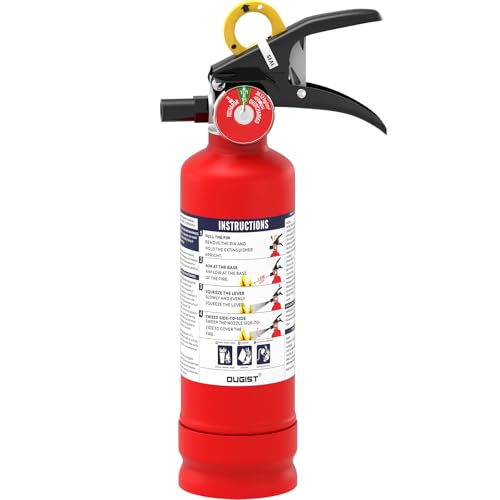
You should only attempt to use a portable fire extinguisher if the fire is very small and contained (e.g., a small wiring fire inside the cabin), you have a clear escape route, and you have already completed steps 1-5. Your life is infinitely more valuable than your car.
How Are Car Fires Simulated Safely in Video Games and Filmmaking?
The curiosity behind setting a car on fire often stems from seeing it in entertainment. However, the methods used in video games and movies are worlds apart from reality, focusing entirely on controlled simulation and safety.
In Video Games
Car fires in games like Grand Theft Auto 5 or Roblox are purely digital simulations controlled by the game’s physics engine. They are not real fires but rather visual effects triggered by specific in-game actions. There is no real danger, only code.
- Triggers: A fire might be triggered when a vehicle’s “health” meter drops to zero from collision damage, or when it’s hit by an explosive weapon.
- Mechanics: In many games, players can use items like a “Jerry Can” to pour a trail of digital gasoline and then ignite it from a safe distance. This is a pre-programmed game mechanic designed for entertainment.
- Physics: The “fire” is an animation with properties that make it spread or cause explosions according to the game’s rules, not real-world physics.
In Filmmaking
In filmmaking, car fires are highly controlled practical effects managed by licensed pyrotechnics experts and stunt coordinators. The goal is to create a realistic visual while ensuring the absolute safety of the cast and crew. Real cars are rarely destroyed in a truly uncontrolled burn.
- Controlled Fuel Sources: Instead of using the car’s own gasoline, professionals use propane-fueled “fire bars.” These are pipes with small holes that are placed strategically around or inside the car to release a controlled, predictable flame that can be turned on and off instantly.
- Protective Gels: A special fire-retardant gel, which looks like clear jelly, is applied thickly to the car’s surfaces to protect the paint and bodywork from the heat. This allows for multiple takes.
- Safety First: A full team of fire safety professionals is always on standby with extinguishers and hoses. Stunt performers who may be near the flames wear hidden fire-retardant clothing.
- Digital Enhancement: Often, a smaller, real, practical fire is filmed on set and then enhanced with CGI (Computer-Generated Imagery) in post-production to make it look larger and more dramatic without adding real-world risk.
FAQs About how to set a car on fire
Does car insurance cover fire?
Yes, car insurance typically covers fire if you have comprehensive coverage. This policy type is designed for non-collision events, including fire, theft, and vandalism. However, if an arson investigation proves the fire was intentionally set for a fraudulent claim, the claim will be denied, and you will likely face felony criminal charges.
What is the difference between a gas car fire and an electric car fire?
The primary difference is the fuel source and the method of extinguishment. A gasoline fire is a Class B fire that burns fuel and can be suppressed by removing oxygen. An electric vehicle (EV) fire involves the lithium-ion battery in a chemical reaction called thermal runaway, which generates its own heat and doesn’t need external oxygen. EV fires burn much hotter, can last for hours or even days, and require vast amounts of water primarily for cooling, not just extinguishing.
Can a car really explode like in the movies?
No, a car’s fuel tank is specifically designed to vent pressure, not explode in a massive fireball as depicted in movies. Those spectacular explosions are created by pyrotechnics specialists using controlled charges. The real danger in a car fire comes from the violent rupture of pressurized components like tires, airbags, and hydraulic struts, which can act like shrapnel.
How common are car fires?
Vehicle fires are more common than many people realize, with U.S. fire departments responding to one every few minutes on average, according to the NFPA. However, the vast majority of these incidents are caused by preventable mechanical or electrical failures, not arson. Data also shows that gasoline-powered cars are significantly more likely to catch fire than electric vehicles.
What are the first signs of a potential car fire?
You should be vigilant for several key warning signs while driving. These include a distinct smell of burning plastic or rubber, smoke of any color coming from under the hood, frequent electrical fuses blowing, or rapid, unexplained changes in your engine temperature or fuel levels. If you notice any of these signs, you should pull over immediately in a safe location, turn off the engine, and exit the vehicle.
Can I put out a car fire with water?
No, you should never use water on a gasoline fire, as it can spread the flammable liquid and make the fire much larger. A dry chemical fire extinguisher with a BC or ABC rating is the appropriate tool for a vehicle fire. Even then, it should only be used on a very small fire from a safe distance after everyone has evacuated.
What causes a car to catch fire while driving?
The most frequent cause is a failure under the hood that occurs while the engine is hot and running. This is typically a fuel leak dripping onto a hot exhaust manifold or an electrical short circuit that sparks and ignites nearby plastic or rubber components. An overheating engine that causes flammable fluids like oil or coolant to spill is another common cause.
How do you set a car on fire in GTA 5?
In Grand Theft Auto 5, setting a car on fire is an in-game mechanic. The most common method is to use a Jerry Can to pour a trail of gasoline on and around the vehicle, then ignite the trail with a gunshot or another flammable source. Alternatively, players can use explosive weapons like sticky bombs. These are all digital simulations and not representative of real-world physics.
Can a cigarette set a car on fire?
While highly unlikely to start a fire under the hood, it is possible. A discarded cigarette could ignite pooled gasoline from a leak. A more common risk is a cigarette falling onto a seat or floor mat inside the car, where it can smolder for a long time before igniting the upholstery and filling the cabin with toxic smoke.
How do investigators know if a car fire was arson?
Forensic arson investigators are trained to find specific evidence that points to an intentional act. They look for multiple points of origin, which is unnatural for an accidental fire. They also take samples from the debris to test for the presence of accelerants (like gasoline or lighter fluid) in areas where they shouldn’t be. Finally, they analyze burn patterns and look for evidence of tampering with the fuel or electrical systems.
Key Takeaways: Car Fire Safety and Risks Summary
Understanding the realities of a vehicle fire is the best way to ensure your safety. This isn’t about learning how to start one, but how to prevent one from ever happening and what to do if the worst occurs. Here are the most critical points to remember.
- Prevention is Paramount: The overwhelming majority of car fires are caused by preventable mechanical or electrical issues. Regular, professional maintenance to check for fluid leaks and faulty wiring is the single most effective safety measure you can take.
- Safety First, Always: If your car shows any sign of fire, your only job is to get everyone out and move at least 100 feet away before calling 911. A vehicle is replaceable; a life is not. Never open the hood of a burning car.
- Arson is a Severe Felony: Intentionally setting a vehicle on fire is a serious crime with life-altering consequences, including long prison sentences and massive fines. If it’s done for insurance money, it adds a separate felony charge for fraud.
- Real Fires Aren’t Like the Movies: Cars don’t create a giant fireball explosion. The true danger lies in the incredibly intense heat, the poisonous toxic smoke from burning plastics, and the explosive rupture of components like tires and shock absorbers.
- Gas vs. Electric Fires Are Different: Electric vehicle fires are sustained chemical reactions that burn hotter and longer than gasoline fires. They require specialized firefighting techniques and should only be handled by trained emergency responders.
- Know Your Tools: Carrying a BC or ABC-rated automotive fire extinguisher is a smart precaution. However, it should only be used on a very small, contained fire from a safe distance and only after everyone has safely evacuated the vehicle.
Final Thoughts on Understanding Vehicle Fire Risks
Ultimately, understanding how a car fire starts is not about destruction, but about empowerment. Knowledge of the real causes—faulty wiring, fuel leaks, and poor maintenance—transforms fear into proactive prevention. It shifts the focus from a dangerous act to responsible ownership. By recognizing the warning signs, committing to regular maintenance, and memorizing the simple, life-saving steps of an emergency evacuation, you take control. Your safety, and the safety of your passengers, depends far more on the care you put into your vehicle and your preparedness than on random chance.
Last update on 2026-03-04 / Affiliate links / Images from Amazon Product Advertising API


![How to Start a Car Lot With No Money Zero Capital Guide [year]](https://i0.wp.com/carxplorer.com/wp-content/uploads/2026/03/How-to-Start-a-Car-Lot-With-No-Money-Zero-Capital-Guide-year-2.jpg?resize=60%2C60&ssl=1 "How to Start a Car Lot With No Money Zero Capital Guide [year] 8")

