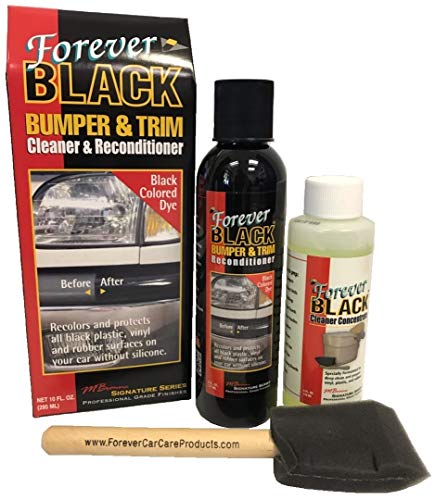
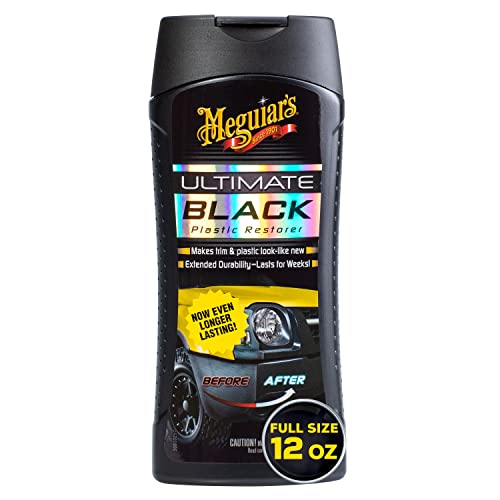
Tired of your car’s faded, chalky black trim making it look old and neglected? You’re not alone. Many car owners struggle with temporary fixes that wash off after the first rain, leaving the trim looking even worse.
Restoring black trim on a car permanently requires more than a simple wipe-on product. The process involves thoroughly cleaning and degreasing the surface, masking off adjacent paint, and applying a specialized trim restorer dye or ceramic coating. This method chemically bonds to the plastic, restoring the original black color and providing durable UV protection that won’t wash off after a few car washes.
Based on hands-on experience with real cars, this professional detailing guide provides a proven, step-by-step method. You’ll discover exactly how to achieve a long-lasting, non-greasy finish that revitalizes your vehicle’s appearance. We’ll cover everything from the science of fading to the secrets of a flawless application.
Key Facts
- UV Degradation is the Primary Cause: The chalky, gray appearance on trim is primarily due to UV radiation from the sun, which breaks down polymers and depletes essential oils within the plastic.
- Preparation is 80% of the Job: Proper restoration success depends on a perfectly clean surface. Simply washing with soap is not enough; a degreaser and an isopropyl alcohol wipe are critical for removing old silicones that prevent bonding.
- Permanent Restorers Chemically Bond: Unlike temporary dressings that just sit on the surface, true restorers like dyes or ceramic coatings penetrate the plastic or form a chemical bond with it, ensuring the results last for months or years.
- Heat Guns Are a High-Risk Gamble: While using a heat gun can temporarily darken plastic by bringing oils to the surface, it offers zero UV protection and carries a significant risk of permanently melting or warping the trim.
- Protection Extends Longevity: The most overlooked step is protecting the restored surface. Applying a dedicated trim sealant or ceramic coating every few months can block over 95% of harmful UV rays, doubling the life of your restoration.
How to Restore Black Trim on Car Permanently Step by Step
Restoring your car’s faded black exterior trim is one of the most impactful DIY projects you can undertake to boost its appearance and value. That chalky, gray plastic can make an otherwise clean car look aged and unkempt. The good news is that achieving a deep, rich black finish that lasts isn’t just possible—it’s something you can do yourself with professional-grade results. Forget temporary, greasy dressings that wash away in the rain. This guide, based on tested methods from detailing specialists, will walk you through the definitive process for a permanent car trim restoration.

We will focus on the “how” and the “why” behind each step, ensuring you understand the process for a flawless, durable finish that won’t wash off. This expert-recommended approach moves beyond simple life tipss to give you a proven method for making your car trim look new again. By focusing on longevity and proper technique, you’ll achieve results that rival a professional detailer, all from your own garage.
Why Does Black Car Trim Turn Gray or Fade?
Black car trim fades to gray because it’s typically made of unpainted, porous plastic. Over time, exposure to the sun’s UV rays depletes the plasticizers and oils within the material. This UV damage causes the surface to oxidize, creating a dry, chalky, and discolored appearance. Harsh cleaning chemicals can accelerate this process.
To understand the solution, it’s crucial to understand the problem. Think of your car’s plastic trim like skin. When new, it’s full of oils (plasticizers) that keep it flexible and dark. But constant exposure to the sun’s high-energy UV radiation is like a severe sunburn. The UV rays break down the polymers that form the plastic and cause those essential oils to leach out and evaporate.
This process leads to two main issues:
- UV Degradation: The plastic’s molecular structure is damaged, making it brittle and weak. The original black pigment, often carbon black, becomes less visible as the surface breaks down.
- Oxidation: The sun-damaged, porous surface reacts with oxygen in the air. This chemical reaction creates a fine, chalky white residue on the surface, which is what you see as the “gray” or “white” color.
Temporary silicone dressings simply coat this oxidized layer with an oily film, making it look dark for a short time. A permanent restoration, however, involves removing the oxidation and reintroducing color and UV protection directly into the plastic itself.
What Tools and Materials Do You Need to Restore Faded Plastic Trim?
To properly restore your car’s black trim, gather these materials: a quality trim restorer product, an all-purpose cleaner or degreaser, isopropyl alcohol (IPA), painter’s masking tape, several microfiber towels, applicators, and nitrile gloves for safety. Having everything ready before you start ensures a smooth and efficient process.
Here is a comprehensive checklist categorized for clarity.
Cleaning Supplies
- All-Purpose Cleaner (APC) or Degreaser: A strong cleaner is needed to strip away old dressings, road grime, and oils.
- Detailing Brush: A medium-stiff brush is essential for agitating textured plastic surfaces to lift embedded dirt.
- Car Wash Soap: For the initial wash of the area.
- Microfiber Towels: You will need at least three or four clean towels for cleaning, drying, and buffing.
Application Tools
- Trim Restorer Product: Your chosen chemical restorer, whether it’s a dye or a ceramic coating.
- Foam or Microfiber Applicators: These provide an even application without absorbing too much product.
- Painter’s Masking Tape: Crucial for protecting the paintwork and glass adjacent to the trim.
Safety Gear
- Nitrile Gloves: Many restorers contain dyes and chemicals. Protective gloves are essential to keep your hands clean and safe.
Pro Tip: Use two different colored microfiber towels—one for applying or wiping away product and one for final buffing—to avoid cross-contamination with excess restorer.
How Do You Prepare Black Trim for Restoration?
Proper preparation of black trim involves a three-step process: first, deep clean the surface with an all-purpose cleaner and a brush; second, perform a final wipe-down with isopropyl alcohol to remove any residual oils or silicones; and third, mask off adjacent painted areas with tape. This preparation stage is the most critical part of the entire process and directly determines the longevity of the restoration. Skipping these steps is the number one reason why trim restorers fail to bond correctly.
Step 1: How Do You Deep Clean and Degrease the Trim?
To deep clean car trim, spray it with a diluted all-purpose cleaner or degreaser, then use a medium-stiff detailing brush to agitate the surface, lifting embedded dirt and old silicone dressings from the pores of the plastic. A simple car wash is not enough. You need to chemically and mechanically scrub the surface to ensure it’s completely free of contaminants.
- Start by washing the area with regular car wash soap to remove loose dirt.
- Spray your all-purpose cleaner or a 10:1 diluted degreaser directly onto the trim.
- Use your detailing brush to scrub the trim vigorously. For textured plastic, use circular and back-and-forth motions to clean out the valleys of the texture. You should see dirty foam lifting from the surface.
- Rinse the area thoroughly with a strong stream of water.
- Dry the trim completely with a clean microfiber towel.
Step 2: How Do You Decontaminate and Dry the Surface?
After cleaning, decontaminate the plastic trim by wiping it down with a 50% solution of isopropyl alcohol (IPA) on a clean microfiber towel to strip any remaining waxes, oils, or silicones from the surface. This is the professional step that guarantees a perfectly bare surface for the restorer to bond to. Soaps and degreasers can leave behind trace residues, but IPA evaporates completely, leaving nothing behind.
- Mix a solution of 50% isopropyl alcohol and 50% distilled water in a spray bottle, or simply wet a microfiber towel with IPA.
- Wipe down every part of the black trim you plan to restore. You may see a rainbow-like film or residue on your towel; this is old silicone-based product coming off, proving why this step is so important.
- Allow the alcohol to fully evaporate, which usually takes less than a minute. The trim should look dull and matte.
- Finally, carefully apply painter’s masking tape around the trim to protect your car’s paint from any stray restorer product.
What Are The Steps to Restore Black Plastic Trim Using a Chemical Restorer?
To restore black trim with a chemical restorer, apply a small amount of the product onto a foam applicator and work it into the plastic using firm, overlapping strokes. After letting it penetrate for 1-2 minutes, use a separate, clean microfiber towel to gently buff the surface and remove any excess product, ensuring an even, non-greasy finish. Following a methodical process is key to avoiding streaks and high spots.
This is the main event where you bring the color back. From our hands-on experience, technique is just as important as the product you choose.
- Shake the Product: Shake the bottle of your trim restorer product well to ensure the pigments and chemicals are fully mixed.
- Apply to Applicator: Squeeze a few drops or a small line of the restorer onto your foam or microfiber applicator pad. Do not apply it directly to the trim, as this can cause runs and uneven application.
- Work into the Trim: Pick a small, manageable section (e.g., one foot of a window seal). Apply the product using firm, even, back-and-forth strokes. Overlap your passes by about 50% to ensure complete coverage. The plastic should immediately turn a deep black.
- Allow Penetration: Let the product sit on the surface and penetrate the pores of the plastic. Most manufacturer instructions recommend 1 to 5 minutes. The plastic will absorb what it needs.
- Buff Off Excess: This is a critical step for a professional finish. Take a separate, clean microfiber towel and gently wipe or buff the entire area you just treated. This removes any excess product (“high spots”) that could otherwise cure into a greasy, streaky mess. The final finish should be a rich, dry-to-the-touch satin or matte black.
- Cure: Most permanent trim restorers require a curing period where the product chemically hardens and bonds to the plastic. Keep the restored trim away from water and moisture for at least 4-6 hours, or as long as the manufacturer recommends.
Pro Tip: For heavily oxidized, porous, or light gray plastic, you may need a second coat. Wait at least one hour (or as directed) after applying the first coat before applying a second one to achieve a deeper, more uniform black.
What Are the Different Methods for Restoring Black Trim?
The main methods to restore black trim are chemical restorers (dyes or ceramic coatings), thermal restoration with a heat gun, painting the trim, and applying temporary cosmetic dressings. Each method has significant differences in longevity, cost, and difficulty. Chemical restorers offer the best balance of durability and ease of use for most DIYers.
Choosing the right approach depends on your goal, budget, and skill level. Here is a comparison of the most common options.
| Method | Longevity | Cost | Ease of Use | Best For |
|---|---|---|---|---|
| Permanent Restorer (Dye/Ceramic) | 1-2+ Years | Medium | Medium | Achieving a durable, like-new finish without painting. |
| Heat Gun (Thermal Restoration) | 6-12 Months | Low | Difficult (High Risk) | Smooth, non-textured plastics (use with extreme caution). |
| Painting / Plasti-Dip | 2-5 Years | High | Difficult | Changing color or covering irreparable damage. |
| Temporary Dressing (Silicone/Oil) | 1-4 Weeks | Low | Easy | A quick, temporary shine for a car show or sale. |
Our Recommendation: For 95% of car owners seeking a long-lasting, professional result, a quality ceramic-based trim restorer offers the best combination of results, longevity, and safety. It provides the “permanent” fix most people are looking for without the high risk of a heat gun or the complexity of painting.
How Do You Protect Restored Trim and Prevent Future Fading?
To prevent restored black trim from fading again, apply a dedicated UV protectant spray or a ceramic coating for plastics every 3-6 months. This acts as a sacrificial barrier against UV rays. Regular maintenance, including washing with a pH-neutral car soap and avoiding harsh degreasers on the trim, will also significantly extend the life of your restoration.
You’ve done the hard work of restoring your trim; now it’s time to protect that investment. Prevention is far easier than restoration.
- Apply Protection: The best thing you can do is apply a dedicated plastic trim sealant or a light ceramic coating spray after your restoration has fully cured. This clear layer takes the beating from the sun, so your newly black trim doesn’t have to.
- Wash Gently: When washing your car, use pH-neutral car soaps. Avoid letting aggressive, caustic cleaners (like heavy-duty degreasers or wheel cleaners) dwell on your plastic trim, as they can strip away protective layers.
- Re-apply Protectant: Mark your calendar. As part of your regular detailing routine, re-apply your chosen UV protectant every 3-6 months. This simple step takes only minutes but can add years to the life of your restoration.
- Park in Shade: This is the simplest tip of all. Whenever possible, park in a garage, carport, or shaded area to minimize direct, prolonged sun exposure.
FAQs About how to restore black trim on car
What is the best product to restore black plastic trim?
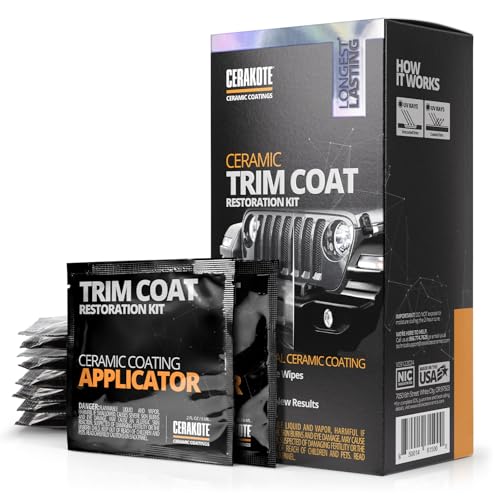
The best product depends on your goal, but for a durable, long-lasting restoration, a ceramic-based trim restorer like Cerakote Ceramic Trim Coat is a top choice. These products chemically bond to the plastic, restore color deeply, and provide excellent UV protection for over a year. For a pure dye, Solution Finish is a professional favorite, but it must be topped with a UV protectant.
How long does black trim restorer last?
The longevity of a trim restorer varies greatly by type. A temporary, silicone-based dressing might only last a few weeks or until the next car wash. A quality permanent dye or ceramic-based restorer, when applied correctly to a properly prepped surface, can last from one to over two years before needing reapplication.
Can you really use a heat gun to restore plastic trim?
Yes, a heat gun can restore faded black plastic, but it is a high-risk method. The heat brings the plastic’s natural oils and resins back to the surface, darkening it. However, it is very easy to overheat, melt, or warp the plastic, causing irreversible damage. This method also offers no UV protection, so the trim will fade again relatively quickly.
Will tire shine restore black plastic trim?
No, you should not use tire shine on your plastic trim. Most tire shines are silicone-based, greasy, and designed for rubber, not porous plastic. They create an oily, dust-attracting mess that looks good for a day but offers no real restoration or UV protection. It can also be very difficult to remove later.
What is the difference between a trim restorer and a trim dressing?
A trim restorer permanently changes the plastic, while a dressing is a temporary cosmetic layer. A restorer is a dye or coating that penetrates or bonds to the plastic to bring back color. A dressing is a silicone or oil-based product that sits on top of the surface to give it a temporary wet, dark look. Restorers fix the problem; dressings hide it.
How do you remove wax or polish stains from black trim?
To remove dried wax from textured black trim, use an all-purpose cleaner, a stiff brush, and a little heat. A pencil eraser can also work on small spots. For a more effective method, spray the area with an all-purpose cleaner, agitate with a brush, and then gently warm the area with a hairdryer to melt the wax out of the pores before wiping it away.
Is it better to paint or restore black trim?
Restoring is usually better for trim that is just faded, while painting is for trim that is physically damaged or if you want a different finish (e.g., gloss). Restoring with a quality product is faster, easier, and maintains the original factory texture of the plastic. Painting is more labor-intensive and requires significant prep work for the paint to adhere properly.
Does “Back to Black” wash off?
Yes, most traditional “Back to Black” products are temporary dressings and will wash off over time. While they can make trim look dark and new immediately after application, they are not permanent solutions. Their longevity is typically measured in weeks, not months or years, and they need to be reapplied frequently, especially after car washes or rain.
How do you make car trim black again cheaply?
The cheapest method is a temporary dressing, but for a cheap and effective method, the heat gun approach costs the least if you already own one. However, due to the high risk, a better value is buying a small bottle of a quality trim restorer. A single bottle can often restore all the trim on a car and will last exponentially longer than any cheap, temporary fix.
What about DIY tipss like olive oil or peanut butter?
These are myths and should be avoided. While the oils in these products can temporarily darken the plastic, they do not restore it. They will attract dirt, turn rancid, and can even encourage mold growth in the pores of the plastic. They offer zero UV protection and create a greasy mess that is difficult to clean off later. Stick to automotive-specific products.
Key Takeaways: How to Restore Black Trim on Car Summary
- Preparation is Paramount: The success of your restoration depends almost entirely on the preparation. A deep clean with a degreaser followed by an isopropyl alcohol (IPA) wipe is non-negotiable for removing old silicones and ensuring the new product bonds permanently.
- Choose Permanent Over Temporary: For a result that won’t wash off, choose a permanent chemical restorer (a dye or ceramic coating) over a temporary oil or silicone-based dressing. Restorers fix the problem at a molecular level; dressings just hide it.
- Application Technique Matters: To avoid a streaky, blotchy finish, apply a thin, even coat of restorer with a foam applicator in overlapping strokes. Always buff off the excess product with a clean microfiber towel after a few minutes.
- Respect the Curing Time: A true permanent restorer needs time to cure, or chemically harden. Keep the trim dry and free of contaminants for at least 4-6 hours (or as directed by the manufacturer) for maximum longevity.
- Heat Guns Are High-Risk: While a heat gun can darken plastic, it’s an advanced technique with a high risk of permanently melting or warping your trim. It also provides zero UV protection, meaning the fading will return.
- Protect Your Investment: After restoring, the job isn’t done. Apply a dedicated plastic trim sealant or ceramic coating every few months to act as a sacrificial barrier against UV rays, dramatically extending the life of your restoration.
- Avoid Kitchen tipss: Do not use peanut butter, olive oil, or tire shine on your plastic trim. These products attract dirt, can go rancid, offer no UV protection, and make proper restoration more difficult later.
Final Thoughts on Restoring Your Car’s Black Trim
Restoring your car’s black trim is a highly rewarding DIY project that dramatically improves your vehicle’s appearance and value when done correctly. By moving past temporary, greasy dressings and embracing a permanent restoration method, you are not just hiding the problem—you are fixing it. The key is to commit to the process: a thorough deep clean, meticulous preparation, and a careful application. The result will be a deep, rich black finish that is dry to the touch and lasts for years, not weeks.
Last update on 2026-03-10 / Affiliate links / Images from Amazon Product Advertising API