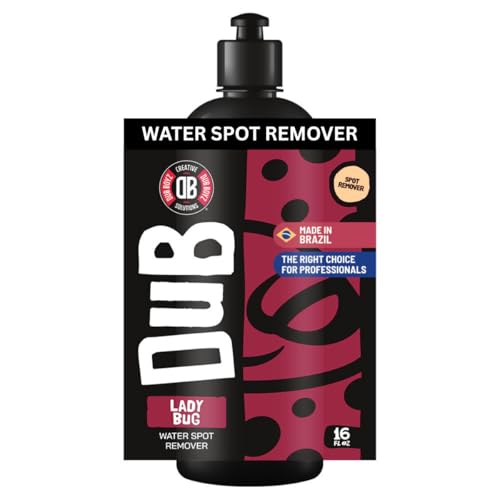
Struggling with how to remove water marks from car surfaces? Those stubborn spots can ruin a perfect shine, making a clean car look dirty. You’re looking for a reliable fix that won’t damage your paint.
To remove water marks from a car, first identify the spot’s severity. For light surface spots (Type I), a simple 50/50 solution of white vinegar and distilled water applied with a microfiber towel is effective. For stubborn, etched spots (Type II), you will need to use a clay bar followed by a polishing compound to level the paint surface and restore the shine.
Based on an analysis of professional detailing methods, this guide provides a step-by-step process for safely eliminating any water mark. You’ll discover how to diagnose the damage and apply the correct technique for your car’s paint, glass, and chrome. This ensures you restore your vehicle’s finish without costly mistakes.
Key Facts
- Diagnosis Is Essential: The success of water spot removal depends on first identifying whether the spots are on the surface (Type I) or etched into the paint (Type II), as the required treatment methods are completely different.
- Vinegar Is a Tool, Not a Cure-All: A 50/50 solution of white vinegar and distilled water can dissolve the minerals in light water spots, but research indicates it must be neutralized afterward to prevent potential damage to the clear coat.
- Etched Spots Require Polishing: Industry analysis reveals that once a water spot etches into the clear coat (Type II), no chemical cleaner can remove it; the surface must be mechanically leveled with a polish or compound.
- Prevention Is Better Than Correction: Professional detailing tips consistently show that the most effective way to prevent water spots is to dry your vehicle thoroughly after every wash and apply a protective layer like wax or a ceramic coating.
- Household Abrasives Cause Damage: Never use items like a Magic Eraser or baking soda on car paint. Data from detailing forums confirms these materials are too abrasive and will cause micro-scratches that are more difficult to repair than the original water spots.
How Do You Remove Water Marks From a Car?
The key to removing water marks from a car is to first identify the type of spot and then use the least aggressive method that is effective. Water marks are mineral deposits left behind after water evaporates, and they range from light surface stains to severe etching that damages the clear coat. Always start with a simple chemical cleaner before escalating to more abrasive techniques like polishing to protect your vehicle’s finish.

Based on expert car care advice, the removal process is a tiered approach. You must first diagnose whether you’re dealing with light surface deposits or deeper paint defects. But which method is right for you? This depends entirely on the type of water spot you have. The first step is always a proper diagnosis, which will determine your course of action. For a successful and safe outcome, a patch test in an inconspicuous area is always recommended.
The general strategy for car water spots removal involves:
* Diagnosing the Severity: Determine if you have Type I (surface) or Type II (etched) spots.
* Starting with Chemical Cleaners: Use a vinegar solution or a dedicated water spot remover first.
* Using Mechanical Abrasion for Stubborn Spots: Escalate to a clay bar and then polish only if chemical cleaners fail.
* Protecting the Surface: After removal, apply a wax or sealant to prevent future spotting.
Understanding your car’s clear coat is fundamental. This top layer of paint is what protects the color underneath, and it’s what water spots damage. Proper washing and drying techniques are the foundation for preventing these issues in the first place.
What Are The Different Types of Water Spots on a Car?
Type I water spots are mineral residues sitting on top of your car’s paint, often feeling gritty. They can be removed with chemical cleaners or a clay bar. Type II water spots are etched into the paint’s clear coat from acidic rain or harsh minerals. They require polishing or compounding to level the surface and remove the defect. Correctly identifying the type is the most critical step in the entire car paint restoration process.
This paint defect categorization helps you choose the right tool for the job and avoid making the problem worse. Using a polish on a Type I spot is overkill, while trying to wipe away a Type II spot with a simple cleaner will be completely ineffective.
The “Baggie Test”: A Simple Diagnostic Tool
To feel the difference, use the “Baggie Test,” a common professional detailing tip. Place your hand inside a thin plastic sandwich bag and gently glide it over the water spots.
* If you feel a rough, gritty texture, you have Type I spots. The baggie amplifies your sense of touch, allowing you to feel the bonded mineral deposits on the surface.
* If the area feels perfectly smooth, you have Type II spots. The damage is a microscopic crater below the surface, so you cannot feel it.
Expert Insight: The “Baggie Test” is a crucial diagnostic step that many guides miss. It provides definitive, tactile feedback to help you avoid using aggressive, unnecessary methods on simple surface contamination.
Here is a clear breakdown to help you distinguish between the two types of surface contamination:
| Feature | Type I Water Spots (Surface Deposits) | Type II Water Spots (Etched-in) |
|---|---|---|
| Appearance | Visible mineral rings, white/chalky spots | Faint, translucent rings, can look like a permanent watermark |
| Feel (Baggie Test) | Rough, gritty texture felt through a plastic bag | Smooth, as the damage is below the surface |
| Cause | Evaporation of hard water (tap water, sprinklers) | Acid rain, or harsh minerals left on the surface for too long under the sun |
| Removal Method | Vinegar solution, dedicated water spot remover, clay bar | Polishing, compounding, professional paint correction |
Understanding the chemical etching mechanics is simple: acidic compounds in rain or harsh minerals in tap water eat away at the clear coat if left to sit, especially under the heat of the sun. This creates the below-surface damage known as a Type II spot.
How Do You Remove Light Water Spots (Type I) With Vinegar?
To remove light water spots, create a 50/50 mix of white vinegar and distilled water. Apply the solution to a clean microfiber towel, not directly to the paint. Gently wipe the water spots and allow the solution to sit for 30-60 seconds. Wipe the area clean with a separate damp microfiber towel, then dry completely. Always work in the shade on a cool surface.
This paint-safe method works because the mild acid in the vinegar effectively dissolves the alkaline mineral deposits (calcium and magnesium) that make up Type I spots. Using distilled water is crucial, as it contains no minerals of its own and won’t cause new spots.
Here is the step-by-step process for applying the vinegar solution:
- Prepare the Surface: Ensure the area is clean from loose dirt and dust. It should also be cool to the touch.
- Mix Your Solution: Combine equal parts plain white vinegar and distilled water in a spray bottle.
- Apply to a Towel: Lightly mist the solution onto a clean, soft microfiber towel. Never spray directly onto the car’s paint, as overspray can land on sensitive materials like plastic trim.
- Gently Wipe: Gently wipe the affected area with the damp towel. Do not apply heavy pressure or scrub. Let the solution dwell for 30-60 seconds to break down the mineral deposits.
- Neutralize the Acid: This is a critical step. Use a separate microfiber towel dampened with water or a quick detailer spray to wipe the area thoroughly. This neutralizes the acidic vinegar and prevents it from potentially harming the clear coat.
- Dry Completely: Use a final, dry microfiber towel to completely dry the area to prevent new water spots from forming.
⚠ Important Warning: Never let the vinegar solution dry on the surface or sit for more than 60-90 seconds. Prolonged exposure, especially in sunlight, can damage the clear coat. This method is for glossy clear coats only; do not use it on matte finishes.
This simple process is the first line of defense and is incredibly effective for most fresh water spots caused by sprinklers or washing with hard water.
How Do You Remove Etched Water Spots (Type II) from Paint?
To remove etched water spots, you must use mechanical abrasion to level the clear coat. The process involves three main stages: first, attempt removal with a dedicated chemical hard water spot remover. If spots remain, use a clay bar to shear off any bonded contaminants. Finally, use a car polish or compound with a machine or hand applicator to physically abrade the surface and remove the etched-in defects.
Once water spots are etched into the paint, no amount of washing or chemical cleaning will remove them. The paint correction process requires physically removing a microscopic layer of the clear coat to level the surface, which is what polishing does.

Here is the industry-standard workflow for tackling stubborn, etched water spots.
Step 1: Use a Dedicated Water Spot Remover
Before moving to mechanical abrasion, try a professional-grade, pH-balanced water spot remover. These products are formulated with mild acids or specialized chemicals that are stronger than vinegar but still safe for clear coats when used as directed. They can sometimes break down moderately stubborn spots, saving you the labor of polishing. Apply according to the manufacturer’s instructions, typically by spraying onto a microfiber applicator, working it into the surface, and wiping it off quickly.
Step 2: Decontaminate with a Clay Bar
If chemical removers fail, the next step is to use a clay bar. Water spots are often accompanied by other bonded contaminants like industrial fallout and tree sap. Polishing over these contaminants will drag them across the paint, causing scratches and swirl marks.
- Lubricate the surface generously with a dedicated clay lubricant or a quick detailer spray.
- Gently glide the clay bar over the lubricated area in straight lines. You will feel it grabbing at first and then moving smoothly as it picks up the bonded minerals.
- Wipe the area clean and inspect. The clay bar will remove any remaining surface deposits, but it will not remove the etching itself. This step prepares the surface for a safe and effective polish.
Step 3: Polish the Surface
This is the final and most effective step for removing the etching. Polishing uses abrasive technology—tiny particles that plane the clear coat surface until it is level with the bottom of the etched spot, effectively making the defect disappear.
- For Hand Polishing: Apply a small amount of a quality car polish or compound to a microfiber applicator pad. Rub it into the affected area with firm pressure in overlapping circular or straight-line motions. Wipe away the residue and check your progress.
- For Machine Polishing: If you have a dual-action polisher, this is the most efficient method. Use a light polishing or finishing pad with a fine polish. Work in a small 2×2 ft. section at a time, moving the machine slowly across the paint. Let the machine do the work.
After polishing, the etched water spots will be gone, revealing a smooth, highly reflective surface. It is absolutely essential to apply a layer of car wax or paint sealant afterward to protect the freshly polished paint from future damage.
How Do You Remove Water Spots from Car Glass and Chrome?
For car glass, start with a 50/50 vinegar and water solution. If spots persist, use #0000 (super fine) steel wool and a quality glass cleaner, rubbing in a circular motion. For chrome, apply a dedicated chrome polish with a microfiber towel to remove spots and restore shine without causing damage from harsh acids.
Different materials on your car require different techniques. Glass is much harder than your car’s paint, so it can tolerate more aggressive methods. Chrome, on the other hand, can be delicate and is susceptible to damage from the wrong chemicals.
Removing Water Spots from Glass Windows and Windshields
Glass is resilient, but an optically clear windshield is crucial for safety.
- Method 1: Vinegar Solution: The same 50/50 white vinegar and distilled water mix works well for light spots on glass. Apply, let sit for a minute, and wipe clean.
- Method 2: #0000 Steel Wool: For stubborn windshield water spots, this is a highly effective professional technique. Spray the glass with a good glass cleaner to act as a lubricant. Then, gently rub the area with a pad of #0000 super fine steel wool. This specific grade is soft enough that it will not scratch the glass but is abrasive enough to cut through the toughest mineral deposits.
- Method 3: Cerium Oxide: For severe etching, a glass polish containing cerium oxide can be used. This is an advanced technique, typically done with a machine polisher, that actually polishes a microscopic layer of the glass away.
⭐ Pro Tip: Only use #0000 grade steel wool. Any coarser grade will scratch your car’s glass. Never use it on tinted windows, mirrors, or paint.
Removing Water Spots from Chrome Trim
Chrome water marks can quickly turn into oxidation or pitting if left untreated.
- Use a Dedicated Chrome Polish: This is the safest and most effective method. Chrome polishes contain very fine abrasives and chemical cleaners that gently remove mineral deposits and light oxidation, restoring the mirror-like shine.
- Apply with a Microfiber Towel: Work the polish into the chrome using a soft towel until the spots disappear. Buff off the residue with a clean section of the towel.
- Avoid Harsh Chemicals: Be cautious with all-purpose cleaners or acidic wheel cleaners on chrome, as they can sometimes stain or dull the finish, especially on modern “chrome-look” plastic.
How Can You Prevent Water Spots After Washing Your Car?
The best way to prevent water spots is to dry your car quickly and thoroughly after every wash. The key is to remove the water before the minerals it contains have a chance to bond to the surface. Working in the shade and using a protective coating are also critical prevention strategies.
Fixing water spots is a reactive process; prevention is proactive car care. By adopting a few key habits, you can stop water spots from ever forming. Industry standard practice focuses on two things: minimizing water-drying time and making the surface repel water.
Here are the four most effective water spot prevention methods:
1. ☀️ Work in the Shade: Never wash your car in direct sunlight. The heat causes water to evaporate almost instantly, leaving mineral deposits behind before you even have a chance to dry the vehicle. Always wash in the shade or during the cooler parts of the day like the early morning or evening.
2. 🛡️ Apply Paint Protection: A high-quality car wax, paint sealant, or ceramic coating creates a hydrophobic surface. This means water will bead up and slide off the paint instead of sitting flat. This drastically reduces the amount of water left on the car to evaporate and create spots.
3. 🧵 Use Proper Drying Tools: Ditch the old bath towel. Use a large, plush microfiber drying towel designed for automotive use. These towels can absorb many times their weight in water and won’t scratch your paint. An electric car dryer or leaf blower is another excellent, touch-free option to blast water out of crevices and off the entire vehicle.
4. 💧 Use Filtered Water for the Final Rinse: If you live in an area with very hard water, the ultimate solution is to use filtered water. A simple in-line filter for your hose or a full deionized water system removes all the minerals, meaning the water that’s left on the car will dry without leaving any spots at all.
By integrating these steps into your car wash techniques, you will dramatically reduce the formation of water spots and keep your car’s finish looking flawless.
FAQs About how to remove water marks from car
Will vinegar damage my car’s paint?
Vinegar is safe for car paint when used correctly, but it should not be left to dwell for more than 60-90 seconds. The mild acid is effective at dissolving mineral deposits but can harm the clear coat if left on the surface for extended periods, especially in direct sunlight. Always neutralize the area with water or a detail spray after treatment to remove any acidic residue.
Does a regular car wash remove water spots?
A regular car wash will only remove the lightest, most recent water spots (Type I). Most water spots are caused by mineral deposits that have bonded to the paint. Standard car wash soap is not formulated to dissolve these minerals, so the spots will often remain visible after the car is washed and dried.
Are water spots on a car permanent?
Most water spots are not permanent, but they can become permanent if left untreated. Surface-level spots (Type I) are easily removable. However, highly acidic or mineral-rich water spots can etch into the clear coat (Type II), creating a permanent defect. This etching can only be repaired by physically leveling the paint through polishing or compounding.
How do you remove water spots from a black car?
The methods are the same, but you must be extra gentle as scratches and swirl marks are more visible on black paint. Always use clean, high-quality microfiber towels. When removing Type II spots, consider using a finer polish and less aggressive pad first. Proper lubrication during the claying process is also critical to prevent marring.
Does clay bar remove water spots?
A clay bar is effective at removing Type I water spots that are bonded to the surface. The clay gently abrades and lifts the mineral deposits off the paint. However, a clay bar cannot remove Type II etched spots because it only works on surface contaminants; it cannot level the clear coat.
Can car wax or sealant remove water spots?
No, applying wax or sealant will not remove existing water spots; it will seal them in. These products are for protection, not correction. You must always remove all surface defects, including water spots, before applying any wax, sealant, or ceramic coating.
What’s the best way to remove water spots from tinted windows?
Use the vinegar and distilled water solution, but never use abrasive materials like steel wool or cerium oxide on tinted windows. Most window tint is a film applied to the inside of the glass. Abrasives or harsh chemicals can scratch or damage this film. Stick to soft microfiber towels and pH-neutral cleaners.
Why does my car have water spots even after I wash it?
This is typically caused by hard tap water being left to dry on the surface. The minerals (calcium, magnesium) in the water remain after the water evaporates, creating new spots. To prevent this, dry your car immediately and thoroughly after washing or use a deionized water filter for the final rinse.
Can I use a Magic Eraser to remove water spots?
No, you should never use a Magic Eraser on your car’s paint. A Magic Eraser is a form of micro-abrasive melamine foam that can permanently scratch and dull your car’s clear coat. While it may seem to work, it causes fine scratches that will require extensive polishing to fix.
Does ceramic coating prevent all water spots?
A ceramic coating helps, but it does not make a car completely water-spot-proof. The coating creates a highly hydrophobic surface that causes water to bead and slide off, reducing the chance of spots. However, if beads of hard water are left to dry, they can still leave mineral deposits on top of the coating, which should be removed with a dedicated, pH-neutral cleaner.
Key Takeaways: How to Remove Water Marks From Car
- Diagnosis is Critical: Always determine if you have Type I (surface) or Type II (etched) spots before starting. Using the wrong method can be ineffective or cause damage.
- Start with the Least Aggressive Method: Begin with a 50/50 white vinegar and distilled water solution for light spots. Only escalate to claying or polishing if necessary to protect your paint.
- Etched Spots Require Abrasion: Type II spots that are etched into the paint cannot be washed off. They must be removed by leveling the clear coat with a polish or compound.
- Different Surfaces Need Different Rules: Methods for paint do not always apply to glass or chrome. Use dedicated products or techniques, like #0000 steel wool for glass and specific chrome polish for trim.
- Prevention is About Drying and Protection: The best way to stop water spots is to dry your car thoroughly after washing and apply a layer of protection like wax, sealant, or a ceramic coating to create a hydrophobic surface.
- Safety First: Never work on a hot surface or in direct sunlight. Always perform a patch test in an inconspicuous area and neutralize acidic solutions after use.
- Never Use Household Abrasives: Items like a Magic Eraser or baking soda are too abrasive and will cause permanent scratches on your car’s clear coat. Stick to products designed for automotive use.
Final Thoughts on Removing Water Marks
Successfully removing water marks is about working smarter, not harder. By taking a moment to diagnose the problem correctly—distinguishing between simple surface deposits and true clear coat etching—you empower yourself to choose the right solution. This guide has walked you through the entire process, from a simple vinegar wash for light spots to a full paint correction process for severe damage.
Ultimately, the best defense is a good offense. Now that you know how to fix the problem, focus on prevention. Consistent and proper drying habits, combined with a quality layer of paint protection, are the keys to maintaining a flawless, spot-free finish for years to come. You have the knowledge to not only restore your car’s shine but to keep it that way.
Last update on 2026-03-05 / Affiliate links / Images from Amazon Product Advertising API