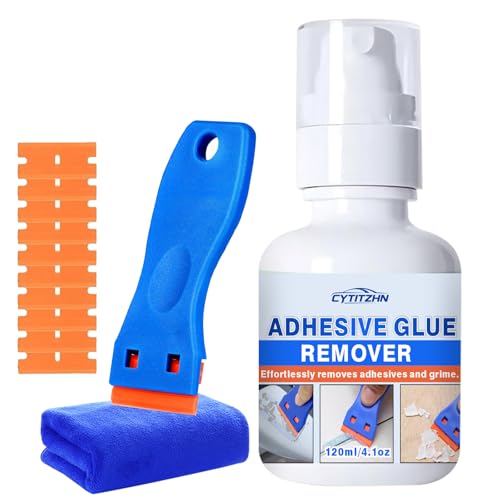
Accidentally dripped super glue on your car? Your heart sinks as you picture a permanent, ugly blemish on your pristine paint. You’re right to be worried, as aggressive scrubbing or the wrong chemical can cause expensive damage to the car paint surface.
The key to removing super glue from car paint is to soften the adhesive with a solvent and gently wipe it away, rather than scraping or picking. Start with a mild solvent like 70% isopropyl alcohol on a cotton swab, allow it to soak for a minute, then gently rub in a circular motion. Always test any chemical on a hidden spot first to ensure it’s clear coat safe.
Based on professional detailing standards and tested methods, this guide provides a safe, step-by-step process. You’ll discover how to dissolve the glue, which chemicals to use (and avoid), and how to restore your paint’s gloss finish, ensuring a perfect repair without costly mistakes.
Key Facts
- Chemical Composition is Key: Super glue is a cyanoacrylate adhesive, a type of polymer that forms a strong, rigid bond. It doesn’t respond to heat but can be dissolved by specific chemical solvents.
- Clear Coat is Your First Defense: Modern car paint has a protective top layer called a clear coat. The goal is to remove the glue without damaging this layer, as solvent damage to the clear coat is what causes dullness and hazing.
- Acetone Poses a High Risk: While effective at dissolving glue, acetone is a powerful solvent that can strip or melt certain types of automotive paint and clear coats, especially on older vehicles with single-stage paint.
- Patience Prevents Damage: Letting a solvent soak for 60-90 seconds is crucial. This allows the chemical to weaken the bond of the adhesive, meaning you can wipe it away gently instead of using force that causes scratches.
- Restoration is Mandatory: After using a solvent, the area must be washed and protected. Applying a layer of car wax or sealant is essential to restore the UV protection that the solvent may have weakened.
How Do You Remove Super Glue from Car Paint Safely?
The safest way to remove super glue from car paint is to follow a methodical, five-step process: Assess, Test, Dissolve, Clean, and Protect. This approach, used by professional detailers, prioritizes the integrity of your automotive clear coat—the protective top layer of your car’s paint—above all else. The enemy is the hardened cyanoacrylate adhesive, and the strategy is to chemically soften its bond to the paint surface without causing further harm like scratches or paint stripping.

The fundamental principle is to always start with the least aggressive solution first and only escalate if necessary. Different car paint types can have varying levels of solvent sensitivity, which is why a preliminary test is non-negotiable. Rushing the process or using force is the fastest way to turn a small mistake into a costly repair.
⚠️ CRITICAL WARNING: Before applying ANY product to your car’s paint, test it on an inconspicuous area first (e.g., a door jamb or under the bumper). Some solvents, especially acetone, can damage or strip certain types of automotive paint and clear coats. Proceed with caution and at your own risk.
Here are the core principles of a safe removal:
- Assess the Spill: Is it a small drop or a large smear? Is the dried super glue a thick blob or a thin layer? This determines how much solvent and patience you’ll need.
- Test Your Solvent: Always apply a tiny amount of your chosen solvent to a hidden spot and wait a few minutes to check for any negative reaction like hazing or softening of the paint.
- Dissolve, Don’t Scrape: The goal is to let the chemical do the work. Apply the solvent and let it soak to soften the glue.
- Clean and Neutralize: After the glue is gone, you must wash the area with soap and water to remove any remaining solvent residue.
- Protect the Finish: Applying a coat of car wax is the final step to restore the protective barrier and gloss to the automotive finish.
What Should You Do Before Attempting Glue Removal?
Before you start, you must first prepare the work area and gather the correct tools to prevent accidental scratches or solvent damage. Proper preparation is a critical step that many people skip, often making the problem worse. Start by thoroughly washing and drying the affected area to remove any surface grit or dirt. Attempting to rub a solvent over a dirty panel will grind that debris into your clear coat, causing a web of micro-scratches.
It’s also essential to work in a cool, shaded location, out of direct sunlight. Heat can cause solvents to evaporate too quickly, reducing their effectiveness and potentially creating a cloudy finish on your paint.
What Materials and Tools Will You Need?
Having everything you need within arm’s reach prevents you from leaving a potent chemical sitting on your paint for too long. Here is a checklist of essential items.
- Removal Agents: A bottle of Isopropyl Alcohol (70% or higher is ideal), a can of WD-40, or a small bottle of Acetone-based Nail Polish Remover (for last-resort use only). A dedicated automotive adhesive remover is also an excellent choice.
- Applicators & Wipers: A pack of cotton swabs (Q-tips) for precise application and a set of clean, plush microfiber towels for gentle wiping and buffing.
- Finishing Products: A high-quality carnauba car wax or a synthetic paint sealant to restore protection after the removal is complete.
- Optional: A plastic scraper or an old credit card can be useful for gently nudging softened glue. Never use metal.

The most important preparation step is the spot test.
- Clean the Area: Use car wash soap and water to gently wash and dry the spot and the surrounding area. Good car wash techniques are important here.
- Choose a Safe Location: Park your car in a garage or a shaded spot. The paint surface should be cool to the touch.
- Gather Your Tools: Lay out your chosen solvent, Q-tips, and microfiber towels.
- Perform a Spot Test: Find a hidden painted area on your car. Apply a tiny drop of the solvent you plan to use with a Q-tip. Wait 1-2 minutes, then wipe it off and inspect for any staining, dulling, or softening of the paint. If the area looks unchanged, you can proceed.
What Are the Safest Step-by-Step Removal Methods?
The safest step-by-step approach involves a “safety ladder,” where you start with the mildest solvent and only move to a more aggressive one if the previous method fails. This tested method ensures you use only as much chemical power as necessary, minimizing risk to your car’s clear coat. Remember, patience is your best tool.
The universal process is to apply the solvent with a cotton swab, let it soak to dissolve the adhesive, and then gently wipe it away. Never scrub vigorously or use a sharp object.
Method 1: How Do You Use Isopropyl Alcohol (The Safest First Step)?
To remove super glue with isopropyl alcohol, saturate a cotton swab, press it onto the glue for one minute to soften the bond, then gently wipe the residue away with a clean microfiber towel. This method is 99% safe for all factory automotive finishes and should always be your starting point.
- Saturate: Dip a Q-tip into 70% or 90% isopropyl alcohol, ensuring it is well-saturated.
- Press and Hold: Press the wet Q-tip directly onto the super glue residue. Hold it there for at least 60 seconds. For a thick glue deposit, you may need to hold it for up to 90 seconds.
- Wipe Gently: Remove the Q-tip and immediately use a plush microfiber towel to wipe the area in a small, gentle circular motion. The softened glue should start to break up and lift away.
- Repeat: If stubborn glue remains, repeat the process. It may take 2-3 applications to fully remove a hardened glue spot.
- Clean: Once the glue is gone, wipe the area with a fresh, damp microfiber towel to remove any remaining alcohol.
Method 2: How Do You Use WD-40 for Stubborn Glue?
Yes, WD-40 can remove super glue from car paint by penetrating underneath the adhesive and breaking its bond with the paint surface. Its lubricating properties help lift the glue off the paint surface with minimal friction, making it a great second option if alcohol isn’t strong enough.
- Apply: Spray a small amount of WD-40 directly onto the dried super glue. Be careful to contain the spray to the immediate area.
- Soak: Let the WD-40 sit and penetrate for 2-3 minutes. You may see the edges of the glue start to look wet or darker.
- Wipe or Nudge: Use a clean microfiber towel to wipe the area firmly. If the glue is thick, you can use the edge of a plastic card or your fingernail (covered with the towel) to gently nudge the softened glue blob. It should slide off.
- Repeat if Necessary: For very stubborn glue, a second application may be needed.
- Degrease: WD-40 is an oil, so you must clean the area thoroughly with car soap and water afterward to remove the oily residue.
Method 3: How to Use Acetone Cautiously (The Last Resort)?
Acetone can dissolve super glue very quickly but carries a very high risk of permanently damaging your car’s paint and should only be used as a final option. Some paints, especially on older cars or resprayed panels, may have a single stage paint job without a separate protective clear coat. Acetone can dissolve this type of paint almost instantly.
Final Warning: Acetone is a powerful solvent. Use it in a well-ventilated area. If you are not 100% confident, it is better to take your car to a professional detailer than to risk using acetone.
- Test Rigorously: Perform a spot test in a very hidden area. If you see ANY color transfer to your Q-tip or any change in the paint’s gloss, DO NOT proceed.
- Apply Sparingly: Dip just the very tip of a Q-tip into an acetone-based nail polish remover. You want a minimal amount—the swab should be damp, not dripping.
- Dab, Don’t Rub: Quickly and precisely dab the acetone ONLY onto the super glue itself. Avoid touching the surrounding paint as much as possible.
- Act Fast: Do not let the acetone sit for more than 10-15 seconds.
- Wipe Immediately: Use a clean microfiber towel to immediately wipe the area. The glue should dissolve on contact.
- Neutralize Instantly: Immediately wash the area with plenty of soap and water to neutralize and remove any remaining acetone.
How Do Acetone, Alcohol, and WD-40 Compare for Glue Removal?
Choosing the right solvent involves balancing effectiveness against risk. While acetone is the most powerful debonder, its potential to cause solvent damage makes it a risky choice. Isopropyl alcohol is the safest but may require more patience. This table breaks down the key differences to help you decide.
| Feature | Isopropyl Alcohol | WD-40 | Acetone (Nail Polish Remover) |
|---|---|---|---|
| Effectiveness | Moderate | Moderate-High | Very High |
| Risk to Paint | Very Low | Low | Very High |
| Mechanism | dissolves (slowly) | weakens bond & lubricates | dissolves (quickly) |
| Best For | Fresh spills, sensitive paint | dried super glue, stubborn glue | Last resort, non-sensitive surfaces |
| Application Time | 1-2 minutes | 2-5 minutes | 10-15 seconds (max) |
Our recommendation is clear: Always start with Isopropyl Alcohol. It is effective in most situations and carries virtually no risk. Only escalate to WD-40 or, in extreme cases, acetone if the alcohol proves insufficient after several attempts.
How Do You Restore the Paint Finish After Removing the Glue?
After removing super glue, you must re-protect the paint by washing the area, applying a fine polishing compound to remove any hazing, and finishing with a layer of car wax or paint sealant. This final stage is not optional; it’s essential for restoring gloss and ensuring the clear coat is sealed against the elements. Using a solvent can leave a slightly dull or cloudy finish and strips away any existing wax protection.
This two-step process restores the gloss paint finish after the chemical cleaning process. Polishing smooths the surface, while waxing adds a sacrificial barrier against UV rays and contaminants.
- Wash the Area: Use a dedicated car wash soap and a clean microfiber mitt to thoroughly wash the spot where you worked. This neutralizes and removes any leftover solvent residue. Rinse well and dry completely with a clean microfiber towel.
- Polish (If Needed): Inspect the area under good light. If the finish looks dull or you can see faint micro-scratches from wiping, you’ll need to polish it. Apply a small, pea-sized amount of a fine-cut polishing compound (a very mild abrasive that smooths out the surface) to a microfiber applicator pad. Gently rub the area in overlapping circles for about 30 seconds, then buff away the residue with a clean microfiber towel.
- Apply Protection: This is the most critical step. Apply a thin, even layer of high-quality car wax or a modern paint sealant to the area. Let it haze over according to the product’s directions, then buff it to a high shine with another clean microfiber towel. This acts like sunscreen for your paint, restoring its protection.
FAQs About how to remove super glue from car paint
How long does it take to remove super glue?
It typically takes 5-15 minutes to remove a spot of super glue from car paint. The exact time depends on the glue’s thickness and the solvent used. The process involves about 1-3 minutes of soaking time per application, followed by gentle wiping. Cured, hardened glue may require a few repeat applications.
Can I use a hair dryer to remove super glue?
No, heat is not effective for removing super glue and can damage your car’s paint. Cyanoacrylate is a thermoset polymer, meaning it cures with heat and does not soften significantly. Applying high heat from a hair dryer or heat gun risks blistering or discoloring your clear coat.
What happens if I just leave super glue on my car paint?
Leaving super glue on car paint can cause permanent damage to the clear coat. The glue creates a hard, inflexible spot that can lead to cracking or delamination of the paint underneath as it expands and contracts with temperature changes. It also traps dirt and can be an eyesore.
Will Goo Gone remove super glue from car paint?
Yes, automotive-specific Goo Gone is a safe and effective option for removing super glue. It is less aggressive than acetone but often more effective than rubbing alcohol. Always use the automotive formula, as the standard version may be too harsh for some finishes. Follow the product’s directions carefully.
How do you remove super glue from plastic car trim?
For plastic trim, avoid acetone at all costs as it will melt the plastic. Start with the safest methods: isopropyl alcohol or WD-40. Apply with a Q-tip, let it sit, and wipe gently. Commercial adhesive removers specifically labeled “safe for plastic” are also a good choice.
Can a professional detailer remove super glue?
Yes, a professional detailer can almost always remove super glue safely. They have access to specialized cyanoacrylate debonder solvents and tools like orbital polishers to perfectly restore the finish afterward. If you are not confident in doing it yourself, this is the safest option to prevent paint damage.
Does car wax remove super glue?
No, car wax will not remove super glue, but it can help in the final stages. Wax is a protective layer, not a solvent. However, after removing the glue, applying a cleaner wax can help remove any final sticky residue before you apply a final protective coat of wax.
Is it safe to sand super glue off car paint?
Sanding should be an absolute last resort performed only by an expert. While wet sanding with a very fine grit paper (like 2000-3000 grit) can physically remove glue, it also removes the clear coat. This requires professional-level skill with a polishing compound and buffer to restore the finish and avoid permanent hazing.
How do you remove super glue from a car window?
Removing super glue from glass is easier and safer than from paint. You can carefully use a new, single-edge razor blade held at a low angle to scrape the hardened glue off the glass. Follow up with glass cleaner to remove any residue. Do not let the blade touch any paint or rubber trim.
Will vinegar remove super glue from paint?
Vinegar is generally ineffective at dissolving cured super glue (cyanoacrylate). While it is a mild acid, it does not have the solvent properties needed to break down the glue’s strong polymer bonds. You will have much better results with isopropyl alcohol, WD-40, or acetone.
Final Thoughts on Removing Super Glue from Car Paint
Successfully removing super glue from your car’s paint is entirely achievable with the right knowledge and a patient, methodical approach. The panic you feel when you first see that accidental spill is normal, but as this guide has shown, a careful process can lead to a flawless result.
- Safety First is Non-Negotiable: Always start with the least aggressive method (isopropyl alcohol) and perform a spot test on a hidden area of your car paint surface before proceeding.
- The Process is Dissolve, Don’t Scrape: The goal is to use a chemical solvent to soften and dissolve the cyanoacrylate bond. Never use force or sharp tools.
- Choose the Right Tool for the Job: Isopropyl alcohol is safest, WD-40 is great for stubborn glue, and acetone is a high-risk last resort.
- Patience is a Virtue: Let the solvent do the work. Allowing it to soak is crucial for it to weaken the bond of the hardened glue.
- Post-Removal Care is Essential: You must wash the area and then apply a car wax or sealant to restore the protective layer on your paint.
- When in Doubt, Call a Professional: If the glue spot is large or you lack confidence, a professional detailer can remove it safely and affordably.
The most critical takeaway is to respect your vehicle’s finish by always starting with the gentlest method and testing every chemical before use. By working smart and resisting the urge to scrape or rush, you can confidently fix this common mistake and restore your paint to its original condition. Your car’s finish is a delicate system, and treating it with the care outlined here will ensure it stays protected for years to come.
Last update on 2026-03-01 / Affiliate links / Images from Amazon Product Advertising API