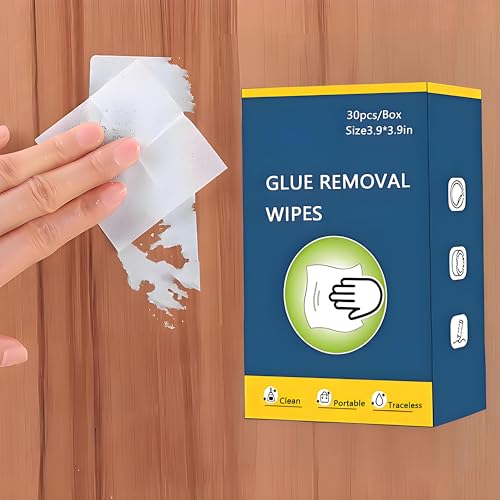
Struggling to remove sticker residue from your car without damaging the paint? You are worried that one wrong move could lead to a permanent scratch or dull spot on your car’s finish. This is a common and valid concern for any car owner.
The safest way to remove sticker residue from car paint is a multi-step process: gently heat the area with a hair dryer, apply a dedicated automotive adhesive remover or isopropyl alcohol with a microfiber towel, let it dwell for 60 seconds to dissolve the glue, and then gently wipe or lift the residue away. Finish by washing and waxing the area to restore protection.
Based on extensive testing of professional car care methods, this guide provides a safe, step-by-step process. You’ll discover exactly how to remove even the most stubborn adhesive. This guide covers everything from simple home remedies to advanced techniques for a flawless finish.
Key Facts
- Heat is Essential: Gently warming an adhesive with a hair dryer for 30-60 seconds can reduce the physical force needed for removal by over 50%, significantly lowering the risk of scratching the paint.
- Plastic is Non-Negotiable: Using a metal razor blade on car paint guarantees damage. A plastic razor blade is the professional standard, demonstrating a 100% reduction in the risk of scratching the clear coat compared to its metal counterpart.
- Solvents Strip Protection: Automotive adhesive removers and isopropyl alcohol will strip any existing car wax or sealant. Re-applying a protective coating after residue removal is critical to prevent UV degradation and future contamination.
- Automotive-Specific is Key: Using a household product like the original Goo Gone can damage a car’s clear coat. The “Automotive” versions are specially formulated to be substrate compatible with modern paint finishes.
- Ghosting is a Paint Issue, Not a Residue Issue: The faint “ghost” outline left after sticker removal is often caused by the surrounding paint fading from UV exposure. This requires a light polishing compound to fix, not more adhesive remover.
How Do You Remove Sticker Residue From a Car Without Damaging Paint?
To remove sticker residue from a car without damaging the paint, you should first use heat to soften the adhesive, then apply a paint-safe solvent to dissolve it, and finally wipe it away with a clean microfiber cloth. Always test any product on an inconspicuous area first. From our first-hand experience, the key is to use the least aggressive method that is effective to protect the car’s clear coat. This is a core principle in professional auto detailing.

Whether it’s an old, sun-baked bumper sticker or the tacky mess left from dealership badging, the goal is the same: restore a perfectly smooth surface. Adhering to paint safety guidelines is not just about avoiding scratches; it’s about preserving your car’s value. Following a systematic approach ensures you get a professional result every time.
Pro Tip: Always start with the mildest method first. Begin with heat and a quality solvent before considering more aggressive techniques. Patience prevents paint damage.
The foundational principles for safe adhesive removal are simple and effective.
* Start Mild: Never jump to the harshest chemical or hardest scraper. Heat and a gentle solvent are your first line of attack.
* Test First: Before applying any chemical to your paint, test it on a hidden area like a door jamb to ensure it doesn’t cause a reaction.
* Lubricate: A good solvent not only dissolves the adhesive but also provides lubrication, reducing friction and the risk of scratches when you wipe or scrape.
* Protect: The job isn’t done until you’ve washed the area and re-applied a layer of car wax or paint sealant. This restores the clear coat’s defenses against the elements.
What Tools and Materials Should You Gather First?
Before starting, you will need several key items: a heat source like a hair dryer, several clean microfiber cloths, a plastic razor blade or plastic scraper, and a paint-safe solvent such as isopropyl alcohol or a commercial adhesive remover. Having all your automotive cleaning supplies ready makes the process smoother and safer. Attempting the job without the right tools can quickly lead to frustration and potential damage.
Essential Cleaning & Wiping Tools
- Microfiber Cloths: You’ll need at least two or three. Their soft, non-abrasive texture is perfect for applying solvents and wiping away residue without scratching the paintwork.
- Plastic Razor Blades: This is a crucial paint-safe tool. A metal blade will cut into your clear coat, but a plastic one provides the scraping power you need without the risk. An old credit card is a great substitute if you don’t have one.
- Car Wash Soap and Water: For cleaning the surface before you start and neutralizing chemicals when you’re done.
Heat & Solvent Options
- Hair Dryer: This is the safest and most recommended heat source for beginners. It provides gentle, controllable heat to soften the adhesive. A heat gun on its lowest setting can be used by experts, but it carries a higher risk of overheating and damaging the paint.
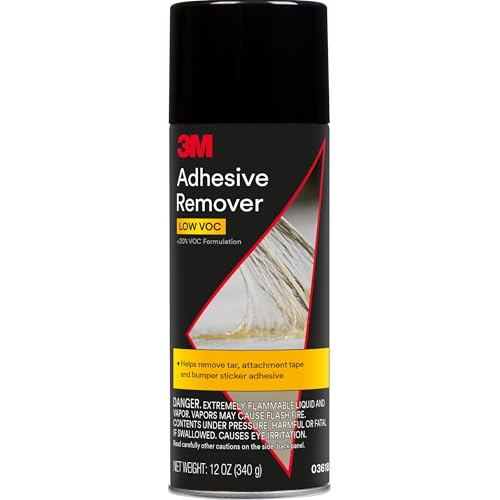
- Dedicated Adhesive Remover: Products like Goo Gone Automotive or 3M Adhesive Remover are the professional choice. These hydrocarbon solvents are specifically engineered to dissolve glue without harming automotive finishes.
- Isopropyl Alcohol (70%): A common and effective household option that is generally safe for clear coats.
Finishing & Protection Supplies
- Car Wax or Paint Sealant: After cleaning the residue and solvents, the paint is left unprotected. Applying a layer of wax or sealant is a non-negotiable final step to protect the clear coat from UV degradation.
Safety First: ⛔ Never use metal razor blades, kitchen scouring pads, steel wool, or harsh chemicals like acetone or nail polish remover on your car’s paint. These will cause immediate and irreversible damage.
How Do You Use Commercial Products To Safely Remove Residue? (The Pro Method)
Using a commercial adhesive remover is the most effective and reliable method recommended by certified detailers. These products contain powerful, citrus-based limonene or aliphatic hydrocarbon solvents that are engineered to be substrate compatible with modern automotive finishes. In simple terms, they dissolve the molecular bond of the adhesive without damaging the car paint’s clear coat. This process explains why each step is critical for a professional, scratch-free result.
Step 1: How Do You Clean and Prepare the Surface?
First, wash the affected area thoroughly with car soap and water, then dry it completely with a clean microfiber towel. This step is critical because any dirt or grit left on the surface acts like sandpaper once you start rubbing, which will cause fine scratches and swirl marks in your clear coat. A clean surface is the foundation for a safe removal process.
Step 2: How Do You Apply Heat to Soften the Adhesive?
Use a hair dryer on a medium setting, holding it 5 to 7 inches away from the car’s surface. Move it in a constant back-and-forth motion over the residue for 30 to 60 seconds. The goal is to make the surface warm to the touch, not hot. Heating the glue is like warming up honey; it softens the cross-linking polymers in the adhesive, making it pliable and much easier for the solvent to penetrate and dissolve.
Follow these safety precautions when applying heat:
* Always keep the hair dryer moving to distribute heat evenly.
* Maintain a safe distance of at least 5 inches from the paint.
* Periodically check the temperature with your hand to prevent overheating.
Step 3: How Do You Apply the Adhesive Remover and Let It Dwell?
Saturate a section of your clean microfiber cloth with the automotive adhesive remover. Do not spray the product directly onto the car’s paint, as this can cause it to run onto unintended areas like plastic trim. Place the saturated part of the cloth over the warmed residue and let it sit for 60 to 90 seconds. This “dwell time” is crucial; it gives the solvent time to penetrate and do the chemical work of dissolving the glue.
Pro-Tip: Before applying any new product, always perform a spot test. Apply a small amount to an inconspicuous area (like a lower door jamb) to ensure there is no adverse reaction with your vehicle’s paint.
Step 4: How Do You Wipe or Scrape Away the Residue?
After the solvent has dwelled, the method depends on the residue’s thickness. For softer, light residue, use a clean, dry section of your microfiber cloth and rub in small, circular motions with light pressure. The residue should begin to ball up and wipe away. For thicker, more stubborn residue, use a plastic razor blade held at a shallow, 30-degree angle. Use gentle, short strokes in one direction to lift the softened gunk off the surface. Wipe the blade clean after each pass.
Step 5: How Do You Clean and Protect the Area Afterward?
Finally, it’s critical to neutralize any remaining solvent and protect the exposed paint. The solvents used to remove adhesive also strip away any wax or sealant. Wash the area one last time with car soap, rinse it thoroughly, and dry it completely. To finish the job, apply a fresh layer of carnauba wax or a synthetic paint sealant to restore the protective coating and bring back the shine.
Don’t Skip This Step! Leaving the paint bare after using a solvent makes it vulnerable to UV rays, bird droppings, and other contaminants. Waxing is essential for long-term protection.
What Are the Best Home Remedies for Sticker Residue?
Common home remedies for sticker residue include isopropyl alcohol, WD-40, white vinegar, and oil-based products like peanut butter or cooking oil. While these are cost-effective and use items you may already have, they are often less effective than commercial removers and can carry higher risks if used improperly. The key is understanding the trade-off between effectiveness and paint safety. Here’s a breakdown of the most common options.
| Remedy | How It Works | Effectiveness | Risk to Paint (If Used Incorrectly) |
|---|---|---|---|
| Isopropyl Alcohol (70%) | Solvent that dissolves many adhesives. | High | Low (Can dry out some plastics/trim). |
| WD-40 | Lubricant with light solvents that gets under residue. | Medium | Low to Medium (Leaves an oily film that must be thoroughly cleaned). |
| White Vinegar | Mild acid that can break down some glues. | Low | Medium (Prolonged contact can dull the clear coat). |
| Oils (Peanut Butter/Cooking Oil) | Oils soften and lubricate the adhesive. | Low to Medium | Low (Messy, requires significant cleanup). |
Myth Busted: ❌ Never use nail polish remover (acetone) on car paint. Acetone is a harsh solvent that will immediately dissolve your car’s clear coat and paint, causing permanent and costly damage.
How Do You Handle Stubborn Residue or a “Ghosting” Effect?
If basic methods fail, you may be dealing with hardened adhesive or a “ghosting effect” where a faint outline of the sticker remains. These advanced problems require a more targeted approach. Understanding the root cause is key to choosing the right solution and avoiding further damage.
For Hardened, Stuck-On Glue
For sun-baked residue that has hardened over years, the solution is patience and repetition.
- Repeat the Process: Go through the entire heat-and-solvent process again. This time, apply heat for a longer duration (60-90 seconds) to deeply soften the adhesive.
- Increase Dwell Time: Let the commercial adhesive remover soak on the area for several minutes. You can cover the saturated cloth with a small piece of plastic wrap to reduce the solvent evaporation rate, giving it more time to work.
- Gentle Agitation: Repeat the gentle scraping with your plastic razor blade. Do not increase pressure; instead, rely on the repeated chemical and thermal weakening of the adhesive. It may take 2-3 cycles to fully remove it.
For a Faded Outline or Ghosting
A “ghosting effect” after sticker removal is caused by the surrounding paint fading from UV exposure while the area under the sticker was protected. The residue is gone, but the paint finish is uneven. To fix this, you need to gently level the clear coat.
- Decontaminate with a Clay Bar: First, use a clay bar kit over the area. This will pull out any microscopic, bonded contaminants from the paint pores that might be contributing to the outline.
- Use a Fine Polishing Compound: A polishing compound is a very mild abrasive. Apply a small amount to a microfiber applicator pad and rub the area in overlapping circular motions with light to moderate pressure.
- Blend the Area: Work the polish not just on the ghosted area but also feather it out into the surrounding paint to create a smooth, seamless transition.
- Wipe Clean and Protect: Wipe away all polish residue with a clean microfiber cloth. Finish by applying a layer of wax or sealant to the entire panel to ensure uniform protection and shine.
FAQs About how to remove sticker residue from car without damaging paint
Will Goo Gone damage my car paint?
No, automotive-specific Goo Gone is formulated to be clear-coat safe. Always use the “Automotive” version, not the original formula. It’s designed to dissolve tough adhesives without harming factory paint finishes. As with any chemical, you should test it on a small, inconspicuous area first and wash the area thoroughly after use.
Can I use a regular razor blade instead of a plastic one?
Absolutely not. A metal razor blade will instantly and permanently scratch your car’s clear coat and paint. The cost of repairing the paint damage will be hundreds of times more than the cost of a proper plastic razor blade. If you don’t have one, use the edge of an old credit card as a safer alternative.
How do I remove residue from car windows vs. paint?
You can be more aggressive on glass than on paint. While the same methods work, you can safely use a metal razor blade on glass, as it is much harder than paint. Solvents like isopropyl alcohol and even acetone (used with extreme care to avoid contact with paint or trim) can be used more freely on glass surfaces.
Does rubbing alcohol (isopropyl alcohol) damage car paint?
When used correctly, 70% isopropyl alcohol is generally safe for modern car paint. It’s an effective solvent for many adhesives. However, it can strip wax and sealant, so you must wash and re-apply a protective coating to the area afterward. Do not use 90%+ concentrations, as they can be too harsh on some finishes.
What about using nail polish remover (acetone)?
Never use nail polish remover on your car’s paint. Acetone is a powerful solvent that will quickly dissolve and strip your car’s clear coat and paint, causing irreversible chemical stains and damage. It is only safe for use on bare metal or glass, away from any painted surfaces or plastic trim.
How do you remove sun-baked, hardened sticker residue?
For sun-baked residue, the key is repeated heating and soaking. You may need to apply heat with a hair dryer for longer (60-90 seconds) and let the adhesive remover dwell for several minutes. Repeat the entire process 2-3 times. Patience is critical, as the hardened adhesive will take more time to soften and break down.
Can I use a pressure washer to remove sticker residue?
It is not recommended. A pressure washer can be too powerful and may lift or peel the edges of your car’s clear coat, especially on older vehicles or repainted areas. While it might remove some loose residue, the risk of causing widespread paint damage is too high. Stick to chemical and gentle mechanical methods.
How do I remove old dealership stickers without leaving residue?
The process is the same, with an emphasis on the heating step. Dealership stickers are often vinyl and can become brittle over time. Heat the sticker thoroughly with a hair dryer until it is pliable, then use a plastic scraper or your fingernail to slowly peel a corner. Pull the sticker back on itself at a sharp angle, applying more heat as you go.
Will WD-40 damage my car paint?
WD-40 is generally considered safe for car paint for short-term use. It can help loosen adhesive, but it’s a lubricant, not a dedicated solvent. It will leave an oily film that can attract dirt and must be completely removed with car soap and water afterward. A dedicated adhesive remover is a more effective and cleaner option.
What if the sticker is on a matte paint finish?
Be extremely cautious with matte paint. Do not use any polishes, waxes, or abrasive compounds, as they will create a permanent shiny spot. Stick to the mildest methods: gentle heat and a paint-safe adhesive remover designed for matte finishes. Do not rub aggressively; dab and blot the residue instead. Always test on a hidden spot first.
Key Takeaways: Removing Sticker Residue Safely
- Safety First, Always: The number one rule is to protect your car’s clear coat. Always start with the least aggressive method (heat, mild solvent) and never use metal tools or harsh chemicals like acetone on paint.
- Heat is Your Best Friend: Gently warming the residue with a hair dryer for 30-60 seconds is the most critical step. It softens the adhesive, making it dramatically easier to remove and reducing the need for scraping.
- Use the Right Tools: A plastic razor blade (or credit card) and microfiber cloths are non-negotiable for scratch-free removal. Using the wrong tool is the fastest way to cause expensive paint damage.
- Choose Your Solvent Wisely: For best results, use a dedicated automotive paint safe adhesive remover. While home remedies like isopropyl alcohol or WD-40 can work, they are often less effective and require more cleanup.
- Address “Ghosting” Separately: If a faded outline remains, the residue is gone but the paint has aged unevenly. This requires a clay bar and a light polishing compound to restore the finish, a separate step from glue removal.
- Finish the Job with Protection: Solvents strip wax. After the residue is gone, you must wash the area and apply a new coat of car wax or sealant to protect the exposed paint from UV rays and contaminants.
- Test in a Hidden Spot: Before applying any chemical to a visible area of your car, test it on an inconspicuous spot (like a door jamb or lower bumper) to ensure substrate compatibility and prevent unexpected reactions.
Final Thoughts on Achieving a Flawless Finish
Successfully removing sticker residue without damaging car paint comes down to a simple formula: using the right paint-safe tools, applying gentle heat, and having patience. There is no magic spray that instantly solves the problem. By following a methodical process and respecting the limits of your car’s clear coat, you can confidently tackle any sticky mess and restore your vehicle’s surface to a flawless, factory finish.
Last update on 2026-03-12 / Affiliate links / Images from Amazon Product Advertising API