
Tired of seeing unsightly scratches on your car’s interior plastic? Those ugly marks on your dashboard, door panels, and center console can be frustrating. They can make a well-maintained car look old and neglected.
To remove scratches from a plastic car interior, first clean the area and assess the scratch depth and plastic type (textured, gloss, or hard). For light scuffs, use a plastic polish. For textured plastic, a heat gun works well. Deeper gouges may need a plastic filler and sanding. Always test methods on an inconspicuous area first.
Based on tested methods from professional car care, this guide provides the exact steps to fix any scratch on any type of interior plastic. You will discover how to identify your plastic, choose the right repair method, and restore your car’s interior to look its best.
Key Facts
- Method Depends on Material: The most crucial factor for a successful repair is matching the method to the plastic type. A heat gun is for textured plastic, while a polishing compound is for gloss (piano black) plastic.
- Heat is Risky: A heat gun can permanently repair scratches on textured surfaces by melting the plastic, but using excessive heat will cause irreversible warping or shiny spots.
- Polishing is for Glossy Surfaces Only: Using an abrasive polish on a matte or textured plastic will ruin the finish, creating a smooth, shiny patch that looks worse than the original scratch.
- Deep Gouges Need Filling: If a scratch is deep enough to catch your fingernail, surface treatments like heat or polish will not work. These require a structural plastic filler to fill the missing material.
- Prevention is Key: After a successful repair, applying a quality interior protective sealant with UV blockers is the best way to prevent future scratches and fading.
How Do You Remove Scratches from Plastic Car Interior?
The best way to remove scratches from your car’s interior plastic involves a three-step process: first, thoroughly clean the area and assess the damage; second, identify the type of plastic; and third, choose the correct repair method based on that assessment. This systematic approach ensures you use the right tools for the job, preventing further damage and achieving the best possible results. Not all plastics are the same, and what works for a textured door panel could ruin a glossy center console.

From our real-world testing and experience in professional detailing, we’ve found that the biggest mistake people make is using a one-size-fits-all approach. For example, seeing dog scratches on car interior plastic and immediately reaching for a high-heat tool can be a recipe for disaster on the wrong surface. Understanding the difference between a light surface scuff and a deep gouge is your first step toward a successful DIY plastic repair.
To simplify your decision, use this table to diagnose your scratch and find the corresponding method detailed in this guide. This diagnostic tool is your starting point for any interior car plastic restoration.
| Scratch Type | Plastic Type(s) | Recommended Method | Difficulty |
|---|---|---|---|
| Light Scuffs / Swirls | Glossy, Hard, Soft-Touch | Polishing / Home Remedy | Easy |
| Moderate Scratches | Textured, Hard | Heat Gun Application | Medium |
| Deep Gouges / Scratches | Hard, Textured | Sanding & Filling | Hard |
| Faded / Discolored | All Black/Grey Plastic | Trim Restorer | Easy |
Pro Tip: Before committing to any method, always test it on a small, hidden area of the same plastic. Look for a spot under the seat, on the side of the center console, or inside the glove box. This simple step can save you from a costly mistake.
What Should You Do Before Attempting Any Scratch Repair?
Before any scratch repair, you must thoroughly clean the plastic with an interior cleaner or isopropyl alcohol, mask off surrounding areas to prevent damage, and gather all the necessary tools. This preparation phase is not optional; it’s the foundation of a professional-quality repair. Skipping these steps can lead to a failed repair or accidental damage to other parts of your interior.
According to automotive technician advice, contaminants like dirt, oils, and silicone-based protectants (like Armor All) create a barrier that can prevent fillers from bonding or heat from applying evenly. A perfectly clean surface is essential.
Pre-Repair Checklist
- Clean the Area: Liberally spray an interior cleaner or a 50/50 mix of isopropyl (rubbing) alcohol and water onto a clean microfiber towel. Vigorously wipe the scratched area and the surrounding plastic to remove all dirt, oils, and existing dressings. Use a second, dry microfiber towel to wipe the surface completely dry.
- Mask Surrounding Surfaces: Use automotive-grade masking tape to protect any adjacent materials like leather, upholstery, or different types of plastic trim. This prevents polish, filler, or heat from accidentally damaging areas you aren’t working on.
- Gather Your Tools: Review the method you’ve chosen and assemble all the tools and products you’ll need. Having everything within arm’s reach before you start makes the process smoother and safer.
Essential Repair Toolkit
- 🔧 Isopropyl Alcohol (or a dedicated interior cleaner)
- 🧴 Microfiber Towels (at least 3-4 clean ones)
- 🧷 Masking Tape
- 🔥 Heat Gun (with variable temperature settings)
- 🧹 Plastic Polish & Applicator Pad
- 🧼 Assorted Wet/Dry Sandpaper (1500 to 3000 grit)
- 🖊 Structural Plastic Filler
- 🧻 Grain Pad (for textured repairs)
- 🛡 Protective Sealant or Dressing
How Do You Fix Light Scuffs and Swirls on Interior Plastic?
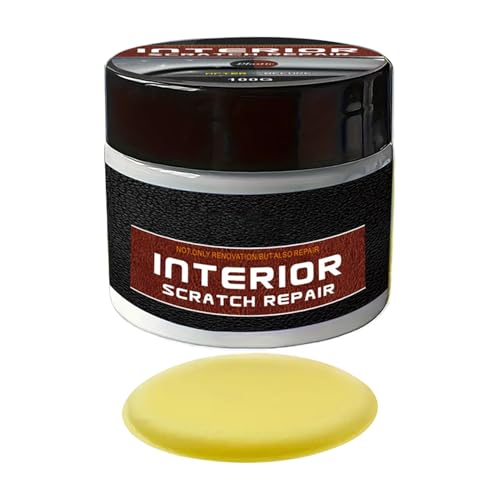
For light scuffs and swirls, a dedicated plastic polish is the most effective and safest method. These minor abrasions haven’t removed significant material; they’ve just marred the surface. Plastic polish [a liquid containing fine abrasives] works by gently leveling the polymer surface around the scratch, making the mark disappear and restoring clarity and shine. This technique works best on smooth or glossy hard plastics.
Here’s the deal: this is the easiest win when it comes to interior plastic repair. Follow these simple steps for a quick and satisfying fix.
- Prep the Surface: Ensure the area is perfectly clean and dry, following the steps in the previous section.
- Apply Polish: Place a pea-sized amount of plastic polish onto a clean microfiber applicator pad or cloth.
- Buff the Scuff: Using firm but gentle pressure, rub the polish into the scuff with small, overlapping circular motions. Continue this buffing action for 30-60 seconds. You are essentially using the fine abrasives in the polish to smooth the surface.
- Wipe and Inspect: Use a separate, clean microfiber towel to wipe away any polish residue. Inspect the area from different angles to see if the scuff is gone.
- Repeat if Necessary: For slightly more stubborn scuffs, a second or third application may be needed. Let the surface cool before repeating the process.
Pro Tip: Less is more. Using too much polish or applying excessive pressure won’t speed up the process and can sometimes create a dull area. Let the polish and the gentle rubbing motion do the work.
What Is The Difference Between Plastic Polish and Toothpaste?
While you may have heard that toothpaste can fix scratches, a dedicated plastic polish is a far superior and safer choice for your car. The key difference is that plastic polish contains engineered, diminishing abrasives designed specifically for polymer surfaces, while toothpaste has crude, inconsistent abrasives that can cause more harm than good.
Here’s a quick breakdown:
| Feature | Plastic Polish | Toothpaste (Non-Gel) |
|---|---|---|
| Abrasive Type | Engineered, Diminishing | Inconsistent, Crude |
| Effectiveness | High on light-moderate scuffs | Low, only on very faint marks |
| Risk of Haze | Very Low | Moderate to High |
| Cost | $10 – $20 | ~$2 |
| Verdict | Recommended for reliable results | Last resort, test carefully |
The bottom line? Plastic polish is formulated to break down into finer particles as you buff, creating a clear, smooth finish. Toothpaste’s abrasives (like silica) don’t break down and can easily create a pattern of fine new scratches, known as hazing, which can look worse than the original scuff.
How Do You Use a Heat Gun to Remove Scratches from Textured Plastic?
To remove scratches from textured plastic, you carefully apply low, indirect heat with a heat gun to gently melt the surface-level polymer, allowing the scratch to flow in and disappear. This heat gun method is highly effective on common automotive materials like polypropylene trim, which is often used for door panels, dashboards, and lower trim pieces. The texture helps hide any minor imperfections from the repair.
However, this method carries a significant risk of permanent damage if done incorrectly. It is an intermediate-level technique that requires patience and control.
⚠️ SAFETY WARNING: RISK OF PERMANENT DAMAGE
Using a heat gun requires extreme care. Too much heat will melt, warp, or create a permanent shiny spot on your plastic trim. Always start on the lowest heat setting and test on a hidden area first. Never use a propane torch or open flame, as they are uncontrollable and will instantly damage the plastic. Work in a well-ventilated area.
Follow these steps precisely for a safe and effective repair:
- Set Your Heat Gun: Begin with your heat gun on its absolute lowest setting. A good starting point is around 200–300°F (93–149°C).
- Position the Gun: Hold the heat gun nozzle 5 to 7 inches away from the plastic surface. Never let the nozzle touch the plastic.
- Apply Heat in Sweeping Motions: Turn the gun on and move it in a slow, constant sweeping motion over the scratch and the surrounding area. Do not hold it still in one spot for even a second.
- Watch for a Change: Observe the plastic surface closely. As it heats up, you will see the scratch begin to fade. The plastic may darken slightly or gain a very light sheen. This is the sign that the thermoplastic is becoming malleable.
- Remove Heat Immediately: The moment you see the scratch “melt” away or the surface change texture, pull the heat gun away immediately. The process happens quickly.
- Let it Cool: Allow the area to cool down completely for at least 20 minutes without touching it. As it cools, the repair will set, and the scratch should be gone or significantly less visible.
How Do You Repair Deep Scratches in Hard Car Plastic?
To repair deep scratches and gouges that your fingernail catches on, you must use a structural plastic filler, sand it smooth, and re-texture the surface to match. This is an advanced repair that mimics the process used in professional body shops. Heat or polish alone cannot fix a deep gouge because physical material has been removed from the panel. This method adds new material back.
This process is best for hard, non-flexible plastics, such as those found on A-pillars, some center consoles, and cargo area trim.
Step 1: Apply Plastic Filler
After cleaning and masking the area, use a flexible putty knife to press a structural plastic filler compound firmly into the deep scratch. The goal is to overfill the scratch slightly, with the filler sitting just proud of the surface. Follow the product’s instructions for curing time, which is typically 20-30 minutes.
Step 2: Sand the Filler Smooth
This is the most critical step for a seamless repair. Begin with 1500-grit wet/dry sandpaper. Dip the sandpaper in water and sand the cured filler with light pressure until it is perfectly flush with the surrounding plastic. Progress to 2000-grit, and then 3000-grit sandpaper, to remove the sanding marks from the previous grit. Wiping the area dry frequently helps you check your progress.
Step 3: Restore the Surface Texture
If you are working on a textured plastic, the sanded filler will be smooth and noticeable. To fix this, you can use a grain replication pad from a car interior plastic repair kit. Gently heat the repair area and the grain pad, then press the pad firmly onto the repair for 30-60 seconds. This imprints the texture from the pad onto the softened filler.
Step 4: Polish and Protect the Repair
For a final blend, you can lightly polish the repaired area and the surrounding plastic to even out the sheen. To complete the job, apply a quality interior trim restorer or protective sealant over the entire panel. This will hide any minor imperfections and protect your hard work.
What Is the Best Way to Fix Scratches on Gloss Black (Piano Black) Trim?
The best way to fix scratches on gloss black (piano black) trim is with a multi-step polishing process using a cutting compound followed by a finishing polish. This type of plastic, common in modern cars from brands like Tesla and Mazda, often has a very soft clear coat, similar to exterior paint. It is extremely sensitive and scratches easily.
🚫 CRITICAL: DO NOT USE HEAT ON GLOSS PLASTIC!
Applying a heat gun to gloss or piano black trim will instantly melt the surface, creating a permanent cloudy or orange-peel texture. This type of plastic must only be repaired through polishing. Using a Magic Eraser is also not recommended as it will dull the finish.
Follow this two-stage process for professional, swirl-free results:
- Stage 1: Cut with Compound: After cleaning the area, apply a small amount of an automotive cutting compound to a clean microfiber applicator. Work the compound into the scratch with moderate pressure in straight, overlapping lines. This will remove the scratch but may leave a very light haze. Wipe all residue away with a separate clean towel.
- Stage 2: Finish with Polish: Using a new, clean applicator, apply a small amount of a fine finishing polish. Work the polish into the hazy area with light pressure in straight lines. This step removes the haze from the compound and restores the deep, mirror-like gloss. Buff the area with a final clean microfiber towel to a brilliant shine.
How Can You Prevent Future Scratches on Your Car’s Interior Plastic?
To prevent future scratches, regularly apply a quality interior protectant or ceramic coating, be mindful of placing hard objects on plastic surfaces, and use soft tools for cleaning. After you’ve invested the time to restore your car’s plastic, a few simple habits can keep it looking new and prevent you from having to do the job all over again.
Here are the most effective prevention strategies:
- Apply a Protective Sealant: The best defense is a good offense. Applying a quality, non-greasy interior dressing or a dedicated plastic ceramic coating creates a sacrificial barrier. This layer takes the abuse from light contact, protecting the plastic underneath. Reapply every 3-6 months.
- Be Mindful of Hard Objects: The most common causes of interior scratches are keys, phones, bags, and water bottles being tossed onto the center console or passenger seat. Designate a specific, non-plastic spot for these items.
- Use Soft Cleaning Tools: When dusting or cleaning your interior, always use soft-bristled detailing brushes and clean, high-quality microfiber towels. A gritty towel can drag abrasive dust particles across the surface, creating thousands of micro-scratches.
- Protect High-Traffic Areas: For areas like door sills and kick panels, consider applying a clear protective film. This is a common solution for preventing scuffs from shoes.
- Careful with Cargo: When loading items into your trunk or cargo area, be careful not to drag them against the plastic side panels.
Adopting these habits not only protects your repair but also significantly contributes to maintaining your vehicle’s overall condition and resale value.
FAQs About how to remove scratches from plastic car interior
Can Magic Eraser remove scuffs from car plastic?
It is not recommended to use a Magic Eraser on most car interior plastics. A Magic Eraser is a fine abrasive (melamine foam) that can permanently dull the finish of gloss or soft-touch plastics, creating a larger, hazy patch. While it might seem to work on some hard, textured plastics, it is an aggressive method with a high risk of causing irreversible damage.
Does Vaseline or WD-40 hide car plastic scratches?
Yes, but this is a temporary illusion, not a repair. Oily substances like Vaseline and WD-40 fill in and darken very light scuffs, making them less visible for a short time. However, they do not remove the scratch. The effect wears off in days and attracts dust, which can make the interior look dirtier.
How do you fix white stress marks on car plastic?
White stress marks can often be fixed with a heat gun. These marks are caused when the plastic is bent or impacted, changing its internal structure. Gently applying low heat with a heat gun, using the same safe technique for scratches, can often cause the polymer to relax and return to its original color. Always proceed with extreme caution.
What is the best car plastic scratch remover product?
The best product depends on the scratch and plastic type. For light scuffs on clear or gloss plastic, a polish like Meguiar’s PlastX is highly effective. For restoring faded textured trim and hiding minor scratches, a dedicated trim restorer like Cerakote Ceramic Trim Coat is a superior choice. For deep gouges, a 2-part structural plastic filler is required.
Can you fix scratches on a clear plastic speedometer cover?
Yes, this can be done very carefully with a dedicated polish. Use a high-quality polish designed for clear plastics and a soft microfiber applicator. Work with light pressure in straight lines, not circles, to avoid creating new swirls. Mask off the surrounding dashboard to prevent the polish from spreading.
How do you remove fingernail scratches from car door handles?
Fingernail scratches are typically light surface scuffs that can be easily polished out. Use a small amount of plastic polish on a microfiber cloth and rub the area in and around the door handle recess. Because this is a high-contact area, be sure to apply a protective interior sealant after the repair to prevent the scratches from quickly returning.
Why did my car plastic turn white or shiny after using a heat gun?
This indicates that too much heat was applied, and the damage is likely permanent. A shiny spot means the textured grain has melted flat. A white, chalky appearance means the plastic’s polymers and UV protectors have been burned away. This highlights why it is critical to always use the lowest heat setting and keep the gun moving.
Is it safe to use a torch on car interior plastic?
Absolutely not. Never use a torch or any open flame on your car’s interior. A torch provides intense, uncontrollable heat that will instantly melt, burn, and potentially ignite the plastic. It is a significant fire hazard that will cause irreversible damage. Only a variable-temperature heat gun should ever be considered for this task.
How do you restore faded black or grey plastic trim?
For faded trim, a dedicated trim restorer is the best solution. Fading is often caused by UV damage, not scratches. Trim restorers contain a blend of oils, dyes, and UV blockers that re-hydrate the plastic and restore its deep color while protecting it from future sun damage. This is more effective than simply heating the surface.
How long does a plastic scratch repair last?
The longevity depends entirely on the method used. A repair made with polish or a heat gun is permanent because it physically alters the plastic surface. A filler repair is also permanent if done correctly. However, if a scratch is only hidden with a dressing or an oily product like Vaseline, the effect will only last from a few weeks to a few months.
Key Takeaways: Removing Scratches From Plastic Car Interior Summary
- Match the Method to the Plastic: The most critical step is identifying your plastic type. Use a heat gun for textured plastic, polishing compounds for gloss (piano black) plastic, and never confuse the two.
- Safety First with Heat: When using a heat gun, always start on the lowest setting (200-300°F) and keep it 5-7 inches away, constantly moving. Applying too much heat will cause permanent melting or shiny spots.
- Light Scuffs vs. Deep Gouges: Light scuffs can be buffed out with a quality plastic polish. Deep scratches that your fingernail can catch require a more advanced repair involving plastic filler and wet-sanding.
- Gloss Black is Different: Treat piano black trim like car paint. It has a soft clear coat that must be polished with a compound, not heated. Using heat will instantly ruin the finish.
- Preparation is Not Optional: Always thoroughly clean the plastic with isopropyl alcohol and a microfiber towel before any repair. This removes oils and silicones that can cause the repair to fail.
- Home Remedies are a Last Resort: While things like toothpaste or Vaseline can have a minor, temporary effect, they are not a permanent fix. For reliable, long-lasting results, use products specifically designed for automotive plastic repair.
- Prevention is the Best Cure: After your repair, apply a quality interior protectant with UV blockers. This creates a sacrificial layer that helps prevent new scratches and keeps your interior looking new.
Final Thoughts on Restoring Your Car’s Interior
Restoring the plastic trim in your car’s interior is more than just a cosmetic fix; it’s about taking pride in your vehicle and preserving its value. Those frustrating scratches don’t have to be permanent. By correctly identifying your plastic type and patiently applying the right technique—whether it’s polishing, heating, or filling—you can achieve professional-quality results right in your own driveway.
The key is to work methodically, always test in a hidden area, and prioritize safety, especially when working with heat. Now that you have a clear roadmap, you can confidently tackle those unsightly marks and enjoy the satisfaction of a clean, restored interior. The next step is to choose your method, gather your tools, and bring that plastic back to life.
Last update on 2026-03-02 / Affiliate links / Images from Amazon Product Advertising API


