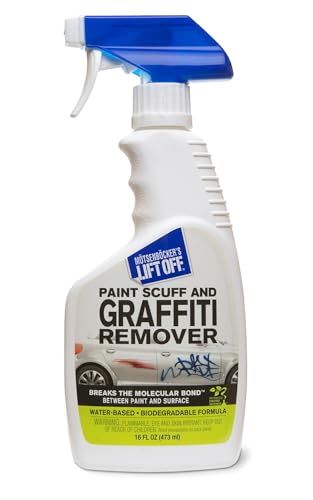
Struggling with sticky tree pitch on your car paint? You’re right to be worried about scratches and permanent damage. That stubborn, resinous substance is more than just an annoyance; it’s a direct threat to your vehicle’s finish.
Tree pitch, a resinous substance from trees, must be removed from car paint quickly because its acidic, resinous composition can etch into the clear coat, causing permanent staining and surface damage. Leaving sap to harden in the sun accelerates this process, increasing the risk of costly paint correction.
Based on professional car care standards, this guide provides tested methods for safe removal. It avoids common mistakes that lead to swirl marks and clear coat failure. You’ll discover the exact step-by-step process to dissolve and lift pitch without harming your automotive finish.
Key Facts
- Urgency is Key: Tree sap is acidic and can begin to etch into a car’s clear coat, causing permanent damage in as little as 48 hours, especially in direct sunlight.
- Chemicals Over Muscle: The safest removal method relies on a solvent to dissolve the pitch’s bond with the paint. Scrubbing or scraping a bonded contaminant almost always leads to scratches.
- DIY Solutions Work: For fresh pitch, 70% isopropyl alcohol (rubbing alcohol) is a highly effective and inexpensive solvent that is safe for most automotive finishes when used correctly.
- Prevention is Protection: A quality layer of car wax or a polymer sealant creates a protective, hydrophobic barrier. This makes it significantly harder for sap to bond to the paint and much easier to remove.
- Avoid Harsh Solvents: Aggressive chemicals like nail polish remover (acetone) or general-purpose Goo Gone can soften, dull, or even strip your car’s clear coat and should never be used on paint.
How to Remove Pitch From Car Paint Safely and Effectively
Tree pitch, a resinous substance from trees, can chemically bond with and etch into your car’s clear coat if not removed promptly. This sticky residue isn’t just a cosmetic issue. Its acidic nature, especially from pine trees, begins a chemical reaction that eats into the protective top layer of your paint. If left untreated, this process causes permanent paint damage, visible as a dull spot, stain, or a cloudy finish that requires costly paint correction to fix. Untreated sap can cause permanent damage in as little as 48 hours.

The challenge of removing pitch is similar to dealing with other bonded contaminants like bird dropping removal or removing road tar. The key is using a chemical process to dissolve the bond rather than a physical one, which can cause scratches. Understanding this “why” is the first step toward a safe and effective “how.”
The Primary Risk of Tree Pitch: The greatest danger is allowing the pitch to harden and bake onto the surface in the sun. This accelerates the etching process and makes the resin significantly more difficult to remove, increasing the likelihood that you might damage the paint out of frustration.
What Is The Safest Step-by-Step Method to Remove Tree Pitch?
The safest method to remove tree pitch involves washing the area, testing a solvent like isopropyl alcohol on an inconspicuous spot, applying it to a microfiber towel, letting it dwell on the sap for 30-60 seconds to dissolve it, gently wiping away the residue, and then neutralizing the area with a detailing spray. This process relies on chemical action, not aggressive scrubbing, to protect your automotive finish.
Step 1: How Do You Prepare the Area for Pitch Removal?
Begin by thoroughly washing and drying the affected area to avoid scratching the paint with surface grit during removal. Trying to remove sap from a dirty car is like rubbing sandpaper on your paint. Any existing dirt, dust, or road grime can be dragged across the finish by your towel, causing fine scratches and swirl marks.
- Use a two-bucket wash method with a quality car wash soap and a clean microfiber wash mitt.
- Gently wash the panel where the pitch is located, rinsing thoroughly.
- Dry the area completely with a separate, clean microfiber towel.
Step 2: How Do You Choose and Test Your Removal Agent?
Select a suitable removal agent and always test it on a hidden spot to ensure it doesn’t harm your car’s specific paint or clear coat. A 70% concentration of isopropyl alcohol (IPA) is a highly effective solvent for tree resin and is the best place to start. For more stubborn, baked-on sap, a dedicated commercial bug and tar remover may be necessary.
SAFETY FIRST: Test Your Solvent
Before applying any chemical to a visible area, always test it on an inconspicuous spot (like an inner doorjamb or lower rocker panel). Apply a small amount with a microfiber towel, wait 30-60 seconds, wipe it off, and inspect for any paint discoloration, swelling, or dulling. This single step can prevent costly damage.
Step 3: How Do You Apply the Agent and Remove the Pitch?
To remove the pitch, apply the solvent with a microfiber towel and allow it to dwell on the spot, chemically dissolving the resin before you wipe. The principle is to let the chemical do the work, not your elbow grease. Never apply solvents directly to the paint, as this can cause them to run and affect unintended areas.
- Apply: Lightly saturate a clean section of a microfiber towel with your chosen remover (e.g., 70% IPA).
- Dwell: Gently place and hold the saturated portion of the towel directly on top of the tree pitch. Let it sit for 30-60 seconds. You should see the sap soften and change consistency, from a hard bead to a gooey gel.
- Wipe: Gently dab or wipe inwards toward the center of the spot to lift the softened residue. Do not scrub back and forth. As the sap lifts, the chemical has done its job.
Pro Tip: As the sap lifts, fold your towel to a clean section for each wipe. This prevents you from reapplying the sticky residue to the paint.
How Do DIY Home Remedies and Commercial Removers Compare?
When deciding how to remove pitch from car paint, you have two main options: common household items (DIY) or specialized commercial products. Isopropyl alcohol is an effective DIY choice for fresh sap, but commercial removers are specifically formulated with added lubricants that make them safer and more effective for stubborn, baked-on sap. The best choice depends on the severity of the pitch and your comfort level.
Here’s a direct comparison to help you decide:
| Feature | DIY Removers (e.g., 70% IPA) | Commercial Sap Removers |
|---|---|---|
| Primary Use | Fresh, non-hardened pitch | Stubborn sap, baked on sap, old tree sap |
| Effectiveness | Good | Excellent |
| Safety | Good, but can strip wax | Excellent (often contains lubricants that prevent scratching) |
| Cost | Very Low | Low to Moderate |
| Best For | Quick clean-ups, small spots | Difficult jobs, protecting ceramic coating & waxes |
Our recommendation is to start with 70% isopropyl alcohol for any fresh sap spots. If the pitch has hardened or been on the car for several days, investing in a quality commercial bug and tar remover is the safest and most effective choice. These products are engineered to dissolve contaminants without stripping your car wax or damaging the clear coat.

How Do You Tackle Hardened, Baked-On Tree Pitch?
To remove hardened tree pitch, apply a commercial sap remover, allow it to dwell for several minutes to soften the resin, and gently wipe. If residue remains, you can carefully introduce gentle heat with a hairdryer to further soften the sap before reapplying the remover. For any remaining bonded contaminants, a clay bar is the final step. This escalating approach moves from the least to most aggressive method safely.
1. Start with a Commercial Remover
For baked-on sap, a DIY solution like alcohol may not be strong enough. A dedicated bug and tar remover contains stronger petroleum distillates designed to break down cross-linked, hardened resin. Apply it to a microfiber towel and let it dwell on the spot for 2-3 minutes before attempting to wipe.
2. Introduce Gentle Heat (With Caution)
If the chemical remover alone isn’t working, gentle heat can help soften the hardened pitch. Think of it like softening cold butter, not melting it.
- Set a hairdryer to its lowest heat setting.
- Keep it moving constantly, holding it 6-8 inches from the paint surface.
- Warm the area for 20-30 seconds. The surface should feel warm, not hot.
- Immediately reapply the chemical remover and let it dwell again. The heat will have made the resin more receptive to the solvent.
3. Use a Clay Bar for Embedded Residue
If a rough texture or residue remains after the bulk of the sap is gone, it means microscopic particles are embedded in the clear coat. This is where mechanical abrasion from a clay bar is needed. A clay bar is a tool like detailing putty that safely grabs and lifts contaminants stuck to the paint’s surface.
- Spray the area generously with a clay lubricant or a detailing spray.
- Gently glide a piece of detailing clay over the lubricated area with light pressure.
- You will feel the surface go from rough to perfectly smooth as the clay picks up the embedded resin.
- Wipe the area clean and apply a fresh coat of wax to protect the now-decontaminated surface.
FAQs About How to remove pitch from car paint
Is WD-40 safe for removing sap from car paint?
While WD-40 can dissolve tree sap, it is a petroleum-based product that can strip car wax and potentially degrade the clear coat over time. It’s better to use a dedicated automotive bug and tar remover or isopropyl alcohol, which are specifically designed to be safe for paint. If you must use WD-40, use it sparingly and immediately wash the area with car soap and reapply wax.
Will Goo Gone or nail polish remover damage my car paint?
Yes, both Goo Gone and nail polish remover (acetone) can severely damage your car’s clear coat and should be avoided. These are aggressive solvents not formulated for automotive finishes. They can soften, dull, or even strip the paint completely. Stick to products explicitly labeled as clear coat safe.
How do I remove sap from a car with a ceramic coating?
For ceramic-coated cars, always start with the gentlest method: a high-quality car wash soap and warm water. If that fails, use a pH-neutral, coating-safe bug and sap remover. Avoid aggressive solvents like high-concentration IPA, which can degrade the hydrophobic layer of the coating. Never use a clay bar unless recommended by your coating’s manufacturer, as the mechanical abrasion can impair the coating.
What’s the difference between removing sap from windows versus paint?
Glass is much more durable than paint, so you can use stronger methods on windows. A sharp, new razor blade held at a low angle can be used to scrape sap off glass, along with a glass cleaner for lubrication. You can also use 91% isopropyl alcohol or even acetone on glass without fear of etching, but be extremely careful not to let these chemicals drip onto the paint or plastic trim.
Can I use a pressure washer or hot water to remove tree sap?
Using a pressure washer is not recommended as it can force the sticky sap deeper into paint pores or even chip the paint if there are existing imperfections. While warm water can help soften fresh sap, boiling or extremely hot water can damage the clear coat and plastic trim. Lukewarm water combined with car soap is the safest approach.
What home remedies actually work for tree sap removal?
The most effective and safest home remedy is 70% isopropyl alcohol (rubbing alcohol). Hand sanitizer (which is mostly alcohol) also works well. Some people report success with cooking oil (like coconut or canola) on very fresh sap by letting it sit for 5 minutes to soften the resin, but this can be messy and is less effective than alcohol.
How do you remove the sap stain or “shadow” left behind?
If a dark stain or shadow remains after the sap is gone, it means the sap has started to etch the clear coat. The first step is to use a high-quality car polish on a microfiber applicator to gently abrade the surface and remove the stain. If that doesn’t work, you may need to use a dual-action polisher and a light paint correction compound.
Does car wax or sealant prevent sap from sticking?
Yes, a high-quality layer of car wax or a polymer sealant creates a protective, hydrophobic layer on your paint. This makes the surface slicker, which can prevent sap from bonding as strongly. While sap will still land on the car, it will be on top of the wax layer, making it significantly easier and safer to remove and protects the surface underneath.
Can I use a hair dryer to melt the sap off?
You can use a hairdryer on a low heat setting to gently softens the pitch, but you must be very careful. Keep the hairdryer moving and at least 6-8 inches from the surface to avoid overheating and damaging the paint. Gentle heat can make hardened resin more receptive to a chemical remover, but it will not melt it off completely.
What is the fastest way to remove tree sap?
The fastest method is using a dedicated commercial sap remover on fresh sap. These products are formulated to dissolve the resin almost instantly. For a DIY approach, 70% isopropyl alcohol applied with a microfiber towel is the quickest and most effective solution for sap that hasn’t hardened.
Final Thoughts
Removing tree pitch from your car paint is more than just a cleaning task; it’s a crucial part of vehicle maintenance that protects your investment and preserves its finish. By understanding the nature of this sticky, acidic substance, you can approach its removal with confidence and the right tools.
- Act Quickly: Tree pitch is acidic and can cause etching and permanent paint damage. The sooner you remove it, the less risk to your clear coat.
- Safety First, Always: Before using any solvent like isopropyl alcohol, always test it on a hidden test spot to ensure it’s safe for paint. This prevents costly mistakes.
- Dissolve, Don’t Scrub: The goal is to let a chemical solvent (bug and tar remover or IPA) do the work. Soak the sap for 30-60 seconds to dissolve it, then gently wipe or dab—never scrub.
- Choose the Right Tool: For fresh sap, 70% isopropyl alcohol is effective. For baked on sap, a commercial remover with added lubricants is the safest choice to prevent scratching.
- Escalate for Stubborn Sap: For hardened pitch, follow a process: 1) Commercial remover, 2) Gentle heat to soften, 3) Clay bar for any remaining embedded residue.
- Protect Your Paint: After removing sap, always wash the area and apply a layer of car wax or sealant. This restores the shine and creates a protective barrier against future contaminants.
- Avoid Harsh Chemicals: Never use nail polish remover, Goo Gone, or other aggressive household solvents on your car’s paint, as they can cause irreversible paint damage.
Ultimately, the best defense is a good offense. Keeping a consistent coat of car wax or sealant on your vehicle and trying to avoid parking directly under sappy trees are the best ways to minimize headaches. But when pitch inevitably finds its way onto your paint, you now have the expert-backed knowledge to handle it safely and effectively.
Last update on 2026-03-11 / Affiliate links / Images from Amazon Product Advertising API