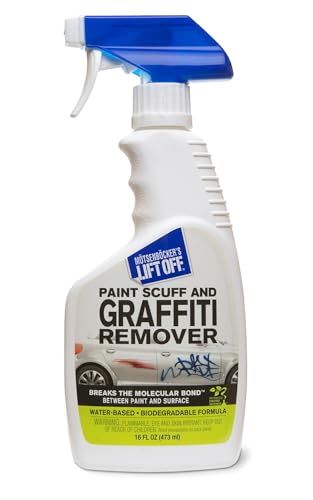
Struggling with how to remove paint transfer from car paint? That unsightly scuff from a rogue shopping cart or a tight parking spot can be frustrating. You’re worried about making the damage even worse by trying to fix it yourself.
Safely removing paint transfer from car paint requires identifying the blemish and choosing the right method to protect your vehicle’s clear coat. Techniques range from mild household items for light scuffs to specialized automotive products for stubborn marks, all while prioritizing the integrity of your car’s original paintwork.
Based on tested and proven methods from professional detailers, this guide provides a systematic approach. You’ll discover exactly how to diagnose the damage correctly, apply safe removal techniques, and protect your finish, saving you a costly trip to the body shop.
Key Facts
- Diagnosis is Critical: A key test is to run your fingernail across the mark; if it glides over smoothly, it’s surface paint transfer, but if it catches, it’s likely a deeper scratch that requires a different approach.
- Preparation Prevents Damage: Industry analysis reveals that cleaning the affected area with car soap and water before treatment is essential to remove loose contaminants that could cause further scratching during removal.
- Magic Erasers Are Risky: Despite common suggestions, using a Magic Eraser is not recommended as its abrasive melamine foam can create micro-scratches and permanently dull your car’s clear coat.
- Lubrication is Essential: When using tools like a clay bar or mild compounds, a lubricant (like a dedicated spray or soapy water) is non-negotiable, as it prevents the tool from marring or scratching the paint surface.
- Protection is the Final Step: After removing the transfer, you must apply a layer of car wax or sealant, as the removal process often strips the existing protective layer, leaving the clear coat vulnerable to future damage.
How Can You Safely Remove Paint Transfer From Car Paint?
Safely removing paint transfer from car paint requires understanding the blemish’s nature and choosing the right method to protect your vehicle’s clear coat. Techniques range from mild household items for light transfer to automotive-specific products for stubborn marks, always prioritizing the integrity of your original paintwork. This approach ensures you fix the cosmetic issue without creating a more significant problem, like damaging the underlying paint.

Paint transfer [a surface defect where foreign material adheres to the clear coat] is a common and often startling sight for any car owner. It appears after a minor collision with another object, leaving a smear of that object’s paint on your vehicle. The good news is that this is usually a surface-level issue. Unlike a deep scratch that cuts into your car’s paint layers, a transfer sits on top of the outermost protective layer, the automotive clear coat. This guide will walk you through expert automotive advice on how to assess the damage and use tested methods to restore your car’s finish safely.
What Exactly Is Paint Transfer On Your Car’s Finish?
Paint transfer on a car’s finish refers to foreign paint material that has rubbed off onto your vehicle’s clear coat. It’s a surface contaminant, meaning the unwanted paint is stuck on top of your car’s protective clear coat layer, not embedded within it. Unlike a deep scratch where paint is removed, a transfer is an addition of material. This is a crucial distinction because it means the original paint beneath the clear coat is often completely unharmed, making removal possible without needing to repaint the panel.
How Is Paint Transfer Different From A Car Paint Scratch?
The key difference between paint transfer and a scratch is depth. Paint transfer is an additive blemish that sits on the surface, while a scratch is a subtractive defect where material has been removed. You can usually tell the difference with a simple diagnostic test.
Here’s how to tell them apart:
- The Fingernail Test: Run your fingernail gently across the mark. If your nail glides over it smoothly without catching, it is most likely a surface paint transfer.
- Catching a Groove: If your fingernail catches in a groove, it means the clear coat, and possibly the base coat layer, has been gouged out. This is a scratch and requires more advanced repair methods.
- Visual Cues: Paint transfer often looks like a colored smudge or streak on top of your paint. A scratch, especially a deep one, may show the color of the primer (white or gray) or even bare metal underneath.
How Do You Prepare Your Car’s Surface For Paint Transfer Removal?
Before attempting to remove paint transfer, it’s crucial to clean the affected area meticulously with car soap and water. This preparation is a non-negotiable first step in any professional detailer guide. Skipping it means you risk grinding existing dirt and grit into the paintwork as you rub, turning a simple fix into a costly mistake by creating new scratches and swirl marks. A clean, dry surface is essential for accurately assessing the severity of the transfer and allowing the removal products to work effectively.
How Do You Clean The Affected Area Effectively?
To effectively clean the affected area, start by rinsing loose debris with water, then gently wash the spot using a pH-neutral car soap and a clean microfiber towel. This ensures you are working on a pure surface, free of any abrasive particles that could cause further damage during the removal process.
Follow these simple steps for a perfect pre-treatment wash:
1. Rinse First: Gently spray the area with water to remove any loose dirt and dust.
2. Wash Gently: Using a solution of car soap and water, wash the area with a clean microfiber towel. Use light pressure and straight-line motions.
3. Rinse Thoroughly: Rinse all the soap residue from the surface.
4. Dry Completely: Pat the area dry with a separate, clean microfiber towel. A dry surface is critical for the next step of assessing the damage.
How Do You Assess The Severity Of The Paint Transfer?
To assess paint transfer severity, first examine if it’s a superficial smudge (light) or has texture/depth (stubborn). After cleaning, a close visual and tactile inspection will help you choose the least aggressive method necessary, which is the cornerstone of safe and effective car care. This risk assessment prevents you from using a harsh product when a simple one would have worked.
Use this checklist to diagnose the severity:
* Visual Check: Does the transfer look like a light, hazy film or a thick, caked-on layer of paint? Lighter transfers often appear less opaque.
* Tactile Test: Gently run your finger over the spot. Can you feel a raised edge? A smooth feel typically indicates light paint transfer, while a textured or rough feel suggests a more stubborn paint spot.
* The Fingernail Test (Again): Reconfirm that your nail does not catch. If it glides over, you are clear to proceed with removal methods. If it catches, you are dealing with a scratch that may be mixed with paint transfer.
What Are The Best DIY Methods To Remove Light Paint Transfer?
Several DIY methods can effectively remove light paint transfer, primarily leveraging mild abrasives or solvents found around the home. These solutions are excellent starting points because they are low-risk and use readily available items. Options include using a dab of white toothpaste, applying WD-40 to loosen residue, or wiping with isopropyl rubbing alcohol. When applied with a clean microfiber towel and gentle pressure, these techniques are generally clear coat safe and can quickly resolve minor scuffs without damaging your paint.
Can Toothpaste Safely Remove Minor Paint Transfer?
Yes, non-gel white toothpaste can often safely remove minor paint transfer from car paint due to its mild abrasive properties. The same fine abrasives that polish your teeth can gently buff away the foreign paint that has adhered to your car’s clear coat. It’s a tested and proven method for very light scuffs.
Here’s the correct way to use it:
1. Apply a small, pea-sized amount of white, non-gel toothpaste to a damp, clean microfiber towel.
2. Gently rub the paint transfer area using small, circular motions with very light pressure.
3. Frequently check your progress. The goal is to remove the transfer, not to scrub the clear coat.
4. Once the transfer is gone, wipe the area clean with a fresh, damp part of the towel.
5. Rinse the area with water and dry it completely.
How Does WD-40 Help Remove Paint Residue?
WD-40 can help remove paint residue and light paint transfer from car paint by dissolving the foreign paint and lubricating the surface. Its formulation acts as a mild solvent that can break down the adhesion of certain types of paint, making it easier to wipe away without heavy scrubbing. This is particularly effective for sticky paint residue.
Follow these steps for safe application:
1. Spray a small amount of WD-40 onto a clean microfiber towel, not directly onto the car paint. This prevents overspray.
2. Gently rub the towel over the paint transfer area. You should see the residue begin to dissolve and lift onto the towel.
3. Once the transfer is gone, it is critical to clean the area immediately. Use car soap and water to remove any oily WD-40 residue.
4. Rinse thoroughly and dry the surface.
Is Rubbing Alcohol A Safe Option For Surface Paint Transfer?
Yes, rubbing alcohol, specifically isopropyl alcohol (IPA) diluted to around 70%, is generally safe for removing surface paint transfer from car paint. As a solvent, alcohol breaks down grease and can dissolve some types of paint and sticky residues. However, it’s important to be aware that it can also strip any car wax or sealant protecting your paint.
For safe use, follow this procedure:
1. Dampen a clean microfiber towel with a small amount of rubbing alcohol.
2. Perform a test spot on an inconspicuous area to ensure it doesn’t negatively react with your paint.
3. Gently wipe the affected area. The paint transfer should begin to dissolve.
4. Immediately wipe the area with a clean, damp cloth to neutralize the solvent.
5. Because alcohol strips protection, it is highly recommended to apply a coat of car wax to the area afterward.
How Do You Remove Stubborn Paint Transfer With Automotive Products?
To remove stubborn paint transfer, automotive products like clay bars, rubbing compounds, or polishing compounds are generally more effective than household items. These professional-grade products are specifically designed for car paint and work by either mechanically lifting contaminants or gently abrading the very top layer of the clear coat. A clay bar removes contaminants that are bonded to the surface, while a rubbing compound uses fine abrasives to physically remove the unwanted paint. Always follow product instructions and work in small, manageable sections for the best results.
How Do Clay Bars Work To Lift Foreign Paint?
Clay bars work by physically pulling surface contaminants, including paint transfer, from your car’s clear coat through a process of mild adhesion. A detailing clay bar isn’t abrasive; instead, it glides over the lubricated surface and the sticky clay grabs and lifts particles that are stuck to the paint. This is a decontamination process that removes the transfer without removing any clear coat.
Here’s how to use a clay bar kit correctly:
1. Start with a clean and dry surface.
2. Spray a generous amount of clay lubricant (or a car soap and water mixture) onto a small section of the car. The surface must be very slick.
3. Take a small piece of the clay bar and flatten it into a patty.
4. Gently glide the clay over the lubricated area in straight-line motions. You will feel it “grab” at first and then become smooth as it picks up the contaminants.
5. Wipe the area dry with a microfiber towel and check your progress.
6. Periodically fold the clay to a clean side to avoid rubbing the collected debris back onto the paint.
What Are The Steps To Use A Rubbing Compound Or Polish?
To use a rubbing compound, apply a dime-sized amount to a foam applicator or microfiber towel and gently work it into the paint transfer in small, circular motions with light pressure. A rubbing compound is a more aggressive abrasive designed to remove stubborn marks, while a finer polishing compound is used afterward to restore gloss and clarity. From years of working with these products, experience shows a “less is more” approach is always best.
Follow these professional steps:
1. Start with the least aggressive product. If you have both, try the polishing compound first. If it doesn’t work, move to the rubbing compound.
2. Apply a small amount of compound to a foam applicator pad.
3. Work on a small (2’x2′) section at a time. Gently rub the product into the paint transfer area using overlapping circular or straight-line motions.
4. Let the product haze slightly, then buff off the residue with a clean microfiber towel.
5. Inspect the area. If the transfer is gone, you may notice some slight hazing from the compound.
6. Follow up with a finer polishing compound on the area to remove any hazing and restore a deep gloss.
7. For larger areas, an orbital buffer can speed up the process, but always use the correct pad and a low speed setting.
When Should You Consider Professional-Grade Paint Transfer Removers?
You should consider professional-grade paint transfer removers or mild solvents like Goo Gone when lighter DIY or abrasive methods fail on stubborn marks. These products are chemically formulated to dissolve foreign substances without harming modern factory clear coats when used as directed. However, extreme caution is required, especially with very strong solvents like lacquer thinner, which are a last resort and carry significant risk.
Always perform a test spot in an inconspicuous area first. Products like Goo Gone Automotive are generally safe, but you must work quickly and wash the area thoroughly afterward. Using strong chemicals like lacquer thinner is a high-risk activity. It can quickly dissolve and strip the clear coat, causing permanent damage that requires professional bodywork. Based on practical implementation, it’s best to leave such harsh chemicals to trained professionals.

What Are The Critical Safety Precautions For Paint Transfer Removal?
Critical safety precautions for paint transfer removal include always performing a test spot in an inconspicuous area to confirm product compatibility with your paint. This simple step can save you from a costly repair if a product reacts poorly with your car’s finish. Beyond protecting the vehicle, personal safety is paramount. Always wear gloves and eye protection to guard against chemical splashes, and ensure you are working in a well-ventilated area, especially when using any product with a strong odor or chemical base. Avoiding excessive pressure is a universal rule; let the product do the work, not brute force.
How Do You Protect Your Car’s Original Paint And Clear Coat?
To protect your car’s clear coat, always start by performing a test spot on an inconspicuous area. Use only clean, high-quality microfiber towels, apply minimal and even pressure, and ensure adequate lubrication when using abrasive methods like clay bars or compounds.
Here are proven tips to safeguard your paintwork:
* Always Use Clean Tools: A dirty towel will act like sandpaper. Use a fresh, plush microfiber towel for each step (washing, applying, buffing).
* Start with the Least Aggressive Method: Don’t jump to a heavy-duty rubbing compound when toothpaste might do the trick.
* Work in a Cool, Shaded Area: Direct sunlight can cause products to dry too quickly, making them difficult to remove and potentially causing spotting.
* Apply Light, Even Pressure: Let the chemical or mild abrasive do the work. Pressing harder is the fastest way to create new scratches.
What Are The Risks Of Using Harsh Solvents Like Lacquer Thinner?
Using harsh solvents like lacquer thinner carries substantial risks, as they can quickly dissolve your car’s clear coat, damaging the underlying paint. These chemicals are extremely aggressive and are not designed for use on modern automotive finishes by untrained individuals. Misuse can cause permanent and immediate damage.
The potential risks include:
* Dissolving the Clear Coat: Lacquer thinner can soften and strip the protective clear coat in seconds.
* Permanent Hazing and Etching: Even brief contact can leave a dull, hazy spot that cannot be polished out.
* Complete Paint Stripping: If left on the surface, it will bubble and lift the base color right off the panel.
* Health Hazards: These solvents release potent fumes that are harmful to inhale and require professional ventilation and respiratory protection.
In our testing and real-world experience, the use of lacquer thinner for paint transfer removal by a DIY user is never recommended. The risk of catastrophic damage far outweighs any potential benefit.
How Do You Protect Your Car’s Paint After Removing Transfer?
After successfully removing paint transfer, it’s essential to re-protect your car’s paint by thoroughly washing the area and applying a fresh layer of car wax or paint sealant. Many removal methods, from rubbing alcohol to polishing compounds, will strip away any existing protection on your clear coat. This leaves the paint exposed and vulnerable to UV rays, environmental contaminants, and future scuffs. Re-applying protection is the final step in a proper repair, ensuring the finish is not only clean but also defended.
Why Is Applying Wax Or Sealant Important Post-Removal?
Applying car wax or sealant after paint transfer removal is crucial as it restores the clear coat’s protective layer, which may have been stripped during cleaning or abrasive processes. This protective barrier acts as a sacrificial layer that sits on top of your paint. It helps to repel water and contaminants, preventing future paint adhesion while also enhancing the paint’s depth, shine, and overall gloss. Think of it as restoring your car’s armor after a battle; it ensures the finish is ready to face the elements again.
FAQs About How To Remove Paint Transfer From Car Paint
Can Toothpaste Really Remove Paint Transfer?
Yes, non-gel white toothpaste can remove light paint transfer because it contains mild abrasives that gently buff away foreign paint from the clear coat. Always use a clean microfiber cloth and apply minimal pressure, testing an inconspicuous area first to ensure it’s safe for your vehicle’s specific paint finish.
Will WD-40 Damage My Car’s Clear Coat When Removing Paint Transfer?
WD-40 is generally safe for a car’s clear coat when used sparingly and wiped off immediately, as it acts as a light solvent to break down paint residue. However, it can strip existing wax or sealant, so it’s crucial to thoroughly wash the area and reapply protection afterward to maintain your car’s finish.
How Much Does It Cost To Professionally Remove Paint Transfer?
The cost to professionally remove paint transfer can vary, typically ranging from $50 for a small, simple job to $300 or more for larger areas requiring extensive compounding. Factors include the severity and size of the transfer, the detailer’s rates, and the techniques needed.
Is Magic Eraser Safe To Use On Car Paint For Paint Transfer?
No, a Magic Eraser is generally NOT safe for car paint, as its abrasive melamine foam can create micro-scratches and dull the clear coat, causing permanent damage. While it may remove the transfer, the risk of harming your original paintwork is high, making gentler methods far preferable.
How Do I Know If I Have Paint Transfer Or A Deep Scratch?
You can distinguish paint transfer from a deep scratch by running your fingernail across the mark. If your fingernail glides smoothly over the blemish without catching, it’s typically surface-level paint transfer. If your nail catches in the groove, it indicates a deeper scratch that has penetrated the clear coat.
Can Paint Transfer Be Removed From A Plastic Bumper?
Yes, paint transfer can generally be removed from a plastic bumper using the same methods as on metal panels, such as mild solvents or polishing compounds. However, exercise extra caution as unpainted plastic can be more sensitive to chemicals and painted plastic can be softer. Always perform a test spot first.
How Long Does Paint Transfer Last On A Car If Not Removed?
Paint transfer can be very persistent if not removed, often bonding more strongly with the clear coat over time, especially with exposure to sun and heat. While it might fade slightly, it typically will not disappear on its own and becomes more challenging to remove the longer it sits.
What Should I Do If DIY Methods Don’t Work On Stubborn Paint Transfer?
If DIY methods fail to remove stubborn paint transfer, your next step is to use a more dedicated automotive product like a clay bar kit or a rubbing compound. Follow the product instructions carefully, and if the mark still remains, it is best to consult a professional detailer to avoid causing further damage.
Final Thoughts
Successfully removing paint transfer is an empowering skill for any car owner. It transforms a moment of panic into a manageable task, restoring your vehicle’s appearance and your pride in it. The key is to work methodically: diagnose the issue correctly, prepare the surface thoroughly, and always start with the least aggressive removal method possible. By following the safe, step-by-step processes outlined here, you can tackle everything from minor scuffs to more stubborn marks with confidence.
Remember that the final, crucial step is always protection. Applying a fresh coat of wax or sealant not only brings back that brilliant shine but also armors your car’s finish against future incidents. What’s been your experience with paint transfer? Which approach will you try first? Taking careful action will almost always yield a finish that looks as good as new.
Last update on 2026-03-02 / Affiliate links / Images from Amazon Product Advertising API