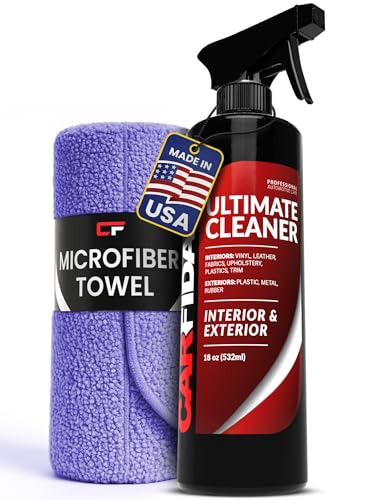
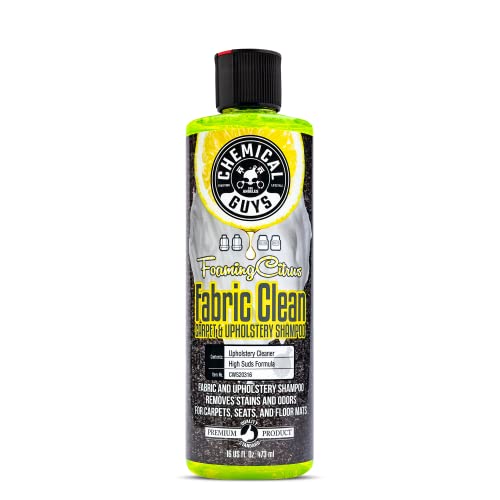
Dealing with a paint spill on your car upholstery? That sinking feeling is real, but a quick and correct response is your best defense against a permanent stain.
The key to removing paint from a car seat is to act fast, identify the paint type, and use the correct removal method for the fabric. For wet, water-based paint, gently blot the excess and clean with soapy water. For oil-based paint, a solvent like rubbing alcohol or paint thinner is required after blotting. Always test any cleaning solution on a hidden area first to prevent discoloration.
Based on an analysis of current industry cleaning guides and detailing best practices, this guide provides a systematic, step-by-step approach. You’ll discover exactly how to diagnose the spill and apply the right technique. This process prevents costly mistakes and permanent damage to your car’s interior.
Key Facts
- Blotting vs. Rubbing: Always blot a wet paint stain to lift it; rubbing grinds the pigment into the fabric fibers, making it significantly harder to remove, according to detailing best practices.
- Paint Identification is Crucial: The success of the removal process depends almost entirely on correctly identifying the paint as either water-based or oil-based, as this determines the necessary cleaning agent.
- Solvent Safety: Chemical solvents like paint thinner can damage upholstery foam and plastics if used incorrectly. Industry safety guides recommend testing on a hidden spot and ensuring maximum ventilation.
- Heat is a Tool for Dried Paint: For hardened paint, professional detailers often use a steam cleaner or hairdryer to soften the paint’s polymer, making it easier to scrape away without damaging the fabric.
- Fabric Type Matters: The cleaning method must be compatible with the upholstery material (cloth, velvet, synthetic). Aggressive solvents that work on durable cloth can ruin delicate or synthetic fabrics.
How To Remove Paint From Car Upholstery: A Step-By-Step Guide
The first thing to do when you find a paint spill in your car is to take a deep breath and resist the urge to scrub frantically. We know this is stressful, but acting correctly in the first five minutes is crucial. The correct removal method depends entirely on whether the paint is water-based (like latex or acrylic) or oil-based, and whether it is wet or dry.

Before you touch the stain, you must assess the situation. This crucial pause prevents you from applying the wrong, potentially damaging solution. First, identify the paint type by checking the can if possible. Then, take note of your upholstery material—most are durable cloth, but some synthetics can be sensitive to chemicals. This foundational knowledge is critical before moving to the next sections.
CRITICAL FIRST STEP: Blot, Don’t Rub
If the paint is wet, your immediate goal is to remove as much excess as possible without spreading it.
* Take a clean, dry cloth or paper towel.
* Gently press it onto the wet paint spill.
* Lift straight up.
* Repeat with a fresh section of the cloth until no more paint is being lifted.
* Never, ever rub or wipe the stain. This is the most common mistake and will push the paint deeper into the fibers.
If the paint is already dry, your first step will be to gently scrape away the hardened material, which we cover in the steps below.
What Tools and Supplies Are Essential for Paint Removal?
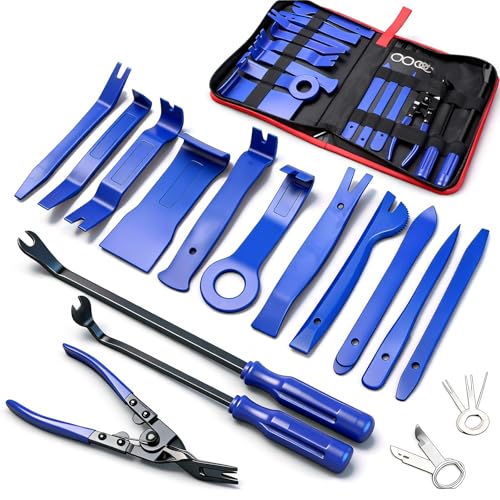
To effectively remove a paint stain, you need to gather the right toolkit before you begin. Having everything on hand prevents a mid-crisis run to the store and ensures you can act methodically. These supplies are separated into basic household items and more specialized solvents for tougher jobs.
Your essential supplies for removing paint from car upholstery include microfiber cloths, a plastic scraper, mild dish soap, and a solvent like rubbing alcohol. Professional detailers often use a steam cleaner or a hot water extractor for deep-set paint stains in fabric, showing the range of tools that can be effective. Always prioritize safety by gathering gloves and ensuring good ventilation when dealing with chemicals.
Household & Basic Supplies:
* White Microfiber Cloths: Use white cloths so you can clearly see when paint pigment is being lifted.
* Plastic Scraper or Old Credit Card: Essential for gently lifting dried paint without tearing the fabric.
* Mild Dish Soap: A gentle detergent for creating a cleaning solution for water-based paints.
* Warm Water: Used for mixing solutions and rinsing the fabric.
* Wet/Dry Vacuum: Highly recommended for extracting moisture and dissolved paint from the fabric.
* Small Buckets or Bowls: For mixing your cleaning solutions.
Chemicals & Solvents:
* Isopropyl (Rubbing) Alcohol (70% or higher): A great first-line solvent for many types of paint, including some oil-based stains.
* Paint Thinner or Mineral Spirits: A more aggressive solvent for stubborn, cured oil-based paints.
* Acetone (Use with Extreme Caution): A powerful solvent that should be a last resort, as it can damage plastics.
Safety First:
* Chemical-Resistant Gloves: Protect your skin from harsh solvents.
* Safety Goggles: Protect your eyes from splashes.
* Respirator/Mask: Crucial if using strong solvents like paint thinner in an enclosed space.
What’s the Difference Between Water-Based and Oil-Based Paint?
Correctly identifying the paint type is the single most important decision in this process. Water-based paints like latex and acrylic can typically be cleaned with soap and water when wet. Oil-based paints are not water-soluble and require a chemical solvent like paint thinner or mineral spirits to break them down.
If you have the paint can, check the label. It will say “water-based,” “latex,” “acrylic,” or give cleanup instructions like “clean up with water.” If it says “oil-based,” “alkyd,” or “clean up with mineral spirits,” you will need a solvent. If you don’t have the can, use the chart below to diagnose the stain.
| Characteristic | Water-Based Paint (Latex, Acrylic) | Oil-Based Paint (Enamel, Gloss) |
|---|---|---|
| Cleanup Instructions on Can | “Clean with soap and water” | “Clean with mineral spirits/thinner” |
| Feel When Dry | Softer, more flexible, rubbery | Hard, smooth, brittle |
| Smell When Wet | Low odor, similar to ammonia | Strong, distinct chemical/solvent odor |
| Primary Removal Agent | Water and mild soap | Paint thinner, rubbing alcohol, acetone |
A helpful tip: If in doubt, test the water method first. If dabbing with a water-dampened cloth does nothing or seems to smear the stain, you are likely dealing with an oil-based paint.
How Do You Remove Water-Based Paint (Latex & Acrylic) From Fabric Car Seats?
To remove water-based paint, your primary tools are a simple soap solution, gentle blotting, and patience. This method is effective for both wet and dried latex or acrylic paint, though dried paint requires an extra mechanical removal step first. Avoid using hot water, as it can “cook” the latex into the fabric fibers, making the stain permanent.
The process involves three key stages: removing the excess, applying a cleaning solution to lift the stain, and rinsing the area. For dried paint, you must first scrape off the hardened material before proceeding with the cleaning solution.
Step 1: How Do You Remove Excess Wet or Dried Paint?
Your first action depends on whether the paint is wet or dry. For wet paint, use a clean cloth or paper towel to blot and lift the spill. Press firmly and lift straight up. For dried paint, use a plastic scraper or the edge of a credit card to gently flake off as much of the solid material as possible before cleaning.
For Wet Paint:
* Follow the “Blot, Don’t Rub” rule.
* Use a clean, absorbent towel to press down on the spill and lift the paint out.
* Work from the outside of the spill inward to prevent it from spreading.
For Dried Paint:
* Use a plastic scraper, a plastic putty knife, or the edge of an old credit card.
* Hold the tool at a low angle and gently push under the edge of the dried paint to lift it.
* If the paint is thick, you can try gently tapping it with the handle of a screwdriver to fracture it, making it easier to scrape.
* Vacuum up all the dried paint flakes you remove.
* Never use a metal scraper, as it can easily tear the fabric.
Step 2: How Do You Apply the Cleaning Solution and Lift the Stain?
Once the excess is removed, apply a solution of mild soap and warm water with a clean microfiber cloth. The key is to gently dab the stain from the outer edges toward the center, which prevents the stain from spreading.
Here is the step-by-step process based on detailing best practices:
1. Mix the Solution: Mix one tablespoon of mild dish soap into two cups of warm water.
2. Apply Sparingly: Dip a clean, white microfiber cloth into the solution and wring it out. You want it damp, not soaking wet.
3. Blot the Stain: Press the damp cloth onto the paint stain and hold for a few seconds. Then, lift. You should see paint transferring to your cloth.
4. Work from the Outside-In: Continue blotting, always moving from the outer edge of the stain toward the middle.
5. Use a Clean Section: As paint transfers to your cloth, switch to a clean section to avoid re-depositing the pigment. An old toothbrush can be used for gentle agitation on stubborn spots.
6. Rinse the Area: Once the stain is gone, dampen a fresh cloth with plain water and blot the area to “rinse” out the soap.
7. Dry Thoroughly: Press a dry towel firmly onto the area to absorb as much moisture as possible. A wet/dry vacuum is ideal for this step. Let the seat air dry completely.
What Is the Method for Removing Oil-Based Paint From Car Upholstery?
To remove oil-based paint, you must use a solvent, as soap and water will not work. This process requires more caution due to the use of flammable and potentially damaging chemicals. Rubbing alcohol is the safest solvent to start with, but you may need to escalate to paint thinner for cured, stubborn stains.
⚠️ SAFETY WARNING
Solvents like paint thinner and acetone release hazardous fumes and are highly flammable. Before you begin, open all car doors and windows to ensure maximum ventilation. Wear chemical-resistant gloves and safety goggles. Never use solvents in a hot car or near an open flame.
The most critical step is to perform a patch test. Before applying any solvent to the stain, test it on a hidden area of the upholstery (like under the seat or on a flap in the trunk) to ensure it doesn’t cause discoloration or damage.
Step-by-Step Solvent Method:
1. Scrape Excess: Follow the scraping method from the previous section to remove any hardened, physical paint.
2. Perform a Patch Test: Apply a small amount of your chosen solvent (start with rubbing alcohol) to a cloth and dab it on a hidden spot. Wait a few minutes. If there’s no discoloration, you can proceed.
3. Apply Solvent to Cloth: Dampen a clean, white cloth with the solvent. Do not pour the solvent directly onto the seat.
4. Blot the Stain: Gently blot the paint stain. Let the solvent sit for a minute to work on dissolving the paint binder.
5. Lift the Paint: Continue blotting with clean sections of the cloth. You should see the oil-based paint transferring to your cloth.
6. Neutralize and Rinse: Once the stain is removed, clean the area with a mild soap and water solution to remove any residual solvent.
7. Dry the Area: Blot the seat with a dry towel or use a wet/dry vacuum to extract all moisture.
| Solvent | Effectiveness | Risk Level | Best For |
|---|---|---|---|
| Isopropyl Alcohol (70%+) | Moderate | Low | First attempt, smaller stains |
| Mineral Spirits/Paint Thinner | High | High | Stubborn, fully cured oil paint |
| Acetone | Very High | Very High | Last resort; risk of melting plastic trim |
How Do You Remove Stubborn or Fully Dried Paint Stains?
For very stubborn or old, dried paint, you may need to bring in advanced tools to soften the paint before a solvent can work. The binders in cured paint form a hard, plastic-like shell that resists chemical penetration. The secret weapon professional detailers use is heat, often applied with a steam cleaner.
The Steam Method: A steam cleaner can be used to heat and soften the paint, making it easier to scrape and treat with a solvent. The heat works by making the hardened paint polymer pliable again.
1. Apply Steam: Hold the nozzle of a steam cleaner a few inches from the dried paint stain. Apply steam for 30-60 seconds.
2. Scrape Immediately: While the paint is warm and soft, immediately use a plastic scraper to gently lift the softened paint away.
3. Follow with Solvent: Treat the remaining stain with the appropriate solvent for the paint type (e.g., rubbing alcohol or paint thinner) while the area is still warm.
4. Extract: Finish by cleaning the area with a wet/dry vacuum or hot water extractor to rinse and remove all residue.
The Professional Extraction Method: For large spills or deep-set stains, a hot water extractor is the ultimate tool.
* Process: Professional detailers use a combination of a suitable solvent, which is agitated into the stain, and a hot water extractor.
* Function: The extractor sprays a cleaning solution into the fabric and immediately vacuums the dissolved paint, solvent, and dirt out of the seat. This deep-rinsing action prevents the stain from wicking back to the surface as it dries.
* Tip: You can often rent these machines from local hardware or tool rental stores. This is a far superior method to simple blotting for serious stains.
FAQs About how to remove paint from car upholstery
Will paint thinner damage my car upholstery?
Yes, paint thinner can damage car upholstery if used improperly. It is an aggressive solvent that can dissolve the foam padding beneath the fabric, weaken fabric fibers, or cause significant discoloration. You must always test it on a small, hidden area first, use it sparingly on a cloth (never pour it), and ensure maximum ventilation. Neutralize the area with soap and water immediately afterward.
Can I use acetone or nail polish remover?
It is extremely risky to use acetone on car upholstery and is generally not recommended. While a powerful solvent, acetone can instantly melt plastic trim components, discolor many synthetic fabrics, and strip the protective finish from leather and vinyl. It should only be considered an absolute last resort by an experienced user after extensive testing on a hidden area. Rubbing alcohol is a much safer alternative to try first.
How do I remove spray paint overspray from fabric seats?
Removing spray paint overspray requires a solvent and a careful dabbing motion. Start with the mildest effective solvent, like rubbing alcohol, on a microfiber cloth. Gently dab the fine mist of paint droplets; do not scrub, as this will smear the tiny particles into a larger stain. If alcohol is ineffective, you may need to escalate to a more aggressive solvent like lacquer thinner, but only after performing a careful patch test on a hidden area.
What’s the best way to remove old, dried paint?
For old, dried paint, heat is your most effective tool to start the process. Use a steam cleaner or a hairdryer on a low setting to carefully warm and soften the paint. This makes the hardened polymer pliable enough to be scraped off with a plastic scraper without damaging the fabric underneath. Once the bulk of the hard paint is removed, you can treat the remaining stain with the appropriate solvent for the paint type.
Can I clean paint off leather or vinyl seats with these methods?
No, leather and vinyl require completely different, gentler methods. Solvents like paint thinner or acetone will strip the topcoat finish from leather and vinyl, causing permanent, irreparable damage. For these surfaces, you should use a dedicated leather or vinyl cleaner. You can try softening a small paint spot with a tiny amount of olive oil before gently wiping, then immediately cleaning the area with a proper leather cleaner and applying conditioner.
How do I get the solvent smell out of my car?
To remove solvent smells, ventilation and absorption are key. The first and most important step is to leave all car doors open in a secure, well-ventilated location for several hours to air out the fumes. You can then place open containers of baking soda or activated charcoal inside the car to absorb lingering odors. Finally, lightly cleaning the treated area with a dedicated upholstery cleaner can help neutralize any final chemical residue.
What if a large amount of paint spilled, like a whole can?
A large paint spill is often an emergency that may require professional help. If the paint is still wet, do not try to blot it with cloths, as you will create a massive mess. Instead, use a wet/dry shop vacuum to suck up as much of the liquid paint as possible immediately. If a large spill has already dried, it has likely soaked deep into the seat foam, and professional-grade extraction equipment will be necessary for any chance of successful removal.
Does vinegar or baking soda work for removing paint?
Vinegar and baking soda are generally ineffective on cured paint stains. A vinegar solution might have a very mild effect on a fresh, wet water-based paint stain, performing similarly to a basic soap and water solution. However, neither vinegar nor baking soda has the required solvent power to break down the chemical binders in dried latex, acrylic, or any type of oil-based paint.
Should I use a metal scraper to remove thick, dried paint?
Never use a metal scraper on fabric or cloth upholstery. A metal tool, even one that isn’t sharp, can easily catch on the fabric’s weave, tearing, pulling, or fraying the material and causing permanent physical damage that is worse than the original stain. Always use a flexible plastic scraper, a plastic putty knife, or the edge of an old credit card for gentle scraping.
Is it better to blot or rub the paint stain?
Always, always blot a wet paint stain; never rub it. Rubbing a wet stain grinds the paint pigment deeper into the fabric’s fibers and spreads the stain over a much larger area, making it significantly more difficult, and sometimes impossible, to remove. The correct technique is to press a clean, absorbent cloth onto the stain to lift the paint straight up and out of the upholstery.
Key Takeaways: How to Remove Paint from Car Upholstery Summary
- Identify First, Act Second: The most critical step is to determine if the paint is water-based (latex, acrylic) or oil-based before applying any cleaner. This dictates your entire removal strategy.
- Blot, Never Rub: For wet paint spills, always blot with a clean cloth to lift the paint up. Rubbing will only smear the stain and push it deeper into the fabric fibers, making it harder to remove.
- Water-Based Paint Requires Soap: Fresh water-based paint can usually be removed with a simple solution of mild dish soap and warm water applied with a cloth.
- Oil-Based Paint Requires a Solvent: Oil-based paints are not water-soluble and require a chemical solvent like rubbing alcohol (safer) or paint thinner (more aggressive) to dissolve the stain.
- Safety is Paramount with Solvents: When using paint thinners or other chemicals, always ensure maximum ventilation, wear gloves, and test the solvent on a small, hidden patch of fabric first to prevent discoloration or damage.
- Heat is the Enemy of Dried Paint: For stubborn, fully dried paint, use a steam cleaner or hairdryer to gently heat and soften the paint, making it easier to scrape off with a plastic tool before treating the residue.
- Know When to Call a Professional: For very large spills or stains on delicate materials like leather, or if DIY methods fail, it is often safer and more effective to consult a professional auto detailer.
Final Thoughts on Removing Paint From Car Upholstery
A paint spill on your car seats can feel like a disaster, but it doesn’t have to be a permanent problem. By correctly identifying the paint type, gathering the right tools, and patiently following the appropriate step-by-step method, you can restore your upholstery. The key is to work methodically: always test solvents on a hidden area, blot stains instead of rubbing, and prioritize safety with proper ventilation.
Whether you’re tackling a small drip of latex paint with soap and water or a stubborn, oil-based stain with carefully applied solvents, you now have the expert-backed knowledge to handle the situation confidently. Remember the principles in this guide, and you can make that paint stain a distant memory.
Last update on 2026-03-02 / Affiliate links / Images from Amazon Product Advertising API