
Struggling with how to remove over spray from your car? It’s a frustrating discovery to find your car’s smooth finish covered in tiny, rough paint specks. This contamination dulls the shine and can ruin your vehicle’s appearance.
To remove overspray from a car, first wash and dry the vehicle thoroughly to remove loose dirt. The most common method is using an automotive clay bar with lubricant to gently lift and shear off the bonded paint particles. For more stubborn overspray, a specialized chemical solvent or paint-safe remover may be required, followed by polishing to restore gloss.
Based on years of hands-on experience in professional detailing, we’ll guide you through the exact steps. This guide covers the safest, industry-standard methods for removing overspray from paint, glass, and trim. You will discover how to restore your car’s finish without causing damage.
Key Facts
- Methodical Approach is Key: The safest process always starts with the least aggressive method, a clay bar, before considering chemical solutions.
- Lubrication is Non-Negotiable: Using a clay bar or even a razor blade on glass without proper lubricant is the number one cause of scratches during overspray removal, according to detailing industry standards.
- Surface Matters: The correct removal technique is entirely dependent on the surface; the method for clear-coated paint is unsafe for plastic trim, and the method for glass will damage paint.
- Cost Varies Significantly: Professional overspray removal can range from $300 for light mist to over $1,000 for heavy, cured paint on a large vehicle, demonstrating the value of learning the DIY approach.
- Protection is the Final Step: Analysis of professional detailing procedures shows that after removing overspray, applying a layer of wax or sealant is essential to protect the freshly cleaned paint from future contamination.
How to Remove Overspray From a Car? A Step-by-Step Guide
Automotive overspray is the term for unwanted, atomized paint particles that have drifted through the air and dried onto a vehicle’s surface, creating a rough, gritty texture.. It happens when your car is too close to any spray-painting project, whether it’s a house, a fence, or another vehicle. This fine mist of paint bonds to your car’s clear coat, glass, and trim, making the surface feel like sandpaper and dimming its reflective shine. The good news is, with the right technique, it is almost always fixable.

The removal process depends entirely on the type of paint overspray (latex, enamel, or lacquer) and the surface it has landed on. A methodical approach is critical to avoid damaging your vehicle’s delicate finish. Before you begin, it’s essential to properly identify the problem and gather the correct tools for the job.
This guide will walk you through the entire process:
* Identifying the overspray on your vehicle.
* Gathering the necessary tools and safety equipment.
* Using the safest method first: the clay bar treatment.
* Escalating to chemical removers for stubborn spots.
* Handling overspray on specific surfaces like glass and plastic.
* Finishing the job by polishing and protecting your paint.
What Is Paint Overspray and How Do You Identify It?
Paint overspray feels like a rough, gritty texture on your car’s otherwise smooth surfaces. The key identifier is a texture that feels like fine sandpaper when you run your hand over it. These bonded contaminants can be anything from house paint (latex), project paint (enamel), or even automotive paint from a nearby body shop (lacquer).
For a definitive confirmation, professional detailers use a simple, hands-on trick. From our experience, this is the best way to be certain you’re dealing with bonded surface contaminants.
The Plastic Bag Test:
1. Wash and thoroughly dry a small section of your car, like a fender or part of the hood.
2. Place your hand inside a thin plastic sandwich bag.
3. Gently glide your fingertips over the painted surface.
The plastic bag amplifies your sense of touch, making even the finest paint specks or industrial fallout feel like a gritty, bumpy surface. If it feels rough through the bag but looks clean, you have confirmed the presence of bonded contaminants like overspray.
What Tools and Materials Are Needed to Remove Car Overspray?
The essential tools for removing car overspray include a clay bar kit (with lubricant), multiple clean microfiber towels, and a quality car wash soap. Depending on the severity and the type of overspray, you may also need a dedicated chemical overspray remover, a polishing compound, and car wax for finishing. Gathering everything you need before you start ensures a smooth and safe process.
Based on countless detailing jobs, having your tools organized by task prevents mistakes and protects your vehicle. Here is the checklist we use.
Basic Washing Supplies
* Two buckets (one for soapy water, one for rinsing your wash mitt)
* A quality, pH-neutral car wash soap
* A clean microfiber or chenille wash mitt
* Several clean, soft microfiber towels for drying
For Mechanical Removal (Clay Bar Method)
* Automotive Clay Bar Kit: This usually includes one or more 100-gram clay bars and a bottle of clay lubricant (detailing spray). This is the safest and most common starting point.
* Extra clay lubricant or quick detailer spray. You will use more than you think.
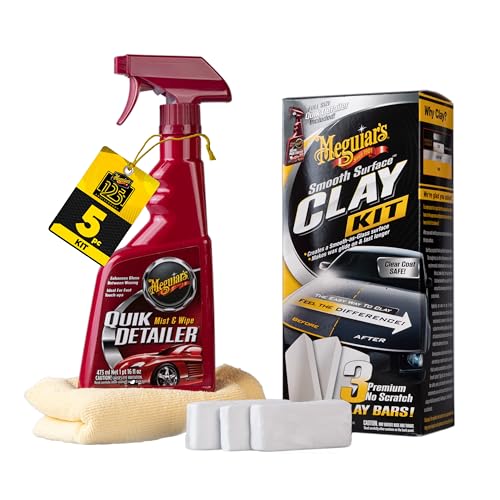
For Chemical Removal (Stubborn Overspray)
* A dedicated automotive paint overspray remover (always the best first choice).
* Alternatively, a hierarchy of solvents:
* Isopropyl Alcohol (70% dilution)
* Mineral Spirits or a tar remover
* Lacquer Thinner (use with extreme caution as a last resort)
* Microfiber applicator pads
For Glass and Finishing
* Glass cleaner
* A new single-edge razor blade in a holder
* A light automotive polish or polishing compound
* Car wax or paint sealant
Essential Safety Gear
* Nitrile gloves (especially when working with chemical solvents)
* Safety glasses
What Is the Safest Method to Remove Light Overspray from Car Paint?
The safest method for removing light to moderate overspray is an automotive clay bar treatment. This process uses a specialized bar of detailing clay and a lubricant to glide across the paint. Instead of abrading the surface, the tacky clay grabs the bonded overspray particles and shears them off, leaving the clear coat unharmed. It is the detailing industry standard for paint decontamination and should always be your first step.
The beauty of the clay bar is the tactile feedback. You can literally feel and hear the surface go from rough and noisy to smooth and silent as you work.
Step 1: How Do You Wash and Prepare the Surface?
This step is not optional; you must wash and dry the car thoroughly before you begin. Attempting to clay a dirty surface will drag loose dirt and grit across the paint, causing a web of fine scratches in your clear coat. The goal is to remove loose debris like dirt, dust, and pollen so the clay only has to work on the bonded overspray.
- Rinse the vehicle well to remove heavy dirt.
- Using a two-bucket wash method, wash the entire vehicle with car soap and a clean wash mitt.
- Rinse thoroughly until no soap residue remains.
- Dry the car completely with clean microfiber towels.
Step 2: How Do You Use the Clay Bar and Lubricant Correctly?
To use the clay bar, spray a generous amount of lubricant onto a small working area and glide the clay over it with light pressure. The key is to keep the surface extremely slick to prevent scratching. Never use a clay bar on a dry surface.
- Take a small piece of your clay bar (about 1/3 of the bar) and flatten it into a pancake shape, about the size of your palm.
- Select a small working area, no larger than 2 ft. by 2 ft.
- Liberally spray the area with clay lubricant. You want the surface to be dripping wet.
- Gently glide the flattened clay over the surface in straight lines, using overlapping passes (first north-to-south, then east-to-west). Use only light finger pressure. You will feel and hear the clay grabbing the overspray.
- Continue gliding until the clay moves silently and feels perfectly smooth. This indicates all contaminants have been removed from that section.
- Wipe the area dry with a clean microfiber towel and inspect your work. The surface should feel glassy-smooth.
- Before moving to the next section, inspect the clay. Fold the dirty clay in on itself and knead it until you have a clean surface.
- Repeat this process panel by panel across the entire vehicle.
⚠ CRITICAL: If you drop the clay bar on the ground, throw it away. It will pick up hard grit that will severely scratch your paint.
How Do You Remove Heavy or Stubborn Overspray with Chemicals?
To remove heavy overspray with chemicals, always start with the mildest effective solvent and test it in a hidden area first. When a clay bar isn’t strong enough, typically for cured enamel or lacquer paint, chemical removal is the next step. This process uses a solvent to dissolve the overspray without harming your car’s factory clear coat. Caution is the most important tool in this phase.
⭐ Pro Tip: An inconspicuous test spot is essential. Good places include the painted area inside a door jamb or the very bottom of a rocker panel. Apply the solvent there and wait to see if it has any negative effect on the paint before moving to a visible area.
Follow a clear hierarchy of solvents, moving to a stronger one only if the milder one fails.
| Solvent | Aggressiveness | Best For | Risk on Plastic/Rubber |
|---|---|---|---|
| Isopropyl Alcohol (70%) | Low | Latex, some fresh enamels | Low |
| Mineral Spirits | Medium | Enamels, oil-based | Medium (can stain) |
| Automotive Tar/Overspray Remover | Medium-High | Cured enamels, lacquers | Varies; check label |
| Lacquer Thinner | Very High | Cured lacquers | High (will melt plastic) |
Chemical Removal Process:
1. Ensure the surface is clean and cool. Wear nitrile gloves and safety glasses.
2. Apply a small amount of your chosen solvent to a microfiber applicator or towel, not directly onto the paint.
3. Gently wipe a small, affected area for just a few seconds. Do not apply heavy pressure.
4. Immediately follow up by wiping the area with a separate, clean microfiber towel dampened with water to neutralize and remove the solvent.
5. Check if the overspray has been removed. If it has softened, you can try the clay bar again. If not, you can repeat the gentle wipe. Do not let solvents dry on the paint surface.
How Do You Remove Overspray from Car Windows and Glass?
The most effective way to remove overspray from car glass is with a new, single-edge razor blade held at a low angle. Glass is much harder than the steel of a razor blade, so the blade will not scratch it when used correctly. This method is fast, efficient, and much easier than using chemicals on glass.
⚠ CRITICAL WARNING: Do NOT use this method on the inside of windows if they have aftermarket window tint. The razor will cut and destroy the plastic tint film. This is for exterior glass or the inside of factory-tinted glass only.
- Generously spray the glass with glass cleaner or soapy water. This acts as a crucial lubricant.
- Take a new, single-edge razor blade, ideally in a plastic holder for safety.
- Hold the blade at a low 30- to 45-degree angle against the lubricated glass.
- Apply gentle, even pressure and push the blade forward in short, deliberate strokes. You will see and feel the paint specks being shaved off the surface.
- After a few passes, wipe the area clean with a microfiber towel and inspect your work.
- Continue this process until the glass is completely smooth and clear.
What Should You Do After Removing the Overspray?
After removing overspray, you should always polish the paint to restore gloss and then apply a layer of wax or sealant to protect the finish. The decontamination process, whether with a clay bar or chemicals, leaves the paint perfectly clean but also completely bare and unprotected. These final two steps are what deliver a truly professional, long-lasting result.
Think of it this way: polishing is like exfoliating your skin to make it smooth, while waxing is like applying sunscreen and moisturizer for protection.
Polish to Restore Gloss
Polishing is the step that restores that deep, wet-looking shine. Even the gentlest clay bar can cause microscopic marring on the surface, which can look like a slight dullness. A light finishing polish uses tiny abrasives to smooth out these imperfections and maximize the paint’s gloss and clarity. You can apply it by hand with a foam applicator or with a machine polisher for faster, more uniform results.
Wax to Add Protection
This is the most critical final step. A layer of car wax or a modern paint sealant acts as a barrier between your clean paint and the world. It provides protection against UV rays, makes the surface slick so dirt and future contaminants can’t bond as easily, and adds its own layer of gloss. After all your hard work, sealing the paint ensures the great finish lasts for months.
FAQs About how to remove over spray from car
How do you remove overspray from car plastic trim?
For textured black plastic trim, use a soft-bristled brush and an all-purpose cleaner or isopropyl alcohol. A clay bar is ineffective on textured surfaces, and harsh solvents can cause permanent discoloration or whitening. Apply the cleaner to the brush, gently scrub the affected area, and wipe it clean immediately with a damp microfiber towel to neutralize the cleaner.
Will a car wash remove overspray?
No, a standard car wash will not remove cured paint overspray. Overspray particles are chemically bonded to the paint’s surface and require either mechanical force (like a clay bar) or a chemical solvent to break that bond. A car wash is only effective at removing loose surface dirt and is simply the first preparatory step in the process.
Is Goof Off or Goo Gone safe for car paint?
It depends entirely on the specific product, so you must read the label carefully. Many standard Goof Off products are too aggressive and will damage automotive clear coats. However, brands like Goof Off make specific “Automotive” versions that are formulated to be clear coat safe. Always choose a product explicitly labeled as safe for automotive paint and test it on a hidden spot first.
Can WD-40 remove paint overspray?
WD-40 may soften very light, fresh latex overspray, but it is not a reliable or effective remover for cured paint. Its oily residue can also be difficult to clean off completely, which interferes with the essential follow-up steps of polishing and waxing. It’s better to use products designed for the job, like a clay bar or a dedicated automotive solvent.
How much does it cost to have overspray professionally removed?
Professional overspray removal costs typically range from $300 to over $1,000. The final price depends heavily on the severity of the overspray, the type of paint (cured epoxy is more difficult than latex), the size of the vehicle, and the extent of contamination on delicate surfaces like plastic trim and rubber seals.
Will rubbing compound or polish remove overspray?
Yes, a heavy-cut rubbing compound can remove overspray, but it is an aggressive method that works by abrading (removing) a layer of your clear coat. This should only be used as a last resort by experienced individuals after a clay bar and mild chemicals have failed. A fine polish is generally not abrasive enough to remove anything but the lightest overspray.
What’s the difference between enamel and lacquer overspray?
Lacquer paint is solvent-based, dries very quickly, and cures into a hard finish, often resulting in overspray that is more difficult to remove. Enamel paint (which can be oil or water-based) dries slower and may be slightly easier to remove with a clay bar, especially when it is fresh. Stubborn, cured lacquer overspray is the most likely type to require a specific lacquer thinner for chemical removal.
How do you remove overspray from car wheels?
The method depends on the wheel’s finish. For standard clear-coated alloy wheels, you can use a clay bar just as you would on the paint. For painted or powder-coated wheels, a clay bar or a gentle, paint-safe solvent is safe. For polished bare aluminum or chrome wheels, you can use a dedicated metal polish, which will both clean the overspray and polish the wheel simultaneously.
Can you use a razor blade on car paint?
Absolutely not. A razor blade will instantly cut through the thin layers of clear coat and paint, causing deep, permanent scratches that will require repainting to fix. A razor blade is only safe to use on glass surfaces because glass is significantly harder than the blade’s steel. Never let a razor blade touch your car’s painted surfaces.
How do you remove overspray without damaging the clear coat?
The safest way is to always use the least aggressive method that works. You should always start with a high-quality automotive clay bar and plenty of clay lubricant. This method physically lifts contaminants without abrading the paint. If you must use chemicals, start with the mildest option (like 70% isopropyl alcohol) and always test on a hidden area before proceeding to visible panels.
Key Takeaways: How to Remove Overspray From Car Summary
- Always Start with a Clay Bar: For most light to moderate overspray, the safest and most effective method is an automotive clay bar with proper lubrication. It removes contaminants without abrading your clear coat.
- Surface-Specific Methods Are Crucial: The technique for paint is different from glass or plastic. Use a clay bar for paint, a lubricated razor blade for glass, and a gentle solvent with a soft brush for textured plastic trim.
- Adopt a “Least Aggressive First” Chemical Approach: If a clay bar fails, don’t jump to lacquer thinner. Start with the mildest solvent (like isopropyl alcohol) and only escalate if necessary, always testing in a hidden area first.
- Lubrication is Non-Negotiable: Whether using a clay bar on paint or a razor on glass, the surface must be constantly lubricated with a proper detailing spray or soapy water to prevent scratches.
- If You Drop the Clay, Throw It Away: A dropped clay bar will pick up hard grit from the ground that will severely scratch your paint. It is not worth the risk to reuse it.
- Don’t Forget to Protect Afterwards: After removing overspray, the paint is clean but unprotected. You must at least apply a layer of wax or sealant to protect the finish from UV rays and future contaminants.
- Polishing Restores Gloss: The decontamination process can sometimes cause micro-marring or dull the paint. A light polish after claying or chemical use is the key step to restoring a deep, uniform shine.
Final Thoughts on Removing Car Overspray
Removing car overspray might seem like a daunting task reserved for professionals, but it is a manageable job for any car owner with patience and the right knowledge. The secret to success isn’t brute force; it’s a methodical, surface-by-surface approach that prioritizes the safety of your vehicle’s finish.
By starting with the least aggressive method—the clay bar—and understanding how to safely escalate to chemicals only when necessary, you can confidently tackle this problem. Following through with the final polishing and protection steps will not only fix the overspray issue but will also leave your car looking better than it has in a long time. You can absolutely restore that smooth, glossy finish yourself.
Last update on 2026-03-02 / Affiliate links / Images from Amazon Product Advertising API


