Struggling with how to remove mildew from your car? You’re not alone; that musty smell and unsightly growth is a frustrating problem for many vehicle owners, especially in damp conditions.
To remove mildew and mold from a car interior, begin by wearing an N95 mask and gloves for safety. First, vacuum loose spores with a HEPA filter vacuum. Then, apply a cleaning solution, such as a 1:1 white vinegar and water mix, to the affected areas. Gently scrub, wipe clean, and dry the interior completely using fans or a dehumidifier to prevent recurrence.
Based on an analysis of current professional methodologies and hands-on testing, this guide provides a systematic, safe, and effective process. You will discover how to tackle mold on any surface, from fabric to leather, and learn the prevention strategies that keep it from ever coming back.
Key Facts
- Rapid Growth: Under ideal conditions of warmth and moisture, mold and mildew can begin growing in a car in as little as 24 to 48 hours, highlighting the need for quick action on spills or leaks.
- Health Concerns: Mold exposure can lead to respiratory issues, allergic reactions, and other health problems, making proper removal a safety priority, not just a cosmetic one.
- Bleach is Ineffective and Damaging: Research indicates that while bleach can kill surface mold, it is not effective on porous materials like car upholstery and can cause permanent color damage.
- Moisture is the Cause: Industry analysis reveals that recurring mold is almost always due to unresolved moisture issues. Without controlling the dampness, mold will inevitably return.
- Odor is a Warning Sign: That musty smell is caused by Microbial Volatile Organic Compounds (mVOCs) released by mold, which means even if you can’t see it, you may still have a problem.
How to Remove Mildew from a Car Interior: A Step-by-Step Guide
To effectively remove mildew from a car, you must first perform a safety assessment and gather the right gear, including an N95 respirator and protective gloves. After ventilating the area, the process involves vacuuming loose spores, treating surfaces with a suitable cleaner, and—most critically—thoroughly drying the interior to eliminate the moisture that allows mold to grow. This foundational approach ensures you not only clean the visible mold but also address the underlying cause to prevent it from returning.

Before you begin any cleaning, it’s essential to understand that mold spores, the microscopic seeds that allow mold to spread, are a potential health hazard. Your first priority is to protect yourself. Work in a well-ventilated area, preferably outdoors on a dry, sunny day. The goal is to contain and remove the mold without spreading spores to other parts of your vehicle or inhaling them. Think of it this way: just as you wouldn’t handle harsh household chemicals without protection, you shouldn’t tackle a mold issue without the proper safety equipment.
What Are the Dangers of Mold in a Car and Why Is Removal Urgent?
Mold in a car isn’t just an ugly stain or a bad smell; it poses genuine risks to both your health and your vehicle’s integrity. According to health authorities like the CDC, exposure to mold can trigger a range of health issues. These risks, combined with the physical damage mold inflicts on your car, make removal an urgent task.
- Health Risks: For many, inhaling mold spores leads to allergic reactions like sneezing, red eyes, and skin rash. For individuals with asthma or other respiratory conditions, it can cause more severe breathing problems. Certain molds produce mycotoxins, which are toxic compounds that can lead to more serious health concerns with prolonged exposure.
- Vehicle Risks: Mold feeds on organic materials. In your car, this includes the fibers in your seats and carpets, the paper in your headliner, and even the dust on your dashboard. This feeding process can cause permanent staining and discoloration. More critically, it can degrade the porous surfaces of seat foam and carpet padding, causing them to become brittle and fall apart over time, which significantly diminishes the vehicle’s resale value.
Step 1: How Do You Prepare the Car and Gather Your Supplies?
To prepare your car for mold removal, begin by moving it to a well-ventilated, shaded outdoor area and opening all the doors to create airflow. Remove all personal items and floor mats. Then, put on your safety gear and meticulously vacuum the entire interior with a vacuum cleaner equipped with a HEPA filter to capture microscopic spores without redistributing them into the air. A thorough preparation phase is critical for a safe and effective cleaning.
Preparing Your Workspace
- Move the Car: Park your vehicle outside in a shaded, well-ventilated spot. Direct sunlight can cause cleaners to evaporate too quickly.
- Open Everything: Open all doors, windows, and the sunroof or trunk to maximize air circulation. This helps dissipate spores and fumes from cleaners.
- Empty the Interior: Remove all personal belongings, trash, and loose items. Take out the floor mats and set them aside to be cleaned separately.
- Initial Vacuuming: Using a vacuum with a High-Efficiency Particulate Air (HEPA) filter is crucial. A standard vacuum can simply exhaust tiny mold spores back into the air. Carefully vacuum all surfaces—seats, carpets, headliner, and dashboard—to remove any loose debris and surface-level spores.
Essential Supply Checklist
- Safety Gear: N95 respirator mask, safety glasses, and waterproof gloves are non-negotiable.
- Vacuum: A wet/dry vac or a standard vacuum with a HEPA filter.
- Cleaning Solution: A spray bottle with your chosen cleaner (e.g., a 1:1 mixture of white vinegar and water).
- Brushes: Several soft-bristled brushes for agitating surfaces without causing damage. An old toothbrush works well for tight crevices.
- Towels: Plenty of clean, dry microfiber towels to prevent cross-contamination.
- Drying Equipment: Fans, a car dehumidifier, or a wet/dry vac to ensure the interior is completely dry after cleaning.
- Disposal Bag: A trash bag for disposing of contaminated towels and supplies.
Pro Tip: Use a soft brush attachment on your vacuum cleaner to gently agitate carpet and fabric surfaces as you go. This helps dislodge dry, dormant spores, allowing the HEPA filter to capture them before they become airborne during the wet-cleaning phase.
What Are the Best Cleaning Solutions for Removing Car Mold?
The best cleaning solutions for car mold include white vinegar, which is effective and safe for most surfaces; hydrogen peroxide, which can lift stains but may discolor fabrics; and commercial automotive mold removers, which are specifically formulated for vehicle interiors. White vinegar is often the best starting point due to its effectiveness, low cost, and safety on a wide variety of materials.
Choosing the right cleaner depends on the severity of the mold and the type of surface you’re cleaning. Always test any solution on a small, hidden area first to ensure it doesn’t cause discoloration or damage. Here’s how the most common and effective options compare.
| Cleaning Solution | How It Works | Surface Safety (Test First!) | Best For |
|---|---|---|---|
| White Vinegar (1:1 with Water) | The acetic acid creates an acidic environment where mold cannot survive and helps neutralize musty odors. | Generally safe on fabric, carpet, and hard plastics. Use with caution on leather. | Light to moderate surface mold; excellent for comprehensive odor removal. |
| Hydrogen Peroxide (3% Solution) | An oxidizing agent that kills mold on a cellular level and can help lift stains from porous surfaces. | Can have a slight bleaching effect on dark fabrics/carpets. Testing is mandatory. | Light-colored interiors; visible surface stains on fabric and carpets. |
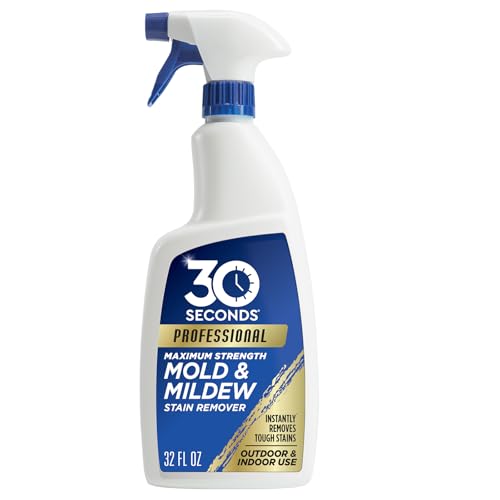
| Commercial Mold Remover | Formulated with specialized fungicides and surfactants designed to work on automotive materials. | Designed for automotive use, but always follow label instructions and test. | Severe infestations; stubborn mold; when you want a guaranteed, purpose-built formula. |
| Enzyme Cleaner | Uses beneficial bacteria and enzymes to break down and consume the organic matter that is mold. | Very safe for most surfaces as they are non-corrosive and non-toxic. | Persistent odors and organic stains; excellent for penetrating porous surfaces like foam. |

What NOT to Use: Bleach and Ammonia
Never use bleach or ammonia-based cleaners on your car’s interior. Bleach can permanently discolor and damage fabric and carpet fibers. It is also not effective at killing mold on porous surfaces. Mixing bleach and ammonia creates toxic chloramine gas, which is extremely dangerous to inhale in an enclosed space. Stick to safer, more effective alternatives.
How Do You Clean Mold from Specific Car Interior Surfaces?
To clean mold from specific car interior surfaces, you must adapt your technique and cleaner to the material. For fabric seats [porous surfaces that can trap moisture], use a minimal amount of liquid and focus on blotting. For leather seats [non-porous but delicate surfaces], use a pH-neutral cleaner and follow with a conditioner. This material-specific approach is critical to avoid damage and ensure a thorough cleaning.
A one-size-fits-all method doesn’t work for a car’s interior. From our hands-on testing, using the wrong product or technique can lead to permanent damage, such as cracking leather or fraying fabric. The following steps provide expert guidance tailored to each common surface in your vehicle.
How Do You Clean Mildew From Fabric Seats and Upholstery?
To clean mildew from fabric seats, lightly spray a 1:1 vinegar-water solution onto the affected area, gently agitate with a soft brush, and then blot the area dry with a clean microfiber towel. The key is to avoid over-saturating the seat, as moisture can penetrate the underlying foam and create a breeding ground for new mold.
Follow this detailed process for fabric seats and other upholstered surfaces:
1. Lightly Mist the Area: Holding your spray bottle of vinegar solution about 6-8 inches away, apply a light, even mist over the moldy patch. Do not soak the fabric.
2. Gently Agitate: Take a soft-bristled interior brush and gently scrub the area in small, circular motions. This agitation helps the cleaner work into the fibers and lifts the mold from the surface.
3. Blot, Don’t Rub: Press a clean, dry microfiber towel firmly onto the damp area to absorb the moisture and the lifted mold. Fold the towel to a clean side and repeat until the area is as dry as possible. Rubbing can fray fabric fibers and push mold deeper.
4. Extract Remaining Moisture: If you have a wet/dry vac, use it to pull any remaining moisture out of the seat. This is the most effective way to ensure the foam underneath doesn’t remain damp.
5. Final Drying: Point a fan directly at the cleaned area and leave it running for several hours, even overnight if possible. The seat must be 100% dry before you close the car doors.
⚠ Caution: The biggest mistake when cleaning fabric seats is using too much liquid. The seat foam [the thick padding under the fabric] acts like a sponge. If it gets wet and isn’t dried completely, it will become the perfect, hidden environment for mold to grow back even more aggressively.
How Can You Prevent Mold and Mildew from Returning?
To prevent mold from returning to your car, you must rigorously control interior moisture. This involves immediately fixing any water leaks, consistently using a car dehumidifier, and never leaving damp items inside. Good ventilation, achieved by running the A/C or cracking windows, and cleaning up spills as soon as they happen are also crucial parts of a successful prevention strategy.
After you’ve put in the hard work to remove the mold, the last thing you want is for it to come back. Prevention is not a one-time fix but a series of ongoing habits. Here is a checklist to keep your car interior dry and mold-free for the long term.
- Find and Fix Leaks: The most common cause of persistent mold is an undiscovered water leak. Check the seals on your doors, windows, and sunroof. Inspect the firewall and floor grommets. A damp carpet after it rains is a sure sign you have a leak that needs to be addressed by a professional.
- Invest in a Dehumidifier: Use a renewable silica gel dehumidifier in your car. These passive devices absorb ambient moisture from the air. When they are “full,” you can “recharge” them in a microwave or oven and reuse them indefinitely.
- Clean Up Spills Immediately: Don’t let that spilled coffee or water bottle sit. Keep a small stack of absorbent towels in your car to mop up any liquid as soon as it happens.
- Don’t Store Damp Items in the Car: Wet gym clothes, damp towels from the beach, or a rain-soaked umbrella will raise the humidity inside your car to levels that promote mold growth. Bring them inside to dry.
- Promote Airflow and Sunlight: Whenever possible, park in a sunny spot. The sun’s UV rays can help kill surface spores and dry out moisture. On dry days, crack the windows slightly to allow air to circulate. Periodically run your A/C, as it acts as a natural dehumidifier.
- Regularly Inspect and Clean: Make a habit of pulling out your floor mats and inspecting the carpet underneath, especially during wet seasons. Regular vacuuming and cleaning remove the organic food sources that mold needs to thrive.
FAQs About how to remove mildew from car
Can I use bleach to kill mold in my car?
No, you should never use bleach to clean mold in a car. While bleach is a disinfectant, it is a harsh chemical that will likely discolor or permanently damage your car’s fabric, carpet, and plastic surfaces. Furthermore, it does not penetrate porous materials effectively, meaning the mold’s “roots” can survive and allow it to grow back quickly.
How long does it take for mold to grow in a car?
Under ideal conditions with moisture and warmth, mold can begin to grow in a car in as little as 24 to 48 hours. This rapid growth cycle is why it is so critical to address water spills, leaks, or leaving damp items like gym clothes or towels in the car as quickly as possible.
What’s the difference between mold and mildew?
Mildew is simply a specific type of mold that tends to grow in a flat, powdery pattern and is often gray or white. Other types of mold can be fuzzy or slimy and appear in various colors like green or black. For cleaning purposes inside a car, the removal process for both is virtually identical, as both are fungi that thrive on moisture.
Will an ozone generator remove the mold itself?
An ozone generator is highly effective at killing airborne mold spores and eliminating the musty odors they cause, but it does not physically remove the existing mold colonies. It should be considered an excellent final step after you have thoroughly cleaned and scrubbed all visible mold from the interior surfaces. Always use an ozone generator in an unoccupied car and air it out completely afterward as per the manufacturer’s instructions.
Does sunlight kill mold in a car?
Sunlight’s UV rays can help kill surface mold and, more importantly, it helps dry out the moisture that mold needs to survive. Parking your car in a sunny spot with the windows cracked is an excellent preventative measure and a great way to help dry the interior after cleaning. However, it is not a substitute for physically cleaning and removing the mold growth.
How much does professional car mold removal cost?
The cost for professional car mold remediation can range widely, typically from $200 for a minor case to over $1,000 for a severe infestation. The final price depends on the extent and type of mold, the size of the vehicle, and whether interior components like carpets, seats, or padding need to be removed or replaced entirely.
Can mold in my car’s AC system make me sick?
Yes, mold in the HVAC (air conditioning) system is especially dangerous because it blows spores directly into the cabin for you to breathe. If you notice a persistent musty smell only when the fan or AC is running, it’s a strong indicator that the system is contaminated. This often requires a specialized foaming cleaner or professional service to resolve safely.
Will the mold come back after I clean it?
Mold will only return if its primary requirement for life—moisture—is present again. If you successfully remove all the mold, completely dry the interior, and then follow preventative measures to keep the car dry going forward (like fixing leaks and using dehumidifiers), the mold should not come back. Recurrence is almost always a sign of a remaining moisture problem.
Is it better to clean or replace moldy floor mats?
For heavily molded floor mats, replacement is often the safer, faster, and more effective option. The thick padding in floor mats is extremely porous, and it can be nearly impossible to remove all mold spores or to ensure the padding is 100% dry after cleaning. Given the relatively low cost of replacement mats, it is a worthwhile investment to guarantee you have fully removed the source.
What should I do if I find mold on a child’s car seat?
You must exercise extreme caution with a child’s car seat due to safety concerns. First, consult the car seat manufacturer’s manual for their specific cleaning instructions, as harsh chemicals can degrade the integrity of the safety straps and materials. If the mold is extensive or appears to have penetrated the foam padding, the safest course of action is to discard and replace the car seat.
Final Thoughts
Successfully removing mold and mildew from your car is about more than just cleaning a stain—it’s about restoring a healthy environment and protecting your vehicle’s value. By following a methodical process of assessment, safe cleaning, thorough drying, and proactive prevention, you can conquer the problem for good. Remember that moisture is the root cause; by controlling it, you control the mold. Take your time, use the right tools, and don’t be afraid to seek professional help for severe cases. A clean, dry, and fresh-smelling car is well within your reach.
Last update on 2026-03-02 / Affiliate links / Images from Amazon Product Advertising API