Ever washed your car on a sunny day, only to find it covered in ugly, chalky spots once it dries? You’re not alone.
Those frustrating marks are hard water stains, caused by mineral deposits left behind when water evaporates from your car’s surface. This guide will show you exactly how to get rid of them for good.
Hard water stains are alkaline mineral deposits (calcium and magnesium) that can be safely removed using methods ranging from a simple vinegar solution to specialized cleaners. We’ll walk you through diagnosing the severity, choosing the right method, and preventing spots from ever coming back.
Key Facts
- A Widespread Problem: Over 85% of households in the United States have hard water, making water spots a nearly universal issue for car owners.
- The Enemy is Heat: In direct summer sun, fresh water spots can begin to permanently etch into a car’s clear coat in just a few hours, according to general detailing principles.
- Paint is Thin: A typical factory clear coat is only 1.5 to 2.0 mils thick, which is why starting with the least aggressive cleaning method is crucial to avoid damage.
- Vinegar’s Power: Standard white vinegar has a pH of around 2.5, making its acetic acid highly effective at dissolving the alkaline mineral deposits that form water spots.
- Prevention is Cheaper: Professional paint correction to remove severe water spot etching can cost hundreds or even thousands of dollars, making preventative care the most cost-effective strategy.
What Causes Hard Water Stains on a Car and Why Are They Harmful?
Hard water stains on a car are caused by mineral deposits, mainly calcium and magnesium, that remain after water evaporates. When your car gets wet from tap water, sprinklers, or even some rain, the water itself disappears, but it leaves these minerals behind. When these alkaline deposits are baked onto the surface by the sun, they can bond to and etch into your car’s protective clear coat, leading to permanent paint damage that a normal wash can’t fix.

Understanding your car paint [a multi-layer system] is key. It consists of a metal panel, a primer, a colored base coat, and a final clear coat. The clear coat is the hero—it’s the tough, transparent layer that protects the color from UV rays and minor scratches. Hard water stains attack this protective layer directly. This damage progresses in stages, from simple surface deposits (Type 1) to below-surface, permanent etching (Type 3). This is why immediate removal is so crucial; you’re not just cleaning a spot, you’re preventing the costly, progressive damage of clear coat etching.
How Can You Assess the Severity of Water Spots Before Treatment?
Before you grab any chemical, you need to diagnose the problem. Choosing the right method depends entirely on how badly the mineral deposits have damaged your car’s clear coat. Using a treatment that’s too aggressive is a common mistake, but assessing the severity is simple. After washing and drying the car, inspect the spots closely in good light. You can even use the “plastic baggie test”—placing a thin plastic sandwich bag over your fingertips and gently feeling the spots to enhance your sense of touch.
This simple diagnostic framework, what we’ll call The Water Spot Severity Scale, will help you choose the perfect approach.
| Severity Level | Name & Description | How to Identify | Recommended Approach |
|---|---|---|---|
| Type 1 | Fresh Mineral Deposits | Spots are clearly visible on the surface. May feel slightly gritty or raised under your fingertips (using a plastic baggie). | Start with the DIY Vinegar Method. |
| Type 2 | Lightly Etched Spots | Spots are less distinct and may have started to fade. The surface feels mostly smooth, indicating the damage is beginning to go into the clear coat. | Use a Commercial Water Spot Remover. |
| Type 3 | Heavily Etched Spots | A visible, concave ring or spot is left in the paint even after cleaning. The damage is clearly below the surface. | Requires mechanical abrasion (Polishing). |
What Is the First Proven Method for Removing Light Water Spots?
For fresh, Type 1 mineral deposits, your first line of attack should always be the least aggressive method. A simple, homemade solution of white vinegar and distilled water is incredibly effective because the acetic acid in the vinegar safely dissolves the alkaline minerals that form the spots. This proven method is safe for your car’s clear coat when done correctly.
Here’s the step-by-step process for this easy DIY water spot remover:
- Gather Materials: You’ll need a clean spray bottle, standard white vinegar, distilled water (not tap water, which contains minerals), and two clean, plush microfiber towels.
- Mix the Solution: Combine equal parts white vinegar and distilled water in the spray bottle. A 50/50 mix is the perfect balance of strength and safety.
- Apply to Surface: Work in the shade on a panel that is cool to the touch. Working one small section at a time, spray the solution directly onto the hard water stains.
- Let it Dwell: Allow the solution to sit on the surface for about 60 seconds. This dwell time is critical for the acid to break down the minerals. It’s vital that you do not let the solution dry on the paint.
- Wipe and Neutralize: Gently wipe the area with your first microfiber towel. Immediately follow up by spraying the area with a quick detailer or a waterless wash and wiping with your second, clean towel. This step is crucial as it neutralizes any remaining acid and restores a slick, glossy finish.
What Is the Second Proven Method for More Stubborn Stains?
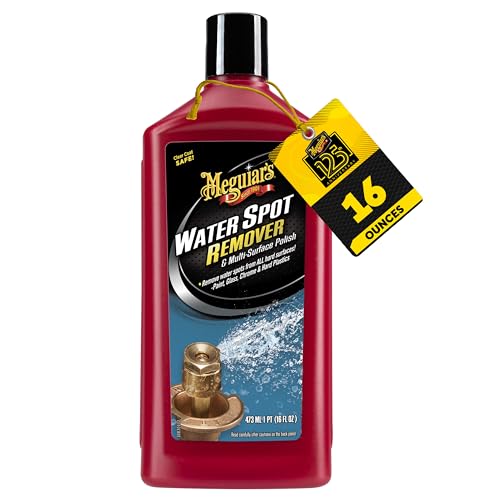
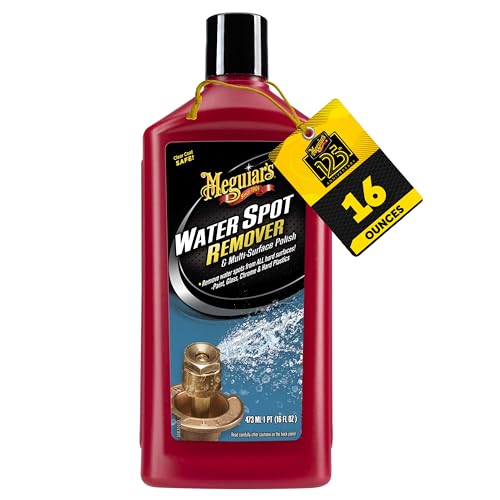
If the vinegar solution didn’t completely remove the spots, it means you’re likely dealing with Type 2 water spots that have started to lightly etch into the paint. This is when you should escalate to a dedicated commercial water spot remover. These products are the logical next step because they are professionally formulated to be more effective and safer than a simple acid.
A quality water spot remover spray contains stronger acids to dissolve heavier mineral deposits but also includes special lubricants and surfactants. This formulation helps lift the minerals from the surface without scratching the paint, a key advantage over straight vinegar.
Here’s what to look for in a quality product:
* pH-Balanced Formula: While acidic, it should be formulated to be safe for your car’s clear coat.
* Clear Coat Safe: The label should explicitly state it’s safe for all modern paint finishes.
* Gel Formula: In our experience, gel-based removers are excellent because they cling better to vertical surfaces like doors, allowing for longer dwell times without running off.
The application is straightforward:
1. Work on a cool, clean panel in the shade.
2. Apply a small amount of the product to a microfiber applicator pad.
3. Gently spread the product over the affected area and lightly agitate the surface.
4. Follow the product’s instructions for dwell time, then wipe away the residue with a clean microfiber towel.
5. Thoroughly rinse the area with water to remove any remaining chemicals.
What Is the Final Method for Removing Permanent, Etched Water Spots?
If you’ve tried both chemical methods and can still see a faint ring or outline of the spot, you’re facing Type 3 water spots. This means the minerals have physically etched into the car’s clear coat, creating a tiny, concave defect in the paint. At this stage, no chemical cleaner can fix it. The only solution is mechanical abrasion using a car polish or compound.
It’s critical to understand the difference: Methods 1 and 2 clean a stain from the surface. Method 3 physically levels the surface. The process involves using fine abrasives in a car polish [a fine abrasive] to slowly remove a microscopic layer of the surrounding clear coat until it is level with the bottom of the etch. This effectively makes the defect disappear.
A Word of Caution: This process permanently removes a small amount of your vehicle’s clear coat. It is a form of paint correction and should only be performed when absolutely necessary and with great care.
- Polishing by Hand: For a few isolated spots, you can apply a small amount of a fine polish to a microfiber applicator pad and work it into the area with firm, overlapping circular motions. This takes significant time and effort but is safer for beginners.
- Polishing by Machine: For widespread etching, a DA Polisher [a dual-action machine tool] is far more effective. Paired with a light polishing pad and a fine polish, it can safely remove etched water spots in a fraction of the time.
How Do You Remove Stubborn Water Spots From Car Glass?
Water spots on car glass, like your windshield and windows, can be particularly stubborn and distracting. The great news is that car glass is much harder than your car’s clear coat, which means you can use more aggressive methods safely.
Always start with the least aggressive approach first. The 50/50 white vinegar and distilled water solution is often very effective on glass. If that doesn’t work, it’s time to escalate to a method specifically for this harder surface.
- Use a Glass Polish: The best option is a dedicated glass polish. These products contain fine abrasives, sometimes including cerium oxide [a professional-grade abrasive], designed to remove mineral deposits and light scratches from glass without hazing it. Apply it with a microfiber applicator pad in firm, circular motions and buff off the residue.
- Try #0000 Steel Wool (With Extreme Caution): For the most stubborn rainbow stains or mineral buildup, #0000 “super fine” grade steel wool can be used. This is an advanced tool and must be used correctly to avoid scratches. Crucial Safety Warning: Only use #0000 grade steel wool, always use it with a lubricant like glass cleaner or soapy water, and never, ever use it on your car’s paint, plastic, or trim.
How Can You Prevent Hard Water Spots From Ever Coming Back?
After all the work of removing hard water stains, the last thing you want is for them to return after the next wash. Prevention is the most important part of the entire process, and it comes down to two key areas: proper drying and surface protection.
The goal is to stop water from sitting on your car and evaporating. A protected surface creates a hydrophobic effect, meaning it repels water. This causes water to form into tight beads that roll right off the panel, taking the minerals with them, instead of sitting flat and creating spots.
Here are the best ways to prevent hard water spots forever:
* Dry Your Car Quickly: The number one rule. Never let your car air dry, especially in the sun.
* Use a High-Quality Drying Towel: A large, plush “waffle weave” or twisted loop microfiber towel can absorb huge amounts of water safely and quickly.
* Use a Drying Aid: As you dry, lightly mist each panel with a spray-on drying aid. This lubricates the surface to prevent scratches and adds a quick layer of hydrophobic protection.
* Apply Wax or Sealant: This is the cornerstone of prevention. A layer of paint protection, like car wax or a longer-lasting paint sealant, creates that crucial water-repelling barrier. Apply it every 3-6 months.
* Consider a Spot-Free Rinse: For the ultimate prevention, use a deionized water filter on your hose for the final rinse. Deionized water is completely mineral-free and will dry without leaving any spots at all.
* Park Smart: This one is simple but effective. Avoid parking near sprinkler systems that use hard water.
FAQs About how to remove hard water stains from car
Is it safe to use white vinegar on my car’s paint?
Yes, a diluted 50/50 solution of white vinegar and distilled water is generally safe for short-term use on modern car paint. The key is to never let it dry on the surface and to rinse or neutralize the area with a quick detailer spray afterward to remove any residual acid. Always perform a test in a small, inconspicuous area first.
Will applying a new coat of wax remove existing water spots?
No, applying wax over existing water spots will not remove them. In fact, it will seal the mineral deposits under the protective layer, making them even more difficult to remove later. Always ensure your car’s surface is perfectly clean and spot-free before applying any wax or sealant.
What if the water spots don’t come off with vinegar or a chemical remover?
If chemical cleaners don’t work, the water spots have likely etched into the clear coat. This means the damage is physically indented in the paint. The only way to remove them at this point is through mechanical abrasion with a polish or compound, which levels the surrounding paint. This is an advanced step and should be approached with caution.
Can a clay bar remove hard water spots?
A clay bar can remove Type 1 water spots, which are mineral deposits bonded on top of the paint surface. It works by shearing off these surface contaminants. However, a clay bar cannot remove Type 2 or Type 3 spots that are etched into the clear coat, as it does not abrade or level the paint.
Are water spots worse on black and dark-colored cars?
Water spots are dramatically more visible on black and dark-colored cars, but they are not chemically more damaging. The high contrast between the white, chalky mineral deposits and the dark paint makes them stand out much more. This makes proper drying and protection routines especially critical for owners of dark vehicles.
Key Takeaways: Removing Hard Water Stains From a Car
Mastering a spot-free finish comes down to understanding a few core principles. Whether you’re dealing with a daily driver or a show car, keeping these essentials in mind will save you time, frustration, and money.
- Diagnose First, Treat Second: Always assess if you have light surface spots (Type 1) or deeper etched spots (Type 2/3) before choosing your removal method. This prevents using overly aggressive techniques.
- Start with the Least Aggressive Method: Always begin with a 50/50 vinegar and distilled water solution. Only escalate to stronger commercial removers or polishing if the gentler methods fail.
- Heat is the Enemy: Never work on a hot panel or in direct sunlight. Heat bakes minerals into the paint, accelerating permanent etching and causing your cleaning solutions to dry too quickly.
- Chemicals Clean, Abrasives Cut: Vinegar and chemical removers dissolve minerals on the surface. Polishes and compounds physically remove a layer of clear coat to level out etch marks. Polishing is a last resort.
- Prevention is the Ultimate Cure: The best way to fight water spots is to prevent them. Dry your car thoroughly after every wash and protect the paint with a quality wax or sealant to create a water-repelling surface.
Final Thoughts on Achieving a Spot-Free Finish
Dealing with hard water stains can feel like a never-ending battle, but it’s a battle you can win. By correctly diagnosing the severity of the spots and systematically moving from the gentlest to the strongest solution, you can safely restore your car’s brilliant finish without causing unnecessary damage.
Remember, removing spots is only half the job. The real secret to a permanently spot-free car lies in prevention. Adopting a meticulous drying routine and keeping a consistent layer of paint protection, like a sealant or wax, on your car is the ultimate strategy. This proactive mindset transforms car care from a chore into a rewarding process, ensuring your vehicle always looks its absolute best.
Last update on 2026-03-07 / Affiliate links / Images from Amazon Product Advertising API