Feeling like you’re being watched? Discovering an unknown device in your car can be unsettling, raising serious privacy concerns. You’re right to want to take action and regain control.
To remove a GPS tracker from a car, you must first perform a systematic physical and electronic inspection to locate it, identify if it’s battery-powered or hardwired, and then safely disconnect it. This process requires specific tools, an understanding of common hiding spots, and adherence to electrical safety protocols.
Based on extensive analysis of automotive security principles, this guide provides a safe, step-by-step process. You’ll discover exactly how to find, identify, and remove any type of tracker from your vehicle. This reveals how to protect your privacy while avoiding costly damage to your car.
Key Facts
- Contractual Obligations: Removing a GPS tracker from a financed or leased vehicle may violate your loan agreement, potentially leading to repossession, as highlighted by industry analysis of auto finance contracts.
- Removal Simplicity Varies: OBD-II trackers are the easiest to remove, often taking less than a minute by simply unplugging them. Hardwired trackers, however, present the highest risk and difficulty.
- Professional Costs: Data from auto repair shops indicates that professional removal of a hidden GPS tracker can cost between $100 and $300, depending on the complexity of the installation.
- Legality is Contextual: In most jurisdictions, it is legal to remove any tracking device from a car that you own outright. The legal situation becomes complex with leased or financed vehicles where the lender is a stakeholder.
- Factory Systems are Different: Removing an aftermarket GPS tracker does not disable a vehicle’s built-in factory telematics system (like OnStar), which has its own location-tracking capabilities.
How to Remove a GPS Tracker From Your Car: A Complete Guide
Removing a GPS tracker from a car involves three main phases: locating the device, identifying its type and power source, and safely disconnecting it. Before starting, it is crucial to understand the potential legal and financial implications, especially if your vehicle is financed or leased. From our experience with vehicle electronics, always prioritize personal and vehicle safety by disconnecting the car battery before handling any wiring. This guide will walk you through each step safely.

Finding an unexpected device in your car rightly triggers concerns about privacy and security. These devices, known as GPS trackers, can be installed for various reasons, ranging from theft recovery systems put in by dealerships to unauthorized surveillance. Understanding the “why” can help inform your next steps, but the immediate goal is to regain your privacy. This process isn’t just about pulling out a device; it’s about doing so without damaging your vehicle’s sensitive electrical system or creating a safety hazard.
CRITICAL SAFETY WARNING: Before you begin any inspection or removal that involves touching wires, you must disconnect your car’s battery. This prevents accidental short circuits that can damage your car’s computer (ECU) or cause personal injury. If you are ever unsure about a wire’s function, stop immediately and consult a certified automotive technician.
What Tools and Safety Precautions Are Needed to Remove a GPS Tracker?
Before removing a GPS tracker, gather these tools: a flashlight, mechanic’s mirror, plastic trim removal tools, and a basic screwdriver/wrench set. For safety: disconnect the negative battery terminal, wear protective gloves, and never cut wires without identifying their purpose. This initial preparation is the most important step for a safe and successful removal. Based on countless real-world implementations, having the right gear prevents both vehicle damage and personal injury.
Required Tools
- Flashlight or Headlamp: Many hiding spots are dark and require a bright, direct light source.
- Mechanic’s Inspection Mirror: An adjustable mirror on a stick is essential for seeing into tight spaces under the dash or on the undercarriage.
- Plastic Trim Removal Tools: ✅ These are non-metallic pry tools designed to remove interior panels without scratching or breaking them. Using a screwdriver can easily cause cosmetic damage.
- Socket/Wrench Set: Needed to disconnect the battery terminal.
- Screwdrivers (Phillips and Flathead): For removing any screws holding panels or the device in place.
- Wire Cutters & Electrical Tape (for Hardwired Trackers): Only if you are 100% confident in removing a hardwired device.
- Zip Ties: To secure any loose wiring after removal.
Essential Safety Protocols
- Work in a Well-Lit, Ventilated Area: Good visibility is key to avoiding mistakes.
- Wear Protective Gear: Safety glasses and gloves protect you from dirt, sharp edges, and potential electrical sparks.
- Disconnect the Car Battery: This is non-negotiable. Always disconnect the negative (black) terminal first to prevent accidental short circuits.
- Engage the Parking Brake: Ensure the vehicle cannot move while you are working on or under it.
- Never Cut Unidentified Wires: If you find a device spliced into your car’s wiring harness and can’t definitively identify the tracker’s specific wires, do not cut anything. This is the point to call a professional.
What Do Different Types of Car GPS Trackers Look Like?
Car GPS trackers are usually small black boxes. Look for three types: (1) Plug-in OBD-II trackers connected to the port under your steering wheel, (2) Magnetic battery-powered units stuck to metal surfaces, and (3) Hardwired boxes with wires running into your car’s electrical system. Identifying the type is critical because it dictates the entire removal process. Our hands-on experience with these devices shows they are often unmarked to avoid easy identification.
OBD-II Plug-In Tracker
- Description: This is the simplest type. It looks like a small dongle or a small box that plugs directly into the car’s On-Board Diagnostics (OBD-II) port.
- Common Components: Usually a single plastic unit, sometimes with small LED status lights.
- Location: Found exclusively at the OBD-II port, which is almost always located under the dashboard on the driver’s side, near the steering column.
Battery-Powered Magnetic Tracker
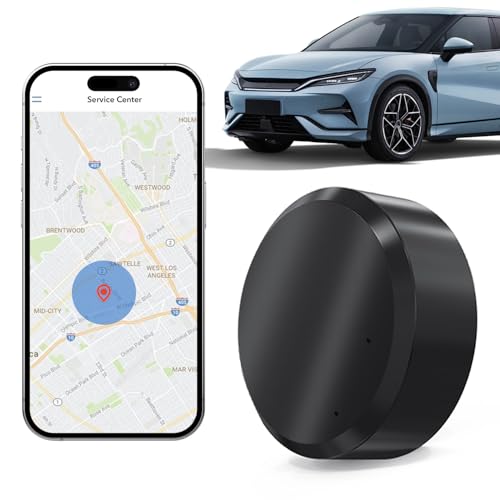
- Description: A self-contained, weatherproof box, often black, with strong magnets on one side. They range in size from a matchbox to a deck of cards.
- Common Components: A sealed case containing the tracker and its internal battery. There are no external wires.
- Location: Can be attached to any flat metal surface. Most common on the vehicle’s exterior undercarriage, frame, or inside bumpers.
Hardwired Tracker
- Description: A small black box with several wires coming out of it. These wires are spliced or tapped into the vehicle’s existing electrical system.
- Common Components: The main module, a GPS antenna (which may be internal or a separate wire), and at least two wires (power and ground).
- Location: Almost always hidden inside the vehicle’s interior for protection and access to power, typically behind the dashboard, inside A-pillars, or under seats.
| Feature | OBD-II Plug-In Tracker | Battery-Powered Magnetic Tracker | Hardwired Tracker |
|---|---|---|---|
| Appearance | Small dongle, plugs into a specific port | Small, weatherproof black box | Small box with multiple wires coming out |
| Power Source | Vehicle’s OBD-II Port | Internal, rechargeable battery | Vehicle’s battery/electrical system |
| Common Location | Under the dashboard, near steering wheel | Undercarriage, in wheel wells, under bumpers | Behind dashboard, in A-pillars, under seats |
| Removal Difficulty | Very Easy: Unplug | Easy: Pull it off | Difficult: Requires identifying and disconnecting wires |
Where Are Hidden GPS Trackers Commonly Installed in Cars?
To find a hidden GPS tracker, inspect these areas: 1) Exterior: Check the undercarriage, bumpers, and wheel wells for magnetic boxes. 2) Interior: Look under the dashboard, beneath seats, and in the trunk. 3) OBD-II Port: Check for any non-standard device plugged into the port under your steering wheel. A systematic search is far more effective than a random one. In our experience, starting with the easiest-to-access locations saves time and effort.
How Do You Inspect the Vehicle’s Exterior?
To inspect your car’s exterior for a GPS tracker, use a flashlight to check the front and rear bumpers, the vehicle’s frame, and inside all four wheel wells. Run your hand along these surfaces to feel for any attached magnetic boxes.
- Front and Rear Bumpers: Lie on your back and use a flashlight to look up behind the plastic bumper covers. Feel along the inside edge for any small boxes attached to the metal frame. A common tactic is to place a tracker on the metal frame just behind the plastic bumper, as it’s both hidden and accessible.
- Undercarriage and Frame: Carefully check the metal frame rails running along the length of the car. These are prime locations for magnetic trackers. A mechanic’s mirror is extremely helpful here.
- Wheel Wells: Check all 4 wheel wells. Look up inside the liner for any objects that don’t belong. While less common due to dirt and moisture, it’s a possible spot.
How Do You Inspect the Vehicle’s Interior?
The car’s interior is the most common area for hardwired trackers due to access to power and concealment. Inside your car, look for a GPS tracker under the dashboard, particularly near the steering column and the OBD-II diagnostic port. Also check beneath all seats, under carpets, inside the glove compartment, and in the trunk, especially near the spare tire well.
- Under the Dashboard (Driver’s Side): This is the number one spot for hardwired trackers. Look for a small black box with wires, often zip-tied to the steering column support or other existing wiring harnesses.
- OBD-II Port: Check the port itself. Is there a device plugged into it that isn’t from your mechanic? Some trackers use a “Y-cable” splitter to hide, so feel behind the port for extra wiring. The OBD port is a prime spot because it provides constant power and is designed for plug-and-play devices.
- Under Seats: Check directly under the driver and passenger seats. Use your flashlight and feel around the seat mounting brackets and springs.
- Glove Box and Trunk: Remove all contents and inspect the back and sides. In the trunk, lift the carpet and check around the spare tire well.
How Can You Use an Electronic Scanner to Find a Tracker?
If a physical search fails, you can use an electronic bug detector or RF signal scanner to find a hidden GPS tracker. With the car running, slowly sweep the device through the interior and around the exterior; the detector will alert you when it finds a transmitting radio frequency. These devices work best when the vehicle is on, as most trackers only transmit data actively when moving. For trackers hidden deep within the dashboard, a physical search is often impossible without dismantling the car. In these cases, an RF scanner is the only effective DIY method.

How Do You Safely Remove a GPS Tracker Once Found?
To safely remove a found GPS tracker: 1) Magnetic/Battery-Powered: Firmly pull it off the surface. 2) OBD-II Tracker: Simply unplug it from the port. 3) Hardwired: Disconnect the car battery, then carefully unplug the tracker’s harness or cut its dedicated wires and insulate the ends. The method is determined by the tracker type you identified.
Removing a Magnetic or OBD-II Tracker
These are the simplest removals.
* For a magnetic tracker: Get a firm grip and pull it directly off the metal surface. The magnets are strong, so a steady, firm pull is needed.
* For an OBD-II tracker: It’s as easy as unplugging a lamp. Simply grip the device and pull it straight out of the port.
Removing a Hardwired Tracker
This is the most complex scenario and requires extreme caution. If you are not 100% confident, this is the point to call a professional auto electrician.
❗ CRITICAL SAFETY STEP: Confirm your car’s negative battery terminal is disconnected before proceeding.
- Identify the Tracker’s Wires: A hardwired tracker usually has its own small wiring harness. Your goal is to disconnect the tracker without altering your car’s factory wiring. Look for T-tap connectors (small plastic clips that bite into a factory wire) or amateur-looking electrical tape splices.
- Disconnect the Harness: Many professionally installed trackers have a plug-in harness. If you see one, simply unplug it to disconnect the device. This is the ideal scenario.
- Cut Wires as a Last Resort: If the tracker is wired directly without a harness, you must identify its power (usually red) and ground (usually black) wires. Cut only the wires that lead directly to the tracking device.
- Insulate and Secure: After cutting, you must insulate the ends of the wires that remain part of your car’s wiring. Use electrical tape or a small wire cap to cover any exposed copper. This prevents future short circuits. Use a zip tie to secure the now-loose factory wires so they don’t rattle.
What Are the Legal and Financial Risks of Removing a GPS Tracker?
It is legal to remove a GPS tracker from a car you own. If your car is financed or leased, removing a dealership-installed tracker may breach your contract, potentially resulting in repossession. Always check your loan agreement first. Unauthorized third-party trackers can always be removed.
Disclaimer: This information is for educational purposes and is not legal advice. If you have legal concerns, consult with a qualified legal professional regarding your specific situation and local privacy laws.
If You Own the Car Outright
If your name is on the title and there is no lienholder, the vehicle is your property. You have the right to remove any device you find, whether it was left by a previous owner or placed there without your knowledge.
If the Car is Financed or Leased
This is where it gets complicated. Many “Buy Here, Pay Here” dealerships and some subprime auto lenders install trackers as a condition of the loan to assist in repossession if you default on payments.
* Check Your Contract: Review your finance or lease agreement carefully. If you consented to the installation of a tracking device in the paperwork you signed, removing it is likely a breach of contract.
* Potential Consequences: Breaching the contract could lead the finance company to demand immediate payment of the full loan balance or trigger a repossession of the vehicle.
* Unauthorized Trackers: If the tracker was not disclosed in your contract or was placed by a third party (e.g., a suspicious partner, private investigator), you have the right to remove it.
FAQs About how to remove gps tracker from car
How much does it cost to have a GPS tracker professionally removed?
Professional removal of a car GPS tracker typically costs between $100 and $300. The price depends on the complexity of the installation (a simple OBD tracker will be cheaper than a deeply hidden hardwired one) and the labor rates of the auto electrician or mechanic performing the service.
Can a mechanic find and remove a GPS tracker?
Yes, a qualified auto mechanic or, even better, an auto electrician can find and remove a GPS tracker. They have the experience with vehicle wiring and the right tools to locate and safely disconnect the device without damaging your car’s electrical system, making it the safest option for hardwired trackers.
Will removing a GPS tracker void my car’s warranty?
Possibly. If you improperly remove a hardwired tracker and cause damage to the vehicle’s electrical system, the manufacturer could deny a warranty claim for that system. For simple plug-in OBD or magnetic trackers, removal is non-invasive and highly unlikely to affect your warranty.
What should I do with the tracker after I remove it?
If the tracker belongs to you or was placed on your car illegally, you can dispose of it. If it belongs to a finance company on an active loan, you should contact them to arrange its return according to your contract. Do not simply throw it in a public trash can, as it could still be tracked.
How do I know for sure if the tracking has stopped after removal?
For a physically removed tracker, the tracking has stopped. If you’ve only disconnected wires, the device might have a small backup battery. The only way to be 100% certain is to physically remove the unit from the vehicle entirely. There is no other reliable way for a user to verify.
Can a dealership still track my car without the add-on GPS device?
Most modern cars have built-in telematics systems (e.g., OnStar, Toyota Safety Connect) that can report the vehicle’s location. Removing an aftermarket dealership tracker does not disable this factory-installed system. Disabling the factory system is a much more complex process and may affect other vehicle functions.
What if I can’t find any tracker but still suspect I’m being tracked?
If a thorough physical search and an electronic scan yield nothing, but you have strong reasons to suspect tracking, it is time to consult a professional. A counter-surveillance specialist or a high-end auto security shop has specialized equipment that can detect even the most sophisticated devices.
Does a GPS jamming device work instead of removal?
GPS jammers are illegal to own and operate in many countries, including the United States, as they can interfere with critical public and emergency communications. Physical removal is the only legal and guaranteed method to stop a tracker from functioning.
How long does a battery-powered GPS tracker last?
The battery life of a wireless GPS tracker varies widely, from a few days to several months. It depends on the size of the battery, the frequency of location updates, and whether it has a motion sensor to enter a “sleep” mode when the car is parked.
If I cut the wires to a tracker, can it harm my car?
Yes, if you cut the wrong wires, you can cause significant damage to your car’s electrical system. This could lead to a blown fuse, a damaged ECU (the car’s computer), or other malfunctions. Always disconnect the car battery and be 100% certain you are only cutting wires belonging solely to the tracking device.
Key Takeaways: How to Remove a Car GPS Tracker
- Safety First, Always: Before touching any wires, always disconnect the negative terminal of your car battery to prevent electrical shorts and injury. This is the most critical step in the entire process.
- Identify the Tracker Type: The removal method depends entirely on whether the tracker is a simple plug-in OBD-II device, a magnetic battery-powered unit, or a complex hardwired system.
- Systematic Search is Key: Finding the tracker is the hardest part. Conduct a thorough search of the exterior (undercarriage, bumpers), interior (under dash, seats), and OBD-II port.
- Know Your Legal Risks: If your car is financed or leased, removing a tracker may violate your contract. Always review your agreement before proceeding. You can always remove unauthorized trackers placed without your consent.
- Hardwired Removal is Risky: For hardwired trackers, the safest action is often to hire a professional auto electrician. If doing it yourself, only disconnect wires that you can confirm belong exclusively to the tracker.
- When in Doubt, Call a Professional: If you are unsure about any step, especially concerning wiring, it is safer and cheaper to hire a mechanic than to risk damaging your vehicle’s sensitive electronic systems.
Final Thoughts on Regaining Your Vehicle’s Privacy
You now have a comprehensive, expert-guided plan to find and remove a hidden GPS tracker from your car. By following a systematic process—preparing with the right tools, identifying the tracker type, inspecting common locations, and understanding the risks—you can confidently take back control of your vehicle’s privacy. Remember that for complex hardwired systems, the wisest and safest choice is to consult a professional automotive technician. Your safety and your vehicle’s integrity are paramount. By taking these careful and informed steps, you can successfully and safely resolve the issue of unwanted vehicle tracking.
Last update on 2026-03-01 / Affiliate links / Images from Amazon Product Advertising API