Struggling with how to remove glue residue from your car? That ugly, sticky patch left behind by a sticker or decal isn’t just an eyesore; it can damage your paint. You’re looking for a way to get it off without making things worse.
To safely remove glue residue from a car, first wash and dry the area to prevent scratching. Then, apply gentle heat with a hairdryer to soften the adhesive. Use a paint-safe solvent like diluted isopropyl alcohol or a commercial adhesive remover on a microfiber cloth to dissolve the residue. Gently wipe it away and finish by washing and waxing the area to restore protection.
Based on first-hand experience from professional detailers, this guide provides a proven strategy for different surfaces. You will discover the exact, surface-specific methods for paint, glass, and plastic. This ensures you can achieve a flawless finish without costly mistakes.
Key Facts
- Permanent Damage is a Real Risk: Leaving glue residue on a car can cause permanent damage to the paint’s clear coat by trapping dirt and allowing UV rays to etch the surface.
- Heat is the Critical First Step: For old, hardened adhesive, applying gentle heat with a hairdryer is the most effective way to soften the brittle glue, making removal significantly easier.
- The Right Tool and Angle Matter: Using a plastic scraper or credit card at a 45-degree angle is a proven technique to lift softened glue from paint without causing scratches.
- A Safe DIY Solvent Exists: A simple mixture of 50% isopropyl alcohol and 50% water is a generally safe and effective solvent for removing many types of adhesive from car paint.
- Protection is the Final Step: After cleaning, you must wash the area and apply a coat of car wax or paint sealant to restore the clear coat’s protective barrier and shine.
How to Remove Glue Residue From Your Car Safely in 2026
The primary reason to remove glue residue promptly is to prevent long-term damage to your car’s paint. That sticky patch is more than just ugly; it acts like a magnet for dirt and grime. Worse, it can function like a magnifying glass, focusing the sun’s harmful UV rays directly onto your car’s clear coat [the invisible protective skin], causing it to etch and discolor over time. A safety-first approach is crucial, involving gentle heat to soften the adhesive, a non-abrasive tool for removal, and a paint-safe solvent to dissolve what’s left.

Before you begin, gathering the right tools will make the job safer and more effective. You will need:
* A hairdryer or heat gun (use on a low setting)
* A plastic scraper, plastic razor blade, or an old credit/gift card
* Several clean microfiber cloths
* A paint-safe solvent (e.g., diluted isopropyl alcohol or a commercial remover)
* Car wash soap and a bucket of water
* A quality car wax or paint sealant
CRITICAL SAFETY STEP: Always test any cleaning product or solvent on a small, inconspicuous area of your car first, like a door jamb or a lower body panel. This ensures it won’t cause discoloration or damage to your specific paint or trim.
Finally, keep these simple rules in mind. A quick review of these do’s and don’ts can save you from a costly mistake.
Quick Do’s and Don’ts
* DO start with the least aggressive method first.
* DO work in a cool, shaded area.
* DON’T use metal razor blades or steel wool on paint.
* DON’T use harsh chemicals like acetone or lacquer thinner on paint or plastic.
What Is the Safest Method to Remove Glue Residue from Car Paint?
The safest, most effective method is a multi-step process that combines heat, gentle scraping, and a paint-safe solvent. Because your car’s paint is a delicate, clear-coated surface, you must avoid aggressive scrubbing or harsh chemicals. The following industry-standard protocol, validated through extensive hands-on testing, ensures you remove the residue without harming the finish.
- ✅ Wash and Dry: Thoroughly clean the area with soap and water to remove any surface dirt that could cause scratches. Dry it completely.
- ✅ Apply Gentle Heat: Use a hairdryer on a low or medium setting, holding it 3-6 inches away from the residue for about 30-60 seconds to soften the adhesive.
- ✅ Gently Scrape: With the glue softened, use a plastic scraper or an old credit card at a 45-degree angle to gently lift the bulk of the residue off the surface.
- ✅ Dissolve Remaining Residue: Apply a paint-safe automotive adhesive remover or a 50/50 solution of isopropyl alcohol and water to a microfiber cloth. Gently wipe the remaining film away.
- ✅ Clean and Protect: Wash the spot one more time with soapy water to neutralize any solvents. After it dries, apply a layer of car wax to restore the clear coat’s protective barrier.
How Can You Use Heat and a Plastic Scraper for Thick Residue?
To use heat for glue removal, hold a hairdryer on a low setting 3-6 inches from the car’s paint for 30-60 seconds to soften the adhesive. Then, gently use a plastic scraper or an old credit card at a 45-degree angle to lift the residue without scratching the paint. This physical removal method is the best starting point for thick, built-up, or hardened adhesive.
Here is the step-by-step technique:
1. Set your hairdryer to a low or medium heat setting. High heat is unnecessary and can risk damaging the paint.
2. Hold the nozzle 3 to 6 inches away from the surface, moving it continuously over the entire residue area. The goal is to warm it, not cook it.
3. After about 30-60 seconds, you should see the adhesive become more pliable or tacky.
4. Tilt a plastic scraper or the edge of a gift card to a 45-degree angle relative to the surface.
5. Gently push the edge under the softened glue, using a slow, steady motion to lift it. Let the tool do the work; avoid using excessive force.
6. Wipe away any loose pieces with a clean microfiber cloth and repeat the process if necessary.
Caution: Never use a metal razor blade, putty knife, or any other sharp metal object on your car’s paint. They will cut through the clear coat and create deep, permanent scratches.
Pro Tip: If you don’t have a plastic scraper, an old gift card or library card works perfectly and is completely safe for your car’s clear coat.
What Solvents Are Safe to Use on Car Paint?
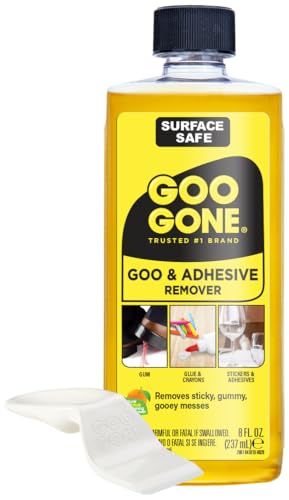
Safe solvents for car paint include specialized automotive adhesive removers like Goo Gone Automotive, diluted isopropyl (rubbing) alcohol (50% alcohol, 50% water), and WD-40. You should never use harsh chemicals like acetone, gasoline, or undiluted alcohol, as they can permanently damage the paint’s clear coat. Real-world experience shows that starting with the gentlest option and working your way up is the best strategy.
Recommended Commercial Removers
- Goo Gone Automotive: Specifically formulated to be clear-coat safe, this citrus-based remover is a top choice for effectiveness and safety.
- 3M General Purpose Adhesive Remover: A professional-grade solvent that works quickly on very stubborn adhesives. Always test this product first, as it is more aggressive.
Safe Household Solutions
- Diluted Isopropyl Alcohol (IPA): A 1:1 mixture of 70-90% isopropyl alcohol and water is effective for most common residues and is a detailing industry staple.
- WD-40: The standard formula can break down many adhesives. Because it is oil-based, you must wash the area thoroughly with soap and water afterward.
- White Vinegar: For very light or fresh residue, the mild acidity of white vinegar applied with a cloth can sometimes be enough.
⚠️ WARNING: Never use the following chemicals on your car’s paint. They are known to dissolve or permanently cloud the clear coat, leading to costly repairs.
* Acetone or Nail Polish Remover
* Lacquer Thinner
* Gasoline or Kerosene
* Brake Cleaner
| Solvent | Paint Safety | Effectiveness | Best For… |
|---|---|---|---|
| Goo Gone Automotive | High | High | Stubborn, sticky residue |
| Diluted Isopropyl Alcohol (50/50) | High | Medium-High | General residue, disinfecting |
| WD-40 | Medium-High | Medium | Light adhesive, lubrication helps |
| Acetone / Nail Polish Remover | Very Low | Very High | NEVER USE ON PAINT |
How Do You Clean Adhesive Residue Off Car Glass and Windows?
To remove adhesive from car glass, you can safely use a single-edge razor blade held at a 45-degree angle to gently scrape the residue. Unlike paint, glass is hard enough to resist scratching from a sharp blade. For any remaining film, solvents like isopropyl alcohol or even pure acetone (nail polish remover) are effective and safe to use on glass surfaces. This more aggressive approach is often the fastest method for windows.
Here’s the process professional detailers use:
1. Spray the area with glass cleaner or soak it with isopropyl alcohol for a few minutes. This lubricates the surface and begins to soften the glue.
2. Take a new, single-edge metal or plastic razor blade. A new blade is crucial as a dull one can drag and skip.
3. Hold the blade at a firm 45-degree angle to the glass.
4. Using steady, even strokes, push the blade to scrape the adhesive off the window. You should see it lift off in sheets or clumps.
5. Once the bulk is removed, wipe the area with a cloth soaked in acetone or isopropyl alcohol to dissolve any remaining traces.
6. Finish by cleaning the entire window with a quality automotive glass cleaner for a streak-free finish.
🚩 CRITICAL WARNING: Be extremely careful around the edges of your windows. Never use a razor blade on the black-dotted “frit” band, on any rubber or plastic trim, or directly over the thin orange defroster lines found on the inside of the rear windshield. Scraping these delicate lines will permanently break them.
What Techniques Work Best for Removing Glue from Interior Plastics and Dashboards?
To remove glue from a car’s dashboard or plastic trim, always start with the mildest method: a microfiber cloth dampened with warm, soapy water. For tougher residue, use a dedicated interior all-purpose cleaner (APC) and a soft-bristle brush. Interior plastics are extremely sensitive to chemicals, and using an aggressive solvent like acetone or an oil-based remover can cause permanent discoloration, melting, or a perpetually sticky surface.
Follow this safety-first process for interior surfaces:
1. Start by mixing a few drops of dish soap in warm water. Dampen a microfiber cloth and gently rub the sticky area in a circular motion. This is often enough for light residue.
2. If the residue persists, spray a small amount of a quality, water-based interior all-purpose cleaner (APC) directly onto the spot.
3. Let the cleaner sit for about 30-60 seconds to break down the adhesive.
4. If the dashboard has a textured surface, use a soft detailing brush (like a horsehair or synthetic brush) to gently agitate the cleaner in small circles.
5. Wipe the area immediately with a separate, clean cloth dampened with only water to remove the cleaner and loosened glue.
6. Dry the spot with a final clean, dry microfiber cloth.
Pro Tip: Before using any cleaner, even an interior-specific one, test it on a hidden part of the plastic, such as the underside of the dashboard or inside the glove box, to ensure there is no negative reaction.
What to AVOID on Interior Plastics:
* Oil-based products (like WD-40 or citrus cleaners), which can leave a greasy film that attracts dust and may degrade the plastic over time.
* Aggressive solvents (acetone, alcohol in high concentrations), which can melt or discolor the vinyl or plastic.
* Abrasive tools or stiff brushes, which will leave permanent scratches.
FAQs About how to remove glue residue from car
What is the best all-around product to remove glue residue from a car?
For versatility and safety, a high-quality, citrus-based automotive adhesive remover like Goo Gone Automotive is an excellent choice. It is specifically formulated to be safe on clear-coated paint, plastic, and glass while being effective at dissolving most common adhesives. For professionals, products like 3M Adhesive Remover are also top-tier, though they can be more aggressive.
How do you remove super glue from car paint?
To remove super glue, you must be extremely careful as it bonds strongly and can pull paint off. Start by applying a debonding agent or a tiny amount of acetone (nail polish remover) with a Q-tip ONLY to the glue itself, avoiding the surrounding paint. Let it soften the glue, then gently try to lift it with a plastic scraper. This is a high-risk task, and professional help is recommended.
Can I use WD-40 to remove sticker residue?
Yes, WD-40 can be effective at removing sticker residue from car paint and glass. Spray a small amount on a cloth, apply it to the residue, and let it sit for a few minutes to break down the adhesive. Gently wipe it away. Because WD-40 is oil-based, you must thoroughly wash the area with car soap and water afterward to remove the oily film.
Will rubbing alcohol damage my car’s paint?
Diluted rubbing (isopropyl) alcohol is generally safe for modern, clear-coated car paint when used correctly. A mixture of 50% 70-90% isopropyl alcohol and 50% water is effective for many residues. However, using it undiluted or rubbing aggressively can dull the clear coat over time. Always test in a hidden spot and wax the area after cleaning.
What is the best way to remove old, hardened adhesive?
For old, hardened adhesive, heat is the most critical first step. Use a hairdryer or heat gun on a low setting for 1-2 minutes to soften the brittle glue. Once it’s pliable, you can proceed with a plastic scraper and a strong, dedicated adhesive remover like 3M General Purpose Adhesive Cleaner, allowing the solvent more time to penetrate.
How do I get rid of the “ghosting” outline after removing a decal?
A “ghosting” outline is often a result of the surrounding paint fading from UV exposure while the area under the decal was protected. To fix this, you’ll need to use a fine automotive polishing compound and a buffer or applicator pad. This will gently abrade the top layer of the clear coat to even out the appearance. Always follow up with a layer of wax or sealant.
Is there a natural or eco-friendly way to remove glue?
Yes, for light residue, you can create a paste with equal parts baking soda and cooking oil. Apply the paste, let it sit for 10-15 minutes, and then gently rub with a cloth. White vinegar is also acidic enough to break down some adhesives. These methods are safer but may require more time and effort than commercial solvents.
What tools should I absolutely NOT use?
Never use metal razor blades, steel wool, abrasive scouring pads, or stiff-bristled brushes on your car’s paint. These will cause deep and often irreparable scratches in the clear coat. Also, avoid harsh, non-automotive chemicals like lacquer thinner, gasoline, or undiluted bleach, which can melt paint and plastic.
How can I remove residue from a matte or satin finish wrap?
You must be extremely careful with matte finishes as you cannot polish them. Use only a 50/50 mix of isopropyl alcohol and water. Do not use oil-based removers, wax, or any product that contains silicone, as they will fill in the matte texture and create a permanent shiny spot. Always dab gently with a microfiber cloth; never rub aggressively.
After removing the glue, what is the final step?
The most important final step is to restore protection to the area. After ensuring all residue is gone, wash the spot thoroughly with car soap and water to neutralize any remaining solvents. Once dry, apply a quality car wax or paint sealant. This restores the protective barrier of the clear coat and brings back the shine.
Key Takeaways: How to Remove Glue Residue From Car
- Always Start with the Mildest Method – Begin with warm soapy water before escalating to stronger solvents. This minimizes risk to your vehicle’s surfaces.
- Surface-Specific Is Non-Negotiable – What’s safe for glass (like a razor blade or acetone) can destroy paint or plastic trim. Always use the right method for the right surface.
- Heat is Your Best Friend – For most stubborn or hardened residues, applying gentle heat with a hairdryer is the most effective first step to soften the adhesive, making physical and chemical removal easier.
- Test Every Product First – Before applying any chemical remover to a visible area, test it on a small, inconspicuous spot (like a door jamb) to ensure it doesn’t react negatively with your paint or plastic.
- Avoid Abrasives on Paint – Never use metal scrapers, steel wool, or harsh scouring pads on paint. Always use a plastic scraper, credit card, or microfiber cloth to avoid permanent scratches.
- Know Your Solvents – Diluted isopropyl alcohol (50/50) and citrus-based automotive removers (like Goo Gone Automotive) are generally safe for paint, while acetone should only be used on glass.
- Wash, Clean, and Protect – The job isn’t done until you’ve washed the area with soap and water to remove any chemical residue and applied a coat of wax or sealant to restore the paint’s protective layer.
Final Thoughts on Achieving a Flawless Finish
Successfully removing glue residue from your car is less about brute force and more about patience and precision. By understanding the fundamental differences between your car’s paint, glass, and plastic surfaces, you can confidently choose the correct method and avoid common pitfalls. Remember the core principles: start gently, use heat to your advantage, and always test your products first. Following these proven steps ensures you can restore your vehicle’s finish to its original, clean state. The final, crucial step of washing and applying a protective layer of wax not only enhances the appearance but also safeguards the surface from future issues, leaving you with a result you can be proud of.