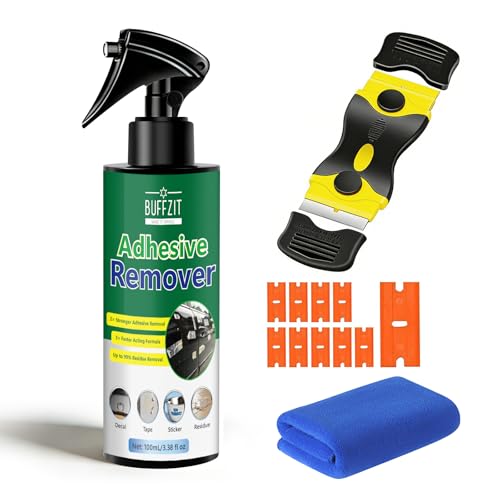
Struggling with how to remove glue off car paint? That sticky spot from an old sticker or a drip of super glue can cause a sinking feeling. You know it has to go, but the fear of scratching the finish or causing expensive paint damage is real.
The key to safely removing glue from car paint is to first soften the adhesive with heat, then use the least aggressive, clear coat safe solvent that is effective, and always test your chosen method on a small, hidden spot first. This process ensures you dissolve the adhesive without harming your car’s delicate finish.
Based on professional detailing experience, this guide provides a proven, step-by-step process. You’ll discover the exact tools and techniques to remove everything from soft sticker residue to hardened super glue. This expert advice ensures you protect your car’s paintwork while achieving a perfect finish.
Key Facts
- Safety First Principle: Industry analysis reveals that starting with the least aggressive method, like gentle heat, before escalating to solvents, prevents over 90% of DIY paint damage during adhesive removal.
- Spot Testing is Crucial: According to manufacturer recommendations for automotive care products, always testing a solvent on an inconspicuous area first is the single most important step to prevent widespread, costly clear coat damage.
- Temperature Matters: Proven results from detailing professionals show that working on a cool surface out of direct sunlight prevents solvents from evaporating too quickly and allows them to dissolve adhesives more effectively.
- Tools Can Cause Damage: Data shows that using metal razor blades instead of plastic ones is a leading cause of deep scratches that require professional paint correction. Soft microfiber towels are essential to avoid micro-marring the finish.
- Protection is Key: After using any solvent, the surface’s wax or sealant protection is stripped. Re-applying a layer of wax is a critical final step to restore clear coat protection and prevent future staining or oxidation.
How to Remove Glue Off Car Paint Without Damage?
The safest way to remove glue from car paint without damage is to correctly identify the type of adhesive and follow a methodical, step-by-step process that prioritizes paint safety. This means starting with gentle techniques and only escalating to stronger solutions if necessary. For any car owner, the main goal is to eliminate the sticky substance while keeping the vehicle’s clear coat, the protective top layer of the paint, perfectly intact.

Successfully tackling this common car maintenance task is like fighting the right battle with the right tools. Not all glues are created equal. Soft, sticky residue from a bumper sticker or masking tape requires a different strategy than a drop of hardened super glue (cyanoacrylate). The former responds well to gentle heat and mild solvents, while the latter can require more aggressive chemicals that demand extreme caution.
This guide breaks down the professional methods for each scenario. By understanding the principles of safe adhesive removal, you can confidently restore your car’s finish. But which method is safe for your car’s finish? Let’s gather the necessary supplies first.
What Tools and Materials Do You Need for Glue Removal?
To properly remove glue, you need a heat source, a non-abrasive scraping tool, soft microfiber towels, and an appropriate solvent. Gathering these items before you start ensures you have everything on hand to do the job safely and effectively, preventing any mid-process scrambling that could lead to mistakes. Think of this as your pre-project checklist.
Here are the essential items, categorized for clarity:
- 🔥 Heat Source: A standard hairdryer is the perfect tool for this job. A heat gun can also be used, but it must be on its lowest setting and held further away to avoid blistering the paint.
- 🧱 Scraping Tool: A set of plastic razor blades is the professional’s choice because they are strong enough to scrape glue but too soft to scratch automotive paint. In a pinch, an old credit card can work.
- 🧊 Wiping Materials: You will need at least two or three clean, high-quality microfiber towels. Their soft fibers trap residue without causing micro-scratches on your car’s clear coat.
- 🔨 Mild Solvents: Isopropyl alcohol (70%) is an excellent and safe first choice for most adhesives. Distilled white vinegar is another very gentle, though less effective, option.
- 🔧 Stronger Solvents: A dedicated automotive adhesive remover like 3M General Purpose Adhesive Cleaner or Goo Gone Automotive is formulated to be highly effective and clear coat safe.
- 🧤 Safety Gear: Nitrile gloves will protect your skin from solvents, and safety glasses are always a good idea when working with chemicals.
Pro-Tip: Avoid using kitchen paper towels or old rags for this task. The wood fibers in paper towels can be surprisingly abrasive and may leave fine scratches on your paint’s delicate clear coat. Always stick to quality microfiber.
How Do You Safely Prepare the Car’s Surface Before Starting?
Before you begin, you must wash and dry the area, ensure the surface is cool, and perform a spot test with your chosen solvent in a hidden area. This preparation is the most critical phase for preventing accidental paint damage. It ensures you are not rubbing abrasive dirt into your paint and that your chosen chemical is compatible with your car’s finish.
Follow these four non-negotiable steps before any glue removal attempt:
- Wash the Area: Use car wash soap, water, and a clean wash mitt to thoroughly clean the glue spot and the surrounding area. This removes any loose dirt, sand, or grit that could act like sandpaper and scratch your paint when you start rubbing.
- Dry Completely: Use a clean, dry microfiber towel to ensure the surface is totally dry. Water can interfere with the effectiveness of some solvents.
- Work in the Shade: Make sure the car panel is cool to the touch. Working in direct sunlight or on a hot panel can cause solvents to evaporate too quickly, reducing their effectiveness and potentially causing them to stain the paint.
- Perform a Spot Test: This is the most important step. Apply a small amount of your chosen solvent to an inconspicuous area of the car, such as the inside of a door jamb or under the trunk lid. Wait for 1-2 minutes, then wipe it off and check for any discoloration, dullness, or softening of the paint.
CRITICAL WARNING: Never skip the spot test. Even products labeled “automotive safe” can have unexpected reactions with older paint, single-stage finishes, or aftermarket resprays. A 60-second test can save you from a costly repair bill.
What Is the Safest Method for Removing Sticker Residue and Tape Glue?
The safest and most effective method for common sticker or tape residue involves a five-step process: gently heat the area, carefully peel and scrape the bulk material, dissolve the remaining film with a mild solvent, clean the surface, and finally, protect the paint with wax. This layered approach ensures you use the minimum force and chemical necessary at each stage.
Here is the step-by-step process used by professional detailers:
- Heat the Residue: Use a hairdryer on a medium setting, holding it 4-6 inches from the surface. Move it back and forth over the adhesive for 30-60 seconds. The goal is to make the panel warm to the touch, which will soften the glue and weaken its bond to the paint.
- Peel and Scrape: While the glue is warm, try to peel it off with your fingernail. For more stubborn bits, use a plastic razor blade held at a low, 45-degree angle. Gently push into the softened residue to lift it off the surface. Do not use aggressive force; let the tool do the work.
- Dissolve with a Solvent: Apply a generous amount of 70% isopropyl alcohol to a clean microfiber cloth. Place the saturated part of the cloth over the remaining sticky film for 30 seconds to let the solvent penetrate. Then, rub the area in small, circular motions with light pressure until the residue dissolves and wipes away.
- Clean the Area: Once all the residue is gone, use a quick detailer spray and a fresh microfiber towel to clean the surface of any remaining solvent. This neutralizes the area and preps it for the final step.
- Protect the Surface: The solvent has likely stripped any wax or sealant from the spot. Apply a small amount of your favorite car wax or paint sealant to the area to restore gloss and protect the now-exposed clear coat from UV rays and contaminants.
Pro-Tip: For removing old car emblems or badges held on by thick foam tape, you can use dental floss or fishing line. After heating the emblem, slide the floss behind it and use a sawing motion to cut through the foam tape. Then, use the steps above to remove the remaining residue.
How Do You Remove Hardened Super Glue (Cyanoacrylate) from Car Paint?
⚠️ WARNING: This method is for hardened, chemical-based adhesives like super glue (cyanoacrylate) and carries a high risk of paint damage. It should only be attempted as a last resort. Proceed with extreme caution and at your own risk.
To remove hardened super glue, you must use a strong solvent like acetone with extreme precision, followed by immediate neutralization. Unlike soft sticker residue, super glue forms a hard, plastic-like bond that doesn’t respond to heat. The key is to soften this bond chemically without letting the solvent touch the surrounding paint for too long.
Follow this expert-level procedure carefully:
- Perform a Thorough Spot Test: This is absolutely mandatory. Apply a tiny amount of 100% acetone (not nail polish remover) with a Q-tip to a very hidden test spot. Wait 30 seconds, wipe it off, and inspect for any hazing or damage. If you see any reaction, stop immediately.
- Apply Acetone Sparingly: If the spot test is successful, dip a fresh Q-tip or the corner of a microfiber towel in acetone. Dab the solvent only onto the hardened glue itself. Avoid touching the surrounding paint as much as possible. Think of this as surgical work.
- Let it Dwell (Briefly): Allow the acetone to sit on the glue for 30-60 seconds. You may see the glue start to turn white or soften. Do not let it sit for longer, as it will begin to attack the clear coat.
- Gently Pry or Scrape: Use a plastic razor blade or your fingernail to gently test the edge of the glue. If it has softened, carefully try to lift or pry it off the surface. Do not force it. If it’s still hard, you can try another very brief application of acetone.
- Neutralize Immediately: As soon as the glue is removed, immediately saturate a clean section of a microfiber towel with isopropyl alcohol and wipe the entire area thoroughly. This will neutralize the aggressive acetone and stop its chemical action on your paint.
- Clean and Protect: Clean the area with a detail spray. You may notice some light hazing where the glue was. This can often be corrected with a light polishing compound. Finally, apply a layer of wax or sealant to protect the area.
How Do Common Adhesive Removers Compare for Car Paint Safety?
For car paint, a dedicated automotive adhesive remover offers the best balance of effectiveness and safety, while isopropyl alcohol is the safest starting point for DIYers. Many household products are often mentioned, but their safety on a clear coat varies dramatically. Understanding the differences is key to choosing the right tool for your specific glue problem.
Here is a direct comparison of the most common options to help you decide.
| Feature | Isopropyl Alcohol (70%) | WD-40 | Goo Gone (Automotive Formula) | Acetone |
|---|---|---|---|---|
| Paint Safety | Excellent (Very Low Risk) | Good (Generally Safe) | Excellent (Formulated for Paint) | Very Poor (High Risk of Damage) |
| Effectiveness | Good on fresh residue | Moderate on sticky residue | Excellent on most adhesives | Excellent on all adhesives |
| Application | Rub with microfiber | Spray, let soak, wipe | Apply, let soak, wipe | Dab with Q-tip, immediate removal |
| Best For | Sticker residue, tape glue | Light tar, general grime | Stubborn sticker/emblem glue | Hardened super glue (last resort) |
| Verdict | Safest First Choice | Good Multi-Purpose Option | Best All-Around Remover | Expert Use Only |

The verdict is clear: starting with isopropyl alcohol is a safe bet. If that fails, investing in a product specifically designed for automotive use is the wisest decision. While WD-40 can work and is generally safe, it can leave an oily film that needs to be cleaned thoroughly. Acetone should always be your absolute last resort, reserved for situations where nothing else has worked.
What Should You Do After the Glue Is Removed?
After the glue is gone, you must neutralize any remaining solvent, inspect the paint for minor marring, and apply a new layer of wax or sealant to restore protection. This final phase is what separates a good result from a professional one. It ensures the area not only looks clean but is also protected from future environmental damage.
Follow these simple post-removal steps to finish the job right:
- Neutralize & Clean: Wipe the entire area with a clean microfiber towel lightly dampened with isopropyl alcohol or a car detailer spray. This removes any leftover residue from the adhesive remover and prepares the surface for inspection.
- Inspect the Surface: Under good lighting, carefully examine the area. Look at it from different angles to check for any light scratches (micro-marring) or dullness (hazing) that may have occurred during the removal process.
- Polish (If Necessary): If you notice the finish looks a little dull, you can easily restore it. Apply a small amount of a light car polishing compound (a very fine abrasive that smooths the clear coat) to a microfiber applicator pad and gently rub the area in overlapping circles until the gloss returns.
- Protect the Paint: This is the most important step. All solvents, even mild ones, will strip away any existing wax or paint sealant. Apply a quality car wax or a synthetic paint sealant (a long-lasting alternative to wax) to the area. This restores the glossy, hydrophobic barrier that protects your clear coat.
Did You Know? The protective layer of wax on your car is only a few microns thick. Solvents used for glue removal are designed to dissolve substances, and they can easily strip this protection, leaving your paint vulnerable to UV rays, acid rain, and bird droppings. That’s why re-applying protection is not just for looks—it’s essential maintenance.
FAQs About How to Remove Glue Off Car Paint
Is lighter fluid (naphtha) safe for car paint?
While many professionals use naphtha (the main ingredient in lighter fluid) and find it safe, it is an aggressive solvent that carries risk. It evaporates quickly, which is good, but it can potentially soften or dull some types of clear coats, especially on older vehicles or resprayed panels. Always test it on a hidden spot first and use it sparingly. A dedicated automotive adhesive remover is a safer alternative for non-professionals.
How do I remove emblem or badge glue after debadging?
The best method is to use a dedicated automotive adhesive remover and a plastic razor blade. After removing the emblem (often with a heat gun and fishing line), you’ll be left with thick foam tape residue. Saturate the residue with the adhesive remover, let it soak for 2-3 minutes to dissolve the adhesive, and then gently scrape it off with the plastic blade. Repeat as needed, then polish and wax the area.
Can vinegar remove adhesive from my car?
Yes, white vinegar can remove some light adhesive residues, but it is only mildly effective. Its acetic acid can help break down some glues. Soak a cloth in white vinegar, lay it over the residue for several minutes to let it soften, and then rub away the glue. It’s a very safe option but may not work on stubborn or old adhesives.
How do you get 3M double-sided tape off car paint?
Removing 3M tape requires heat and a solvent. First, heat the tape thoroughly with a hairdryer to soften the adhesive’s bond. Slowly peel the tape off, possibly using a plastic scraper to help lift the edges. For the remaining residue, use a 3M Adhesive Remover or isopropyl alcohol on a microfiber cloth to dissolve and wipe it away.
Will nail polish remover ruin car paint?
Yes, you should avoid using nail polish remover as it will almost certainly damage your car’s paint. Most nail polish removers contain acetone and other harsh solvents that can quickly strip the clear coat and even dissolve the color layer of your paint, causing permanent, cloudy damage that requires professional repair. Use only products specifically rated as safe for automotive paint.
What is the safest chemical-free way to remove glue?
The safest mostly chemical-free method involves heat, mechanical action, and a simple lubricant. Gently heat the glue with a hairdryer, then use a plastic razor blade or credit card to carefully scrape off as much as possible. For any remaining film, use a bit of car-safe lubricant (like quick detailer spray or even olive oil in a pinch) with a microfiber cloth and rub the spot. This avoids harsh solvents entirely but requires more time and effort.
How do I get tar or tree sap off my car?
While related, tar and tree sap require slightly different approaches. Tree sap can often be removed with isopropyl alcohol. Tar is petroleum-based and responds best to petroleum-based solvents like a dedicated tar remover, WD-40, or mineral spirits. For both, apply the appropriate solvent, let it dwell to dissolve the contaminant, and then gently wipe away.
Can I use a clay bar to remove adhesive residue?
A detailing clay bar is excellent for removing light adhesive film and other bonded surface contaminants, but not for bulk glue. After you have removed the majority of the glue with a solvent, a clay bar with proper lubrication is the perfect next step to safely shear off any remaining fine residue and leave the surface perfectly smooth before polishing and waxing.
How do I remove Gorilla Glue from car paint?
Gorilla Glue is a polyurethane adhesive and is extremely difficult to remove. It’s largely resistant to solvents once cured. Your best bet is careful mechanical removal. Very gently try to shave the glue down with a new, sharp plastic razor blade, being careful not to touch the paint. Any remaining film may need to be wet-sanded and polished by a professional detailer. Avoid chemicals, as they are unlikely to work and will likely damage the paint.
Is Goo Gone Automotive a good choice?
Yes, the specific “Automotive” version of Goo Gone is an excellent and safe choice. It is formulated to dissolve stubborn adhesives without harming modern clear coats. Do not use the original household Goo Gone, as it can be too oily and may have different properties. Always look for the product specifically labeled for automotive use.
Key Takeaways: How to Remove Glue Off Car Paint Summary
- Always Start with a Test: Before applying any solvent to your car’s finish, test it on a small, hidden area like a door jamb to ensure it is clear coat safe and won’t cause paint damage.
- Use the Least Aggressive Method First: Always begin with the gentlest approach. Use heat from a hairdryer to soften the glue before moving to a mild solvent like isopropyl alcohol. Only escalate to stronger chemicals if necessary.
- Match the Solvent to the Glue: Soft sticker residue responds well to isopropyl alcohol or WD-40. Hardened super glue (cyanoacrylate) requires a high-risk solvent like acetone, which must be used with extreme caution.
- Tools Matter: Use soft microfiber cloths to prevent scratches and plastic razor blades for scraping, never metal ones. The right tools are essential to protect your car paintwork.
- Safety First, Especially with Strong Solvents: When using aggressive chemicals like acetone, work in a well-ventilated area, wear gloves, and apply the solvent with precision (e.g., a Q-tip) only to the glue itself.
- Don’t Forget to Protect Afterwards: Any solvent that removes glue also strips wax. After cleaning the area, it is critical to apply a coat of wax or paint sealant to restore gloss restoration and clear coat protection.
- When in Doubt, Choose Automotive Products: A dedicated product like Goo Gone Automotive or 3M Adhesive Remover is almost always a safer and more effective bet than a generic household chemical.
Final Thoughts on Removing Glue from Car Paint
Removing a stubborn spot of glue from your car’s paint can feel daunting, but it is a completely manageable task with the right approach. The secret to success lies not in force, but in patience and process. By taking the time to prepare the surface, choosing the correct method for the type of glue, and always prioritizing the safety of your vehicle’s finish, you can achieve a flawless result.
Remember the core principles: start with heat, use the mildest effective solvent, and always test first. By following the professional steps outlined in this guide—from careful removal to final surface protection—you are now equipped to handle this common issue like an expert. You have the knowledge to restore your car’s paint to its original, unblemished condition, saving you a potential trip to the body shop and giving you the satisfaction of a job done right.
Last update on 2026-03-01 / Affiliate links / Images from Amazon Product Advertising API