
Struggling with how to remove the fish smell from your car? You’re not alone; that pungent, lingering odor is notoriously difficult to eliminate. It clings to every surface, turning your commute into a dreadful experience.
To remove fish smell from a car, you must first locate and clean the source of the spill, then use targeted cleaning agents like white vinegar or enzymatic cleaners to neutralize the odor molecules. This process requires deep cleaning affected upholstery and carpets, ensuring thorough ventilation, and sometimes using advanced treatments for persistent smells.
Based on proven results from professional auto detailers and an analysis of the chemical compounds involved, this guide provides a systematic, tested method. You will discover exactly how to permanently eradicate the fish odor by tackling its root cause, not just masking it. This covers everything from immediate spill response to deep cleaning specific materials.
Key Facts
- The Root Cause is Chemical: The signature fish smell comes from volatile organic compounds called amines, specifically trimethylamine, which are alkaline and bind strongly to car interior fibers.
- Acids are Your Ally: Acidic solutions like white vinegar are highly effective because they chemically neutralize the alkaline amine compounds, breaking the odor at a molecular level.
-“Porous Surfaces are the Enemy: Materials like car carpets and fabric seats readily absorb fish odors, which is why topical sprays often fail; deep extraction is necessary.- Immediate Action is Critical: The longer fish residue sits, the deeper the amines penetrate and the more bacteria can grow, making the smell exponentially harder to remove.
- Heat Worsens the Smell: Warmth and sunlight can accelerate the decomposition process and cause odor-causing compounds to become more volatile, intensifying the fishy stench in a closed car.
How to Remove Fish Smell from Your Car?
The key to removing fish smell from your car is a multi-step intervention that involves immediate physical removal of the source, chemical neutralization of the odor molecules, and deep cleaning of all affected materials. Because fish odor is caused by resilient amine compounds that embed in porous surfaces, a comprehensive approach is necessary for permanent removal. This guide outlines the complete process, from first response to long-term prevention.

Based on tested methods used by professional auto detailers, successfully eliminating this stubborn stench requires a specific order of operations. Simply spraying an air freshener will only mask the problem temporarily. The proven path to a fresh-smelling car involves:
- Identifying the science behind the smell.
- Gathering the correct tools and neutralizing agents.
- Performing immediate cleanup to prevent deep contamination.
- Executing a deep clean tailored to each interior surface.
- Deploying advanced methods for stubborn, lingering odors.
- Implementing preventative habits for the future.
Why Does Your Car Interior Smell Like Fish? The Science Behind the Odor
The fishy smell in your car is caused by volatile organic compounds, specifically amines like trimethylamine, released as fish or seafood breaks down. These compounds are alkaline and have a strong, repulsive odor that easily binds to the acidic components in car upholstery and carpet fibers, leading to a persistent and difficult-to-remove stench. Understanding this chemical interaction is the first step toward effective neutralization.
The core of the fish odor problem [a specific malodor problem] lies with these amine compounds. Here’s a simple breakdown of why it’s so persistent:
- Chemical Source: As fish or seafood decomposes, bacteria break down its organic matter, releasing a pungent gas. The primary culprit is trimethylamine, the same compound responsible for the distinct odor of rotting fish.
- Molecular Bonding: Car interior materials, like fabric and carpet, are porous. The amine molecules from the fish odor get trapped deep within these fibers. They form strong bonds, making them difficult to remove with simple surface wiping.
- Moisture and Bacteria: The presence of moisture from the fish spill accelerates bacterial growth. This not only intensifies the decomposition process but also can lead to secondary issues like mold and mildew, adding another layer to the foul smell.
Essentially, you are not just fighting a smell; you are fighting a chemical reaction that has embedded itself into your car’s interior. This is why solutions like white vinegar (an acid) are so effective—they work to neutralize the alkaline amines.
What Tools and Materials Do You Need to Eliminate Fish Odor?
To effectively remove fish smell from a car, you will need a combination of chemical neutralizers and physical cleaning tools. Essential items include white vinegar, baking soda, a powerful enzyme cleaner (such as Odoban or similar brands), activated charcoal, a wet/dry vacuum, microfiber towels, a stiff brush, and optionally, a steam cleaner for deep penetration. These items work in synergy to neutralize, absorb, and extract the odor-causing compounds.
Here is a comprehensive list of the supplies you’ll need. Each item plays a specific role in the odor elimination process.
- White Vinegar: Its acidic nature directly neutralizes the alkaline amine compounds that cause fish smell.
- Baking Soda: Excellent for absorbing lingering odors and moisture once the initial cleaning is done.
- Enzyme Cleaner: These cleaners contain enzymes that break down the organic proteins in the fish residue, eliminating the source of the smell. They are non-toxic and generally safe for upholstery.
- Activated Charcoal: This porous material is fantastic for adsorbing persistent, airborne odors over time. Leave a bag in your car for long-term maintenance.
- Wet/Dry Vacuum (or Upholstery Extractor): Absolutely essential for extracting the cleaning solutions and dissolved fish residue from deep within carpets and seats.
- Microfiber Towels: For blotting spills and applying cleaners without leaving lint behind.
- Stiff Brush: To gently agitate cleaning solutions into fabric and carpet fibers.
- Spray Bottles: For applying diluted vinegar solutions or other liquid cleaners.
- Optional Advanced Tools: A steam cleaner can help loosen deep-set grime, while an ozone generator is a professional-grade tool for severe cases.
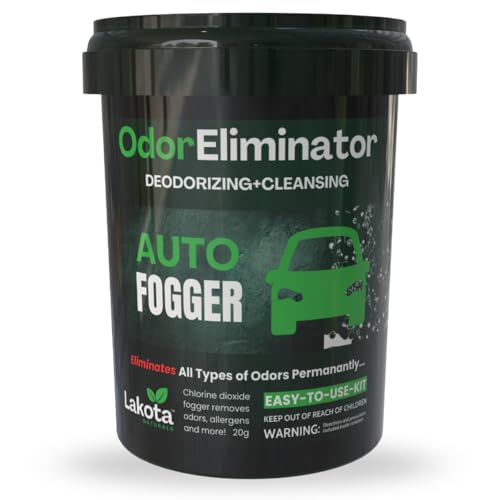
What Are the Essential Steps for Immediate Fish Odor Removal?
The essential steps for immediate fish odor removal begin with rapid physical cleanup: carefully blot up any liquid with paper towels or a cloth, avoiding rubbing to prevent spreading the odor. Immediately follow by removing solid remnants and then vacuuming the affected area comprehensively. A preliminary application of white vinegar can start neutralizing the amines before a deep clean.
If you’ve just had a fish spill, time is your biggest enemy. Acting within minutes can prevent the odor from setting in permanently. Follow this first-response protocol:
- Remove Solid Debris: Carefully pick up any solid pieces of fish or seafood. Use gloves if necessary.
- Blot, Don’t Rub: Using paper towels or a microfiber cloth, gently blot the spill. Press down firmly to absorb as much liquid as possible. Rubbing will only push the fish juice deeper into the fibers and spread the smell.
- Vacuum Thoroughly: Once you’ve blotted the area, use a wet/dry vacuum to suck up any remaining moisture and small particles from the surface.
- Apply an Initial Neutralizer: Lightly spray the affected area with a solution of 50% white vinegar and 50% water. This will begin the chemical process of neutralizing the amines on contact. Let it sit for about 10-15 minutes.
- Ventilate the Vehicle: Open all the car doors and windows to let fresh air circulate. This helps to carry away the initial volatile odor compounds.
This immediate response won’t completely solve the problem but is a critical first step that dramatically reduces the amount of deep cleaning you’ll have to do later.
How Do You Deep Clean Specific Car Interior Areas for Fish Smell?
To deep clean specific car interior areas for fish smell, adapt your method to the material: for fabric seats and carpets, use an enzymatic cleaner with a stiff brush and thorough wet vacuuming; for leather, wipe with a mild, pH-neutral cleaner and condition; for vents, spray an HVAC odor eliminator; and for headliners, gently blot with a mild fabric cleaner, being careful not to oversaturate. Each car interior material [like Fabric, Leather, Carpet] requires a specific cleaning agent and technique to ensure the odor is removed safely and effectively without causing damage.
After your immediate response, it’s time for a targeted deep clean. Fish odors can hide in various places, and each surface requires a tailored approach.
How Do You Clean Car Carpet and Fabric Seats for Fish Odor?
To remove fish smell from car carpet and fabric seats: 1. Thoroughly vacuum the area. 2. Spray an enzymatic cleaner liberally onto the affected spot. 3. Gently scrub with a stiff brush to work the cleaner into the fibers. 4. Let it dwell for 15-30 minutes. 5. Use a wet/dry vacuum or an upholstery extractor to remove all moisture and cleaner, repeating until the water runs clear. This extraction step is critical because it physically pulls the dissolved odor molecules out of the porous fabric.
Here is a more detailed breakdown of this professional auto detailer method:
- Preparation: Start by vacuuming the carpet or seat thoroughly to remove any dry debris.
- Apply Cleaner: Generously spray a high-quality enzyme cleaner or a 50/50 white vinegar and water solution onto the affected area. Don’t be afraid to saturate it slightly, as the cleaner needs to reach as deep as the spill did.
- Agitate: Use a stiff upholstery brush to gently scrub the area in multiple directions. This agitation helps the cleaner penetrate the fibers and break down the organic matter.
- Dwell Time: Allow the cleaner to sit and work for at least 15-30 minutes. This gives the enzymes or acid time to break down and neutralize the fish compounds.
- Extraction: This is the most important step. Use a wet/dry vacuum or a dedicated carpet extractor to pull all the liquid out of the fabric. You may need to do several passes. On the final pass, you can lightly spray the area with clean water and extract it to “rinse” the fibers.
- Drying: Maximize airflow by opening windows or using a fan to help the area dry completely. Trapped moisture can lead to new smells like mildew.
How Do You Remove Fish Odor from Car Leather Seats?
To safely remove fish smell from car leather seats, use a dedicated, pH-neutral leather cleaner applied to a microfiber cloth, gently wiping the affected areas. Avoid harsh chemicals or excessive moisture. After cleaning, apply a leather conditioner to rehydrate and protect the material.
Leather is less porous than fabric, but odors can still cling to the surface and get trapped in stitching. Using the wrong products can cause permanent damage.
- Test First: Always test any cleaner on a small, inconspicuous area of the leather first to ensure it doesn’t cause discoloration.
- Apply Cleaner to Cloth: Spray a small amount of a pH-balanced leather cleaner onto a clean microfiber cloth, not directly onto the seat.
- Wipe Gently: Gently wipe down the affected area of the leather seat. Pay special attention to seams and perforated sections where odors can hide.
- Dry with a Clean Cloth: Use a second, dry microfiber cloth to wipe away any excess cleaner and moisture.
- Condition the Leather: After cleaning, apply a quality leather conditioner. This step is crucial as it restores moisture to the leather, keeps it supple, and helps create a protective barrier against future spills.
How Do You Remove Fish Smell from Car Vents and AC System?
To remove fish smell from car vents and the AC system, first replace the cabin air filter, as it can trap odors. Then, use an automotive-specific HVAC odor eliminator spray, following manufacturer instructions to apply it through the air intake and into the vent system, allowing it to circulate and eliminate embedded smells.
If you notice the fish smell gets worse when you turn on the heat or AC, the odor has likely infiltrated your car’s ventilation system.
- Replace Cabin Air Filter: The cabin air filter [a component of the AC system] is designed to trap particles and can absorb odors. If it’s been contaminated, replacing it is often the easiest and most effective fix.
- Use an HVAC Cleaner: Purchase an automotive vent and duct cleaning spray. These products typically come with a long tube for application.
- Follow Instructions: Turn your car’s fan on high with the AC running. Spray the cleaner into the exterior air intake vents (usually at the base of the windshield) and sometimes directly into the interior vents as directed by the product’s manufacturer instructions.
- Circulate and Ventilate: Let the system run for 10-15 minutes to circulate the cleaner through the entire system. Afterwards, open all the windows and doors to air out the car completely.
How Do You Remove Fish Odor from Car Headliner, Door Panels, and Dashboard?
To remove fish smell from sensitive car surfaces like the headliner, door panels, and dashboard, apply a very mild interior cleaner or diluted white vinegar onto a clean microfiber cloth, then gently blot (for headliners) or wipe (for panels/dashboard) the affected area. Always test in an inconspicuous spot first to prevent discoloration or damage.
These areas are sensitive and easily damaged. The headliner, in particular, has adhesive that can be ruined by too much moisture.
- For the Headliner: Never spray cleaner directly onto the headliner. Lightly dampen a microfiber cloth with a gentle fabric cleaner and carefully blot the area. Do not scrub or oversaturate it, as this can cause the fabric to sag.
- For the Dashboard and Door Panels: These hard surfaces can be wiped down. Use a gentle all-purpose interior cleaner on a microfiber cloth. For stubborn smells, a cloth lightly dampened with a diluted vinegar solution can be used, followed by a wipe-down with a clean, damp cloth to remove any residue.
Which Odor Eliminators and Neutralizers Are Most Effective?
The most effective odor eliminators and neutralizers for fish smell vary by method: baking soda physically absorbs odors, white vinegar chemically neutralizes the alkaline amine compounds, enzymatic cleaners break down organic matter at a molecular level, and activated charcoal adsorbs odors over time. For severe cases, professional ozone generators offer comprehensive deodorization.
Choosing the right product depends on the severity of the smell and where you are in the cleaning process. The table below compares the most common and effective options.
| Feature/Aspect | White Vinegar | Baking Soda | Enzyme Cleaner | Activated Charcoal | Ozone Generator |
|---|---|---|---|---|---|
| Mechanism | Neutralizes alkaline amines | Absorbs odors & moisture | Breaks down organic molecules | Adsorbs odors | Oxidizes odor molecules |
| Effectiveness | High for surface, moderate for embedded | High for light/moderate, preventative | High for organic odors | Moderate for persistent, good for maintenance | Very High for severe/pervasive |
| Safety | Generally safe, acidic | Very safe, non-toxic | Generally safe, non-toxic | Very safe | Requires empty vehicle, ventilation, safety precautions |
| Cost | Very Low | Very Low | Moderate | Low (reusable) | High (rental/professional service) |
| Best Use Case | Immediate spill, initial neutralization | Overnight absorption, preventative | Deep-set organic odors, bio-spills | Long-term maintenance, slow absorption | Severe, pervasive, lingering odors; professional use |
- White Vinegar: The go-to for immediate neutralization. Its acidity directly counteracts the fishy amines.
- Baking Soda: Best used after cleaning to absorb any remaining ambient odors. Sprinkle it on dry carpets and seats, let it sit overnight, and vacuum it up.
- Enzyme Cleaners: The best choice for deep-set organic spills. The enzymes digest the source of the smell, offering permanent removal.
- Activated Charcoal: A passive but effective long-term solution. Place bags of charcoal around the car to continuously absorb stray odor molecules.
- Ozone Generators: A powerful, professional-level tool for severe odors. The ozone gas (O3) permeates every corner of the car and oxidizes odor molecules. Crucial Safety Note: Ozone is harmful to breathe and can damage rubber and plastics over time. The car must be completely empty of people, pets, and plants during treatment, and thoroughly ventilated afterward.
How Can You Remove Stubborn or Lingering Fish Odors?
To remove stubborn or lingering fish odors, consider professional solutions like ozone treatment or hydroxyl generation, which penetrate deeply to neutralize embedded odor molecules. For DIY, repeated applications of enzyme cleaners combined with thorough ventilation and activated charcoal can gradually reduce persistent smells. Thorough sun exposure can also help.
Sometimes, even after a thorough cleaning, a faint fishy smell remains. This happens when the odor molecules have penetrated deep into foam cushions or hidden crevices. Here are advanced strategies for these stubborn cases:
- Repeat the Deep Clean: Sometimes, a single cleaning isn’t enough. A second or third round of applying an enzyme cleaner and extracting it with a wet/dry vacuum may be necessary.
- Harness the Sun: If weather permits, park your car in direct sunlight with the windows cracked open. The heat can help “bake out” some of the deep-set odor molecules, and the UV rays have a natural sanitizing effect.
- Use an Ozone Generator: For truly severe, “rotten fish smell” situations, renting an ozone generator is often the most effective solution. These machines fill the car with ozone gas, which chemically destroys odor molecules everywhere, including inside vents and under seats. Strict adherence to ozone safety precautions is mandatory.
- Consult a Professional Detailer: Professional auto detailers have access to industrial-strength cleaners, thermal foggers, and other specialized tools that are not available to the public. If you’ve tried everything and the smell persists, it might be time to call in an expert.
How Do You Prevent Fish Smell from Returning to Your Car?
To prevent fish smell from returning to your car, consistently use sealed, leak-proof coolers or containers when transporting seafood or fishing bait. Place protective liners or blankets on seats and in the trunk, ensure proper ventilation after transport, and maintain regular car interior cleaning habits, including vacuuming and the use of odor-absorbing products like activated charcoal.
Prevention is always easier than remediation. Adopt these car hygiene habits to avoid future fish odor problems:
- Contain the Source: Never place fresh seafood or fishing bait directly on your car’s seats or carpet. Always use a high-quality, sealed, and leak-proof cooler.
- Use Protective Liners: Place a waterproof trunk liner or an old blanket down as an extra layer of protection under your cooler.
- Clean Spills Immediately: If a spill does happen, pull over as soon as it’s safe and perform the “Immediate Removal” steps outlined earlier.
- Maintain Your Cooler: Regularly clean and dry your fishing cooler to prevent old odors from building up inside it.
- Regular Interior Cleaning: Vacuum your car regularly and wipe down surfaces. A clean car is less likely to harbor bad smells.
- Keep Odor Absorbers On Hand: Place a bag of activated charcoal or an open box of baking soda under a seat to passively absorb any ambient odors that arise.
FAQs About how to remove fish smell from car
How long does fish smell last in a car?
Fish smell can last anywhere from a few days to several months in a car, depending on the severity of the spill, how deeply it has penetrated materials, and the promptness and thoroughness of cleaning. Without proper deep cleaning and neutralization, the volatile amine compounds causing the odor can persist indefinitely, especially in porous materials like carpet and fabric.
Can fish smell in a car make you sick or is it dangerous?
While generally not dangerous in terms of toxicity from the odor itself, a strong, persistent fish smell can be quite unpleasant and cause headaches, nausea, or discomfort for sensitive individuals. The presence of a fishy smell could also indicate bacterial growth or mold if moisture is involved, which can pose health risks over time. It’s more of a nuisance and a sign of organic decomposition than an immediate health hazard.
Will simply airing out my car get rid of fish smell?
Simply airing out your car might temporarily reduce a very mild fish smell, but it is unlikely to eliminate a persistent or deeply embedded odor. The volatile amine compounds bond with car interior materials, requiring active cleaning agents and extraction methods to truly neutralize and remove them. Ventilation is a crucial part of the process but is rarely sufficient on its own.
What is the best home remedy for fish smell in a car?
The best home remedy for fish smell in a car involves a combination of white vinegar and baking soda. White vinegar (an acid) effectively neutralizes the alkaline amine compounds causing the fish odor. Baking soda, on the other hand, is excellent for absorbing residual odors and moisture. Use them in tandem for a potent DIY cleaning solution.
How do professional detailers remove fish smell from cars?
Professional detailers remove fish smell from cars by first identifying and meticulously cleaning the source, followed by deep extraction using industrial-grade enzyme cleaners and steam. For stubborn odors, they often employ advanced techniques like ozone generator treatments or thermal fogging, which can thoroughly penetrate all interior surfaces to oxidize and eliminate odor molecules.
Does coffee grounds or vanilla extract work to remove fish smell?
Coffee grounds and vanilla extract can act as temporary odor maskers, but they do not effectively remove or neutralize the underlying fish smell. They simply cover up the offensive odor with a stronger, more pleasant scent. For permanent removal, chemical neutralization or enzymatic breakdown of the amine compounds is necessary.
How can I remove fish oil smell from my car?
Removing fish oil smell from your car requires similar steps to general fish odor, but with an emphasis on degreasing. Start by blotting any fresh oil. Then, use a citrus-based degreaser or an enzyme cleaner designed to break down oils. Follow with thorough cleaning of the upholstery or carpet, and finish with an odor neutralizer and activated charcoal.
Is it safe to use hydrogen peroxide on car interior for fish smell?
Using hydrogen peroxide on a car interior for fish smell should be done with extreme caution, as it can potentially bleach or discolor some fabrics and materials. While it has oxidizing properties that can break down odors, it’s generally recommended only for lighter-colored surfaces after testing. Always dilute it and test on an inconspicuous area first.
How can I tell if the fish smell is gone permanently?
You can tell if the fish smell is gone permanently by leaving your car windows closed for a few hours, especially in warm weather, then checking for any lingering odor. The absence of any fishy notes, even after the car has been sealed and warmed up, indicates successful removal. Repeated checks over several days provide greater assurance.
Can a fish smell in my car actually be an electrical issue?
Yes, in rare cases, a fishy or burning plastic smell can indicate an electrical issue, such as overheating wiring or melting plastic components. This smell is distinct from the organic odor of actual fish. If you notice a fishy smell without any food source and it’s accompanied by other electrical problems, have your vehicle inspected by a mechanic immediately.
Key Takeaways: How to Remove Fish Smell from Car Summary
- Act Immediately: The single most important factor is a rapid response. Blotting fresh spills and removing the source material prevents deep contamination of porous car materials.
- Use the Right Chemistry: The fish smell is caused by alkaline amines. Neutralize it effectively with an acid like white vinegar, or break it down with a targeted enzyme cleaner.
- Deep Clean and Extract: Surface wiping is not enough. You must use a cleaning solution and then physically remove it—along with the dissolved odor molecules—from carpets and fabrics using a wet/dry vacuum.
- Tailor the Method to the Material: Fabric, leather, vents, and headliners all require different, specific cleaning techniques to avoid damage while effectively removing the odor.
- Ventilate and Dry Completely: Proper airflow is crucial throughout the process. It helps dissipate odors and ensures surfaces dry completely, preventing the growth of mold or mildew.
- Consider Advanced Options for Stubborn Odors: For severe, lingering smells, don’t hesitate to use more powerful solutions like an ozone generator or call a professional detailer.
- Prevention is Key: The best way to deal with fish smell is to avoid it. Always use sealed, leak-proof containers and protective liners when transporting seafood.
Final Thoughts on How to Remove Fish Smell from Your Car
Eliminating a potent fish smell from your car is a challenging but entirely achievable task. It requires patience and a systematic approach rather than a quick fix. By understanding that you are fighting a chemical reaction, you can move beyond temporarily masking the scent and focus on permanently neutralizing its source. With the right combination of immediate action, targeted deep cleaning, and thorough ventilation, you can restore your car’s interior to a fresh, clean, and pleasant state. What has been your experience with stubborn car odors?
Last update on 2026-03-06 / Affiliate links / Images from Amazon Product Advertising API


![BMW First Car Expert Costs Analysis and Buying Guide [year]](https://i0.wp.com/carxplorer.com/wp-content/uploads/2026/03/BMW-First-Car-Expert-Costs-Analysis-and-Buying-Guide-year-2.jpg?resize=60%2C60&ssl=1 "BMW First Car Expert Costs Analysis and Buying Guide [year] 10")
