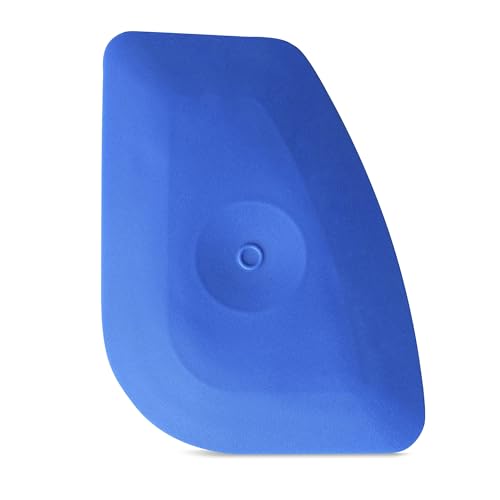
Struggling with how to remove car window adhesive? That stubborn, sticky residue from old decals, tint, or permits can be frustrating. It ruins your car’s clean look and can obstruct your view.
To remove car window adhesive, you must select the correct method—mechanical, chemical, or heat—based on the adhesive’s type and then apply it using safe techniques to prevent damage. This involves using tools like razor blades or solvents like isopropyl alcohol while protecting your vehicle’s paint and trim.
Based on an analysis of current professional methods and detailing best practices, this guide provides a complete, step-by-step framework. You will discover how to safely handle every type of adhesive, from simple sticker residue to tough urethane sealant, ensuring a perfectly clean finish.
Key Facts
- Method Varies by Adhesive: The technique to remove a simple dealer decal is vastly different from removing hardened urethane sealant, which is a structural component.
- Technique Over Strength: Using a fresh razor blade at a shallow 15-45 degree angle with lubrication is more effective and safer than applying brute force, which can scratch the glass.
- Chemicals Carry Risks: While effective, solvents like acetone can cause irreversible damage to paint, plastic trim, and aftermarket window tint, demonstrating the need to test on an inconspicuous area first.
e> * Heat is a Powerful Tool: A heat gun or hair dryer can significantly weaken the bond of stubborn, baked-on adhesive, making mechanical removal much easier.- Protection is Non-Negotiable: Industry analysis shows that a majority of DIY damage occurs not to the glass itself but to the surrounding paint and rubber seals, highlighting the importance of proper masking.
How to Remove Car Window Adhesive Safely and Effectively?
Safely removing car window adhesive requires selecting the correct method—mechanical, chemical, or heat—based on the adhesive type, and prioritizing safety precautions to prevent damage to the glass or car paint. This guide covers preparation, specific techniques for different glues, and post-removal care. From sticky residue left by a parking permit to the tough, baked-on glue from old window tint, each situation demands a slightly different approach. Understanding the nature of the adhesive is the first step toward a clean, damage-free removal.

The process isn’t just about applying a solvent and wiping. It involves a systematic approach that balances effectiveness with the absolute need to protect your vehicle’s components, such as glass integrity and paint. The primary types of adhesives you might encounter include sticker residue, old car window tint glue, and industrial-grade urethane sealant used for windshields. Each has unique properties. By following a tested method, you can avoid common pitfalls like scratched glass or harmed paint, ensuring the job is done right the first time. This connects to the broader practices of automotive detailing and auto maintenance, where precision and care are paramount.
What Essential Tools and Materials Do You Need for Car Window Adhesive Removal?
To remove car window adhesive, gather a fresh razor blade scraper, plastic scraper, specific adhesive remover (like Goo Gone or 3M General Purpose Adhesive Cleaner), isopropyl alcohol, microfiber towels, and safety gloves. These tools facilitate both mechanical and chemical removal methods, ensuring you are prepared for any type of residue. Having the right supplies on hand before you start is a critical step that prevents you from improvising with items that could damage your vehicle.
Here is a breakdown of the essential items, their purpose, and key safety considerations. This list ensures you are equipped for a safe and effective removal process.
| Tool/Material | Purpose | Key Attribute | Safety Consideration |
|---|---|---|---|
| Razor Blade Scraper | Mechanically remove thick adhesive/residue | Sharp, precise | Use at shallow angle, protect paint, new blade |
| Plastic Scraper | Safer for delicate areas/paint edges | Non-marring, flexible | Less effective on tough glues |
| Specialized Adhesive Remover (e.g., Goo Gone, 3M) | Dissolves various glues, sealants | Chemical resistant | Check compatibility with tint/paint, ventilation |
| Isopropyl Alcohol | Degreaser, removes light residue | Fast-evaporating | May not work on heavy glues, test first |
| Microfiber Towels | Application, wiping, polishing | Soft, lint-free | Avoid abrasive cloths |
| Heat Gun / Hair Dryer | Softens stubborn adhesive | Adjustable heat | Avoid overheating glass/surrounding materials |
| Safety Gloves & Glasses | Protect skin and eyes from chemicals/debris | Chemical resistant | Essential for all chemical applications |
How Do You Prepare Your Car Window for Safe Adhesive Removal?
Before removing car window adhesive, thoroughly clean the window with glass cleaner, mask off any surrounding paint, trim, or rubber seals with painter’s tape to protect them from chemicals or scratching, and ensure the work area is well-ventilated. This preparation is a non-negotiable safety precaution that separates a professional result from a costly mistake. Taking these few extra minutes can save you from hours of paint correction or replacing damaged seals.
Follow these steps for a safe and effective setup:
- Clean the Surface: Start by thoroughly cleaning the car window with a quality glass cleaner and a microfiber towel. This removes any surface dirt or grime that could get ground into the glass during scraping, causing scratches. A clean surface also allows the chemical removers to work directly on the adhesive.
- Protect Surrounding Areas: Use automotive-grade painter’s tape and plastic sheeting to mask off all adjacent painted surfaces, rubber seals, and plastic trim around the window. This is the most critical step to prevent accidental paint harm or damage from chemical drips.
- Ensure Proper Ventilation: If you are working indoors or using strong chemical solvents, open garage doors and windows to create cross-ventilation. The fumes from many adhesive removers can be harmful if inhaled in a confined space.
- Wear Protective Gear: Always wear chemical-resistant gloves to protect your skin from solvents and safety glasses to shield your eyes from splashes or flying debris. This is an essential safety procedure.
How Do You Mechanically Scrape Off Car Window Adhesive?
To mechanically remove car window adhesive, spray the area with glass cleaner to lubricate, then use a fresh razor blade at a shallow, consistent 15-45 degree angle, pushing gently in one direction to lift the residue without scratching the glass. This technique, used by professional detailers, relies on precision and lubrication rather than brute force. The key is to let the sharpness of the blade do the work, not the pressure you apply.
For a safe procedure that avoids scratches, follow these steps precisely:
- Lubricate Generously: Never scrape a dry window. Spray the adhesive and the surrounding area with a liberal amount of glass cleaner or a solution of soapy water. The liquid acts as a lubricant, allowing the blade to glide smoothly and reducing the risk of scratching.
- Position the Blade: Hold a fresh, new razor blade scraper at a shallow angle to the glass, somewhere between 15 and 45 degrees. A steeper angle increases the likelihood of digging into and scratching the glass.
- Apply Gentle, Even Pressure: With the blade angled correctly, push forward in a single, smooth motion. Do not use a back-and-forth sawing motion. Let the blade lift the adhesive off the surface. If you feel it chattering or catching, stop, re-lubricate, and check your angle.
- Use a Plastic Scraper for Sensitive Areas: For windows with a suspected aftermarket tint or near delicate paint edges, start with a plastic razor blade. While it requires more elbow grease, a plastic scraper is a much safer alternative and significantly reduces the risk of causing permanent surface damage.
- Wipe and Repeat: After each pass, wipe the lifted gunk from the blade and the glass with a microfiber towel. Re-lubricate the area and repeat the process until all the thick adhesive is removed.
What Chemical Solvents Effectively Dissolve Car Window Adhesive?
Chemical solvents like Goo Gone, 3M General Purpose Adhesive Cleaner, isopropyl alcohol, and a diluted ammonia solution can effectively dissolve car window adhesive by breaking its molecular bonds. The right choice depends on the adhesive’s strength and type. Always test any chemical in an inconspicuous area first to ensure it doesn’t harm your car’s surfaces, especially window tint, paint, or plastic trim. Good ventilation is a mandatory safety precaution when working with these products.
Here’s a comparison of common chemical removers and their best uses:
| Chemical Remover | Best For | Safety/Compatibility Notes |
|---|---|---|
| Specialized Adhesive Remover (e.g., Goo Gone, 3M) | Most types of sticker/decal residue, tint glue | Test on plastic/paint, good ventilation required |
| Isopropyl Alcohol (Rubbing Alcohol) | Light sticker residue, oily film, fresh glue | Generally safe for most surfaces, less potent |
| Acetone (Nail Polish Remover) | Tough, hardened glue, some urethane | HIGH RISK to paint, plastic, tint. Use with extreme caution. |
| Ammonia Solution (diluted) | Old tint film, some decal residue | Strong fumes, can damage tint. Use with ventilation. |
| Mineral Spirits | Heavier oil-based adhesives | Good ventilation, may leave residue. Test first. |
When using a chemical solvent, apply it to a microfiber towel and press it against the adhesive for several minutes. This allows the solvent to penetrate and break down the sticky residue. Once softened, the glue should be much easier to wipe away or gently scrape off. Never let harsh chemicals like acetone drip onto your paint or dashboard.
How Does Heat Assist in Removing Stubborn Car Window Adhesive?
To soften stubborn car window adhesive, apply heat evenly with a heat gun or hair dryer from a safe distance, keeping the tool in constant motion to prevent glass damage. Heat works by weakening the adhesive’s bond, making the baked-on glue or stubborn decal much easier to peel or scrape off. This method is particularly effective for large areas like old window tint or large body-side decals.
For a safe and effective application, follow these steps:
- Choose Your Tool: A hair dryer on its highest setting can work for many common stickers. For tougher jobs like old window film, a dedicated heat gun provides more controlled and effective heat.
- Maintain a Safe Distance: Hold the heat source about 6-8 inches away from the glass. Getting too close can concentrate the heat in one spot, creating a thermal shock that could potentially crack the window or damage surrounding materials.
- Keep it Moving: Never hold the heat gun still. Use a constant, sweeping motion across the entire surface of the adhesive. The goal is to warm the entire area evenly, not to overheat one spot. The glass should feel hot to the touch, but not so hot that you cannot briefly touch it.
- Test and Peel: After heating the area for about 30-60 seconds, try to lift a corner of the decal or scrape at the adhesive with a plastic scraper. If it begins to lift easily, continue peeling while applying gentle heat just ahead of where you are pulling.
- Combine with Other Methods: Heat is often the first step, not the complete solution. After peeling away the bulk of the sticker or film, you will likely need to use a chemical solvent or scraper to remove any remaining sticky residue.
How Do You Safely Remove Specific Types of Car Window Adhesive?
To remove car window adhesive, tailor your approach: use heat and specialized removers for tint glue, industrial solvents and cutting tools for urethane sealant, and a combination of heat and mild chemicals for dealer decals or parking permits. Not all adhesives are created equal. The sticky residue from a parking permit is chemically very different from the structural urethane holding your windshield in place. Recognizing the specific type of adhesive you are facing is crucial for choosing the right tools and techniques, preventing damage and frustration.
How to Remove Old Car Window Tint Glue Effectively?
To remove old car window tint glue, spray the residue with a mix of ammonia and water (or isopropyl alcohol), cover with a plastic bag to let it soak, then gently scrape using a plastic scraper, taking extreme care around rear defroster lines. The hazy film left behind after peeling off old tint is notoriously difficult to remove. This method, sometimes called the “garbage bag method,” uses chemical action to soften the glue for easier removal.
Follow these steps for a clean finish:
- Apply your chosen solution (a 10% ammonia solution or 70% isopropyl alcohol works well) liberally to the glue residue.
- Immediately cover the wet area with a black plastic garbage bag, pressing it flat against the glass. If working on a sunny day, the sun’s heat will accelerate the process.
- Let the solution soak for at least 30-60 minutes. This allows the chemicals to penetrate and dissolve the tough tint glue.
- Remove the plastic bag and begin scraping the softened, gummy residue with a plastic razor blade. For rear windows, always scrape parallel to the defroster lines to avoid damaging them. Never use a metal blade on defroster grids.
- Wipe away the scraped glue with a microfiber towel and repeat the process on any remaining spots.
How to Remove Tough Urethane Sealant from a Windshield?
To remove tough urethane sealant from a windshield, use an automotive urethane cutting tool or specialized wire to slice through the bulk of the sealant, then apply an industrial-grade chemical stripper to soften the remaining residue before carefully scraping it away. This is an advanced task, typically performed by auto glass experts during a windshield replacement. Urethane is a structural adhesive designed for passenger safety, not for easy removal.
If you are an advanced DIYer tackling this, here is the professional approach:
- Mechanical Cutting: Professionals use specialized tools like a cold knife, a wire-out tool, or a power urethane cutter to slice through the main bead of the hardened sealant between the glass and the car frame.
- Chemical Stripping: After the bulk is removed, an industrial-grade chemical stripper designed to break down polymers is applied to the remaining thin layer of urethane. This requires extreme caution and full protective gear, as these chemicals can damage paint instantly.
- Final Scraping: Once the chemical has softened the residue, it is carefully scraped away with a sturdy razor blade, ensuring the vehicle’s pinch weld is clean for the new installation. Due to the high risk of damage to the vehicle and the safety-critical nature of the windshield, this job is best left to a certified technician.
How Do You Clean and Protect Your Car Window After Adhesive Removal?
After removing car window adhesive, use a streak-free automotive glass cleaner and a clean microfiber towel to thoroughly clean the window, ensuring no “hazy film” or “oily residue” remains, then consider applying a glass sealant for protection. This final step is crucial for restoring perfect optical clarity and ensuring that your hard work results in a flawless finish. Skipping this can leave behind a subtle film from the removers that attracts dust and causes glare.
Follow this process for a pristine finish:
- Final Degreasing Wipe: Before using glass cleaner, wipe the entire area with a clean microfiber towel dampened with isopropyl alcohol. This will cut through any remaining oily residue from chemical removers like Goo Gone or WD-40.
- Clean with Quality Glass Cleaner: Spray a high-quality, ammonia-free automotive glass cleaner onto a fresh microfiber towel (not directly onto the glass to avoid overspray). Wipe the window in straight lines, flipping the towel to a dry side for a final buff.
- Inspect from All Angles: Check the glass from both inside and outside the car, looking at it from different angles. This will help you spot any remaining streaks or hazy patches that need another pass.
- Apply a Glass Sealant (Optional): For long-term protection and easier cleaning in the future, apply a hydrophobic glass sealant. This coating creates a super-slick surface that repels water and makes it harder for future stickers or grime to bond to the glass.
What Are Common Problems and How Do You Avoid Damage During Car Window Adhesive Removal?
To avoid damage during car window adhesive removal, prevent common issues like scratched glass, damaged paint, or chemical burns by always using a fresh blade at a shallow angle, masking off vulnerable areas, testing chemicals first, and wearing protective gear. Many DIY attempts end in frustration due to easily avoidable mistakes. Understanding these risks beforehand is the key to a successful, damage-free outcome.
Here are the most common problems and how to prevent them:
- Scratched Glass: This is almost always caused by using a dull or damaged razor blade, scraping on a dry surface, or using too steep of an angle. Solution: Always use a brand new razor blade for each job, keep the glass lubricated with glass cleaner, and hold the blade at a shallow 15-45 degree angle.
- Damaged Paint or Rubber Seals: Aggressive scraping near the window’s edge or drips from harsh chemical solvents are the primary culprits. Solution: Meticulously mask off all surrounding paint and rubber trim with automotive painter’s tape before you begin.
- Damaged Window Tint or Defroster Lines: Using a metal razor blade or harsh chemicals like ammonia on aftermarket tint or rear defroster grids can cause permanent damage. Solution: Always test chemicals on a hidden spot. On rear windows, only use a plastic scraper and move parallel to the defroster lines.
- Lingering Hazy Film: This “ghosting” is often the oily residue left behind by the adhesive remover itself. Solution: After the main job is done, perform a final cleaning with isopropyl alcohol to degrease the surface before a final wipe with a streak-free glass cleaner.

FAQs About how to remove car window adhesive
What is the best adhesive remover for auto glass?
The best adhesive remover for auto glass depends on the type of glue, but specialized automotive adhesive removers like 3M General Purpose Adhesive Cleaner or Goo Gone are highly effective for most sticker and tint residues. For tougher, cured sealants like urethane, industrial-grade chemical strippers or targeted solvents may be necessary. Always test a small area first.
Can I use a razor blade on my car window without scratching it?
Yes, you can safely use a fresh razor blade on most car windows for adhesive removal, but technique is critical to avoid scratching. Hold the blade at a very shallow angle (15-45 degrees) and keep both the blade and the glass wet with window cleaner or soapy water. Apply minimal, consistent pressure and avoid dragging the blade sideways.
Will rubbing alcohol damage car window tint?
Rubbing alcohol (isopropyl alcohol) is generally safe for factory car windows and for removing light adhesive residue, but it can damage aftermarket window tint, especially older or lower-quality films. It may cause the tint to haze, bubble, or even peel. Always test in an inconspicuous area if you suspect a tint is present.
How do you get baked-on adhesive off glass?
To remove baked-on adhesive from glass, a combination of heat and a strong solvent often works best. First, soften the adhesive with a heat gun or hairdryer. Then, apply an automotive-grade adhesive remover or acetone (with caution), allowing it to penetrate before carefully scraping with a plastic or fresh razor blade.
Is Goo Gone safe for car windows?
Goo Gone is generally safe for automotive glass and painted surfaces when used as directed, but it is typically not safe for window tint. Its strong solvents can penetrate and damage tint films, causing discoloration or bubbling. Always test on an inconspicuous spot before widespread use, and wipe away promptly after application.
How do you remove windshield adhesive sealant (urethane)?
Removing windshield adhesive sealant, typically urethane, is a professional task usually requiring specialized tools and techniques due to its strong, structural bond. It often involves using a urethane cutting tool (knife or wire) to slice through the bulk, followed by a strong solvent and careful scraping of any remaining residue. This is generally not a DIY task.
Can I use WD-40 on car windows to remove adhesive?
WD-40 can help loosen some types of adhesive residue on car windows due to its lubricating and solvent properties, making it a viable option for lighter tasks. Spray it on, let it sit for a few minutes to penetrate, then wipe or gently scrape the residue. However, it’s not as effective as dedicated adhesive removers for tough glues and can leave an oily film.
What takes glue off car glass without scratching?
To remove glue off car glass without scratching, prioritize lubrication, proper tools, and correct technique. Use ample glass cleaner or soapy water, and opt for a plastic scraper first. If a razor blade is necessary, ensure it’s brand new and used at a very shallow angle. Always avoid dry scraping or excessive pressure.
How to remove old window film glue from the rear window with defroster lines?
Removing old window film glue from a rear window with defroster lines requires extreme caution to avoid damage. Apply a diluted ammonia solution or rubbing alcohol, cover with a plastic bag to soak for a period, then gently dab and lightly scrape with a plastic scraper only, moving parallel to the defroster lines. Avoid harsh chemicals or metal blades.
What is the difference between an adhesive remover and a degreaser for car windows?
An adhesive remover is specifically formulated to break down the chemical bonds of glues and sticky residues, while a degreaser is designed to dissolve oils, grease, and grime. While some degreasers might help with oily adhesive residues, a dedicated adhesive remover is more effective for direct glue removal due to its targeted chemical composition.
Key Takeaways: How to Remove Car Window Adhesive Summary
- Safety First is Paramount: Always protect yourself and your vehicle by masking off paint and rubber, ensuring good ventilation, and wearing appropriate safety gear when dealing with adhesive removers or sharp tools.
- Method Depends on Adhesive Type: Different adhesives (sticker residue, tint glue, urethane sealant) require tailored approaches, combining mechanical scraping, chemical dissolution, and heat application for optimal results.
- Choose the Right Tools: A fresh razor blade (used correctly), plastic scrapers, specialized automotive adhesive removers (like Goo Gone or 3M), and isopropyl alcohol are essential for effective and damage-free removal.
- Preparation and Technique are Key: Thoroughly cleaning the window beforehand and applying precise techniques, such as using a razor blade at a shallow angle or constantly moving a heat source, prevent scratches and surface damage.
- Beware of Damage Risks: Improper use of chemicals (like acetone near paint/plastic) or tools (dry scraping) can lead to scratched glass, paint harm, or damaged window tint; always test and proceed with caution.
- Special Care for Tint and Urethane: Removing old window tint glue requires gentle, often ammonia-based methods around defroster lines, while urethane sealant typically demands professional-grade cutting tools and industrial solvents.
- Finish with a Clean Touch: After removing all adhesive, clean the window with a streak-free glass cleaner and a microfiber towel to remove any hazy film, considering a glass sealant for lasting protection.
Final Thoughts on How to Remove Car Window Adhesive
Removing car window adhesive doesn’t have to be a daunting task that leaves your vehicle looking worse than before. By understanding the different types of adhesives and employing the appropriate tools and techniques—whether it’s careful scraping, chemical dissolution, or controlled heat application—you can achieve professional-looking results right at home. Always prioritize safety, take your time, and remember that patience and precision are your best allies in maintaining your car’s aesthetic and structural integrity. With this comprehensive guide, you’re now equipped with the “expert advice” and “proven techniques” to tackle any sticky situation on your car windows with confidence.
Last update on 2026-03-06 / Affiliate links / Images from Amazon Product Advertising API