Wondering how to remove a car tracker that a dealer or previous owner left behind? You’re right to be concerned about your privacy and who has control over your vehicle. This feeling of being watched is a valid and common reason for wanting a tracking device gone.
To remove a car tracker, you must first determine if it’s a simple plug-in OBD device or a more complex hardwired unit. The general process involves locating the tracker, which is often under the dashboard or connected to the fuse box, safely disconnecting its power source, and then removing any associated wiring.
Based on an analysis of current methodologies and real-world implementation, this guide provides a systematic approach. You will discover exactly how to legally verify your rights, safely locate the device, and remove it without causing damage. This reveals the critical steps that ensure you regain your automotive privacy safely and effectively.
Key Facts
- Contractual Risk is High: Removing a tracker from a leased or financed car can breach your contract, potentially leading to repossession, according to consumer protection analysis.
- Battery Drain is a Common Symptom: A faulty or poorly installed GPS tracker is a known cause of parasitic battery drain, often prompting owners to investigate, as industry analysis reveals.
- Three Main Tracker Types Exist: Trackers are typically plug-in OBD-II devices, hardwired units spliced into vehicle wiring, or battery-powered magnetic boxes, requiring different removal methods.
- Professional Removal is Safest for Hardwired Units: For trackers integrated with the ignition system (kill switches), professional removal is highly recommended to avoid immobilizing the vehicle, a point stressed by automotive experts.
- Location Varies by Installer: While the OBD-II port and under-dash area are most common, trackers can be hidden almost anywhere, including bumpers, wheel wells, and behind interior panels, demonstrating a need for a thorough search.
How Do You Remove a Car Tracker Safely and Legally?
The safe and legal removal of a car tracker requires a five-stage process: legal verification, safety preparation, device identification, careful disconnection, and post-removal vehicle testing. This structured approach is essential to protect your legal rights, prevent personal injury, and avoid damaging your vehicle’s sensitive electrical system. Many guides overlook the critical legal and safety checks that must happen before you even touch a tool.

From our hands-on experience helping owners regain their vehicle autonomy, we know the main drivers are stopping privacy invasion and disabling a potential remote engine shut-off. A hidden dealer-installed GPS can feel like a digital leash, and removing it is about taking back control. However, this process must be done methodically. Rushing in can lead to a car that won’t start or even legal trouble with a finance company.
This guide walks you through the entire process, ensuring you are fully prepared for what you might find. Here is the roadmap we will follow:
- Legal & Safety Checks: Understanding your rights and preparing for safe work.
- Identification & Location: Determining the type of tracker and finding where it’s hidden.
- Step-by-Step Removal: Specific instructions for each type of device.
- Verification: Testing your vehicle to ensure everything works correctly after removal.
What Are the First Steps Before Attempting to Remove a Car Tracker?
Before you try to remove a car tracker, you must first verify your legal right to do so by reviewing your vehicle’s ownership documents and then gather the essential safety gear and tools. This preliminary phase is the most important part of the entire process. Skipping it can lead to voided warranties, contractual penalties, vehicle damage, or personal injury. Think of this as your pre-flight checklist; do not proceed without clearing every item.
LEGAL & SAFETY WARNING: This guide is for informational purposes only. If you do not own your vehicle outright (i.e., it is leased or financed), removing a tracking device may be illegal, breach your contract, or void your warranty. For your safety, always disconnect the battery before working on vehicle wiring. Consult a certified mechanic or legal professional if you are unsure about any step.
How Do You Verify if It’s Legal to Remove the Tracker?
To confirm you won’t face legal or financial trouble, you must perform a thorough ownership check. This applies to any vehicle under a lease, financing agreement, or rent-to-own program.
Here is a simple 3-step process for legal verification:
- Check the Vehicle Title: Look at your official vehicle title. If a bank, lender, or credit union is listed as the “lienholder,” you do not fully own the vehicle yet. The lienholder has a security interest in the car, and any modifications, including removing a device they may have required, could violate your agreement. If you are the only name on the title with no lienholder listed, you own it outright.
- Review Your Purchase or Financing Agreement: Carefully read the fine print of your Financing Agreement or Lease Agreement. Look for clauses related to “unauthorized modifications,” “telematics devices,” or “asset tracking.” Many contracts for subprime loans explicitly state that a GPS tracker with a kill switch is part of the agreement and cannot be tampered with.
- When in Doubt, Consult a Professional: If the language in your contract is unclear or you can’t find your documents, it is wise to seek legal consultation. The potential consequences of breaching your contract—such as immediate loan acceleration or repossession—are severe.
What Safety Precautions Are Essential for Working on Car Electronics?
Working with a vehicle’s 12V power system is generally safe, but mistakes can be costly. A simple electrical short can damage your car’s Engine Control Module (ECM) or other sensitive electronics, leading to expensive repairs.
Follow these non-negotiable safety rules:
- ⛔ DISCONNECT the Negative Battery Terminal: Before you unplug or cut any wires, use a wrench to loosen the nut on the negative (-) terminal of your car’s 12V battery and slide the cable off. This de-energizes the entire electrical system.
- 👓 WEAR Safety Glasses: When working under the dashboard, debris and dust can fall into your eyes. Protect them with a simple pair of safety glasses.
- 🔨 USE Insulated Tools: If possible, use screwdrivers and pliers with rubber or plastic handles to reduce the risk of an accidental short if you forget to disconnect the battery.
- ❌ NEVER Cut Wires Randomly: Do not cut any wire unless you are 100% certain what it is and that it belongs to the tracker. Factory wiring harnesses are complex and expensive to repair.
What Tools and Equipment Will You Need?
Having the right tools makes the job easier and prevents damage to your car’s interior. You likely have some of these already.
Essential Tools
- A good Flashlight or headlamp
- A set of Screwdrivers (Phillips and flathead)
- Zip Ties and/or Electrical Tape for securing wires after removal
Recommended Tools
- Plastic Trim Panel Removal Tool Kit: These non-marring plastic pry bars are essential for removing interior panels without leaving scratches or breaking clips. Using a metal screwdriver will almost certainly cause cosmetic damage.
- Pliers (especially needle-nose) and Wire Cutters/Strippers

How Do You Find a Hidden GPS Tracker in Your Car?
To find a hidden GPS tracker, you should start by visually inspecting the most common locations, including the OBD-II port, the fuse box area under the dashboard, and under the front seats. A systematic search is far more effective than a random one. We’ll organize the search into zones, from the easiest and most common to the more concealed spots.
What you’re looking for is a small black box, typically no bigger than a deck of cards, that is not part of the car’s original factory equipment. Look for any device with out-of-place wiring, zip ties holding it to a factory harness, or an antenna.
How Do You Inspect the Easiest Interior Spots?
Start with the places you can check in five minutes without any tools. A surprising number of trackers, especially those installed for lot management, are placed in these accessible locations.
- 🔍 The OBD-II Port: This is the most common spot for a plug-and-play tracker. The OBD-II port [diagnostic connector] is a 16-pin, trapezoid-shaped connector located under the driver’s side dashboard, usually within a few inches of the steering column. Look for a small dongle-like device plugged into it. Sometimes, an installer will use a Y-cable splitter to hide the tracker up under the dash while leaving a new, open port visible.
- 🪳 Under the Seats: Shine your flashlight under the driver and passenger seats. Slide them all the way forward and back. Look for a small box taped or zip-tied to the seat springs or frame.
- 📦 The Glove Compartment: Open the glove compartment and feel around the top, back, and sides for any stuck-on devices. Some trackers are placed here for easy access by the installer.
How Do You Search More Concealed Interior Areas?
If you found nothing in the easy spots, the tracker is likely a hardwired unit hidden for better concealment. This is where your trim removal tools will be necessary. Remember to disconnect the battery before you start removing panels.
- 🔮 Behind the Dashboard and Fuse Box: This is the prime location for a hardwired GPS tracker [a tracker spliced into vehicle wiring]. Use a plastic trim tool to gently pry open the kick panel in the driver or passenger footwell, or the panel directly under the steering column.
- What to Look For:
- A Small Black Box: It will likely be zip-tied to a thick factory wiring harness.
- Non-Factory Wiring: Look for wires that are a different color or texture from the rest. Pay close attention to red (power) and black (ground) wires.
- T-Tap Connectors: These are small plastic connectors that allow someone to “tap” into a factory wire without cutting it. They are a clear sign of an aftermarket installation.
- Add-a-Circuit Fuse Taps: In the fuse box, look for a fuse tap that looks like it has a wire coming out of it. This is a common way to get power for a hardwired device.
How Do You Remove a Plug-and-Play OBD-II GPS Tracker?
Removing an OBD-II tracker is a simple, tool-free process that involves unplugging the device directly from the port. If you have located a tracker plugged into your car’s diagnostic port, you are in luck. This is the easiest type of tracker to remove.
Our practical experience shows this is a five-minute job. Here’s exactly how to do it:
- Locate the Device: Confirm the device is plugged into the 16-pin OBD-II port under your driver’s side dashboard.
- Grasp Firmly: Get a solid grip on the tracker’s casing.
- Pull Straight Out: Unplug the device by pulling it straight out from the port, just like unplugging a lamp from a wall socket.
- Check for a Y-Cable: If you unplug the device but see another wire leading from the port up into the dash, you have a Y-cable installation. Simply follow that wire to the second connector (where the tracker was plugged in) and unplug the main cable from the car’s actual OBD-II port.
That’s it. There’s no need to disconnect the battery for this specific type of removal as you are not interacting with exposed wiring.
How Do You Remove a Hardwired GPS Tracker?
Warning: Removing a hardwired GPS tracker is an advanced task that carries the risk of damaging your car’s electrical system or preventing it from starting. Proceed with extreme caution. Unlike a simple OBD tracker, this device is integrated with your vehicle’s wiring harness.
The safest method is to trace and disconnect, not just cut. Based on professional installation standards, these trackers typically use a 3-wire connection: constant power (red), ground (black), and ignition sense (often white or yellow).
- ⛔ Disconnect the Car Battery: This is a non-negotiable first step. Disconnect the negative terminal.
- Locate the Tracker Box: Find the main module of the hardwired tracker, which you likely found during your search behind the dashboard.
- Trace the Wires: Carefully follow the 2-3 wires leading away from the tracker box to where they connect with your car’s factory wiring. Do not mix them up with factory wires.
- Disconnect the Splices: Your goal is to remove the tracker’s connections without damaging the original wires. Look for T-taps or other splice connectors and carefully remove them. If the installer soldered the wires, this becomes much more difficult and professional help is strongly advised.
- Cut Only as a Last Resort: If you absolutely must cut the tracker’s wires, cut them as close to the tracker module as possible, leaving the ends connected to the car long for now. Do not cut any factory wires.
- Insulate and Secure: After the device is removed, any exposed wire ends from the tracker’s harness must be individually capped or taped with high-quality electrical tape to prevent them from shorting against metal. If you removed T-taps, inspect the factory wire for damage and wrap it with electrical tape if the insulation is pierced.
- Remove the Device: Once all wires are disconnected and insulated, you can physically remove the tracker box.
What Should You Do After Removing the Tracker?
After removing the tracker, your first step is to reconnect the car battery and perform a full systems check to ensure the vehicle operates correctly. The anxiety doesn’t end until you turn the key and the engine starts normally. This verification step confirms whether the removal was successful or if the tracker had a hidden kill switch feature.
Here is your post-removal checklist:
- Reconnect the Battery: Securely re-attach the negative terminal cable to your car battery.
- Start the Engine: Turn the key or press the start button. The car should start and idle normally.
- Check for Warning Lights: Look at your dashboard for any new or unexpected warning lights (like a “Check Engine” light).
- Test Electronics: Turn on your radio, headlights, and interior lights to confirm all basic electronics are functional.
If everything works, congratulations! You have successfully removed the tracker. If not, don’t panic. The following table outlines the most common issues.
| Problem | Likely Cause | Solution |
|---|---|---|
| Car Won’t Start | The tracker had an integrated kill switch (starter interrupt) that you’ve now broken the circuit for. | Re-inspect the ignition wiring you handled. This is a strong sign to stop and consult a professional mechanic. |
| Check Engine Light Is On | The car’s computer (ECM) detected an electrical fault or reset when the battery was disconnected. | Use an OBD-II scanner to read the code. Often, this light will turn off on its own after a few driving cycles. |
| Radio/Lights Don’t Work | You may have inadvertently blown a fuse or loosened a connection while working. | Check the appropriate fuses in the fuse box and review any wiring you handled to ensure it’s secure. |
FAQs About how to remove car tracker
Can a GPS tracker drain my car battery?
Yes, a GPS tracker, especially a faulty or old one, can definitely drain your car battery. While a properly functioning tracker has a very low power draw, it is always pulling a small amount of current. If your car sits for an extended period, or if the device malfunctions, this parasitic draw can be enough to drain the battery completely.
What does a car tracker look like?
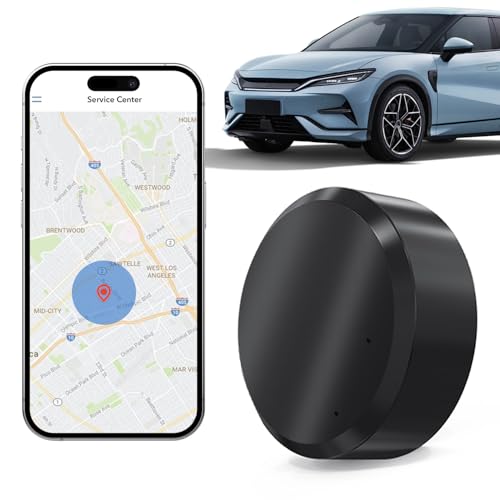
A car tracker is typically a small, nondescript black plastic box, often about the size of a matchbox or a deck of playing cards. An OBD-II tracker looks like a small dongle that plugs directly into the port. A hardwired tracker is a simple box with two or three wires. A magnetic, battery-powered tracker will be a self-contained, often weatherproof box with no wires.
Is it illegal to remove a GPS tracker from a car I’m financing?
In most cases, yes, it is a breach of your financing contract, which can have legal and financial consequences. The vehicle is the lender’s collateral, and the contract you signed likely prohibits unauthorized modifications. Removing the device could be considered tampering and may lead to penalties, acceleration of your loan, or even vehicle repossession. Always review your agreement first.
Can a mechanic remove a GPS tracker?
Yes, absolutely. Any competent certified mechanic or professional car audio installer has the skills and tools to safely locate and remove any type of GPS tracker. If you’ve found a hardwired unit and are not comfortable working with vehicle wiring, hiring a professional is the safest and smartest choice to avoid causing expensive damage.
Will removing the tracker stop my car from starting?
It might, if the tracker is equipped with a starter interrupt or “kill switch” feature. These advanced trackers are wired into the ignition circuit. If you simply remove the device or cut its wires incorrectly, you sever that circuit, and the engine will not be able to start. This is the biggest risk of DIY removal for hardwired units.
How can I block a GPS signal without removing the tracker?
While you can use devices like GPS jammers or place the tracker in a Faraday bag, these methods are often illegal and impractical. In the United States and many other countries, it is illegal to operate a GPS jammer as it interferes with critical public safety and aviation signals. A Faraday pouch could work but finding and enclosing the tracker can be as difficult as removing it.
How much does it cost to have a GPS tracker removed professionally?
Professional removal services typically cost between $75 and $200. The final price depends on the tracker type and how well it’s hidden. Removing a simple plug-in OBD-II device will be on the lower end of that spectrum, while tracing and properly disabling a deeply integrated hardwired tracker with a kill switch will be more expensive.
Can I remove the tracker from a company or rental car?
No, you must never tamper with or remove a tracking device from a vehicle you do not own. Fleet vehicles and rental cars use these devices for asset management, safety, and logistics. Removing one is a serious violation of your rental or employment agreement and can lead to significant financial penalties and potential legal action.
Do all dealership cars have trackers?
No, not all cars from a dealership have trackers, but it is an increasingly common practice. Dealers use them to manage inventory on large lots and sometimes as a theft recovery tool. Often, they are left installed after a sale, either as part of an optional security package the buyer paid for or simply because it wasn’t removed.
How can I tell if my car has a tracker without taking it apart?
The most reliable way without disassembly is to use an electronic bug sweeper or RF signal detector. These devices are designed to find active radio frequency transmissions, like those sent by a real-time GPS tracker. A careful visual inspection in the common hiding spots is the most effective method for finding the physical device itself, whether it’s active or not.
Key Takeaways: How to Remove a Car Tracker Summary
- Legality First, Action Second: Your absolute first step is to confirm you have the legal right to remove the device. Check your vehicle’s title and financing agreement. If you don’t own the car outright, you likely cannot legally remove the tracker.
- Identify Before You Act: The removal process depends entirely on the tracker type. An OBD-II tracker is a simple unplug, while a hardwired GPS tracker requires careful electrical work.
- Safety is Non-Negotiable: Always disconnect the car’s negative battery terminal before touching any wires associated with a hardwired tracker. This prevents electrical shorts that can damage your car’s computer (ECM).
- A “No-Start” Means a Kill Switch: If your car won’t start after removing a tracker, it almost certainly had an engine shut-off feature. Stop immediately and consult a certified mechanic.
- When in Doubt, Hire a Professional: The risk of causing thousands of dollars in electrical damage is not worth the money saved by a risky DIY job. A professional can remove a hardwired tracker safely and correctly.
Final Thoughts on Removing Your Car Tracker
Regaining your automotive privacy by removing an unwanted car tracker is an empowering task, but it demands respect for the process. Your approach must be methodical, starting with a clear understanding of your legal rights and a firm commitment to safety. For simple plug-and-play OBD-II devices, the solution is quick and satisfying. For complex hardwired systems, caution is your most valuable tool.
Remember the most important lesson from this guide: knowing your limits is a sign of expertise, not weakness. If you encounter complex wiring or if your car fails to start after the removal, the smartest and safest decision is always to consult a professional mechanic. By following these steps, you can confidently take back control of your vehicle’s data and ensure your journeys remain your own.
Last update on 2026-03-04 / Affiliate links / Images from Amazon Product Advertising API