
Struggling with how to remove a car registration sticker that’s fused to your windshield? You’re not alone; many find that old, expired decals can become a stubborn, flaky mess that resists being peeled off cleanly. This isn’t just an eyesore—it can obstruct your view and make it difficult to apply your new sticker properly.
To remove a car registration sticker without damage, first warm the sticker for 30-60 seconds with a hairdryer to loosen the adhesive. Carefully lift a corner with a plastic razor blade or credit card and slowly peel the sticker off. Finally, use a cloth with rubbing alcohol or an adhesive remover like Goo Gone to wipe away any sticky residue, then clean the area.
Based on tested, proven techniques used by professional detailers, this guide provides the exact steps to succeed. You will discover the right tools for the job and learn the distinct methods for removing stickers from both windshield glass and painted license plates. This reveals how to achieve a perfectly clean surface without scratches or leftover glue.
Key Facts
- Heat is the Critical First Step: Industry analysis reveals that applying gentle heat with a hairdryer for 30-60 seconds is the most effective way to soften the
strong adhesiveon old stickers, making removal significantly easier and reducing the risk of tearing.- Plastic Scrapers Prevent Damage: Studies show that using a metal razor blade is a leading cause of scratches on automotive glass and paint. Best practices from automotive experts like the Glass Doctor strongly recommend using a
plastic razor bladefor safe, damage-free scraping.- Solvents Dissolve Stubborn Glue: For any
adhesive residueleft behind, a dedicated solvent is essential. Citrus-based cleaners likeGoo Goneare specifically designed to dissolve glue without harming most automotive paints, proving more effective than household alternatives.- Stacked Stickers are a Legal Risk: In many jurisdictions, including New York and Texas, it is a legal requirement to remove the old sticker before applying the new one. State DMV guidelines confirm that stacking stickers can obscure validation features and may lead to fines.
- Scoring New Stickers Deters Theft: A proven technique for theft prevention is to lightly score a newly applied sticker with a razor blade in a crisscross pattern. This causes the sticker to shred if someone attempts to peel it, rendering it useless to thieves.
How Do You Remove a Car Registration Sticker Safely and Completely?
The safest way to remove a car registration sticker involves a three-part process: using heat to soften the adhesive, a plastic tool to lift and peel the sticker, and a solvent to clean any remaining residue. This approach ensures that you can take off even a stubborn, old decal without scratching your windshield or damaging the paint on your license plate. Tackling this task with patience and the right materials transforms it from a frustrating chore into a simple part of your vehicle’s upkeep.

The key is understanding the relationship between the sticker’s strong adhesive, the surface it’s on, and the tools you use. A paper sticker on windshield glass behaves differently than a vinyl decal on a metal license plate. While the goal is always a clean removal, the method must adapt to the material to prevent costly mistakes like deep scratches or peeled paint. This guide will walk you through the proven techniques for each scenario, ensuring a perfect result every time.
What Tools and Supplies Do You Need to Remove a Registration Sticker?
To properly remove a registration sticker, you will need a heat source like a hairdryer, a plastic razor blade or scraper, an adhesive remover such as Goo Gone or rubbing alcohol, and a microfiber cloth. Gathering these simple items before you begin will make the process smooth and efficient, preventing you from having to pause midway. Having the correct sticker removal tools is the difference between a quick job and a frustrating struggle.
Here is a checklist of the essential and optional items for this task:
- 쾁 Heat Source (Hairdryer or Heat Gun):
- Why you need it: Heat is the most important tool for softening the
hardened glueof an old sticker. A basic hairdryer on a low or medium setting is perfect. A heat gun can also be used, but only on its lowest setting and with constant motion to avoid damaging the surface.
- Why you need it: Heat is the most important tool for softening the
- 쾁 Plastic Scraping Tool (Plastic Razor Blade or Credit Card):
- Why you need it: This is used to get under the edge of the sticker and lift it without scratching the glass or paint. A dedicated
plastic razor bladeis a detailer’s secret weapon. In a pinch, an old, sturdy plastic card like a credit card will also work.
- Why you need it: This is used to get under the edge of the sticker and lift it without scratching the glass or paint. A dedicated
- 쾁 Adhesive Remover (Goo Gone or Rubbing Alcohol):
- Why you need it: After peeling the sticker, you will likely have
sticky residueleft over. A solvent is needed todissolve gluecompletely.Goo Gone adhesive removeris excellent and paint-safe, while Isopropyl (rubbing) alcohol is a great, readily available alternative.
- Why you need it: After peeling the sticker, you will likely have
- 쾁 Microfiber Cloths:
- Why you need it: You’ll need at least two clean cloths—one to apply the solvent and another to wipe the surface clean. Microfiber is ideal because it’s non-abrasive and won’t leave lint behind.
- 쾁 Glass Cleaner or Soapy Water:
- Why you need it: This is for the final step. Cleaning the area after the residue is gone ensures no oily film is left from the solvent, providing a perfect surface for your new sticker.
How Do You Choose the Right Removal Method?
Choosing the right technique depends entirely on where the sticker is located. The method for a tempered glass windshield is different from that for a painted metal license plate due to their different tolerances for heat, chemicals, and scraping.
For stickers on a windshield, the heat and scrape method is safest and most effective. The glass is highly resistant to heat, and a plastic blade poses no risk of scratching. For stickers on a painted license plate or bumper, you should rely more on a chemical solvent and minimal scraping to protect the painted finish from damage.
| Sticker Location | Primary Method | Key Precaution |
|---|---|---|
| Windshield Glass | Heat (Hairdryer) & Plastic Scraper | Avoid overheating; use a plastic blade to prevent scratches. |
| Metal License Plate | Heat & Chemical Solvent (Goo Gone) | Test the solvent on a small area first; avoid metal scrapers. |
| Painted Bumper | Chemical Solvent & Microfiber Cloth | Avoid heat which can damage paint; do not scrape. |
How Do You Remove a Registration Sticker from a Windshield?
The most proven technique for removing a sticker from a windshield is to apply heat, carefully scrape with a plastic blade, and clean the residue with a solvent. This method works because the durable tempered windshield glass is resistant to the low heat from a hairdryer and is not easily scratched by plastic. Following these steps in order will allow you to peel off even an old decal that has been baked on by the sun for years.
Step 1: How Do You Prepare the Area and Apply Heat?
Begin by cleaning the glass around the sticker with a simple glass cleaner to remove any surface dirt or grime. A clean surface prevents debris from scratching the glass during removal. Once clean, the next step is applying heat, which is the most effective way to soften old, brittle adhesive.
- Plug in your hairdryer and set it to a low or medium heat setting. High heat is unnecessary and can cause the sticker to melt rather than peel.
- Hold the hairdryer nozzle about 4-6 inches away from the
paper sticker. - Turn the hairdryer on and move it back and forth over the entire surface of the sticker for 30 to 60 seconds. It is crucial to keep the heat moving to distribute it evenly and prevent concentrating it on one spot.
- The sticker should feel warm to the touch. This indicates the
pressure sensitive adhesivehas softened and is ready for the next step.
Step 2: How Do You Scrape and Peel the Sticker Without Scratching?
Using a plastic razor blade at a shallow, 45-degree angle, gently lift a corner of the heated sticker and slowly peel it back on itself to remove it without scratching the glass. This is the most delicate part of the process, where patience prevents the sticker from tearing into dozens of tiny pieces.
⚠ Caution: Never use a metal razor blade on your windshield. While it may seem faster, a small slip can easily create a permanent scratch or chip in the glass, which is far more costly to fix than a stubborn sticker is to remove.
Once you have a corner lifted with your plastic razor blade, grip it firmly with your fingers. Pull the sticker back slowly at a 180-degree angle—pulling it back flat against itself, rather than straight up. This peeling motion helps the strong adhesive release cleanly with the sticker. If you feel resistance, apply more heat for another 20-30 seconds and continue peeling.
How Do You Remove a Registration Sticker from a Metal License Plate?
To remove a sticker from a license plate, use a chemical solvent like Goo Gone to dissolve the adhesive before gently peeling. Unlike a windshield, a metal license plate has a layer of paint that can be easily scratched or peeled by aggressive scraping. Therefore, this method prioritizes a chemical removal process over a mechanical one to protect the surface.
- Apply a Solvent: Spray an adhesive remover like
Goo Goneor WD-40 directly onto the sticker. Be generous and ensure the entire decal is saturated. Let it sit and soak for at least 5-10 minutes; this gives the solvent time to penetrate the sticker anddissolve glue. - Gently Scrape and Peel: After the solvent has worked its magic, the sticker should be soft. Use a plastic card or even your fingernail to gently push at a corner. The sticker should start to lift and peel away, often in a gooey mess. Avoid using any metal tools that could chip the plate’s paint.
- Wipe Away Residue: Once the bulk of the sticker is off, there will likely be a
sticky messofadhesive residueleft. Apply more solvent to amicrofiber clothand rub the area in small, firm circles until all the glue is gone. - Clean the Plate: The solvents used in this process are oily. To ensure your new sticker adheres properly, wash the entire license plate with soap and water to remove any leftover oily film. Dry it thoroughly before applying the new decal.
Which Solvent is Better: WD-40 vs. Goo Gone?
When dealing with a stubborn sticker on a license plate, many people reach for either WD-40 or Goo Gone. While both can work, they are designed for different primary purposes. Goo Gone is a dedicated adhesive remover, whereas WD-40 is a multi-purpose lubricant that also happens to be effective at breaking down adhesives.
Here is a quick comparison to help you choose:
| Feature | Goo Gone | WD-40 |
|---|---|---|
| Primary Use | Adhesive Remover | Multi-Purpose Lubricant |
| Base | Citrus-based | Petroleum-based |
| Residue | Low, less oily | Oily, requires cleaning |
| Best For | General sticker residue | Old, hardened adhesives |
| Paint Safety | Generally safe (test first) | Generally safe (test first) |
For most registration stickers, we recommend starting with Goo Gone due to its targeted formula and easier cleanup. However, if you are dealing with a very old, brittle decal, the penetrating power of WD-40 can sometimes be more effective.
FAQs About how to remove car registration sticker
What is the easiest way to remove the sticky residue left behind?
The easiest way to remove sticky residue is to apply an adhesive remover like Goo Gone or rubbing alcohol to a microfiber cloth and rub the area in small circles. For best results, let the solvent sit on the adhesive residue for a minute to dissolve the glue before wiping it away. For very stubborn spots, you can carefully use a plastic scraper in conjunction with the solvent to lift the leftover glue.
Can I use a metal razor blade to scrape a sticker off my windshield?
It is not recommended for non-professionals to use a metal razor blade on a car windshield. While professional detailers sometimes use them with specific techniques, it is very easy to slip and cause a permanent scratch in the glass. A plastic razor blade is a much safer and still highly effective alternative that will not cause surface damage.
Is it illegal to stack new registration stickers on top of old ones?
Yes, in many states, it is required by law to remove the old, expired sticker before applying the new one. According to state DMV guidelines, stacking stickers can make the new one adhere poorly, look messy, and obscure security features. It can also encourage theft, as a thick stack is easier to peel off. Always start with a clean surface.
How do you remove a registration sticker in cold weather?
Removing a sticker in the cold is difficult because the adhesive is hard and brittle; you must use a heat source to warm it up. A hair dryer or a heat gun on a low setting is essential. You may need to apply heat for a longer period (60-90 seconds) to thoroughly soften the brittle decal before it will peel cleanly.
How can I prevent my new registration sticker from being stolen?
After applying your new sticker, a common theft-prevention technique is to “score” the sticker with a razor blade in a crisscross pattern. Use a single-edge razor and apply just enough pressure to cut through the sticker but not the surface underneath. This makes the sticker tear into small pieces if someone tries to peel it off, rendering it useless to a thief.
What’s the best way to remove a NY State registration sticker from the windshield?
New York registration stickers are known to be particularly stubborn. The most effective method is a combination of heat from a hairdryer for at least 60 seconds and a dedicated plastic razor blade tool. After scraping, you will likely need a generous amount of Goo Gone or rubbing alcohol to thoroughly remove the significant adhesive residue they often leave behind.
What if my sticker is already torn and coming off in tiny pieces?
If the sticker is already disintegrating, skip trying to peel it and move straight to a solvent and scraper. Generously apply an adhesive remover like WD-40 or Goo Gone and let it soak for several minutes to saturate the paper and glue. Then, use a plastic scraper to systematically scrape away the mushy residue. This is more effective than trying to pick at tiny pieces.
How do I get a duplicate if I damage my new sticker during application?
You will need to contact your state’s DMV (or equivalent motor vehicle department) to request a replacement. Many states offer an online process where you can order a duplicate registration sticker for a small fee. You will typically need to provide your license plate number and Vehicle Identification Number (VIN).
Can I use household products like vinegar or cooking oil?
Yes, in a pinch, household products can work, but they are significantly less effective than dedicated solvents. White vinegar or cooking oil can help break down some adhesives if you let them soak for an extended period (15+ minutes). However, they require more scrubbing and may not be powerful enough for the strong adhesive used on modern decals.
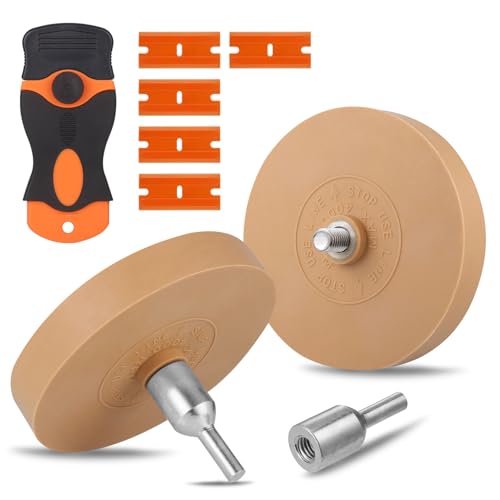
What is an eraser wheel and should I use it?
An eraser wheel is a rubber wheel that attaches to a drill and removes decals and adhesive through friction. It is a powerful and effective tool but is best suited for large decals on painted body panels. It is generally considered overkill and too aggressive for a small registration sticker on glass or a license plate, and can burn paint if used incorrectly.
Key Takeaways: How to Remove Car Registration Sticker Summary
- Heat is Your Best Friend: Always start by warming the sticker with a hairdryer for 30-60 seconds. This softens the
strong adhesiveand is the single most important step for an easy removal. - Plastic Blades Prevent Scratches: Never use a metal razor on your car’s surfaces. A
plastic razor bladeor an old credit card is the safest tool toscrapestickers from both glass and painted license plates without causing damage. - Choose the Right Solvent: For leftover
sticky residue, use a dedicated adhesive remover.Goo Goneis ideal for most situations, whilerubbing alcoholis a great alternative. - Different Surfaces, Different Methods: Use the heat-and-scrape method for
windshield glass. For paintedmetal license plates, rely more on chemical solvents to avoid damaging the paint. - Clean Before and After: Always start with a clean surface. After the sticker and residue are gone, wash the area with soapy water or glass cleaner to remove any oily film from solvents before applying a new sticker.
- Patience is Key: Don’t rush the process. Allow heat to work, let solvents soak for at least 5 minutes, and peel slowly to prevent the sticker from tearing into small, frustrating pieces.
- Prevent Future Theft: Once your new sticker is applied, consider “scoring” it with a razor blade in a crisscross pattern to deter thieves.
Final Thoughts on Removing Your Registration Sticker
Removing an old car registration sticker doesn’t have to be a frustrating task that ends with broken fingernails and a sticky mess. As you’ve seen, it’s a simple and manageable DIY project when you approach it with the right tools and a bit of patience. By using heat to your advantage, choosing a safe plastic scraper, and having a quality adhesive remover on hand, you can protect your vehicle’s surfaces and achieve a clean, professional result.
This proven technique is a small but satisfying part of proper car maintenance. Now you have the knowledge to not only remove the old sticker but also to properly prepare the surface for your new one, ensuring it adheres correctly and looks great for the 2026 ahead.
Last update on 2026-03-04 / Affiliate links / Images from Amazon Product Advertising API


