Wondering how to remove a GPS tracker from a car? You’re likely feeling a sense of unease or invasion of privacy, and you need a clear, safe plan to take back control. This is a common concern for many vehicle owners.
To remove a GPS tracker from your car, you must first methodically inspect common hiding spots like the OBD-II port, under the dashboard, and the vehicle’s exterior. Once you locate the device, identify if it’s a simple plug-in unit, a magnetic tracker, or a hardwired one. Disconnecting it may require unplugging it, detaching its magnet, or carefully cutting wires after disconnecting the car’s battery.
Based on an analysis of expert methodologies from automotive security professionals, this guide provides a systematic process for finding and removing any type of tracker. You will discover exactly how to locate, identify, and safely remove these devices while understanding the critical legal boundaries. This reveals how to protect your privacy correctly and confidently.
Key Facts
- Legality is Conditional: Removing a tracker is legal if you own the car outright, but it may breach your contract if the vehicle is financed, research indicates.
- Three Main Types Exist: Trackers are primarily categorized as plug-in OBD devices, battery-powered magnetic units, or hardwired systems spliced into vehicle wiring, demonstrating the need for different removal strategies.
- Battery Drain is a Telltale Sign: A hardwired GPS tracker can drain a car battery over several days, industry analysis reveals, making unexplained battery death a key symptom.
- Professional Help is Effective: An experienced mechanic or an auto electronics specialist can almost always find and safely remove a hidden tracker, as highlighted by expert consensus.
- Removal Won’t Stop Repossession: Disconnecting a lender’s tracker does not nullify their legal right to repossess a vehicle if you are in default on your loan, according to legal analyses.
How to Remove a GPS Tracker From a Car: A Step-by-Step Guide
Finding an unwanted tracking device in your vehicle can be unsettling. Whether you’re concerned about a dealership-installed tracker or an unknown device placed without your consent, regaining your privacy is the top priority. This guide provides a complete, structured method for locating, identifying, and removing a GPS tracker. The process involves three main phases: visually and electronically locating the device, identifying its type (hardwired, OBD, or battery-powered), and safely disconnecting it from your vehicle.

Before you begin the physical search, it’s important to approach this methodically. We will walk through everything from what these devices look like to the safest way to remove them. Understanding the legal context, especially concerning vehicle ownership rights versus a car loan agreement, is also crucial. This ensures you act effectively and within your rights. Your peace of mind is the goal, and a careful, informed approach is the best way to achieve it.
What Do GPS Trackers in a Car Look Like?
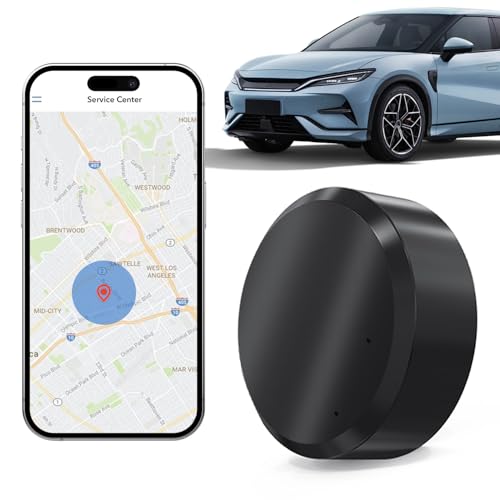
A GPS tracker in a car usually appears as a small, discreet black box, often no larger than a deck of cards. Before you can find one, you need to know what to look for. These devices are designed to be hidden, so they are typically small and unobtrusive. Key features to watch for include a small box shape, potentially with blinking LED lights, a small antenna, or a port for a SIM card.
There are three common types, and identifying them is key to a successful search:
- OBD (On-Board Diagnostics) Trackers: These are the easiest to find. They look like a small dongle or plug that connects directly into the car’s OBD-II port, which is a 16-pin connector.
- Battery-Powered Magnetic Trackers: These are self-contained units in a waterproof case with a strong magnet. Their independence from the car’s wiring means they can be placed almost anywhere there is a metal surface.
- Hardwired Trackers: These look like a small box with a bundle of wires (typically 2-3) coming out of it. These wires are spliced directly into the vehicle’s electrical system for power.
To help you distinguish between them during your search, here is a clear comparison.
| Feature/Aspect | OBD GPS Tracker | Hardwired GPS Tracker | Battery-Powered Magnetic Tracker |
|---|---|---|---|
| Appearance | Small dongle or box with a 16-pin connector | Small box with a bundle of 2-3 wires (power, ground, ignition) | Self-contained box, often in a waterproof case |
| Power Source | Vehicle’s OBD-II Port | Vehicle’s battery and ignition system | Internal, rechargeable battery |
| Common Location | Plugged into the OBD-II port under the driver’s side dashboard | Hidden behind dashboard panels, connected to fuse box or wiring harness | Attached to metal surfaces (undercarriage, frame, bumper) |
| Installation | Plug-and-play, no tools required | Professional or DIY installation requiring wire splicing | Simply attach to a metal surface |
| Removal Difficulty | Very Easy (Unplug) | Difficult (Requires disconnecting wires) | Easy to Medium (Pry off magnet) |
Where Are GPS Trackers Usually Placed in a Car?
The most common places to find a GPS tracker in a car are the OBD-II port under the steering wheel, inside the glove box, under the seats, and within the center console. For external placement, check the wheel wells, the vehicle’s undercarriage, and inside the plastic front and rear bumpers. A systematic search is the most effective way to ensure you don’t miss anything.
To conduct a thorough inspection, you will need a good flashlight and possibly an inspection mirror on an extendable handle. Break your search into two main zones: the interior and the exterior.
Step 1: How Do You Inspect the Vehicle’s Interior?
To inspect a car’s interior for a GPS tracker, first check the OBD-II port for any non-standard devices. Next, use a flashlight to look under the driver and passenger dashboards, feeling for small boxes attached to wiring. Also, inspect under all seats and inside the glove box and center console.
Start with the easiest and most common locations first.
- The OBD-II Port: This is the on-board diagnostics port used by mechanics. It is almost always located under the dashboard on the driver’s side, to the left or right of the steering column. Look for any device plugged into this 16-pin port that doesn’t look like it belongs. If you see one, this is likely an OBD tracker.
- Under the Dashboard: This is a common hiding spot for hardwired trackers. Use your flashlight to look up under the driver and passenger side dashboards. Feel with your hands for any small boxes, loose wires, or objects secured with zip ties to the existing wiring harness. From our practical experience, installers often zip-tie the device to a sturdy wire bundle to keep it from rattling.
- Under the Seats: Slide the front seats all the way forward and back, inspecting the area underneath them. Check the seat frames, springs, and feel underneath the fabric for any unusual lumps or attached boxes.
- Glove Box and Center Console: Empty these compartments and feel around the sides, top, and back. Some trackers can be tucked away behind the plastic molding.
- In the Trunk: Check the spare tire well and any side compartments. Lift the trunk floor carpet and inspect the area around the spare tire.
Step 2: How Do You Inspect the Vehicle’s Exterior?
To inspect a car’s exterior, use a flashlight and an inspection mirror to check the vehicle’s undercarriage, focusing on the frame rails. Also, check inside the front and rear bumpers and in the plastic liners of the wheel wells for any attached magnetic boxes. Exterior trackers are almost always battery-powered and magnetic.
Wear gloves for this part, as the outside of a car can be dirty.
- The Undercarriage: This is the most common spot for a magnetic tracker. Lie on the ground (using a creeper if you have one) and run your flashlight along the metal frame rails on both sides of the vehicle. These trackers are often small, black, and may be covered in road grime, so feel with your hands as well.
- Inside the Bumpers: The plastic covers of the front and rear bumpers provide a hollow, protected space to hide a device. Feel up inside the bumper from underneath.
- Wheel Wells: Look inside the plastic liners of all four wheel wells. A small magnetic box can be easily attached to the metal frame behind the liner.
- Behind the Rear License Plate: While less common, some thin trackers can be placed behind the license plate.
How Do You Safely Remove the GPS Tracker?
To safely remove a GPS tracker, you must first identify its type. An OBD tracker just needs to be unplugged. A magnetic tracker can be carefully pried off. For a hardwired tracker, you must first disconnect the car’s battery, then cut the tracker’s wires and insulate the exposed ends to prevent damage.
Your approach depends entirely on the device you found.
For an OBD Tracker
To remove an OBD tracker, firmly grip the device and pull it straight out of the OBD-II port. This is a simple plug-and-play device. There is no risk of damaging the vehicle.
1. Grip the tracker firmly.
2. Pull it directly out of the port. No tools are needed.
For a Magnetic Tracker
To remove a magnetic tracker, use steady pressure to pull the magnetic case off the metal surface it is attached to. These are self-contained and not connected to the vehicle’s systems.
1. Get a firm hold on the device.
2. Pull it steadily away from the metal surface until the magnet releases. It may require significant force.
For a Hardwired Tracker
This is the most complex removal and requires caution. Improper removal can damage your vehicle’s electrical system.
1. ⚠️ CRITICAL SAFETY STEP: Open the hood and disconnect the negative terminal of your car’s battery. This prevents electrical shorts. The negative terminal is usually marked with a (-) sign and may have a black cover. Loosen the nut with a wrench and slide the cable off the post.
2. Locate the tracker and the 2-3 wires connecting it to the vehicle.
3. Using wire cutters, snip the wires as close to the tracker box as possible.
4. Remove the tracker device.
5. You must now insulate the wire ends that remain attached to the vehicle. Cover each individual wire end securely with electrical tape. This prevents the exposed wires from touching metal and causing a short circuit later.
6. Once all wires are insulated, you can safely reconnect the car’s battery.
Is It Illegal to Remove a GPS Tracker From Your Car?
It is legal to remove a GPS tracker from a car you own outright. However, if your car is financed or leased, removing a tracker installed by the lender may be a breach of your contract. You must review your loan agreement carefully before taking action.
Understanding the legal side is just as important as the mechanical process. The legality hinges on one simple question: Who truly owns the car?
If You Own the Car
If your name is on the title and there are no liens (meaning the car is fully paid off), you have the absolute right to remove any device you find on your property.
If You Are Financing or Leasing the Car
This is where it gets complicated. The device may be the legal property of the lender, installed to secure their asset.
LEGAL WARNING: If your vehicle is financed or leased, the tracking device may be the legal property of the lender, installed as a condition of your loan. Removing it could be a breach of your contract, potentially leading to immediate repossession of the vehicle. Always review your loan agreement and consult with a legal professional before removing a device from a vehicle you do not own outright.
In these cases, the “dealership spyware” or “repo tracker” is there to help the lender locate the car if you default on payments. Removing it can be seen as interfering with the lender’s property and may trigger harsh penalties outlined in your contract.
FAQs About how to remove a gps tracker from a car
What happens when you remove a GPS tracker from a car?
Removing a GPS tracker will stop it from transmitting your car’s location data. For simple OBD or magnetic trackers, there are usually no side effects. However, improperly removing a hardwired tracker can potentially cause a “check engine” light, blow a fuse, or damage vehicle wiring if the wires are not properly insulated after being cut.
Can a GPS tracker drain a car battery?
Yes, a hardwired GPS tracker can drain a car battery over time, especially if the vehicle is not driven for several days. While the power draw is minimal (typically 5-20mA), it is a constant drain. If you are experiencing unexplained battery death on a newer battery, a hidden tracker could be the cause.
How do I disable a GPS tracker without removing it?
Disabling a tracker without removal is difficult and often temporary. You could try wrapping the device in several layers of aluminum foil to create a makeshift Faraday cage, which may block its signal. However, this is not a reliable long-term solution. For hardwired trackers, you could attempt to pull the specific fuse it’s connected to, but identifying the correct one can be challenging.
Will removing a GPS tracker stop a repossession?
No, removing a GPS tracker will not stop a repossession. If you are in default on your loan, the lender has a legal right to repossess the vehicle. Removing the tracker only makes it harder for them to find the car; it does not eliminate their right to take it. Doing so may also add fees to your account for interfering with their property.
Can a mechanic find a hidden GPS tracker?
Yes, an experienced mechanic or an automotive electronics specialist can almost always find a hidden GPS tracker. They are familiar with vehicle wiring and common installation points. If you are unable to find the device yourself, consulting a trusted mechanic is an excellent option. They can also ensure it is removed without damaging the car’s electrical system.
How to find a hidden GPS tracker without any tools?
Finding a tracker without tools requires a thorough visual and manual inspection. Start by checking the easiest places: unplug anything from the OBD-II port, look inside the glove box and center console, and feel under the seats. You can also visually inspect the wheel wells and run your hands along the accessible parts of the vehicle’s frame under the car.
What are the risks of cutting the wrong wires?
Cutting the wrong wires can cause significant damage to your vehicle’s electrical system. You could disable essential components like airbags, lights, or the engine control unit (ECU), leading to expensive repairs. This is why it is critical to disconnect the battery and be absolutely certain you have identified the tracker’s wiring before cutting anything.
Do all dealerships put trackers on cars?
No, not all dealerships install trackers, but it is a common practice for “Buy Here, Pay Here” lots or those specializing in subprime auto loans. They use these devices to mitigate the risk of loan default and to facilitate repossession. Luxury dealerships may also install them as part of a “theft recovery” package, which you may have paid for.
How to tell if your car is bugged with a listening device?
A GPS tracker is different from a listening device (bug). While some advanced trackers have a microphone, most only track location. To search for a listening device, you would need to look for small microphones in the cabin (e.g., on the ceiling, dashboard, or visors) or use an RF (Radio Frequency) detector to scan for transmitting signals.
How do I check for a tracker on my car with my phone?
Your phone can help you search, but it’s not a reliable detector. You can use your phone’s camera and flashlight to inspect hard-to-see areas. There are apps that claim to detect RF signals, but a phone’s internal hardware is not sensitive enough to be a professional-grade bug sweeper. A dedicated RF detector is necessary for electronic sweeping.
Key Takeaways: How to Remove a GPS Tracker From a Car
- Identify the Tracker Type First: Your removal method depends entirely on whether the device is an OBD plug-in, a battery-powered magnetic unit, or a hardwired tracker. Identification is the most critical first step.
- Conduct a Systematic Search: A thorough inspection requires checking both the interior and exterior. The most common spots are the OBD-II port, under the dashboard, under the seats, and on the vehicle’s undercarriage/frame.
- Safety is Paramount for Hardwired Removal: Always disconnect the negative terminal of the car battery before cutting any wires to prevent electrical shorts and personal injury. Failure to do so is extremely dangerous.
- Legality Depends on Ownership: It is legal to remove a tracker from a car you own outright. If the vehicle is financed, removing the device likely violates your loan agreement and could trigger repossession.
- Simple Removals are Easiest: OBD trackers can simply be unplugged, and magnetic trackers can be pried off. These require no special tools or electrical knowledge.
- Insulate Wires After Cutting: When removing a hardwired tracker, after you cut the device’s wires, you must insulate the ends of the wires that remain connected to the vehicle using electrical tape to prevent future electrical issues.
- When in Doubt, Hire a Professional: If you are not comfortable with vehicle electronics or cannot find the device, a trusted mechanic or an auto electronics specialist can locate and safely remove it for you.
Final Thoughts on Removing a Car GPS Tracker
Successfully removing a GPS tracker from your car comes down to careful inspection, correct identification, and safe procedures. By following a methodical process and, most importantly, understanding the legal implications tied to your vehicle’s ownership, you can confidently regain your privacy. Whether you perform the removal yourself or decide to hire a professional mechanic, you now have the knowledge to make an informed and empowered decision.