
Is your car stuck in park with a completely dead battery? You’re not alone, and there’s a simple, safe solution.
This is a common problem caused by a safety feature in automatic cars. The shift lock [an electronic pin] requires power to disengage. This guide shows you how to bypass it.
The solution is to use the shift lock release, a manufacturer-designed manual override located near your gear shifter. In this guide, you’ll learn the step-by-step process to safely get your car in neutral and ready to move.
Key Facts
- Safety is Electronic: The reason your car is stuck is a modern safety feature called a brake-transmission shift interlock, which requires battery power to release the shifter from Park, as noted by National Highway Traffic Safety Administration (NHTSA) standards.
- Neutral Means Free-Rolling: Neutral gear disconnects the engine and transmission from the wheels, meaning your car can and will roll freely on even the slightest incline.
- Override is by Design: The shift lock release is not a hack; it’s a mechanical override intentionally designed by manufacturers for emergency situations like a dead battery.
- The Parking Brake is Your Lifeline: The parking brake is a separate, mechanical system. Automotive safety principles dictate it must be engaged before shifting to neutral to prevent the vehicle from rolling.
- Most Cars are Automatic: With over 90% of cars sold in the US having automatic transmissions, according to industry data, understanding this process is a vital skill for the vast majority of drivers.
What Should You Do Before Putting a Stuck Car in Neutral? (Safety First!)
Before you even think about touching the gear shifter, you must secure the vehicle to prevent it from rolling away. A car in neutral has no resistance from the transmission, and it will move unexpectedly on any surface that isn’t perfectly level, which can lead to serious accidents or damage. This is the most important step in the entire process.
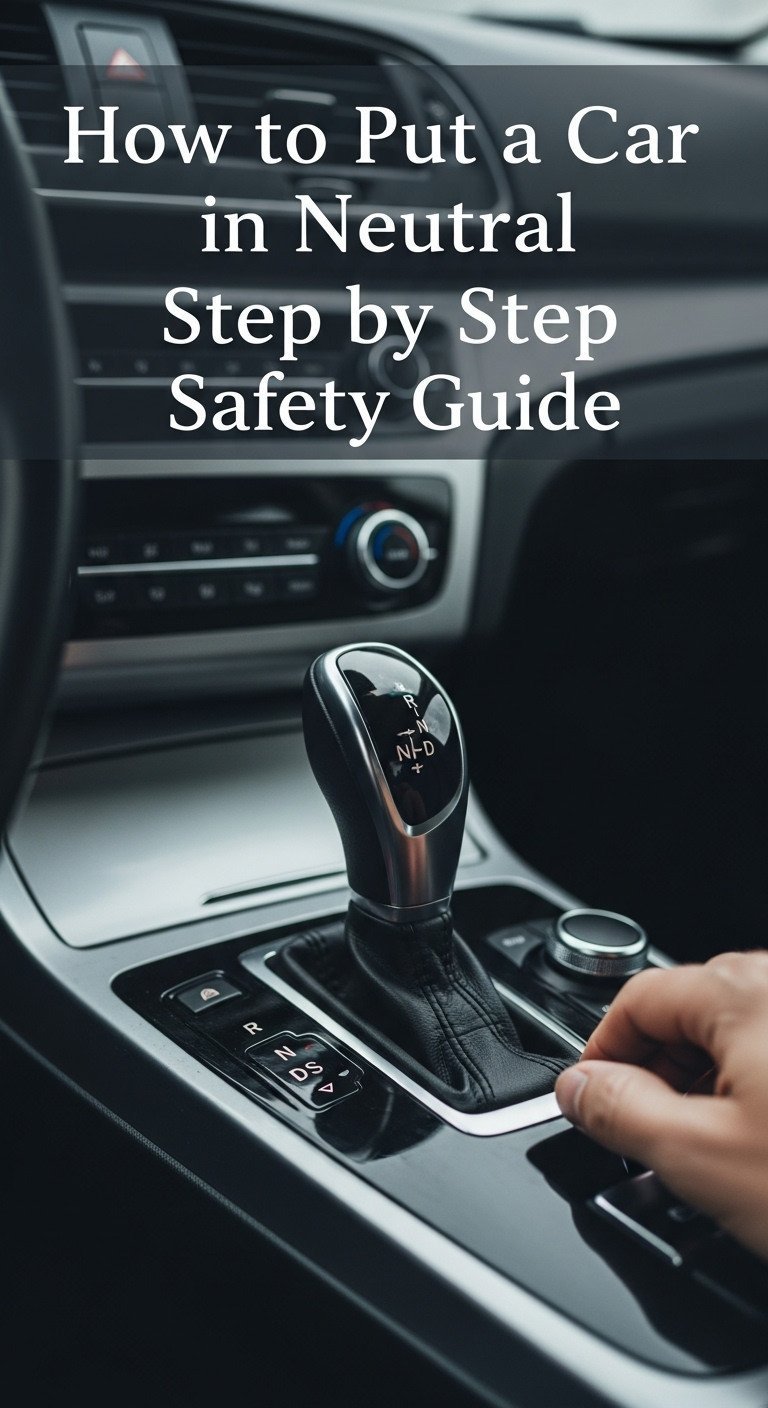
⚠️ WARNING: A car in Neutral can roll away, causing serious injury or damage. Before you begin, firmly engage the parking brake and, if possible, place wheel chocks behind the wheels for maximum safety. Do not perform this procedure on a steep hill.
Your safety, and the safety of those around you, is the top priority. From our real-world experience helping drivers, skipping these precautions is the single biggest mistake people make. Take a moment to secure the vehicle properly; it’s a non-negotiable part of the process.
Why Is Your Automatic Car Stuck in Park When the Battery Dies?
Your automatic car gets stuck in Park when the battery dies because of a safety feature called the shift lock interlock system. Think of it as a small electronic gatekeeper for your gear shifter. This system uses an electronic pin, called a shift lock solenoid, that physically blocks the shifter from moving out of the Park position.
To retract this pin and allow you to shift, two things need to happen:
1. The system must receive power from your car’s battery.
2. It needs to get an electronic signal that you are pressing the brake pedal.
When your battery is dead, there is no power to retract the pin. The system fails in the “locked” position by design. This prevents a car from accidentally being knocked into a drive gear without a driver actively pressing the brake. The manual override process you’re about to learn is simply a way to physically push that pin out of the way when there’s no electricity to do it automatically.
How Do You Put a Car in Neutral With a Dead Battery? (The Shift Lock Release Method)
To put a car with a dead battery in neutral, you will use the manual shift lock release, a small slot or button near the gear shifter. This process manually bypasses the electronic lock, allowing you to move the shifter. Following these steps carefully will have your car ready to move in just a few minutes.
What Tools Will You Need?
Gathering these simple items first will make the process go smoothly. You likely have everything you need already.
- Your physical car key: The metal blade is often the perfect tool for the job.
- A small, flathead screwdriver: An alternative if the key doesn’t work well.
- A soft cloth (Pro Tip): Wrap this around the screwdriver tip to avoid scratching the plastic on your center console.
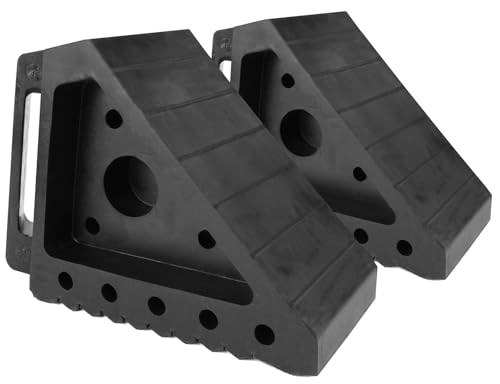
- Wheel chocks: The best tool for securing your wheels. In an emergency, a sturdy piece of wood or a large rock can work.
Step 1: How Do You Secure the Vehicle?
This step is critical and must be done first. Never skip this.
First, press the brake pedal as firmly as you can and engage the parking brake. Whether it’s a hand lever you pull up, a pedal you press down with your foot, or an electronic button, make sure it is fully set. Second, for extra security, place wheel chocks snugly behind the rear tires. This provides a physical barrier to stop the car from rolling backward.
Step 2: How Do You Find the Shift Lock Release?
The shift lock release is almost always located on the center console, very close to the base of the gear shifter.
Look for a small, often square-shaped slot or button. It might have a small plastic cap covering it that you’ll need to pry off. Common locations are right next to the “P” or along the shifter’s trim plate. If you can’t find it immediately, consult your vehicle’s owner’s manual. The manual is the most authoritative source and will have a diagram showing the exact location for your specific car model, a step we always recommend if you’re unsure.
Step 3: How Do You Activate the Release and Shift to Neutral?
This is the final action. It requires a bit of coordination but is very straightforward.
- Insert the tool. Gently insert your car key or the cloth-wrapped screwdriver into the release slot.
- Press down firmly. You should feel a click or a spring-like mechanism depress inside.
- WHILE holding the release down, use your other hand to press the main button on your gear shifter.
- Move the shifter. With the release held down and the shifter button pressed, smoothly move the shifter from Park (‘P’) to Neutral (‘N’).
- Remove the tool. Once in neutral, you can let go and remove your key or screwdriver.
Your car is now in neutral and can be moved. Remember, it will have no power steering and the brakes will be very hard to press.
How Can You Shift to Neutral if the Battery Is Weak But Not Dead?
If the battery is too weak to start the engine but can still power your dashboard lights, you can likely shift to neutral by putting the car in accessory mode. This method provides just enough power to the car’s electronics, including the shift lock solenoid, without needing to start the engine.
This is a key distinction many guides miss. A completely dead battery requires the manual override, while a weak battery often allows for this simpler electronic solution. Practical experience shows this works in many “car won’t start” scenarios. Here’s how to do it for different ignition types:
| Ignition Type | How to Enter Accessory Mode |
|---|---|
| Push Button Start | Press the START/STOP button without your foot on the brake pedal. |
| Traditional Key | Insert the key and turn it one click to the ‘ACC’ position. |
Once the car is in accessory mode, you should be able to press the brake pedal and shift from Park to Neutral as you normally would.
How Do You Put Other Types of Vehicles in Neutral?
While the shift lock release method covers the vast majority of automatic cars, you might be dealing with a different type of transmission. Knowing the difference is key to establishing comprehensive expertise on the topic.
For a Manual Transmission Car?
To put a manual transmission car in neutral, you simply need to fully press and hold the clutch pedal to the floor. The clutch pedal (the leftmost pedal) mechanically disengages the engine from the transmission. With the clutch depressed, you can move the gear shifter to the middle, centered position where it wiggles freely from side to side. No power is required for this at all.
For a Car With an Electronic Shifter (Dial or Buttons)?
Vehicles with modern electronic shifters (dials, buttons, or small joysticks) have model-specific and often complex override procedures. There is no standardized release slot for these systems. An often-overlooked strategy is to check for a hidden manual release, which could be a pull tab or lever located under a panel in the center console or even under the cupholders.
Because the procedure varies so widely between manufacturers like Honda, BMW, and Ford, it is essential that you consult your owner’s manual. Attempting a generic method can be ineffective. The owner’s manual is the only authoritative source for the correct emergency procedure for your specific electronic shifter.
FAQs About how to put car in neutral
Will using the shift lock release damage my transmission?
No, using the shift lock release will not damage your transmission or shifter. It is a mechanical override feature designed by the manufacturer specifically for emergency situations like a dead battery. It safely bypasses the electronic lock without affecting the internal components of the transmission.
Can I put my automatic car in neutral while it is moving?
While you physically can, it is not recommended. Shifting to neutral while driving disengages the engine from the wheels, removing your ability to accelerate in an emergency. It also prevents engine braking. For modern cars, it offers no fuel-saving benefit and can be less safe than remaining in drive.
What if I can’t find the shift lock release button?
Your first step should be to check your vehicle’s owner’s manual. It will have a diagram showing the exact location for your specific model. If you don’t have the manual, try an online search for your car’s make, model, year, and the phrase “shift lock release location” for guides or videos.
Will my car roll away if I put it in neutral?
Yes, absolutely. Neutral disconnects the transmission from the wheels, allowing them to spin freely. If you are on any kind of incline, even a very slight one, the car will roll. This is why you must engage the parking brake firmly before you shift into neutral.
Do I need to have a driver inside the car to push it?
Yes, this is critical for safety. Once in neutral, the car will have no power steering and no power brakes. The steering will be heavy, and the brake pedal will be very hard to press. You must have a licensed driver in the driver’s seat to steer and apply the brakes while the car is being moved.
Key Takeaways: How to Put a Car in Neutral Summary
- Safety First, Always: Before touching the shifter, always engage the parking brake firmly and use wheel chocks. A car in neutral will roll freely.
- The Problem is Electronic, Not Mechanical: A dead battery prevents the electronic shift lock from disengaging. You are not breaking anything by using the manual override.
- The Shift Lock Release is Your Solution: For a dead battery, the primary method is to use the shift lock release slot located near the gear shifter, which is a feature designed by the manufacturer for this exact scenario.
- Accessory Mode is an Alternative: If the battery is weak but not completely dead, putting the car in accessory mode (press start without the brake) will often provide enough power to let you shift normally.
- Electronic Shifters Are Different: Cars with dial or button shifters have model-specific override procedures. For these, consulting the owner’s manual is not optional—it is essential.
- Never Push a Car Without a Driver: A car without power has no power steering or power brakes. Always have a licensed driver inside to steer and apply firm pressure to the brakes when moving the vehicle.
Final Thoughts on Putting Your Car in Neutral
Knowing how to put your car in neutral without power can transform a stressful, potentially expensive situation into a manageable one. It’s a simple mechanical procedure that empowers you to take control when modern electronics fail. By prioritizing safety and following these steps, you can confidently prepare your vehicle to be moved for a jump-start, tow, or simply to get it out of the way.
Now that your car is in a movable state, your next step is likely to address the root problem—the dead battery. You’re now in a great position to either jump-start the car or make things easier for roadside assistance to arrive.
Last update on 2026-01-13 / Affiliate links / Images from Amazon Product Advertising API


![What Car Is Chevy Bringing Back in [year]? New Lineup Revealed](https://carxplorer.com/wp-content/uploads/2026/01/What-Car-Is-Chevy-Bringing-Back-in-year-New-Lineup-Revealed-1-1-60x60.jpg "What Car Is Chevy Bringing Back in [year]? New Lineup Revealed 10")
