
Have you ever noticed that first tiny crack in your car’s perfect leather seats?
This guide tackles that exact fear. Protecting your car’s leather interior is about preserving its luxury feel and financial value. It’s the difference between a pristine cabin and a costly repair bill down the road.
Leather car seat protection is a two-step process of deep cleaning followed by applying a protectant, like a conditioner or coating, to prevent cracking and stains. In this guide, you’ll discover the professional method to keep any type of leather looking brand new for years.
Key Facts
- Financial Impact: A well-maintained interior can increase a car’s resale value by 10-15%, making proactive care a significant financial investment according to automotive market analysis reports.
- Dominant Material: Over 95% of factory-installed leather car seats are coated leather, which has a protective polymer top coat that requires specific care.
- Primary Threat: Unprotected automotive interiors can reach temperatures over 145°F, and this UV radiation is the primary cause of fading, drying, and eventual cracking.
- Cost-Effectiveness: The cost to reupholster a single leather car seat can exceed $1,000, while a complete DIY protection kit is a fraction of that price, highlighting the value of preventative maintenance.
- Proper Chemistry: The protective topcoat on leather is sensitive to harsh chemicals; using a dedicated pH-neutral leather cleaner is essential to avoid stripping this layer and causing damage.
Why Is It Crucial to Protect Your Leather Car Seats?
Protecting leather car seats prevents cracking and fading from UV damage, repels stains, and preserves the car’s financial value. It’s not just about aesthetics; it’s an essential maintenance task that safeguards one of the most expensive features of your vehicle’s interior. A well-maintained interior can boost a car’s resale value by 10-15%, making proactive care a cost-effective alternative to expensive reupholstery.

The primary enemy of your leather seats is UV damage. Constant exposure to sunlight breaks down the leather’s protective top coat, which leads to the material drying out, losing its color, and eventually developing brittle cracks. Beyond the sun, daily use introduces body oils, dirt, and potential spills. Without a protective barrier, these contaminants can lead to permanent stains and wear, especially on high-traffic areas like the driver’s side bolster.
Think of leather protection as sunscreen and a raincoat for your car’s interior. It creates an invisible shield that blocks harmful UV rays and causes spills to bead up rather than soak in. This simple, proactive routine is the single best way to avoid the heartbreak of a worn-out interior and ensure you retain the maximum value and enjoyment from your car.
What Is the Most Important First Step Before You Clean?
Before you apply any product, you must correctly identify your car’s leather type to ensure you use safe and effective techniques. This is the critical diagnostic step that most guides overlook, yet it’s the foundation for achieving professional results without causing accidental damage. The vast majority of vehicles—over 95% according to industry standards—use coated leather, but confirming this is simple.
The best method is the “water drop test,” a safe way to differentiate between the two main types of automotive leather.
- Coated (or Pigmented) Leather: This is the industry standard. The leather hide is finished with a durable polymer top coat mixed with pigment (color). When you clean and protect this material, you are actually caring for this protective top layer, not the raw hide itself.
- Aniline (or Uncoated) Leather: Found in some high-end luxury vehicles, this leather has no protective polymer top coat. It’s valued for its incredibly soft, natural feel, but it is far more porous and susceptible to staining and damage.
To perform the test, find a small, hidden area on your seat, like the side of the seat base. Place a single drop of water on the surface and observe for 30 seconds.
- If the water drop beads up and sits on the surface, you have coated leather.
- If the water quickly soaks in and darkens the spot, you have rare aniline leather, which requires specialized cleaners and conditioners.
By performing this simple test, you can proceed with confidence, knowing you’re using the right approach for your vehicle’s specific interior. For the rest of this guide, we will focus on the method for coated leather, which applies to nearly every car on the road.
What Tools and Products Do You Need for Professional Results?
A complete leather care kit includes a pH-neutral leather cleaner, a protectant (like a conditioner or coating), a soft interior detailing brush, and at least three separate clean microfiber towels. Using the right tools is non-negotiable for a safe and effective outcome. Household cleaners and old rags can easily damage your leather’s finish, so investing in a dedicated toolkit is essential.
Here is the essential checklist for professional-grade leather care:
- pH-Neutral Leather Cleaner: This is the most important product. A cleaner with a neutral pH (around 7) will effectively remove dirt and oils without stripping the leather’s protective top coat. Avoid all-purpose cleaners, which are often too alkaline.
- Leather Protectant (Conditioner or Coating): This is your shield against future damage. A leather conditioner is great for routine maintenance, while a more durable leather coating offers long-term protection against stains and UV rays. We’ll compare these later.
- Soft Detailing Brush: A brush with soft bristles (like horsehair or a synthetic equivalent) is crucial. It gently agitates the cleaner, lifting dirt from the leather’s grain and seams without scratching the surface. This is far more effective than just wiping with a towel.
- Microfiber Towels (Minimum of 3): Microfiber is designed to lift and trap dirt without being abrasive. You need separate towels to avoid cross-contamination: one for wiping away the cleaner, one for applying the protectant, and a final clean one for buffing.
- Vacuum with a Brush Attachment: Before any liquid touches your seats, you must remove all loose debris. A soft brush attachment for your vacuum is ideal for getting into seams without scratching the leather.
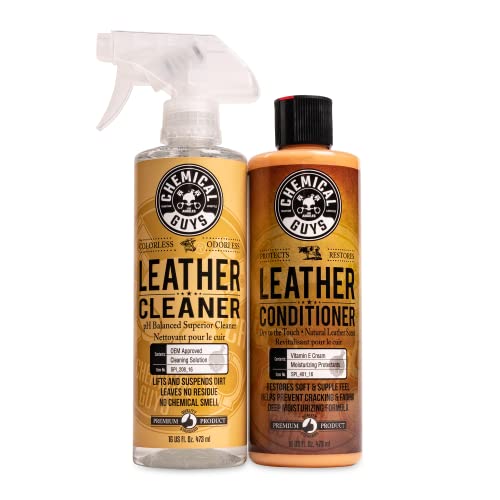
Having these specific items on hand ensures you can follow a professional workflow, leading to a cleaner, better-protected, and longer-lasting interior.
What Are the 5 Steps to Clean and Protect Leather Seats Like a Pro?
The professional method involves 5 steps: 1. Thoroughly vacuum to remove loose debris. 2. Clean the surface with a pH-neutral cleaner and soft brush. 3. Wipe the area clean and dry. 4. Apply a thin, even coat of your chosen protectant. 5. Buff off any excess with a clean microfiber towel for a perfect finish. This structured approach ensures every part of the process is done correctly, delivering a clean, non-greasy result.
Step 1: How Do You Prepare the Surface for a Deep Clean?
The first physical step is to thoroughly vacuum every inch of your leather seats. Use a vacuum with a soft brush head attachment to get deep into the seams and crevices.
This step is non-negotiable. Grinding loose dirt, sand, and other abrasive grit into your seats with a cleaning brush or towel is how fine scratches and premature wear begin. By removing all loose particles first, you ensure that the cleaning stage is both safe and effective. Pay special attention to the area where the seatback and seat bottom meet, as this is where debris collects.
Step 2: What Is the Correct Way to Apply Leather Cleaner?
With the surface prepped, it’s time to clean. The goal here is to use a dedicated pH-neutral leather cleaner to gently lift embedded dirt and body oils from the leather’s grain.
Work in small, manageable 2×2 ft sections to prevent the cleaner from drying on the surface. Lightly spray the cleaner onto the section. Then, take your soft detailing brush and gently agitate the cleaner in small, circular motions. You should see a light foam develop as the brush lifts the dirt from the texture of the leather. Immediately follow up by wiping the section clean with your first fresh microfiber towel.
Pro Tip: For perforated seats, spray the cleaner onto the brush, not directly onto the leather. This expert technique prevents the cleaner from clogging the holes and impacting the performance of your heated or cooled seat functions.
Step 3: Why Is Applying a Protectant the Most Important Step?
Once the seat is clean and dry, you apply your chosen protectant: either a leather conditioner or a more durable leather coating. This step creates the essential barrier against UV rays, spills, and friction.
The “less is more” principle is critical here. Over-application is the #1 cause of a greasy, sticky finish. Place a small, dime-sized amount of product onto a microfiber applicator pad. Gently wipe it onto the surface in a thin, even layer, using overlapping strokes. If using a conditioner, you can gently massage it in. For a coating, you simply wipe it on as evenly as possible.
Step 4: How Do You Achieve a Perfect, Non-Greasy Finish?
This final step is what separates an amateur job from a professional one. After allowing the protectant to sit for a moment (check the product’s directions), you must perform a final buff.
Take your final clean, dry microfiber towel and lightly wipe down the entire surface you just treated. This action removes any excess product that hasn’t bonded to the surface. The final buff ensures you are left with only the protection layer, not a film of excess product. The goal is a clean, satin factory finish, not a greasy shine. This step leaves the leather feeling smooth, dry, and clean to the touch.
Which Protection Is Right For You: Conditioner or Coating?
Leather conditioner offers short-term (1-3 months) protection, is easy to apply, and adds softness. A ceramic or polymer leather coating provides long-term (12+ months) durable protection against stains and wear but requires more careful application. Choosing between a traditional conditioner and a modern coating is the most significant decision in your leather care routine.
Your choice depends on your goals, how your vehicle is used, and how much time you want to spend on maintenance. A traditional leather conditioner is perfect for enthusiasts who enjoy the routine of caring for their car every few months. A modern leather coating is a “set it and forget it” solution, ideal for daily drivers, family vehicles, or new cars with light-colored interiors.
This table breaks down the key differences to help you decide.
| Feature | Traditional Leather Conditioner | Modern Leather Coating (Ceramic/Polymer) |
|---|---|---|
| Durability | 1-3 Months | 12-24 Months |
| Protection Type | Adds UV inhibitors & moisture | Creates a hard, sacrificial barrier |
| Stain Resistance | Low to Moderate | High (Hydrophobic) |
| Application | Easy (Wipe on, buff off) | Moderate (Requires clean, prepped surface) |
| Final Feel | Soft, slightly enriched | Clean, smooth, and dry to the touch |
| Best For | Routine maintenance, dark colors | New cars, light colors, maximum protection |
For most car owners in 2026, a modern polymer or ceramic-based leather coating offers superior protection that aligns with a busy lifestyle. However, for classic cars or those who simply love the process, a high-quality conditioner remains an excellent choice.
How Often Should You Maintain Your Leather Seats?
For long-term leather care, perform a quick wipe-down weekly, a light cleaning monthly with a dedicated cleaner, and a full deep clean and re-application of protectant every 3-6 months, depending on use and the type of protection you’ve applied. Consistency is far more effective than a single, intensive cleaning session once a year.
A simple, tiered maintenance schedule makes long-term care feel manageable and ensures your seats are always protected.
- Weekly (5 Minutes): Lightly dust the seats or wipe them down with a clean, damp microfiber towel. This removes the abrasive surface dust that can build up from daily use.
- Monthly (15 Minutes): Perform a light cleaning. Use a quality interior quick detailer or a diluted leather cleaner on a microfiber towel to wipe away body oils and minor grime before they have a chance to build up.
- Every 3-6 Months (1 Hour): This is your deep clean and re-protection service. Follow the full 5-step process outlined in this guide. If you used a conditioner, you’ll need to do this every 3 months. If you applied a durable leather coating, you can extend this interval to every 6-12 months.
Pro Tip: Pay extra attention to high-wear areas, especially the driver’s side entry bolster where you slide in and out of the car. Applying a bit more protectant to this area during your monthly wipe-down can dramatically extend its life.
FAQs About how to protect leather car seats
Can you use household cleaners on leather car seats?
It is strongly recommended not to use household cleaners. Many all-purpose cleaners, dish soaps, or magic erasers are too alkaline or abrasive. They can strip the leather’s protective top coat, leading to drying, discoloration, and premature cracking. Always use a dedicated, pH-neutral automotive leather cleaner for safe and effective results.
How do you protect seats from a child’s car seat?
The best method is a physical barrier, not a chemical one. Use a thick, purpose-built car seat protector mat placed directly under the child’s seat. This mat distributes the heavy, constant pressure, preventing permanent indentations, and also catches spills and crumbs, protecting the leather surface below from physical damage.
What is the best way to protect white or light-colored leather from jean dye?
A ceramic or polymer leather coating is the most effective solution. These modern protectants create a durable, invisible barrier on the leather’s surface. This sacrificial layer prevents dye from penetrating the top coat, allowing you to simply wipe the blue marks away with a leather cleaner before they become a permanent stain.
Will conditioner or coating fix existing cracks in the leather?
No, leather care products cannot repair existing cracks. Cracks are physical breaks in the leather’s finish and underlying structure. While a good conditioner can hydrate the surrounding area and potentially slow the crack from worsening, it cannot reverse the damage. True repair requires a professional leather restoration kit or service.
Do you need to do anything special for perforated leather seats?
Yes, the key is to avoid clogging the perforations. When cleaning or protecting, never spray the product directly onto the seat. Instead, lightly spray it onto your soft brush or microfiber applicator first. This gives you full control and prevents excess liquid from filling the holes, which could affect heating or cooling functions.
Final Thoughts
Protecting your car’s leather seats is one of the most rewarding maintenance tasks you can perform. It’s a simple process that pays huge dividends in day-to-day enjoyment and long-term vehicle value. The core philosophy is straightforward: proactive, consistent care is the key to preserving the luxury and integrity of your interior.
By following this professional guide, you can move beyond simple wiping and adopt a true preservation strategy. Remember the most critical takeaways:
- Always Clean Before You Protect: Applying any conditioner or coating to dirty leather traps abrasive grit, accelerating wear and tear. A thorough cleaning is the essential first step.
- Identify Your Leather Type: Over 95% of car leather is coated and requires products that protect its top layer. Use the water drop test to confirm your type before choosing products.
- Choose the Right Protection for Your Needs: Use a traditional conditioner for routine maintenance and a soft feel. Opt for a durable ceramic or polymer coating for long-term, robust protection, especially on new or light-colored seats.
- The Right Tools are Non-Negotiable: A pH-neutral cleaner, a soft detailing brush, and several clean microfiber towels are essential for a safe, effective, and professional-looking result.
- Consistency is Key to Longevity: A regular maintenance schedule—weekly wipe-downs, monthly light cleaning, and quarterly deep protection—is far more effective than a single, intensive annual treatment.
With the right knowledge, tools, and a little bit of time, you have everything you need to keep your leather seats looking and feeling like new for the entire life of your vehicle.
Last update on 2026-02-22 / Affiliate links / Images from Amazon Product Advertising API


![How Old To Rent A Car Iceland All Age Rules Explained For [year]](https://i0.wp.com/carxplorer.com/wp-content/uploads/2026/02/How-Old-To-Rent-A-Car-Iceland-All-Age-Rules-Explained-For-year-2.jpg?resize=60%2C60&ssl=1 "How Old To Rent A Car Iceland All Age Rules Explained For [year] 8")

