Struggling with how to prevent bird droppings on your car? You’re not alone. That dreaded white splatter isn’t just an eyesore; it’s a direct threat to your vehicle’s paint and finish. The clock starts ticking the moment it lands.
To prevent bird droppings on your car, you should combine strategic parking to avoid perching spots, use physical deterrents, apply a protective layer like wax or a ceramic coating, and use a car cover for long-term parking. This multi-step approach provides the most effective defense against paint damage from acidic bird waste.
Based on proven methods from professional detailing experts, this guide reveals the complete strategy to protect your car. You’ll discover how to proactively avoid droppings, choose the right paint protection, and safely remove any marks that do appear. This will keep your car’s finish looking its best.
Key Facts
- Damage Starts Immediately: The uric acid in bird droppings is highly corrosive and can begin to etch into your car’s clear coat within minutes, with visible damage appearing in as little as 48 hours, according to automotive industry analysis.
- Dry Wiping Causes Scratches: A primary cause of paint damage is improper removal. Industry analysis reveals that wiping a dry dropping grinds abrasive grit and seeds into the paint, causing fine scratches and swirl marks.
- Car Covers Are 100% Effective: For guaranteed prevention, a car cover is the only solution that creates a complete physical barrier, making it the most effective method for long-term outdoor parking.
- Ceramic Coatings Offer Superior Resistance: Data-driven results show that ceramic coatings provide the highest level of chemical resistance against acidic droppings, giving owners significantly more time to clean them off before etching occurs.
- Parking is the First Line of Defense: Expert advice consistently points to strategic parking as the most crucial proactive step. Avoiding common perching spots like power lines and trees dramatically reduces the risk of your car being targeted.
How Do You Prevent Bird Droppings On A Car To Protect Your Paint?
Preventing bird droppings on a car involves a three-part strategy: proactive prevention through strategic parking and deterrents, applying protective coatings like wax or ceramic, and prompt, safe removal of any droppings that occur. The primary goal of this comprehensive car care advice is to create a barrier between the acidic droppings and your vehicle’s sensitive clear coat. Understanding the science behind the damage underscores the importance of this multi-faceted approach. The corrosive uric acid in bird waste acts quickly, so a combination of these methods is the most effective way to protect your car paint.

This guide is built on proven methods to give you a complete action plan. We’ll explore how to think like a bird to park smarter, which paint protection offers the best defense for your budget, and the exact steps to clean any mess without making things worse. You will learn to:
- Identify and avoid high-risk parking spots.
- Choose the best protective coating: wax, sealant, or ceramic.
- Master the safe removal technique for fresh and dried droppings.
By combining these strategies, you can significantly reduce the risk of permanent paint degradation and maintain your vehicle’s appearance and value.
Why Is Bird Poop So Bad For Car Paint?
Bird poop is extremely damaging to car paint due to its high concentration of uric acid. This acid begins to burn into the clear coat, a process called chemical etching. Additionally, as the sun heats the car, the dropping dries and hardens, and when the paint cools and contracts, it can create a permanent impression in the finish. This dual-threat of chemical and physical damage makes swift and proper removal essential.
Think of it like a tiny chemical burn on your car’s skin. The clear coat is the protective top layer of your automotive paint. The moment bird guano lands, its acidic components start to eat away at this layer. The process is accelerated by heat; on a hot sunny day, the paint lacquer expands. As the dropping dries and the paint cools overnight, it contracts and can mold itself around the hardened shape of the waste, causing a dull, etched mark that’s physically imprinted on the surface.
Did You Know? Bird droppings often contain small, hard objects like seeds and grit from the bird’s diet. If you try to wipe a dropping off while it’s dry, this grit acts like sandpaper, grinding fine scratches and swirl marks directly into your car’s finish. This is why using a lubricant is absolutely critical for safe removal.
What Are The 3 Main Ways Bird Droppings Damage Car Paint?
The damage from avian waste isn’t a single event but a combination of attacks on your car’s finish. Understanding these three distinct damage mechanisms highlights why a comprehensive prevention strategy is so important.
1. Chemical Etching
This is the most immediate and common form of damage. The uric acid in the droppings has a low pH, making it highly corrosive. It immediately starts to eat away at the polyurethane clear coat, the protective top layer of your paint. This process, known as chemical etching, burns into the paint and leaves a dull, crater-like mark that looks like a permanent watermark. Damage can occur within 48 hours, especially on dark-colored cars that get hotter in the sun.
2. Staining
Bird droppings contain pigments from the bird’s diet, such as berries. These pigments can leach into the paint’s clear coat as the acid breaks it down. This can lead to discoloration and a stubborn stain that remains even after the dropping is cleaned off. This type of paint corrosion is particularly noticeable on lighter-colored vehicles.
3. Scratching
This damage is not caused by the dropping itself, but by improper removal. Bird droppings contain abrasive materials like sand, grit, and hard seed fragments. Wiping a dry dropping with a napkin or cloth grinds this grit across your finish, creating a web of fine scratches. This is a significant scratch risk and is one of the most common ways car owners unintentionally damage their own paint.
What Are The Best Proactive Strategies To Keep Birds Off Your Car?
The best strategies to keep birds off your car are: 1. Park Strategically: Avoid parking under trees, power lines, building ledges, and lamp posts. 2. Use Visual Deterrents: Hang reflective tape, old CDs, or install a plastic owl nearby. 3. Cover Your Car: Use a car cover for guaranteed protection. 4. Remove Food Sources: Ensure no trash or food is left near your parking spot. These proactive steps are your first and most effective line of defense, reducing the chances of your car ever becoming a target.
Based on real-world experience, smart parking is the single most impactful habit you can adopt. Birds are creatures of habit and convenience, and they consistently choose elevated spots for perching. By simply being mindful of your surroundings, you can dramatically lower your risk. Bird deterrents and covers add extra layers of security when parking in a high-risk area is unavoidable.
Myth vs. Fact
Myth: A plastic owl will always work to keep birds away.
Fact: Birds are intelligent. While a fake owl might work for a few days, they will quickly realize it’s not a real threat if it never moves. For visual deterrents like owls to remain effective, you must move them to a new position every few days to maintain the illusion of a live predator.
How Should You Adjust Your Parking To Avoid Bird Droppings?
The single most effective, no-cost method to avoid bird droppings is to be strategic about where you park. Making a conscious choice takes only a few seconds and can save you from the hassle and potential paint damage. Here is a simple checklist of places to avoid.
- Under Power Lines: Power lines are the most common and obvious perching spots for birds. Parking even a few feet away from being directly underneath them can make a huge difference.
- Under Trees: Trees are a natural haven for birds, especially fruit-bearing trees like cherry or mulberry that attract them. If you must park near a tree, try to avoid parking directly under large branches.
- Near Lamp Posts and Building Ledges: In urban areas and parking lots, the tops of lamp posts and the ledges of buildings are favorite gathering spots. Observe the ground for existing droppings to identify these high-traffic zones.
- In Parking Garages (Under Beams or Pipes): Even indoors, you’re not always safe. Birds often make nests on overhead pipes and structural beams inside parking garages. Avoid these spots just as you would an outdoor tree branch.
Pro Tip: When entering a new parking lot, take 5 seconds to look up. Spot the power lines, tree branches, and light posts, then choose a spot in the clear. Also, look at the hoods of other parked cars—if they are covered in droppings, that’s a bad area to park in.
Which Paint Protection Is Best Against Bird Droppings: Wax, Sealant, or Ceramic Coating?
When comparing paint protection, ceramic coatings offer the best and longest-lasting defense against bird droppings due to their hard, chemical-resistant shell. Paint sealants offer good, mid-tier durability, while traditional car waxes provide a basic, sacrificial layer that requires frequent reapplication. Each option creates a barrier between the acidic dropping and your car’s clear coat, but they differ significantly in durability, cost, and protective capability.
Choosing the right protection depends on your budget, how much time you’re willing to commit to maintenance, and the level of defense you desire. A car wax is an easy, low-cost starting point, while a professional ceramic coating is a long-term investment in your vehicle’s finish. A paint sealant sits comfortably in the middle, offering a balance of performance and affordability. The key is understanding that any protection is better than none.
| Feature/Aspect | Traditional Car Wax (e.g., Carnauba) | Paint Sealant (Synthetic Polymer) | Ceramic Coating (SiO2/Graphene) |
|---|---|---|---|
| Primary Benefit | Sacrificial layer, enhances gloss | Durable barrier, good longevity | Hard shell, superior chemical resistance |
| Durability | 4-6 weeks | 4-6 months | 2-5+ years |
| Bird Dropping Resistance | Low (offers some time to clean) | Medium (resists etching for longer) | High (highly resistant to chemical etching) |
| Ease of Cleaning | Fair | Good | Excellent (hydrophobic) |
| Application Difficulty | Easy (DIY) | Moderate (DIY) | Difficult (Pro application recommended) |
| Cost | $ (Low) | $$ (Medium) | $$$$ (High) |
Traditional Car Wax
A car wax, often made from natural carnauba, is the most traditional form of paint protection. It creates a thin, sacrificial layer on top of your clear coat. When a bird dropping lands, it eats into the wax layer first, buying you time to clean it off before it reaches your paint. Its low durability means it must be reapplied every 4-6 weeks to remain effective.
* Who is it for? The DIY enthusiast who enjoys regular car care and is looking for an affordable, basic layer of protection with a high-gloss finish.
Paint Sealant
A paint sealant is a fully synthetic product made of polymers that bond to your car’s paint. It is far more durable than a wax, with a single application lasting 4-6 months. Sealants provide better chemical resistance and a strong protective barrier against environmental contaminants like bird droppings and acid rain.
* Who is it for? The practical car owner who wants longer-lasting protection than wax but isn’t ready for the cost and commitment of a ceramic coating.
Ceramic Coating
A ceramic coating is a liquid polymer (typically Silicon Dioxide, or SiO2) that, when applied, chemically bonds with the factory paint, creating a rigid, permanent layer of protection. This hard shell is highly resistant to chemical etching from bird droppings and is also extremely hydrophobic. Hydrophobic means it repels water and dirt aggressively, making the car much easier to clean. While it is the most expensive option and often requires professional installation, it offers the highest level of long-term protection, lasting for years.
* Who is it for? The car owner seeking the ultimate, long-term, low-maintenance solution for paint protection and who is willing to make a significant upfront investment.
How Do You Safely Remove Bird Droppings From Car Paint?
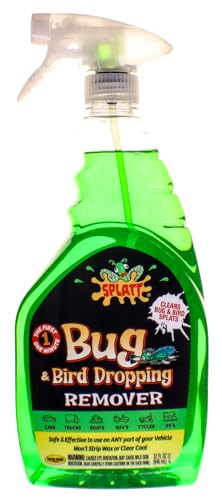
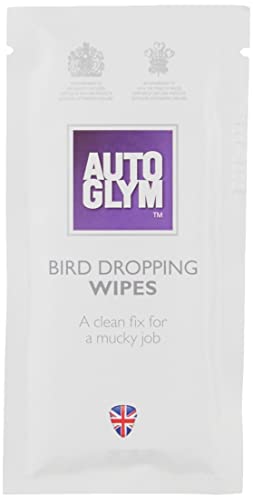
To safely remove bird droppings, never wipe them dry. Instead, saturate the dropping with a dedicated bird dropping remover or quick detail spray, let it soften for 30-60 seconds, then gently lift and wipe it away with a soft microfiber towel. This process lubricates the surface, preventing the abrasive grit within the dropping from scratching your paint.
This is a critical moment in car care where the right technique prevents costly damage. The goal is always to lift, not scrub. Whether the dropping is fresh or has hardened into a stubborn crust, the principle remains the same: rehydrate and soften it before you attempt to remove it. Having the right tools on hand makes this process simple and safe.
What You’ll Need:
* A quality quick detailer spray or a dedicated bird dropping remover.
* Two clean, plush microfiber towels.

Method 1: Removing a Fresh Dropping
For a dropping that is still wet or has occurred within the last few hours, the process is quick and easy.
- Spray Liberally: Spray the quick detailer generously onto the bird dropping and the immediate surrounding area. Don’t be shy; you want the area to be fully saturated.
- Let It Soak: Wait for about 30-60 seconds. This allows the spray’s lubricants to break down the acids and encapsulate the abrasive grit.
- Gently Lift: Fold a clean microfiber towel into fourths. Place the towel over the soaked dropping and let it rest for a few seconds. Then, gently pull the towel straight up, lifting the bulk of the mess away from the paint.
- Final Wipe: Use a clean side of the towel to lightly wipe away any remaining residue. Do NOT apply pressure or scrub the area.
Method 2: Removing a Dried, Stubborn Dropping
For a dropping that has hardened in the sun, you need to add a rehydration step. Never try to chip or scrape it off.
- Saturate a Towel: Spray your quick detailer liberally onto one of your microfiber towels until it is damp.
- Cover and Rehydrate: Lay the damp towel completely over the dried dropping. Let it sit for at least 5-10 minutes. This allows the moisture to slowly penetrate and soften the entire hardened mass from the outside in.
- Check and Re-Spray: After a few minutes, lift the towel. The dropping should be soft. If parts are still hard, spray more detailer directly onto the spot and replace the towel for a few more minutes.
- Lift, Don’t Scrub: Once the dropping is fully softened, use the towel to gently lift the mess away from the paint.
- Clean Up: Use your second, clean microfiber towel with a light mist of detail spray to wipe the area clean of any final residue.
FAQs About how to prevent bird droppings on car
Does a car cover stop bird droppings?
Yes, a car cover is the most effective, 100% guaranteed way to prevent bird droppings from ever touching your car’s paint. It acts as a complete physical barrier. While it requires the effort of putting it on and taking it off, it is the ultimate solution for cars that are parked outdoors for long periods, especially under trees or power lines.
How do I stop birds from pooping on my car mirrors?
Birds, especially robins and cardinals, often attack their own reflection in mirrors, which leads to droppings. To stop this, you need to cover the mirrors when parked. You can use specially made mirror covers, or simply slip a plastic bag or sock over each mirror to eliminate the reflection they are trying to fight.
How long can you leave bird poop on a car before it causes damage?
Damage can begin within minutes, but visible etching can occur in as little as 48 hours, especially in direct sunlight. The heat from the sun accelerates the chemical reaction of the uric acid on your car’s clear coat. It is always best to remove bird droppings as soon as you spot them to prevent permanent damage.
What is the best bird poop remover for cars?
The best removers are dedicated “bird dropping remover” sprays or high-quality automotive “quick detailer” sprays. These products contain lubricants that safely encapsulate the dropping, allowing you to wipe it away without scratching the paint. Never use household cleaners like Windex or dish soap, as they can strip wax and damage the paint.
Can a ceramic coating completely prevent bird dropping damage?
A ceramic coating provides a durable, chemical-resistant barrier that gives you significantly more time to clean off bird droppings before they can cause damage. It does not make the car immune, but the dropping will sit on top of the coating rather than eating into your paint. This makes cleanup much easier and drastically reduces the risk of etching.
How to stop birds from pooping on my car at night?
Birds are generally inactive at night, so if this is happening, you are likely parked under a roosting spot. The solution is to change your parking location, even if it’s just moving the car a few feet over. If you cannot change spots, using a car cover is the only guaranteed way to protect your vehicle overnight.
Does car wax protect against bird droppings?
Yes, a coat of car wax provides a sacrificial barrier between the bird dropping and your paint. It won’t stop the dropping, but it will buy you time to clean it off before the acid can reach your clear coat. However, wax has low durability and needs to be reapplied every 4-6 weeks to remain effective.
What home remedies can keep birds away from my car?
Reflective surfaces are the most common home remedy. Hanging old CDs, strips of aluminum foil, or reflective “scare tape” near your parking spot can deter birds as the unpredictable flashes of light startle them. A fake plastic owl can also work, but you must move it frequently or birds will realize it isn’t a threat.
Are there any specific colors that attract bird droppings?
While there is much anecdotal debate, scientific studies have not shown a conclusive link between car color and the frequency of being targeted by birds. The primary factor is not your car’s color, but where you park it. Parking under trees, power lines, or other perching spots is the biggest risk factor, regardless of color.
Can you polish out bird dropping etchings?
For very light etchings, a fine polish or swirl remover applied by hand or with a machine polisher can sometimes remove the mark. However, for deeper etchings that have gone through the clear coat, you may need professional help involving wet sanding and compounding, a process known as paint correction, to fix the damage.
Key Takeaways: How to Prevent Bird Droppings on Your Car
- Act Immediately: Speed is critical. The uric acid in bird droppings can start to etch your car’s clear coat within minutes, so remove them as soon as you see them using a safe method.
- Never Wipe Dry: This is the cardinal sin of bird dropping removal. Wiping a dry dropping will grind abrasive grit into your paint, causing scratches. Always use a lubricant like a quick detailer spray to soften and lift the mess safely.
- Prevention Starts with Parking: The most effective way to prevent droppings is to be mindful of where you park. Avoid trees, power lines, building ledges, and lamp posts, as these are prime perching spots for birds.
- Protection is Key: Applying a protective layer is your best defense. A ceramic coating offers the highest level of chemical resistance and durability (years), while paint sealants (months) and waxes (weeks) offer good, more affordable alternatives.
- A Car Cover is a Guaranteed Solution: For the ultimate protection, especially for long-term outdoor parking, a quality car cover is the only method that provides a 100% physical barrier against droppings.
- Deterrents Can Help: In your driveway or regular parking spot, simple visual deterrents like reflective tape or a plastic owl (moved periodically) can help scare birds away from your vehicle.
- Understand the Damage: Bird droppings cause damage in three ways: chemical etching from acid, staining from pigments, and scratching from improper removal. Knowing this reinforces the need for careful and prompt action.
Final Thoughts on Protecting Your Car From Bird Droppings
Protecting your car from bird droppings isn’t about a single magic product, but a consistent, three-pronged strategy. By combining proactive prevention (smart parking), robust protection (wax, sealant, or ceramic coating), and swift, safe reaction (proper cleaning), you create a comprehensive defense system for your vehicle’s paint. You now have the expert knowledge to safeguard your car’s finish from one of its most common environmental threats. Which approach will you try first to keep your car looking its best?
Last update on 2026-03-04 / Affiliate links / Images from Amazon Product Advertising API