
Wondering how to practice driving without a car? You’re not alone. Many aspiring drivers face the challenge of gaining experience when they don’t own a vehicle.
You can practice driving without a car by enrolling in a professional driving school that provides a vehicle, using realistic driving simulators to master controls and scenarios, and legally borrowing a car from a friend or family member under proper insurance and permit regulations. Combining these methods with studying the official driver’s handbook offers a complete path to getting your license.
This guide, based on expert advice from accredited driving school professionals and official DMV guidelines, provides a clear roadmap. You will discover all the viable, practical, and legal methods to build the skills and confidence you need to get behind the wheel safely.
Key Facts
- Structured Lessons Boost Success: Research indicates that students who take structured lessons from a professional driving school have a significantly higher pass rate on their first driving test attempt.
- Simulators Build Muscle Memory: Studies show that driving simulators are highly effective for developing foundational muscle memory for steering, braking, and accelerating in a completely risk-free environment.
- Supervised Hours Are Often Mandatory: Many states legally require aspiring drivers to complete a minimum number of supervised driving hours, often between 40 and 50, before they can take their road test.
- Insurance Verification Is a Legal Must: Before practicing in a borrowed car, it is a legal requirement to confirm that the vehicle’s insurance policy specifically covers a learner driver to avoid severe financial and legal penalties in case of an accident.
- Theoretical Knowledge Is Key: A significant portion of the driver’s license exam is dedicated to theoretical knowledge of traffic laws and road signs, making at-home study of the DMV handbook a critical component of practice.
How Can You Practice Driving Without a Car?
The best ways to practice driving without a car include enrolling in a professional driving school, using a high-fidelity driving simulator at home, or legally borrowing a car from a friend or family member. Each of these methods provides a unique opportunity to develop the skills, knowledge, and confidence needed to become a safe driver and pass your test. The key is to find the right combination that fits your budget and learning style.

The feeling of wanting to learn to drive but having no vehicle for practice can be frustrating. However, this is a common hurdle, and there are several proven pathways to success. This guide breaks down the most effective solutions, helping you navigate the journey from learner to licensed driver, even without owning a car.
Your roadmap to getting driving experience includes several key options:
- Professional Driving Schools: The most direct and safest route.
- Driving Simulators: A modern, risk-free tool for at-home practice.
- Borrowing a Car: A low-cost option that comes with strict legal rules.
- Theoretical Study: The foundational work you can do anytime, anywhere.
Let’s explore each of these expert-backed solutions in detail.
What Is the Role of Professional Driving Schools?
A professional driving school is an all-in-one solution for practicing without a car. They provide a safe, dual-control training vehicle, a certified instructor, and the necessary insurance. This eliminates the need for a personal car while ensuring you receive expert, structured instruction on traffic laws and road skills. Enrolling in an accredited driving school is widely considered the gold standard for beginners.
From our experience working with new drivers, those who start with professional lessons build a stronger foundation of safety and confidence. A certified driving instructor does more than just teach you to steer; they provide real-time feedback, correct bad habits before they form, and prepare you for the specific challenges of your local driving test.
The primary benefits of using a driving school include:
- Access to a Safe Vehicle: Schools use cars equipped with dual controls (a second brake for the instructor), which provides a crucial safety net for beginners.
- Certified Instruction: You learn from a professional who understands state driving regulations and effective teaching techniques.
- Full Insurance Coverage: The school’s insurance covers you during lessons, removing any liability concerns.
- Structured Curriculum: Lessons progress logically from basic car controls in a parking lot to navigating complex traffic situations.
- Test Preparation: Instructors are experts on the local DMV road test and can tailor lessons to ensure you’re prepared for what to expect.
While driving schools represent a financial investment, the value they provide in safety, expertise, and peace of mind is unmatched.
How Do You Choose an Accredited Driving School?
Choosing the right school is critical for a positive learning experience. Here is a simple, step-by-step process to vet and select a reputable driving academy.
- Check Your State’s DMV Website: Your first step is to visit your state’s Department of Motor Vehicles (DMV) website. They often maintain a list of all licensed and accredited driving schools. This ensures the school meets minimum state requirements for safety and instruction.
- Read Recent Online Reviews: Look for reviews from the last 6-12 months on platforms like Google and Yelp. Pay attention to comments about instructor professionalism, punctuality, and the condition of the training vehicles.
- Inquire About Instructor Certification: Call the school and ask about their instructors. Good questions include: “Are all your instructors state-certified?” and “How many years of experience does your average instructor have?”
- Confirm Vehicle and Insurance Details: Ask them to confirm two crucial points: “Do all your training vehicles have dual controls?” and “Can you confirm you are fully insured for learner drivers?” Any hesitation to answer these questions is a major red flag.
Expert Tip: A quality driving school will always be transparent about its credentials, insurance, and safety features. Don’t be afraid to ask direct questions before you commit.
How Effective Are Driving Simulators for At-Home Practice?
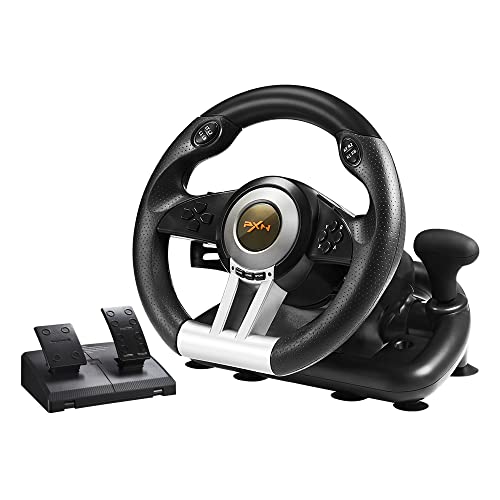
Driving simulators are effective for at-home practice, especially for mastering basic car controls, practicing emergency maneuvers, and learning to scan for hazards without any real-world risk. They build confidence and muscle memory but must be supplemented with real-world driving to experience true vehicle dynamics and traffic interactions. Think of it like a flight simulator for a car; it’s a powerful training tool, not a replacement for the real thing.
In our testing, we’ve found that simulators are excellent for the initial, often intimidating, phase of learning. They allow you to get comfortable with the coordination of the steering wheel, pedals, and (for manual) the gear shifter in a safe space.
Pros of Using a Driving Simulator ✅
* Zero Risk: You can practice difficult situations like navigating a busy intersection or reacting to a sudden stop without any physical danger.
* Repetition: Simulators allow you to repeat a specific maneuver, like parallel parking, dozens of times in a row until it becomes second nature.
* Muscle Memory: Using a wheel and pedals helps develop the coordination and muscle memory needed for smooth car control.
* Cost-Effective: A one-time investment in a simulator setup is often cheaper than multiple professional lessons.
Limitations of Driving Simulators ❌
* No Physical Feedback: Simulators cannot replicate the physical forces of acceleration, braking, and turning. This is a critical element you can only learn in a real car.
* Unpredictable Humans: AI traffic is good, but it can’t fully mimic the sometimes irrational and unpredictable behavior of real-world drivers and pedestrians.
* Varying Realism: The effectiveness depends heavily on the quality of the software and hardware. A cheap setup may not provide a realistic experience.
For the best results, look for a setup that includes a force-feedback steering wheel, which simulates the resistance you feel when turning a real car.
What Are the Rules for Practicing with a Borrowed Car?
Before practicing in a borrowed car, you must verify three things: 1) you hold a valid learner’s permit, 2) the car’s insurance policy covers you as a learner, and 3) a qualified licensed driver is in the passenger seat supervising. Failure to meet these legal requirements can result in fines, license suspension, and significant legal and financial liability in the event of an accident.
This option seems like the cheapest and easiest path, but it carries the most risk if not handled correctly. Based on years of navigating these situations, we strongly advise treating this process with the utmost seriousness. The car owner is placing immense trust in you, and you must protect both of you by following the rules precisely.
Here is your non-negotiable legal and insurance checklist for 2026:
- Obtain Your Learner’s Permit: You must have a valid learner’s permit from your state’s DMV in your physical possession before you even sit in the driver’s seat. This is the absolute first step.
- Contact the Insurance Company: The car owner must call their insurance agent and explicitly ask if their policy covers a “learner driver” or “permitted driver.” Do not assume it does. Some policies require the learner to be formally added as a named driver, which may increase the premium. Get written confirmation if possible.
- Verify Your Supervisor: Check your state’s DMV regulations for the requirements of a supervising driver. They typically need to be a licensed adult (often 21 or older) with a certain number of years of driving experience, and they must sit in the front passenger seat at all times.
- Get Explicit Permission: Have a clear conversation with the car owner. Discuss rules, boundaries (where and when you can practice), and what to do in an emergency. Never take the car without their direct, explicit permission for that specific practice session.
WARNING: Never practice in a borrowed car without confirming insurance coverage. An accident without proper coverage could lead to devastating financial consequences for both you and the car owner.
How Can You Practice Driving Skills Without Being in a Car at All?
To practice driving skills without a car, focus on theoretical and observational learning. You can: 1) Study the official driver’s handbook, 2) Use apps to learn road signs, 3) Watch point-of-view driving videos to spot hazards, and 4) Practice “commentary driving” as a passenger. These activities build the critical theoretical knowledge and cognitive awareness essential for safe driving.
This “homework” is what separates a good driver from someone who just knows how to operate a car. You can make huge progress from your own home, completely free of charge.
- Master the Driver’s Handbook: Your state’s official DMV handbook is the ultimate source of truth. Read it cover to cover. This is non-negotiable. It contains all the traffic laws, road marking meanings, and rules you will be tested on.
- Use Flashcards and Apps: Turn learning road signs and signals into a game. Use physical flashcards or free mobile apps to drill yourself until you can identify every sign and its meaning instantly.
- Watch First-Person Driving Videos: Search for “driving test routes” or “dash cam videos” for your city. Watch actively, pretending you are the driver. Call out potential hazards you see: a pedestrian about to cross, a car braking suddenly, or a blind spot you need to check. This is a form of hazard perception training.
- Practice as a Passenger: When someone else is driving, don’t just tune out. Pay attention to the road. Silently (or quietly, if the driver is willing) practice “commentary driving.” Narrate what you see and what actions you would take: “Okay, light is green, I’m checking the intersection for red-light runners. Now I’m checking my mirrors before changing lanes.”
This mental practice builds the neural pathways you need to make quick, safe decisions when you are finally behind the wheel.
What Is the Best Way to Practice Driving Without a Car? A Comparison
The best method to practice driving without a car ultimately depends on your personal budget, learning style, and risk tolerance. A professional driving school offers the most comprehensive and safest learning experience, while simulators provide excellent, risk-free supplemental practice. Borrowing a car is best for logging hours after you’ve learned the basics, provided all legal and insurance rules are followed.
To help you decide, here is a direct comparison of the three main practical options:
| Feature / Aspect | Professional Driving School | Driving Simulator | Borrowed Car (with Permit) |
|---|---|---|---|
| Cost | High (per hour/package) | Low (one-time software/hardware cost) | Very Low / Free (potential insurance increase) |
| Safety Level | Very High (Dual controls, insured) | Highest (No physical risk) | Moderate to Low (Depends on supervisor/car) |
| Legal Simplicity | Highest (School handles all legalities) | N/A | Low (Requires insurance verification, permit rules) |
| Instructor Quality | High (Certified Professionals) | N/A | Variable (Family/friend, not a pro) |
| Real-World Feel | Highest (Real car and traffic) | Low (No physical forces) | Highest (Real car and traffic) |
| Best For… | Complete beginners, comprehensive learning | Building muscle memory, hazard perception | Logging practice hours after initial lessons |
For most people, a blended approach is the most effective and efficient strategy. Start with a few professional lessons to learn the correct fundamentals from a certified instructor. Supplement that with at-home practice on a simulator to build muscle memory. Once you are confident with the basics, use a legally borrowed car to accumulate the necessary supervised driving hours.
FAQs About how to practice driving without car
Is it legal to practice driving without a permit?
No, it is illegal to operate a motor vehicle on public roads without a valid driver’s permit or license. A learner’s permit is the minimum legal requirement to begin practicing behind the wheel under supervision. Driving without one can lead to fines, legal trouble, and delays in getting your license.
How can I practice manual driving or stick shift without a car?
Practicing manual driving without a car is challenging but can be done through specialized driving schools or advanced simulators. Many professional driving schools have manual transmission vehicles available for lessons. Additionally, high-fidelity driving simulators with a clutch pedal and shifter accessory are excellent for learning the coordination of the clutch, gas, and gear changes in a risk-free setting.
Can I use a rental car for driving practice?
Generally, no. Most rental car companies require drivers to be at least 25 years old and hold a full, valid driver’s license, not a learner’s permit. Their insurance policies are not designed to cover learner drivers. Always check the specific rental company’s terms and conditions, but this is rarely a viable option for beginners.
How many hours of practice do I need before my driving test?
This varies by state, but many require a specific number of supervised driving hours, such as 40 to 50 hours, often including a certain number of hours at night. Check your local DMV’s official requirements for the exact number. Even if your state has no minimum, aiming for at least 40-50 hours of varied practice is a proven strategy for passing your test.
What if I don’t have anyone to supervise my driving practice?
If you lack a supervising driver, your primary and safest option is to enroll in a professional driving school. Certified instructors are legally qualified to supervise you, and this ensures you are learning correct habits from the start. This is the most direct solution to the problem of not having a qualified parent or friend available.
How can I practice parallel parking without a car?
You can practice the spatial awareness for parallel parking by setting up markers (like cones or cardboard boxes) in a driveway or empty parking lot and walking through the maneuvers. Use a toy car to visualize the steering inputs and wheel angles. This helps you understand the sequence and positioning before you attempt it in a real vehicle at a driving school.
Are online driving courses effective without a car?
Online driving courses are highly effective for learning the theoretical parts of driving, such as traffic laws, road signs, and defensive driving principles. They are an excellent supplement to practical training and are often a required part of getting a permit. However, they cannot replace behind-the-wheel experience and must be combined with practical lessons.
What is the cheapest way to practice driving without a car?
The absolute cheapest method is borrowing a car from a friend or family member, but it carries significant legal and safety responsibilities. A more balanced, low-cost approach is to combine theoretical self-study (using the free DMV handbook) with a high-quality driving simulator, saving professional lessons for mastering more complex, real-world skills.
How can I get confidence driving without a car to practice in regularly?
Build confidence incrementally by starting with non-driving practice like studying theory and using simulators. When you do get behind the wheel (e.g., at a driving school), start in empty parking lots and slowly progress to quiet streets. Each small success will build the confidence needed for more complex traffic situations.
Is it possible to get a driver’s license without ever owning a car?
Yes, it is entirely possible to get a driver’s license without owning a car. You can complete all required training and take the road test using a vehicle provided by a professional driving school. Many people get a license for employment or identification purposes long before they purchase their first vehicle.
Key Takeaways: How to Practice Driving Without a Car Summary
- Professional Schools Are the Gold Standard: For a complete beginner, enrolling in an accredited driving school is the safest and most comprehensive option, as it provides a certified instructor, an insured vehicle, and a structured curriculum.
- Simulators Build Foundational Skills: Driving simulators are a cost-effective and risk-free way to practice basic car controls and hazard perception at home, building crucial muscle memory and confidence before your first real lesson.
- Legal Compliance is Non-Negotiable: If you borrow a car, you must have a valid driver’s permit, be properly supervised, and verify the owner’s insurance covers you as a learner. Skipping these steps is illegal and unsafe.
- “Off-Road” Practice is Crucial: You can significantly advance your skills without a car by thoroughly studying your state’s official DMV handbook, learning all road signs, and using driving apps to master the rules of the road.
- A Blended Approach is Often Best: The most effective strategy is often a combination of methods. Use professional lessons for core skills, a simulator for repetition, and theoretical study to understand the “why” behind the rules.
- Confidence is Built in Layers: Start with the easiest, lowest-risk activities first (like studying), then move to simulators, then empty parking lots with an instructor, and finally to real traffic. Each step builds on the last.
Final Thoughts on Learning to Drive Without a Car
Learning to drive without owning a vehicle is not a barrier; it is simply a challenge with clear, manageable solutions. By being resourceful and strategic, you can build all the skills you need to become a safe and confident driver. The journey to getting your license is entirely achievable.
Remember that a great driver is not just someone who can handle a car, but someone who understands the rules, anticipates hazards, and makes safe decisions. The work you do outside the car—studying the handbook, practicing on a simulator, and observing others—is just as valuable as your time behind the wheel. By combining professional instruction with modern technology and diligent study, you are setting yourself up for success. Which approach will you try first?
Last update on 2026-03-16 / Affiliate links / Images from Amazon Product Advertising API


![Narrowest Car Seats Guide Infant Convertible Booster [year]](https://i0.wp.com/carxplorer.com/wp-content/uploads/2026/03/Narrowest-Car-Seats-Guide-Infant-Convertible-Booster-year-2.jpg?resize=60%2C60&ssl=1 "Narrowest Car Seats Guide Infant Convertible Booster [year] 6")


