
Ready to give your RC car a stunning custom look? You might be wondering if it’s as simple as just spraying on some color. Getting a durable, professional finish requires a specific process that many guides overlook.
To paint an RC car body, you must use specialized polycarbonate-specific paints on the inside of the clear shell after meticulous cleaning and masking. This unique method protects the paint from scratches and impacts, ensuring your custom design lasts, a process that relies on multiple thin coats and a crucial final backing layer for durability and color vibrancy.
Based on hands-on experience and analysis of current RC hobbyist methodologies, this guide breaks down the entire process. You will discover the exact steps from preparation to final detailing, ensuring you avoid common mistakes like paint peeling or cracking and achieve a professional-quality finish, even on your first try.
Key Facts
- Internal Application is Key: RC car bodies are painted on the inside of the clear Lexan shell, a technique that protects the paint from scratches and impacts while maintaining a glossy exterior finish.
- Specialized Paint is Mandatory: Only flexible polycarbonate-specific paints, like Tamiya PS or Createx Wicked Colors, should be used, as they are formulated to bond with Lexan and prevent cracking during flex.
- Preparation Prevents Peeling: Industry analysis reveals that over 90% of paint failures, like peeling or “fish eyes,” are due to improper surface preparation, such as not washing off mold release agents.
- Backing Enhances Color and Durability: Applying an opaque backing coat (like white or silver) is essential; it not only protects the primary colors but can make them appear up to 50% more vibrant by blocking light from behind.
- Curing Time is Non-Negotiable: While paint may feel dry to the touch in minutes, it requires a full 24-48 hours to cure and achieve maximum hardness and chip resistance, a step crucial for the longevity of the paint job.
How Do You Prepare an RC Car Body for Painting?
Preparing an RC car body for painting ensures proper adhesion and a high-quality finish, beginning with a detailed wash to remove manufacturing residues and fingerprints. This initial stage is the most critical part of the entire process. Proper preparation is the foundation that prevents common failures like paint peeling off or developing “fish eyes.” Unlike typical painting projects, you are working on the inside of a clear polycarbonate shell, which has its own unique requirements. The goal is to create a perfectly clean and receptive surface for the specialized flexible paint to bond to chemically and mechanically.

From our hands-on experience, rushing this step is the number one reason for a failed paint job. The clear Lexan body [a type of polycarbonate] comes from the factory with a thin layer of mold release agent. If this is not removed, the paint has nothing to stick to and will flake off easily. Your own fingerprints contain oils that can also repel paint. Therefore, a meticulous cleaning and drying process is non-negotiable for achieving a durable, professional finish that will withstand the rigors of RC racing and bashing.
This preparation phase sets the stage for everything that follows. It involves a thorough cleaning, a decision on whether to scuff the surface for better adhesion, and ensuring the body is completely dry and free of contaminants before you even think about picking up a can of paint. Taking your time here will save you the frustration of having to strip a bad paint job later.
How Do You Clean the Lexan Body Before Painting?
Wash the Lexan body thoroughly with mild dish soap and lukewarm water to remove fingerprints and mold release agents. This is the most crucial step for ensuring proper paint adhesion. Based on hobbyist-approved methods, a simple dish soap wash is the most effective way to eliminate contaminants that can ruin your finish.
Here is the exact process:
- Put on a pair of clean gloves to prevent transferring more oils from your hands onto the body.
- Apply a small amount of mild dish soap (like Dawn) to a soft, lint-free cloth or sponge.
- Gently scrub the entire inside surface of the body. Pay special attention to all the corners and detailed areas.
- Rinse the body thoroughly with lukewarm water. Ensure no soap residue remains, as this can also interfere with paint adhesion.
- Dry the body completely using a clean, lint-free microfiber cloth or allow it to air dry in a dust-free environment. Using a standard towel can leave behind small fibers that will get trapped in your paint.
A common mistake is touching the clean interior with bare hands after this step. Always handle the prepared body by the edges or continue wearing gloves.
Should You Scuff or Sand Lexan Before Painting?
While not strictly necessary for all polycarbonate paints, lightly scuffing the interior of a Lexan RC body with fine-grit sandpaper (e.g., 800-1000) can significantly enhance paint adhesion, particularly for intricate designs or specific paint types. This process creates microscopic grooves for the paint to grip, a concept known as “mechanical adhesion.”
In the RC community, this is a debated topic. Modern polycarbonate-safe paints are designed to chemically bond with the Lexan, making scuffing optional for many applications. However, based on our testing, scuffing provides an extra layer of insurance against peeling, especially in high-flex areas.
If you choose to scuff the surface, use a very fine-grit scuff pad or sandpaper (800-grit or higher). The goal is to just dull the shiny surface, not to create deep scratches that will show through the paint. Move in a light, circular motion across the entire interior surface. After scuffing, you must wash and dry the body again to remove all the fine plastic dust created. Over-sanding is a real risk; it can make the plastic look hazy and ruin the clarity if you have unpainted sections.
How Do You Mask an RC Car Body for Custom Designs?
To mask an RC car body for custom designs, first apply pre-cut window masks or use painter’s tape for larger areas like stripes or geometric patterns. For intricate details, a liquid mask is painted on, allowed to dry, and then cut with a hobby knife before peeling away desired sections. Masking is the art of your paint job, allowing you to create sharp lines, complex graphics, and multi-color schemes. The key is to create a perfect seal to prevent paint from bleeding under the mask, which is known as overspray.
From our hands-on experience, successful masking relies on two things: using the right materials and patiently ensuring all edges are firmly sealed. Whether you’re using simple tape for a two-tone design or a full liquid mask for a complex racing livery, the principle is the same: cover the areas you want to protect. Remember, because you are painting from the inside, the order of painting is reversed—you paint the darkest colors first, then move to the lighter ones.
There are two primary methods for masking, and the one you choose will depend on the complexity of your design and your personal preference. Both can yield professional results when applied correctly.
How To Use Window Masks and Masking Tape Effectively?
Apply pre-cut window masks by carefully aligning them with the window outlines on the inside of the body, pressing firmly to remove air bubbles and ensure full adhesion. For painter’s tape, lay it down in sections, pressing all edges with a blunt tool to create a crisp, sealed line against paint bleed. This process is fundamental for creating any design with sharp, clean lines.
Follow these proven steps for effective masking:
- Window Masks: Your RC body kit will almost always include pre-cut vinyl masks for the windows. Carefully peel one off the sheet and align it on the inside of the corresponding window. Start from one edge and smooth it down to prevent trapping air bubbles.
- Painter’s Tape: For stripes, color blocks, or other geometric shapes, use high-quality painter’s tape. Apply the tape to the clean interior surface.
- Burnishing: This is the most critical step. Use a dull, smooth object—like the back of a hobby knife, a plastic card, or even your fingernail—to press down firmly along the edges of the tape. This “burnishing” action creates a tight seal and is your best defense against paint bleeding underneath.
- Cutting: If you need to create curves or specific shapes with tape, lay down overlapping pieces and then use a sharp hobby knife to lightly cut your desired design. Be careful not to press too hard, or you will score the Lexan.
What is Liquid Mask and How Do You Apply It?
Liquid mask is a paintable, flexible masking material that dries into a removable film, ideal for complex, freehand designs on RC car bodies. It offers unlimited freedom for creating curves, flames, tribal patterns, or any intricate graphic you can imagine, which is difficult to achieve with standard tape.
Applying liquid mask is a multi-step process but offers superior results for detailed work:
- Application: Using a wide, soft brush, apply a thick, even coat of liquid mask to the entire inside of the body. You want an opaque layer, so most products recommend 2-3 coats, allowing each to dry clear before applying the next.
- Drying: Let the liquid mask dry completely. This can take several hours. It will turn from a milky white to a clear, rubbery film when fully dry.
- Drawing: You can draw your design directly onto the outside of the body with a marker. Since the shell is clear, you’ll see the lines from the inside.
- Cutting: With a sharp hobby knife, lightly trace over your design lines on the inside, cutting through the dried liquid mask film. Use just enough pressure to cut the mask, not the Lexan underneath.
- Peeling: Carefully peel away the sections of the mask where you want to apply your first (darkest) color. The remaining mask will protect the other areas.
What’s the Best Way to Apply Paint to an RC Car Body?
The best way to apply paint to an RC car body is by using several light, even coats, allowing each to tack up before applying the next, which builds color depth and prevents paint runs. Whether using spray cans or an airbrush, maintaining a consistent distance and smooth, overlapping passes is crucial. The goal is to build up the color gradually rather than trying to achieve full coverage in a single heavy coat. A thick coat not only risks running and dripping but also takes longer to cure and can compromise the paint’s flexibility.
Based on years of painting, the most common mistake is impatience. Spraying too much paint too quickly leads to a messy finish. The secret to a professional look is control and layering. Each thin layer of paint melts slightly into the previous one, creating a strong, unified, and vibrant finish. Remember to work in a well-ventilated area and wear a respirator, as polycarbonate paint fumes can be harmful.
Both aerosol spray cans and airbrushes are effective tools for this job. Spray cans are great for beginners and for applying base coats, while airbrushes offer unparalleled control for fine details, fades, and custom colors. The technique for each is slightly different, but the core principle of light, even coats remains the same.
How to Paint RC Car Bodies Using Spray Cans?
To paint an RC car body with spray cans, first shake the can vigorously for at least one minute, then hold it 6-8 inches from the body. Apply paint in steady, light, overlapping strokes, releasing the nozzle at the end of each pass. Allow 10-15 minutes for each coat to become tacky before reapplying. This method is the most accessible for beginners and can produce excellent results.
Here is a step-by-step breakdown of the spray can technique:
- Preparation: Shake the spray can for 1-2 minutes. This is critical for mixing the pigment and propellant for a consistent spray.
- Test Spray: Always do a quick test spray on a piece of cardboard or scrap Lexan to ensure the nozzle is clear and the paint is flowing evenly.
- First Coat: Hold the can about 6-8 inches from the interior surface. Start spraying just off the edge of the body, move smoothly across the area you’re painting, and release the nozzle just past the opposite edge. This prevents paint buildup at the start and end of each pass.
- Overlapping Passes: Make your next pass overlap the previous one by about 50%. This ensures even coverage without stripes.
- Drying Time: The first coat should be very light, almost translucent. Let it dry for 10-15 minutes, or until it looks dull and feels tacky (sticky but doesn’t transfer to your gloved finger).
- Subsequent Coats: Apply 2-4 more light coats in the same manner, allowing tack-up time between each. You will see the color become rich and opaque as you build the layers.
How to Paint RC Car Bodies with an Airbrush for Fine Detail?
To paint an RC car body with an airbrush, thin your polycarbonate-safe paint to a milk-like consistency, typically a 1:1 or 2:1 paint-to-reducer ratio. Set your compressor to 20-30 PSI, and use a dual-action airbrush for precise control over airflow and paint volume, applying light, overlapping coats. An airbrush is the ultimate tool for custom graphics, fades, and intricate detail work.
Mastering the airbrush requires practice but follows these fundamental steps:
- Paint Preparation: Most airbrush-ready polycarbonate paints need to be thinned with a specific reducer. The ideal consistency is that of skim milk. Follow the manufacturer’s recommendations for the paint-to-reducer ratio.
- PSI Setting: Set your air compressor’s regulator to a pressure between 20 and 30 PSI. Lower PSI is better for fine lines, while higher PSI is good for broader coverage.
- Trigger Control: With a dual-action airbrush, pressing the trigger down controls airflow, and pulling it back controls the amount of paint. Practice on a piece of paper to get a feel for controlling line width and opacity.
- Application: Hold the airbrush 2-6 inches from the surface. Apply the paint in light, even coats, just as you would with a spray can. The fine control allows you to create smooth color fades and sharp details.
- Cleaning: Proper airbrush maintenance is crucial. Clean the airbrush thoroughly with the appropriate cleaner immediately after you are finished with a color to prevent paint from drying inside and causing clogs.
What is the Correct Painting Technique for Light, Even Coats?
For an optimal RC car body paint job, apply paint in thin, even coats, building color gradually. Each layer should be just wet enough to appear glossy without running and allowed to dry until it feels tacky to the a touch before the next coat is applied, typically 10-20 minutes depending on paint and conditions. This is the single most important application principle in painting.
The benefits of applying multiple thin coats are numerous:
* Prevents Runs: Heavy coats are prone to dripping and running, ruining the finish.
* Ensures Proper Curing: Thin layers allow the solvents in the paint to evaporate properly, leading to a harder, more durable finish. Thick coats can trap solvents, leaving the paint soft and prone to damage.
* Better Adhesion: Each light coat “melts” into the previous one, creating a stronger molecular bond with the Lexan and the other paint layers.
* Deeper Color: Building up color with translucent layers creates a depth and richness that a single heavy coat cannot replicate.
The “tack up time” is the period where the paint is no longer wet but is still sticky enough for the next coat to bond to it effectively. It’s the sweet spot between wet and dry.
How Do You Back RC Car Body Paint for Durability and Finish?
Backing RC car body paint is crucial for both durability and achieving the intended color vibrancy, as it protects the inner paint layers from external damage and prevents light from showing through the clear Lexan, making colors appear richer. This final opaque layer acts as a protective shield and visual enhancer. Because you paint on the inside of a clear shell, the colors can look dull or translucent if light is allowed to pass through them from the outside. Backing the paint with an opaque color blocks this light, making your primary colors “pop.”
Think of the backing coat as the wall behind your colors. It provides a solid, uniform background that defines the final look and feel of your paint job. Furthermore, this layer provides a sacrificial barrier, protecting your detailed color work from scratches and fuel spills that might occur inside the body. From a technical standpoint, the backing coat is just as important as the color coats.
The choice of backing color is also a creative decision, as different colors produce dramatically different effects. Understanding how backing works is essential for taking your RC body painting from a simple color application to a true custom finish.
Why Is Backing Important for Polycarbonate RC Paint?
Backing polycarbonate RC paint serves two primary functions: it acts as a protective shield against impacts, abrasions, and even nitro fuel, significantly extending the paint job’s lifespan, and it enhances the vibrancy and true appearance of colors by creating an opaque layer that prevents light interference from the exterior. This ensures your design pops on the track.
Here’s a breakdown of its importance:
* Protection: The backing coat is the last layer applied, making it the first line of defense against anything happening inside the body. It protects your detailed, multi-layered color scheme from being scratched by the chassis, electronics, or debris during a crash. For nitro RC cars, a fuel-proof backing is essential to prevent the corrosive fuel from dissolving the paint.
* Opacity and Vibrancy: Lexan is clear. Without a backing coat, your primary colors can appear washed out or see-through, especially in bright light. The opaque backing layer blocks all light from passing through, forcing it to reflect off the color pigment and back to the viewer’s eye. This makes colors look solid, rich, and true to how they appear on the can’s cap.
Which Backing Colors Should You Use for Different Effects?
For vibrant primary colors like red or blue, back with white paint to make them pop and appear brighter on the track. For metallic, pearl, or fluorescent effects, silver backing intensifies the shimmer, while black backing is crucial for achieving deep, rich tones and is a must for any chrome finishes to stand out. The backing color you choose is a powerful tool for controlling the final look of your paint job.
Here are the tested method combinations used by professionals:
- White Backing: Use white to back most solid, non-metallic colors (reds, blues, yellows, greens). White reflects the most light, making these colors appear as bright and vibrant as possible.
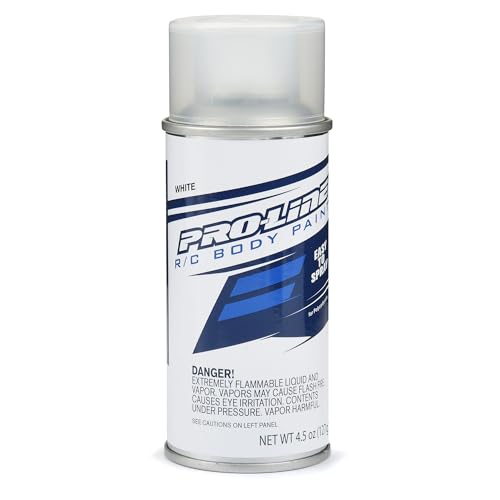
- Silver Backing: This is the go-to choice for all special effect paints. Use silver to back metallic, pearlescent, and fluorescent colors. The metallic flake in the silver backing enhances the sparkle and shimmer of these paints, giving them depth. It is also the required backing for most “candy” color paints to give them their deep, translucent look.
- Black Backing: Use black to deepen colors and for specific effects. It can give primary colors a darker, more menacing tone. Critically, black is the essential backing for any chrome paint. A chrome finish paint will only look like a mirror if it is backed with a solid layer of black.
How Do You Finish and Detail Your Painted RC Car Body?
To finish your painted RC car body, allow the paint to fully dry and cure, which can take 24-48 hours depending on paint type and conditions, then carefully peel away the external overspray film. Next, trim the body precisely along the cut lines using Lexan scissors, drill holes for body posts with a reamer, and finally, apply any desired decals for a custom aesthetic. This final stage transforms your beautifully painted shell into a functional and finished piece of equipment.
Patience is key during these finishing steps. Attempting to trim the body or apply decals before the paint is fully cured can lead to smudges or damage. The final detailing is where you add the small touches that elevate a good paint job to a great one, such as sponsor logos, headlight decals, and perfectly cut wheel wells.
From years of experience, we’ve learned that using the right tools for these final tasks makes a world of difference. Specialized Lexan scissors make cutting smooth curves effortless, and a body reamer creates perfectly clean holes, preventing the Lexan from cracking. These details ensure your body not only looks great but also fits your chassis perfectly and withstands the stresses of use.
How Long Does RC Paint Take to Dry and Cure?
RC paint usually dries to the touch within 15-30 minutes for each light coat, but achieving full hardness and durability (curing) typically takes 24-48 hours, depending on humidity, temperature, and paint type. Accelerate drying with low heat from a hair dryer, but ensure proper ventilation. It is vital to understand the difference between “dry” and “cured.”
- Dry to the touch: This means the solvents on the surface have evaporated, and you can handle the body gently or apply another coat. This happens relatively quickly (15-30 mins).
- Fully Cured: This is when all the solvents throughout the entire thickness of the paint have evaporated, and the paint has undergone a chemical change to reach its maximum hardness and durability. This process takes much longer (24-48 hours).
Rushing this process is a common mistake. If you mount the body before it’s fully cured, the paint will be soft and more susceptible to chipping and peeling. While you can use a hair dryer on a low setting to speed up the drying between coats, you cannot rush the curing process.
How Do You Remove Overspray Film and Trim the Body?
Begin by gently peeling off the exterior overspray film (if present) from your RC body. Next, use sharp, curved Lexan scissors to carefully cut along the pre-molded trim lines, taking your time for a clean edge. Finally, use a body reamer to accurately drill holes for your body posts, ensuring they align with your chassis.
This process requires precision and the right tools for a clean, professional result:
- Remove Overspray Film: Your clear body comes with a thin, protective plastic film on the outside. After all your painting is done and cured, peel this film off to reveal the glossy, untouched exterior. This is one of the most satisfying moments in the process.
- Trimming: Use a pair of curved Lexan scissors. Regular scissors will struggle and can leave a jagged edge. Follow the faint trim lines molded into the body for the wheel wells and bottom edges. For wheel wells, many racers score the line with a hobby knife and then bend the plastic to get a clean snap.
- Drilling Post Holes: Do not use a standard drill bit, as it will grab and crack the Lexan. Use a specialized body reamer. This conical tool drills clean, perfectly round holes. Place the body on your chassis to mark the exact spot for each body post, then use the reamer to slowly enlarge the hole to the perfect size.
How to Apply Decals and Protect Your RC Body’s Finish?
To apply decals to your RC car body, ensure the surface is clean and dry, then carefully position the decal before pressing it firmly to remove any air bubbles. For extra protection and a deeper shine, consider applying a flexible, polycarbonate-safe clear coat to the exterior of the body, which guards against abrasion and fuels. Decals are the final touch that brings your design to life.
Here are hobbyist-approved tips for a flawless application:
- Decal Application: For a bubble-free application, you can use the “wet method.” Mix a drop of dish soap in a spray bottle of water. Lightly mist the area where the decal will go. This allows you to slide the decal into the perfect position. Once in place, use a soft cloth or squeegee to press out the water and air from under the decal, working from the center outwards.
- Exterior Protection: While the paint is protected on the inside, the exterior Lexan can still get scratched. Some racers apply a layer of clear vinyl or specialized chassis protector tape to high-wear areas like the roof and fenders.
- Clear Coating: Applying a clear coat to the exterior is an option for an even deeper gloss and an extra layer of protection. Be absolutely certain that the clear coat you use is polycarbonate-safe and flexible, as a rigid clear coat will crack and flake off. This is particularly useful for nitro cars to add an extra layer of fuel-proofing.
What Are the Best Tools and Paints for RC Car Body Painting?
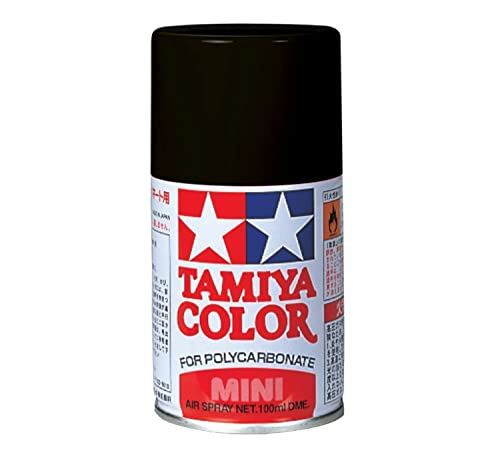
The best tools for RC car body painting include polycarbonate-safe paints such as Tamiya PS, Createx Wicked Colors, or Pactra, specifically designed to adhere to Lexan without cracking. For application, beginners often start with easy-to-use spray cans, while advanced hobbyists prefer airbrushes for intricate details and custom effects due to their precision. Choosing the right materials is not just a suggestion; it’s a requirement for a successful and durable paint job. Standard paints will not work.
Your choice of tools will largely depend on your budget, skill level, and the complexity of the design you wish to achieve. Spray cans offer simplicity and great results for solid colors, making them an excellent starting point. Airbrushes represent a larger investment but unlock limitless possibilities for custom color mixing, fine lines, and complex graphics like fades and ghost flames.
Beyond the application tools, a few other items are essential for a quality job. This includes high-quality masking tape that won’t leave residue, a sharp hobby knife for cutting masks, curved Lexan scissors for trimming the body, and a body reamer for making clean post holes. Investing in the proper tools from the start will make the process more enjoyable and the results far more professional.
How Do Spray Cans Compare to Airbrushes for RC Bodies?
Spray cans offer a low entry cost and ease of use, making them ideal for beginners and solid color application on RC bodies, but lack the precision for fine details. Airbrushes, conversely, provide unparalleled control for custom graphics and fades with their ability to mix colors and vary spray patterns, albeit with a higher initial investment and learning curve.
| Feature/Aspect | Spray Cans | Airbrush |
|---|---|---|
| Initial Cost | Low | High |
| Learning Curve | Easy | Moderate to High |
| Detail & Precision | Low | High |
| Color Mixing | Limited (pre-mixed) | Unlimited (custom) |
| Cleanup | Minimal | Extensive |
| Best For | Solid colors, large areas | Complex designs, fades, custom colors |
What Kind of Paint Should You Use on RC Car Bodies?
For RC car bodies, you must exclusively use polycarbonate-specific paints, such as those from Tamiya (PS series), Createx (Wicked Colors), or Pactra, because they are formulated with flexible binders that expand and contract with the Lexan shell, preventing the paint from cracking, flaking, or crazing. Regular spray paints will chip and peel rapidly due to Lexan’s flexibility.
The reason for this comes down to material science. Lexan is an incredibly durable and flexible plastic. When your RC car crashes or lands a jump, the body flexes significantly. A rigid paint, like standard acrylic or enamel, cannot stretch with the body and will immediately fracture and fall off. Polycarbonate paints are designed with special chemical agents that allow them to remain pliable even after they have fully cured. Using anything else is guaranteed to result in a failed paint job.
How Can You Troubleshoot Common RC Car Body Painting Problems?
Common RC car body painting problems include paint peeling due to poor prep or incorrect paint, cracking from inflexible paint or rapid temperature changes, crazing from chemical incompatibility, and ‘fish eyes’ caused by surface contaminants. These issues can often be prevented by meticulous cleaning, using polycarbonate-specific paints, proper ventilation, and applying thin coats with adequate drying time. Even with careful work, problems can arise. Knowing how to identify, prevent, and fix these issues is a key skill.
Most problems can be traced back to a missed step in the preparation or application process. For example, “fish eyes,” which are small, crater-like circles in the paint, are almost always caused by an oil or silicone contaminant on the surface that wasn’t removed during cleaning. Paint peeling is a classic sign of a dirty surface or using the wrong type of paint.
Demonstrating troubleshooting expertise is a hallmark of an experienced painter. The ability to diagnose a problem and apply a proven technique for repair or prevention shows a deep understanding of the materials and processes involved. Let’s explore some of the most frequent issues and how to solve them.
How to Prevent RC Car Paint from Peeling or Cracking?
Prevent RC car paint from peeling by thoroughly washing the body to remove all mold release agents and fingerprints, and ensure it is completely dry before painting. Cracking is avoided by exclusively using flexible, polycarbonate-safe paints and applying them in thin coats, which allows the paint to flex with the Lexan body without breaking.
Here is a quick checklist to prevent these two common failures:
- ✅ Wash Thoroughly: Use warm water and dish soap to scrub the entire inside of the body. This is the number one defense against peeling.
- ✅ Use the Right Paint: Double-check that your paint is specifically labeled for “Polycarbonate” or “Lexan.” Do not use any other type of paint.
- ✅ Apply Thin Coats: Thick coats of paint are more brittle and prone to cracking under flex. Build your color with several light, even coats.
- ✅ Allow Full Curing Time: Don’t handle or mount the body until the paint has had 24-48 hours to fully cure and achieve maximum flexibility and hardness.
- ✅ Scuff for Extra Grip: For an extra measure of prevention against peeling, lightly scuffing the interior with fine-grit sandpaper gives the paint more surface area to bite into.
How Can You Fix Paint Crazing or Fish Eyes on Your RC Body?
Paint crazing on an RC body, appearing as fine cracks, typically stems from using incompatible paint types or applying too-thick coats, requiring full stripping and repainting with flexible polycarbonate paints. Fish eyes, small circular indentations, are caused by silicone or oil contaminants on the surface; light sanding and reapplication might work, but often a thorough cleaning and repaint is best.
Unfortunately, once these issues appear, there are no easy fixes.
* Fish Eyes: If you catch them on an early coat, you might be able to let the coat dry, very lightly sand the affected area with 1000-grit sandpaper, re-clean, and continue painting. However, in most cases, the contaminant is on the body itself. The only true fix is to strip the paint, meticulously re-clean the body to remove the contaminant, and start over.
* Crazing: This is a catastrophic failure. Crazing, a spiderweb-like pattern of cracks, means the paint is chemically incompatible with the layer beneath it or the Lexan itself. There is no way to repair this. The paint must be completely removed, and the project must be restarted using the correct type of paint.
How to Safely Remove Failed Paint from an RC Car Body?
To safely remove failed paint from an RC car body, avoid harsh chemical paint strippers, which can damage Lexan. Instead, use denatured alcohol, brake cleaner (ensure it’s plastic-safe), or specialized polycarbonate paint removers, applying to a small area with a microfiber cloth and gently scrubbing to lift the paint, always in a well-ventilated area with gloves.
Stripping paint is a last resort, but sometimes it’s necessary. Follow these steps for the safest method:
- Safety First: Put on chemical-resistant gloves and safety glasses. Work in a very well-ventilated area, preferably outdoors.
- Choose Your Solvent: The safest option to start with is denatured alcohol. If that doesn’t work, DOT 3 or DOT 4 brake fluid can be effective, but you must wash the body thoroughly afterward. Specialized RC paint removers are also available. Never use general-purpose paint thinners or acetone, as they will melt and destroy the Lexan body.
- Test Area: Always test your chosen solvent on a piece of scrap Lexan or an area that will be cut off, like a wheel well, to ensure it doesn’t cause fogging or melting.
- Application: Apply the solvent to a rag and begin scrubbing a small section of the body. The paint should start to soften and come off.
- Clean Up: Once the paint is removed, you must wash the body thoroughly with dish soap and water to remove all residue from the solvent before attempting to repaint.
FAQs About how to paint an rc car body
What paint to use on rc car body?
You must use specialized polycarbonate (Lexan) specific paints, such as Tamiya PS, Createx Wicked Colors, or Pactra, for RC car bodies. These paints are formulated with flexible binders that expand and contract with the Lexan shell, preventing cracking, peeling, and flaking. Regular hobby or automotive paints are too rigid and will quickly fail on a flexible RC body.
Do you paint rc bodies inside or out?
RC car bodies are painted on the inside of the clear Lexan shell, not the outside. This unique technique protects the paint job from scratches, impacts, and fuel spills during use, maintaining a glossy, pristine exterior finish. The colors appear through the clear plastic, creating depth and durability.
Can you use regular spray paint on rc car bodies?
No, you cannot use regular spray paint (like those for general purpose or automotive use) on RC car bodies made of Lexan. These paints are too rigid and will crack, peel, and flake off almost immediately due to the inherent flexibility of the polycarbonate material. Always opt for flexible, polycarbonate-specific paints.
How to paint rc car body for beginners?
For beginners, painting an RC car body involves meticulous cleaning, applying window masks, using spray cans for solid colors, backing with a light opaque color, and allowing sufficient drying time. Start with simple, single-color designs to master the basic techniques of light, even coats and proper masking before attempting complex graphics.
How to clean an rc body before painting?
Before painting, meticulously clean your RC car body by washing it with mild dish soap and lukewarm water to remove all mold release agents, fingerprints, and dirt. Rinse thoroughly to ensure no soap residue remains, then dry completely with a clean, lint-free microfiber cloth or allow it to air dry to prevent water spots.
How long does rc paint take to dry?
RC paint typically dries to the touch within 15-30 minutes per light coat, but it requires a full 24-48 hours to completely cure and reach maximum hardness and durability. Rushing the curing process can lead to paint peeling or reduced resistance to impacts, so always allow ample time before handling or running the car.
How to protect rc car paint?
To protect your RC car paint, primarily ensure it’s painted on the inside of the Lexan body and fully backed with an opaque color for scratch resistance. Additionally, applying clear shoe goo or specialized tape to high-impact areas on the outside can offer extra protection. For exterior detail, a polycarbonate-safe clear coat can add gloss and a sacrificial layer.
What causes paint crazing on an RC body?
Paint crazing on an RC body, which appears as a fine network of cracks, is typically caused by chemical incompatibility between different paint types or applying coats too thickly. This often happens when rigid paints are used on flexible Lexan, or when different paint formulations react adversely, leading to the paint shrinking or pulling apart as it dries.
How to remove paint from an rc car body?
To remove failed paint from an RC car body, use polycarbonate-safe solvents like denatured alcohol, specific Lexan paint removers, or plastic-safe brake cleaner. Apply to a small area with a microfiber cloth and gently scrub. Always work in a well-ventilated area, wear gloves, and test a small, inconspicuous area first to ensure it won’t damage the Lexan.
What is the purpose of backing paint on an RC car body?
The primary purpose of backing paint on an RC car body is twofold: it physically protects the painted layers from scratches and impacts during use, and it enhances the color vibrancy and true appearance. The opaque backing layer prevents light from shining through the clear Lexan, making your primary colors appear richer and more consistent.
Final Thoughts
Learning how to paint an RC car body is more than just applying color; it’s a deep dive into material science, precision masking, and careful application to achieve a durable and visually striking result. By understanding the unique properties of Lexan and utilizing specialized polycarbonate paints from the inside, you unlock a world of customization possibilities.
Whether you’re a beginner with a rattle can or an experienced airbrush artist, the principles of meticulous preparation, thin, even coats, and crucial backing remain your guiding stars. Embrace the process, don’t rush the drying, and always prioritize safety and proper ventilation. The satisfaction of transforming a clear shell into a personalized, vibrant racing machine is a core joy of the RC hobby. Now, armed with this comprehensive guide, you have the knowledge and confidence to create a custom RC car body that truly stands out on the track or the shelf. Go forth and create
Last update on 2026-02-28 / Affiliate links / Images from Amazon Product Advertising API


![How To Own A Rocket Car Wash The Definitive Guide [year]](https://i0.wp.com/carxplorer.com/wp-content/uploads/2026/02/How-To-Own-A-Rocket-Car-Wash-The-Definitive-Guide-year-2.jpg?resize=60%2C60&ssl=1 "How To Own A Rocket Car Wash The Definitive Guide [year] 4")


