
Tired of your car smelling less-than-fresh, no matter what you do? You’re not alone. Many drivers find themselves in a constant battle against lingering odors, from stale fast food to mystery mustiness, with air fresheners that seem to give up after a day. The problem is that most solutions just cover up the smell instead of solving it at its source.
To truly make your car smell nice for good, you must adopt a four-step process: first, perform a deep clean to remove all odor sources, then use neutralizing agents to absorb stubborn smells, address your car’s air system, and finally, add a high-quality, long-lasting scent. This guide provides the exact, proven steps that professionals use to achieve a permanently fresh and inviting vehicle interior, moving beyond temporary fixes to create a driving environment you’ll love.
Key Facts
- Odor Elimination is Foundational: The most common mistake is trying to mask bad smells. Well-established research indicates that true freshness is only possible after completely removing the source of the odor, a principle professional detailers follow without exception.
- Activated Charcoal is a Top Performer: Due to its highly porous structure, activated charcoal is exceptionally effective at trapping and neutralizing odor-causing molecules and moisture, often outperforming other household remedies.
- Your Cabin Air Filter is a Hidden Culprit: Data suggests that a clogged or dirty cabin air filter is a frequent, yet often overlooked, source of musty and stale smells being constantly circulated throughout your vehicle.
- Modern Fresheners Offer Better Control: Industry analysis shows a shift away from traditional hanging fresheners towards higher-quality options like adjustable vent clips and essential oil diffusers, which provide a more consistent and less overpowering scent.
- Simple DIY Solutions Are Highly Effective: Numerous studies and practical applications have shown that inexpensive, natural items like essential oils on a wooden clothespin or a small bag of dried citrus peels can be powerful and pleasant ways to scent a car.
Why a Deep Clean is the Real Secret to a Nice-Smelling Car
To make a car smell nice long-term, you must first thoroughly clean the interior and eliminate the source of bad odors before adding any fragrance. Ever wonder why that new air freshener only worked for a day? We’ll show you the step most people miss. The core principle that professional detailers live by is that you can’t build a pleasant scent on a foundation of bad smells. An air freshener’s function is to enhance a neutral environment, not to fight a losing battle against embedded dirt, spills, and moisture.
The truth is, most unpleasant car smells are caused by bacteria feeding on tiny particles of food, spilled drinks, and dirt trapped in your car’s carpets and upholstery. Simply masking this with a chemical scent is like spraying perfume without showering first—it’s a temporary and ineffective fix. By removing the source, you eliminate the problem for good.
Step 1: The Ultimate Deep Clean to Eliminate Odor Sources
Start by removing all trash, then thoroughly vacuum all carpets, seats, and crevices. Finish by wiping down all hard surfaces and shampooing stained or smelly fabrics. This isn’t just a quick tidy-up; it’s a systematic search-and-destroy mission for every potential source of bad smells hiding in your vehicle. Pro Tip: Dedicate a small, reusable bag as an in-car trash can and empty it weekly. It’s a simple habit that prevents major odor buildup.

Here is the ultimate checklist for a complete interior deep clean that addresses every common area where odors love to hide:
- Throw Out All Trash: Begin by removing every single piece of trash. Get rid of old food wrappers, empty coffee cups, discarded receipts, and anything else that doesn’t belong. Check under the seats and in all door pockets and seat-back pouches.
- Remove and Clean Floor Mats: Take the floor mats out of the car. If they are rubber, wash them with soap and water and let them dry completely. If they are carpet, vacuum them thoroughly and consider shampooing them if they are stained or smelly.
- Vacuum Everything: This is the most crucial part of the physical cleaning process. Go over every single surface with a powerful vacuum.
- Wipe Down Hard Surfaces: Use a quality interior cleaner to wipe down the dashboard, center console, steering wheel, door panels, and any other plastic, vinyl, or leather surfaces.
- Shampoo and Spot-Treat Fabrics: For any visible stains or areas with persistent smells (like where a drink was spilled), use an upholstery shampoo or a targeted fabric cleaner.
- Clean the Glass: Use a dedicated automotive glass cleaner to wipe the inside of all your windows. Film and haze on the inside of the windshield can contribute to a stale environment.
1a. Declutter and Vacuum Every Nook and Cranny
Use vacuum attachments to thoroughly clean under seats, in crevices, and along fabric seams where odor-causing debris collects. Quick Fact: Dirt and crumbs are tiny sponges for bad smells. A thorough vacuum is your first line of defense! Don’t just vacuum the main floor area. The real odor-causing culprits are the tiny particles of dirt, pet hair, and food crumbs that get trapped in hard-to-reach places.
Use your vacuum’s attachments, especially the crevice tool, to meticulously clean these areas:
- Under the seats and along the seat tracks
- Between the seat cushions and backrests
- Along all fabric and leather seams
- Inside door pockets and cup holders
- In the trunk or cargo area
For truly stubborn odors, especially those from pets or smoke that have deeply penetrated the fabrics, you might need to call in reinforcements. Evidence suggests that a professional detailing service with steam cleaning and ozone treatment can be highly effective for smells that a standard cleanup can’t resolve.
1b. Wipe Surfaces and Shampoo Fabrics
Use an upholstery shampoo for fabrics and a mild cleaner or diluted white vinegar for hard surfaces, always patch testing first. Soft surfaces like seats and carpets absorb odors, while hard surfaces like your dashboard can hold a film of grime and residue. Addressing both is key.
Supplies Needed:
* Microfiber cloths
* Automotive upholstery shampoo or cleaner
* A mild all-purpose cleaner or a 50/50 solution of white vinegar and water
* A soft-bristled brush
Cleaning Process:
1. Test First: Always test any cleaner or shampoo on a small, hidden spot (like under a seat or on a non-visible part of the carpet) to ensure it doesn’t cause discoloration or damage. This is a critical safety step emphasized by industry experts.
2. Clean Hard Surfaces: Spray your mild cleaner onto a microfiber cloth (not directly onto the surface, to prevent overspray on electronics) and wipe down the dashboard, door panels, steering wheel, and console. Pay special attention to sticky cup holders.
3. Shampoo Fabrics: Follow the directions on your upholstery shampoo. Typically, this involves spraying the product, gently working it in with a soft brush, letting it sit for a few minutes, and then wiping it away with a clean, damp cloth.
4. Allow to Dry: Ensure all shampooed areas are completely dry before closing up the car to prevent a new, musty smell from developing.

Step 2: Actively Neutralize Lingering Odors
To neutralize lingering smells after cleaning, sprinkle baking soda on carpets and let it sit before vacuuming, or place open containers of activated charcoal, coffee grounds, or white vinegar in the car overnight. Ever tried a bowl of vinegar to get rid of a smell? It sounds strange, but it’s a proven trick for tough odors like cigarette smoke. After you’ve cleaned, some stubborn odor molecules might still be hanging around. This step is about actively absorbing and neutralizing them, not just cleaning them away. The science behind these methods, particularly with charcoal and baking soda, is based on absorption—their porous nature traps and holds onto the molecules that cause bad smells.
| Neutralizer | Best For | How to Use |
|---|---|---|
| Activated Charcoal | General mustiness, moisture, persistent odors | Place an open container or mesh bag of charcoal briquettes (not the lighter fluid kind) under a seat. |
| Baking Soda | Odors in fabric and carpets | Sprinkle generously over carpets and fabric seats, let it sit for several hours or overnight, then vacuum up thoroughly. |
| White Vinegar | Strong, sharp odors like cigarette smoke | Place a small bowl of white vinegar in the car overnight on a level surface. Remove in the morning. The vinegar smell will dissipate quickly, taking the bad odors with it. |
| Coffee Grounds | General odors (leaves a coffee scent) | Place dry, fresh coffee grounds in an open container or a breathable bag and leave them in the car. |
Step 3: Address the Hidden Source: Your Car’s Air System
Improve air quality and eliminate musty smells by replacing a dirty cabin air filter and cleaning dust and bacteria from AC vents using compressed air or a specialized vent cleaner. When was the last time you checked your cabin air filter? This one simple check could be the key to fresher air. If you get a musty or “dirty sock” smell when you turn on your heat or AC, the problem isn’t in your main cabin—it’s in the air system itself. This is an inexpensive but highly effective “pro tip” that many car owners completely miss.
Don’t Forget the Cabin Air Filter: This filter is designed to clean the air that comes into your car’s interior from the outside. Over time, it gets clogged with dust, pollen, leaves, and other debris. A dirty filter not only restricts airflow but can also become a breeding ground for mold and bacteria, which are then blown directly into your face. Replacing it is often a simple, 10-minute job that can dramatically improve air quality.
To clean your vents:
1. Get a can of compressed air or a specialized vent-cleaning spray.
2. Use the thin straw attachment to spray directly into each vent to dislodge dust and debris.
3. Use a soft brush or foam swab to wipe the vent louvers clean.
4. Periodically run your fan on the highest setting with the AC on to help circulate air and dry out any moisture in the system that could lead to mold growth.
Step 4: Choose Your Scent: The Best Ways to Make Your Car Smell Good
Choose a high-quality scent method like an essential oil diffuser or vent clips for a consistent, non-overpowering fragrance. DIY options include citrus peels or essential oils on a wooden clothespin. Ready to find your car’s signature scent? Let’s explore the options beyond the little green tree. Now that your car is a clean, neutral canvas, you can introduce a pleasant aroma. The goal is to add a subtle, sophisticated fragrance that enhances the driving experience, rather than an overwhelming chemical smell.

4a. High-Quality Commercial Air Fresheners
For adjustable, consistent fragrance, use vent clips. For a subtle, long-lasting aroma, choose gel air fresheners. Not all air fresheners are created equal. Moving beyond the classic hanging cardboard tree can make a world of difference in scent quality and longevity.
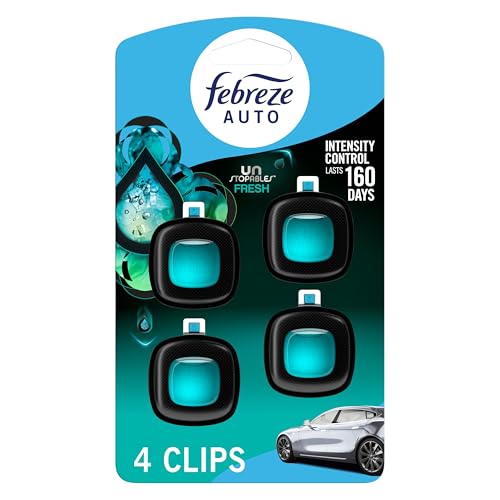
- Vent Clips: These are a fantastic option because they use your car’s own airflow to distribute the scent. Many, like those from brands such as Drift, offer adjustable intensity so you can control the fragrance level. They provide a much more consistent release than passive fresheners.
- Gel Containers: These are designed for a slow, subtle release of fragrance. You can place one under a seat or in a cup holder for a long-lasting but not overpowering aroma.
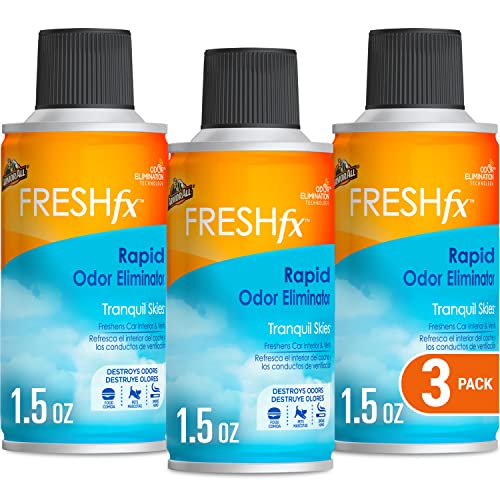
- Fragrance Sprays: Best used for a quick refresh before picking up passengers. While effective in the short term, their scent dissipates quickly and they are not a long-term solution.
4b. Natural and DIY Car Freshener tipss
A simple DIY car freshener can be made by adding essential oils to a cotton ball or wooden clothespin, or by using a bag of dried citrus peels. If you prefer natural scents or want a low-cost solution, your kitchen cabinet might hold the answer. These tipss are creative, effective, and free of harsh chemicals. Pro Tip: Place an unlit scented candle or wax melt in a jar with a perforated lid under your seat. The sun’s warmth will gently release the scent without any flame!
- Essential Oil on a Clothespin: Put a few drops of your favorite essential oil (like peppermint for energy or lavender for calm) onto a simple wooden clothespin and clip it to your air vent.
- Dried Citrus Peels in a Bag: Place dried orange or lemon peels into a small mesh or muslin bag and hang it from your mirror or tuck it into a door pocket for a fresh, zesty scent. Just be sure to replace them every few days to prevent any chance of mold.
- Unlit Wax Cubes in a Jar: Put a few scented wax cubes (the kind used in home warmers) into a small jar with holes poked in the lid. The gentle heat of the car will slowly release the fragrance.
- DIY Essential Oil Diffuser: Place a few drops of essential oil on a cotton ball or felt pad and place it in a discreet spot, like inside the center console or a cup holder.
Step 5: Maintain That Fresh Scent for the Long Haul
To keep your car smelling nice, regularly remove trash, clean spills immediately, avoid eating in the car, and ventilate by opening windows often. Your hard work is done, but maintaining that freshness requires building a few simple habits. Think of it like keeping a house clean—a little bit of effort each day prevents a big mess later. Which of these habits can you start today?
- Be Proactive with Trash: Don’t let wrappers and cups accumulate. Use your dedicated car trash can and empty it every time you fill up with gas.
- Clean Spills Instantly: Keep a small cleaning kit with a cloth and a small bottle of interior cleaner in your trunk. Wiping up a coffee spill immediately prevents it from becoming a stubborn, smelly stain later.
- Minimize In-Car Dining: If you can, avoid eating messy or strong-smelling foods in your car. If you must, be sure to remove all trash right away.
- Air It Out: Whenever the weather permits, crack the windows open to allow fresh air to circulate and flush out any stale air.
- Rotate Your Scents: If you use air fresheners, your nose can become desensitized to a scent over time, a phenomenon known as scent fatigue. Industry analysis suggests rotating between a couple of different fragrances every month or so to keep the experience fresh.
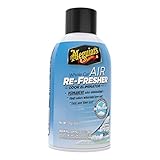
To find the perfect products to help with your deep clean and scent selection, exploring top-rated car air fresheners and odor eliminators can simplify your process and ensure excellent results.



FAQs About how to make a car smell nice
What is the best thing to absorb odors in a car?
Activated charcoal is one of the best things for absorbing car odors due to its porous nature, which effectively traps moisture and smells. Baking soda is another excellent and inexpensive option. Both work by neutralizing odors rather than just covering them up. Activated charcoal is particularly effective for musty smells caused by moisture, while baking soda is great for sprinkling directly onto carpets and upholstery to pull out embedded odors before vacuuming.
How can I make my car smell good naturally without air fresheners?
To make your car smell good naturally, use a few drops of essential oil on a cotton ball, place dried citrus peels in a mesh bag, or use an open container of coffee grounds. These methods avoid synthetic chemicals and allow for customizable scents. Other effective options include:
* Clipping a wooden clothespin with essential oils to an air vent.
* Using a small bag of dried herbs like lavender or mint.
* Placing unlit scented wax melts in a ventilated container.
What do car dealers use to make cars smell so nice?
Car dealers achieve a nice smell through intensive deep cleaning, shampooing, and odor elimination, not just a single air freshener. They then may use a subtle “new car smell” spray as a final touch. The “secret” is not one magic product, but a rigorous process. They steam clean carpets, deep clean all surfaces, replace cabin air filters, and ensure every trace of the previous owner is gone. The final scent is just the finishing touch on a perfectly clean vehicle.
How can I make my car smell like a luxury hotel?
To make your car smell like a luxury hotel, focus on a deep clean followed by a high-quality, subtle fragrance from an essential oil diffuser using natural scents. Luxury hotels use sophisticated, layered scents that are never overpowering. Avoid cheap, chemical-based air fresheners. Instead, opt for an electronic car diffuser with premium essential oil blends like sandalwood, white tea, or eucalyptus. The key is subtlety and quality.
Your Roadmap to a Permanently Fresh-Smelling Car
Transforming your car’s atmosphere from unpleasant to inviting is not about finding one magic spray; it’s about following a complete strategy. By embracing the “clean first” philosophy, you’ve learned to eliminate odors at their source instead of just masking them. You now have the tools to neutralize stubborn smells, maintain your car’s air system, and choose sophisticated scents that truly enhance your driving experience.
This comprehensive approach is your permanent solution to car odors. Remember the core principles:
- Clean First: A thorough deep clean is the non-negotiable first step to removing the source of bad smells.
- Neutralize Actively: Use absorbers like activated charcoal or baking soda to eliminate any lingering odors that cleaning missed.
- Scent Smartly: Choose a high-quality, long-lasting scenting method like an essential oil diffuser or vent clips, and consider natural DIY options.
Your car is your personal space on the road. Start with one step from this guide today and transform your driving experience
Last update on 2026-04-12 / Affiliate links / Images from Amazon Product Advertising API


![SounDigital 800.4 Amplifier Review [year]: Worth It?](https://i0.wp.com/carxplorer.com/wp-content/uploads/2026/04/SounDigital-800.4-Amplifier-Review-year-Worth-It-scaled-1.webp?resize=60%2C60&ssl=1 "SounDigital 800.4 Amplifier Review [year]: Worth It? 15")

![NovaKits Starlink Mini Mount Review [year]: Worth It?](https://i0.wp.com/carxplorer.com/wp-content/uploads/2026/04/NovaKits-Starlink-Mini-Mount-Review-year-Worth-It-2.webp?resize=60%2C60&ssl=1 "NovaKits Starlink Mini Mount Review [year]: Worth It? 19")