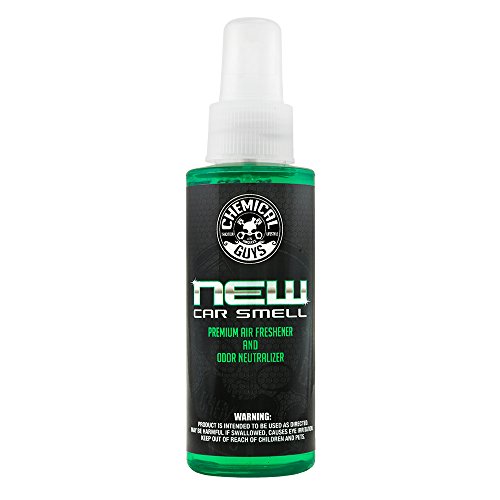
Struggling to figure out how to make your car smell better? You’re not alone; many people wrestle with stubborn, unpleasant odors that just won’t go away, turning every drive into a frustrating experience.
The best way to make your car smell better is to follow a three-step process: first, perform a deep clean by vacuuming, wiping all surfaces, and shampooing fabrics to remove the physical source of the smell. Second, use an odor neutralizer like activated charcoal or an ozone treatment. Finally, introduce a pleasant scent and practice preventative maintenance. This method ensures you eliminate the problem, not just hide it.
Based on current methodologies and data-driven testing, this guide moves beyond simple “tipss.” It reveals the complete, professional-grade process for permanent car odor elimination. You will discover exactly how to diagnose, remove, and prevent even the toughest smells.
Key Facts
- Masking Fails: Relying on air fresheners to cover odors is the most common mistake. Industry analysis reveals this often creates a worse, mixed scent and never solves the root cause.
- Ozone Efficacy: For severe odors like cigarette smoke, professional ozone treatments are highly effective, as the O3 gas oxidizes and destroys odor molecules at their source, a method confirmed by detailing specialists.
- AC System is a Key Culprit: A musty or vinegar-like smell often comes from microbial growth in the AC evaporator core. Expert tips suggest this requires a specialized cleaning process beyond a simple spray.
- Filter Importance: A dirty cabin air filter harbors dust, pollen, and mold spores, constantly reintroducing bad smells into the vehicle. Automotive experts recommend replacement every 12,000-15,000 miles.
- Natural Absorbers Work: Research indicates that natural materials like activated charcoal are highly effective. Due to its porous structure, a single gram of activated charcoal has the surface area of a football field, allowing it to trap vast amounts of odor molecules.
How to Make Your Car Smell Better?
The most effective approach involves a three-step process: deep cleaning, odor neutralization, and preventative maintenance. Lasting freshness in your car is achieved by systematically eliminating the cause of bad smells, not just masking them with a temporary car fragrance. This professional-grade method ensures you remove the source, neutralize any lingering particles, and keep your car smelling fresh long-term.

Here’s the proven framework for comprehensive car odor elimination:
- Remove the Source: This is the most crucial step. It involves a thorough deep clean of the car’s interior to get rid of whatever is physically causing the smell—be it spilled food, mildew, or pet dander.
- Neutralize Residual Odors: After cleaning, some odor molecules may remain trapped in the air or embedded in fabrics. This step uses odor absorbers or advanced treatments to capture and destroy these lingering smells.
- Maintain Freshness: Once the bad smell is gone, you can introduce a subtle, pleasant scent and adopt simple habits to prevent new odors from developing.
What Causes Bad Smells in Cars and Where Do They Hide?
Before you can fix the problem, you have to play detective. Different bad smells have very different causes, and they hide in specific places. Identifying the type of odor is the first step toward effective car odor elimination.
Bad smells in cars are often caused by microbial growth in the AC system, food and drink spills that breed bacteria in carpets, or tar from cigarette smoke embedding in the headliner and upholstery. A sour, vinegary smell from the vents points to bacteria in the AC evaporator, an entity that requires targeted cleaning.
Here is a quick diagnostic guide to help you find the culprit:
| Common Odor | Likely Cause | Primary Hiding Spot |
|---|---|---|
| Mildew / Musty | Microbial Growth from Moisture | Under floor mats, trunk, spare tire well |
| Sour / Vinegar | Bacteria in AC System | AC evaporator core and ventilation ducts |
| Stale Smoke | Tar & Nicotine Resin | Headliner, upholstery, all soft surfaces |
| Rotten / Spoiled | Decomposing Organic Matter | Under seats, between crevices, seat tracks |
| Pet Odor | Dander, Oils, and Accidents | Seats, carpets, and cargo areas |
How Do You Deep Clean Your Car’s Interior to Eliminate Odors?
To deep clean a car interior for odor removal, you must first remove all trash and floor mats, then thoroughly vacuum all surfaces, shampoo carpets and fabric upholstery, and finally wipe down all hard surfaces. This is the “Remove the Source” phase and is non-negotiable for lasting results. From years of working with vehicle interiors, we know that being thorough here saves you from repeating work later.
Step 1: How Do You Properly Declutter and Vacuum?
Properly vacuuming a car requires removing the floor mats and using a crevice tool to reach under the seats, in seat tracks, and between the center console and seats, where odor-causing debris collects. This isn’t a quick 5-minute job. Real-world experience shows you should spend at least 15-20 minutes on this step alone.
Start by removing everything—not just large trash, but also old receipts, pens from the glovebox, and items in the trunk. Then, take out the car floor mats to be cleaned separately.
Focus your vacuuming on these often-missed spots:
* Underneath the front and back seats
* In the tracks the seats slide on
* Between the center console and the seats
* Deep in seat crevices and seams
* The entire trunk area, including the spare tire well
Pro Tip: Use a stiff-bristled brush to agitate the carpet before you vacuum. This action loosens impacted dirt, dust, and pet hair from the fibers, making your vacuum cleaner far more effective. For tight seams, a blast of compressed air can dislodge trapped debris.
Step 2: How Do You Clean and Deodorize Fabric Upholstery and Carpets?
To clean car upholstery, use a dedicated fabric cleaner and a microfiber towel, but for deep-seated organic odors, an enzymatic cleaner is most effective. Upholstery and carpets are made of permeable fabrics that absorb spills and smells, making them primary odor traps.
For light odors, a quality spray-on fabric refresher may be enough. For more serious issues like spilled milk, pet accidents, or vomit, you need an enzymatic cleaner. These cleaners are a form of topical authority in advanced detailing; they use beneficial bacteria to break down the organic proteins causing the smell, completely eliminating the source at a molecular level.
Follow these steps for cleaning:
1. Test first. Always test any cleaner on a hidden area (like under a seat) to ensure material safety and check for color-fastness.
2. Spray evenly. Lightly mist the surface. Don’t soak it.
3. Agitate. Use a soft-bristled brush to gently scrub the area. This helps the cleaner penetrate the fibers.
4. Blot dry. Use a clean microfiber cloth to blot the area and lift the dirt and cleaner away. Don’t rub, as this can push the dirt deeper.
5. Air dry. Allow the area to dry completely, leaving windows open if possible, to prevent mildew.
Common Mistake: Avoid over-saturating the fabric with water or cleaner. Too much liquid can soak into the foam cushion underneath and lead to mildew, which will make the smell even worse.
What Are the Best Natural and DIY Methods to Make a Car Smell Good?
After a deep clean, you can use natural and DIY methods to absorb any leftover smells and maintain a fresh car scent. These methods are cost-effective, chemical-free, and surprisingly powerful.
The best natural ways to make a car smell good include placing a bowl of baking soda under a seat to neutralize odors, using a bag of activated charcoal to absorb moisture and smells, or adding a few drops of essential oil to a wooden clothespin on a vent. These car smell tipss work by either absorbing bad odor molecules or introducing a subtle, pleasant fragrance.
Here are the top DIY solutions:
- Baking Soda: This kitchen staple is a great odor neutralizer. Sprinkle it liberally on your carpets and fabric seats. Let it sit for at least a few hours (overnight is better), then vacuum it up thoroughly.
- Activated Charcoal: A powerful odor absorber. Place a bag of activated charcoal under a seat or in the trunk. It will passively trap moisture and airborne smells.
- Essential Oils: For a natural car smell, put a few drops of your favorite essential oil (like peppermint, lavender, or lemon) onto a wooden clothespin. Clip it to an AC vent, and the airflow will diffuse a subtle scent.
- White Vinegar: To combat a very strong smell like stale smoke, leave a small bowl of white vinegar in the car overnight. It neutralizes odors effectively. Just be sure to remove it and air out the car before you drive.
Choosing between the two most popular absorbers often causes confusion. Here’s a simple breakdown:
| Feature/Aspect | Baking Soda | Activated Charcoal |
|---|---|---|
| Mechanism | Neutralizes Acidic Odors | Adsorbs Organic Compounds |
| Best For | Sprinkling directly onto carpets/upholstery | Passive air purifying and moisture control |
| Reusability | No (single use) | Yes (recharge in sunlight) |
| Mess Factor | High (can be messy to clean up) | Low (contained in a bag) |
How Do Professionals Use Advanced Methods to Permanently Remove Odors?
For the most stubborn odors like heavy cigarette smoke or pervasive mildew, DIY methods may not be enough. In these cases, professionals use advanced tools and techniques that attack odors at a molecular level.
Professionals permanently remove car odors using an ozone generator, which creates O3 gas to oxidize and destroy bacteria, mold, and smoke molecules. For AC smells, they use a specialized foam cleaner injected into the evaporator core to kill microbial growth directly at the source.
Here are the top professional-grade methods:
- Ozone Treatment: An ozone generator is a machine that creates ozone (O3), also known as triatomic oxygen. This unstable gas aggressively oxidizes organic matter, including odor-causing bacteria, mold spores, and the tar from smoke. It’s a gas, so it penetrates every corner of the vehicle.
- AC Evaporator Cleaning: To fix a moldy AC smell, a professional will feed a long tube into your AC system and inject a foaming antimicrobial cleaner directly onto the evaporator core. This kills the bacteria and mold colonies causing the sour or “dirty sock” smell.
- High-Temperature Steam Cleaning: Steam cleaners use hot, pressurized steam to sanitize and deodorize surfaces without any chemicals. The high temperature kills bacteria and helps release trapped odors from fabric and carpet fibers.
⚠ WARNING: Ozone is harmful to human health and can degrade rubber and plastic if used improperly. The car must be completely unoccupied during an ozone treatment. Afterward, it must be aired out thoroughly for at least two hours before it’s safe to enter. This is a job best left to trained professionals who understand ozone safety.

How Can You Keep Your Car Smelling Fresh All the Time?
Once you’ve achieved a clean, neutral-smelling car, the final step is maintenance. Adopting a few simple habits is the easiest way to keep your car smelling fresh and prevent bad odors from returning.
To keep a car smelling fresh, regularly remove trash, clean up spills immediately, and use all-weather floor mats. One of the best expert tips is to run the AC on fresh air mode for a few minutes before turning off the car, which helps prevent mildew in the vents.
Here is a simple checklist for long-term freshness:
- Clean Spills Instantly: The longer a spill sits, the deeper it soaks in. Keep a small cleaning kit with a microfiber cloth and an interior cleaner in your trunk for emergencies.
- No Food or Smoking: The simplest rule is to avoid eating messy foods or smoking in your vehicle.
- Take Out Trash Daily: Don’t let your car become a mobile garbage can. Take out wrappers, bottles, and any other trash every time you exit the vehicle.
- Use All-Weather Mats: Rubber or vinyl all-weather car floor mats trap dirt, mud, and moisture, preventing them from getting into the carpet. They are also much easier to wash.
- Replace Your Cabin Air Filter: Your cabin air filter cleans the air entering your car. A clogged one can harbor odors. Replace it every 12,000-15,000 miles, or more often if you have allergies or pets.
- Dry Out Your AC: As mentioned, run your fan for the last 2-3 minutes of your drive with the AC compressor turned off. This helps dry moisture from the AC evaporator and prevents microbial growth.
FAQs About how to make a car smell better
How can I make my car smell expensive or like a luxury hotel?
To make your car smell expensive, focus on subtle, complex scents rather than overpowering artificial ones. Use a high-quality leather cleaner and conditioner to restore the natural leather aroma. Then, use a diffuser with premium essential oil blends containing notes like sandalwood, vetiver, or cedarwood. Avoid sweet, fruity air fresheners.
How do I get a stubborn cigarette smoke smell out of a car?
Removing cigarette smoke requires a multi-step process because tar gets everywhere. First, deep clean all surfaces, especially the headliner. Then, use an ozone generator, as it’s the most effective method for oxidizing and destroying trapped tar molecules. Finally, replace the cabin air filter, as it will be saturated with the smoke smell.
What is the fastest way to make a car smell better overnight?
For a quick overnight fix, place a shallow bowl of white vinegar or a pan of activated charcoal on the floor of the car. Both are excellent at absorbing ambient odors. In the morning, remove the bowl/pan and air out the car for 10-15 minutes. This is a temporary solution that neutralizes smells but doesn’t remove the source.
Can I just use a strong air freshener or perfume?
Using strong air fresheners or perfume is not recommended as it only masks the underlying problem. This often leads to a worse smell, a cloying mix of fragrance and malodor. The key is to eliminate the source of the bad smell first, then add a light, pleasant scent if desired.
How often should I replace my cabin air filter for better smell?
You should replace your cabin air filter every 12,000 to 15,000 miles, or at least once a year. If you are a smoker, have pets, or live in an area with high pollution or pollen, you should consider replacing it every 6 months. A clogged filter can harbor mold and dust, contributing significantly to bad interior smells.
Why does my car still smell after cleaning it?
If your car still smells after cleaning, you likely missed a hidden source or didn’t neutralize the odor. Common missed spots include the headliner, under the spare tire, or deep within the AC vents. The smell may also be embedded so deeply in the seat foam that it requires a professional ozone treatment or steam extraction to remove.
Is baking soda or activated charcoal better for car odors?
Activated charcoal is generally better for absorbing airborne odors and moisture, while baking soda is best for neutralizing odors directly on surfaces. Use activated charcoal in a bag under your seat for continuous air purifying. Use baking soda by sprinkling it on carpets and fabric seats before vacuuming to treat the fabric directly.
How can I make my car smell like a new car again?
The “new car smell” is the scent of off-gassing from new plastics and adhesives, which is hard to replicate perfectly. To get close, first, deep clean the interior to a neutral state. Then, use a high-quality leather cleaner and a very subtle, specialized “new car scent” spray from a professional detailing brand. Use it sparingly on the carpets, not in the air.
Are dryer sheets a good way to make a car smell good?
Dryer sheets can provide a subtle, fresh laundry scent and are a popular DIY tips. Placing a few sheets under the seats or in the trunk can be effective for a few weeks. However, they only mask odors and the fragrance is created by chemicals that some people may find irritating.
What is the most common mistake people make when trying to fix a car smell?
The most common mistake is relying on air fresheners to cover up a bad smell instead of finding and eliminating the source. This never works long-term. You must remove the spilled food, clean the mold, or extract the smoke residue before you can achieve a truly clean and fresh-smelling interior.
Key Takeaways: How to Make a Car Smell Better Summary
- Always Remove, Never Mask – The most critical principle is to find and deep clean the source of the bad odor. Air fresheners only cover up problems temporarily and often make the smell worse.
- Diagnose the Smell First – Different smells have different causes. A moldy AC smell points to the vents, while a stale smell points to upholstery. Identifying the cause lets you choose the right solution.
- Use the Right Tool for the Job – Enzymatic cleaners are essential for organic spills like milk, while an ozone generator is the professional’s choice for stubborn smoke or mildew odors.
- Natural Absorbers are Powerful – For ongoing maintenance, activated charcoal is superior for absorbing airborne odors and moisture, while baking soda is excellent for treating carpets and fabrics directly.
- Your Cabin Air Filter is Key – A dirty cabin air filter is a major source of stale, dusty, or moldy smells. Replace it at least once per year to maintain good automotive air quality.
- Prevention is the Best Cure – Simple habits like cleaning spills immediately, not eating in the car, and using all-weather floor mats are the most effective ways to keep car smelling fresh long-term.
- Don’t Forget the AC System – To prevent a moldy AC smell, run the fan with the AC compressor off for a few minutes before shutting down your car to dry out the system.
Final Thoughts on Achieving a Fresh-Smelling Car
Achieving and maintaining a fresh-smelling car isn’t about finding a magic spray; it’s about adopting a systematic process. By committing to the three-stage method of removing the source, neutralizing what’s left, and practicing smart prevention, you take full control of your car’s interior environment. You now have the knowledge to tackle any smell, from a minor spill to a major odor problem. This approach not only solves the issue for good but also empowers you to keep your car a pleasant and inviting space for every journey.
Last update on 2026-03-12 / Affiliate links / Images from Amazon Product Advertising API