
Ever spent a car show answering “What engine’s in it?” a hundred times? A great car show display board saves your voice and tells your car’s story for you, engaging spectators and impressing judges even when you’re not there.
A professional car show display board is a crucial tool for communicating your vehicle’s story, specifications, and modifications to judges and spectators. It typically includes the car’s make, model, year, engine details, and restoration history. A well-made board enhances your display, answers common questions, and can significantly improve your chances of winning an award.
Based on years of hands-on experience at countless shows, this guide provides the exact steps to create a show-quality board. You’ll discover how to plan your content, master the design, and choose the right materials to build a display that commands attention and tells your story with pride.
Key Facts
- Standard Size: The most common and accepted size for a car show board is 18×24 inches, providing enough space for information without overwhelming the vehicle display.
- Material Matters: For outdoor shows, weatherproof PVC expansion board is the best material for durability, while foam core is a cost-effective option for indoor-only events.
- Content is King: A great board balances technical specs with a compelling story. Including a brief history or restoration journey creates a powerful connection with spectators and judges.
- Wind is the Enemy: A common failure point is a sign blowing over. A weighted base, such as a sand-filled PVC stand or sandbags on an easel, is a proven solution for outdoor stability.
- Cost Varies Widely: A DIY board can cost under $25 for basic materials, while a professionally designed and printed sign on premium aluminum can cost $150 to $500+.
How to Make a Professional Car Show Display Board
A car show display board is a professional sign that details a vehicle’s specifications, history, and unique features for spectators and judges at an auto show. The primary purpose of this car show board is to tell your car’s story and highlight what makes it special. Creating an effective car show presentation involves three main phases: planning the content, designing the layout, and choosing the right materials for fabrication.

This informational poster is a critical part of your car show preparation. It acts as your vehicle’s silent salesperson, providing a rich context that a quick glance can’t capture. For judges evaluating dozens of cars, a clear, concise, and professional car show plaque can be the deciding factor, offering a summary of the hard work, investment, and passion poured into your build. For spectators, it turns a passive viewing into an engaging experience.
What Should Be on a Car Show Board?
The essential information for a car show board includes: 1. Year, Make, & Model, 2. Owner’s Name, 3. Engine Specifications (Displacement, HP), 4. Transmission Details, 5. Wheel & Tire Sizes, 6. Exterior & Interior Colors/Modifications, and 7. A brief, engaging story or history of the car. Structuring this information logically is key to a readable and effective car specs board.
Here is a breakdown of what to include, organized by importance.
Must-Have Information (The Core Vitals)
This is the non-negotiable data every board needs.
- Core Vehicle ID: Year, Make, and Model (e.g., 1969 Chevrolet Camaro SS).
- Owner’s Name(s): Give yourself credit!
- Engine: Displacement (e.g., 350ci, 5.0L), Horsepower/Torque, and key components (e.g., Holley Carburetor, Edelbrock Intake).
- Transmission: Type (e.g., 4-Speed Manual, TH400 Automatic).
- Wheels & Tires: Brand, Model, and Sizes (e.g., Cragar S/S, 15×7 Front, 15×8 Rear).
- Exterior & Interior: Official color names (e.g., LeMans Blue), and type of finish (e.g., Base/Clear).
Highly Recommended Information (The Story & The Shine)
This content elevates your board from a simple spec sheet to a compelling story.
- The Car’s Story/History: A short paragraph (100-150 words) about the car’s journey. Did you restore it from a barn find? Is it a family heirloom? This restoration + history element is crucial for spectator engagement.
- Unique Modifications & Build Sheet: A bulleted list of significant upgrades. Group them by system (Engine, Suspension, Audio, etc.). This is where you list things like a Factory Five Racing chassis or custom interior work.
- Awards Won: A small section listing previous show wins builds credibility.
Pro Tip: For judged shows like a concours d’elegance, focus on historically correct specifications and provenance. For a “People’s Choice” show, emphasize the personal story and unique, eye-catching modifications.
Optional Extras (The Finishing Touches)
- High-Quality Photos: 2-3 photos of the car are great, especially an engine bay or interior shot that’s hard to see in person.
- “Thanks To” Section: Acknowledge the shop, painter, or friends who helped with the build.
- Social Media Handle / QR Code: A modern touch for connecting with fellow enthusiasts.
How Do You Design a Professional Car Show Board?
To design a car show board, start by choosing a software like Canva for ease of use or Photoshop for more control. Use a large, bold font for the title (your car’s name) and a clean, sans-serif font like Helvetica or Arial for specs. Arrange content logically: title at the top, key specs in a list, and 2-3 high-quality photos with a brief story at the bottom.
A professional design isn’t about being flashy; it’s about being clear. From years of observing judging standards, we’ve seen that a board that is easy to read from five feet away will always outperform a cluttered, hard-to-read one.
What Is The Best Software to Design Your Board?
Choosing the right tool depends on your budget and design skill. Here’s a breakdown of the best options for 2026.
- ✅ Canva (Best for Beginners): This is our top recommendation for most people. It’s free, web-based, and full of car show board template options to get you started. Its drag-and-drop interface is incredibly user-friendly.
- ✅ Microsoft Publisher/Word (Good for Text Layouts): If you’re familiar with Microsoft Office, Publisher is a solid choice. It gives you good control over text boxes and image placement, making microsoft publisher + design a viable path.
- ✅ Adobe Photoshop/Illustrator (Professional Control): For those with design experience, these are the industry standards. Use Photoshop for editing photos and Illustrator for creating crisp logos and vector graphics that can be scaled to any size without losing quality.
Our Verdict: For 90% of car enthusiasts, Canva provides the best balance of power, ease of use, and cost. It’s the fastest way to get a professional-looking result without a steep learning curve.
How Do You Create a Balanced and Readable Layout?
A good layout guides the viewer’s eye. It’s not just about what you put on the board, but where you put it.
- Establish a Typography Hierarchy: This is the most critical design principle. It means having three levels of text: a big, bold Headline (your car’s name), smaller Sub-Headlines (Engine, Interior, etc.), and the smallest Body Text for your specs and story.
- Embrace Negative Space: Don’t cram every inch of the board with text and photos. “Negative space” (or white space) is the empty area around your content. It gives your design breathing room and makes it look clean and professional, not chaotic.
- Use a Grid: Align your text boxes and photos to an invisible grid. This creates a sense of order and makes the information much easier to process. Most design software has a grid or ruler function to help with this.
- Mind Your Colors: Stick to 2-3 colors that complement your car. A good strategy is to use your car’s exterior color as an accent. Avoid light-colored text on a light background, as it’s impossible to read in the sun.
Common Mistake: Using more than 2-3 different fonts. This makes a board look like a ransom note. A great strategy is to pair a bold, interesting font for the headline with a simple, clean font like Arial, Helvetica, or Open Sans for everything else.
What Are The Best Materials for a Car Show Sign?
The best materials for car show signs are foam board for budget-friendly indoor use, PVC for a durable and weatherproof outdoor option, and Dibond (aluminum composite) for a premium, rigid, and long-lasting display. The choice of material depends on your budget, how often you attend shows, and whether they are indoors or outdoors.
In our testing and real-world experience, we’ve seen cheap foam core boards get destroyed by a single gust of wind or a sudden rain shower. Investing a little more in the right material saves you money in the long run. Here is a direct comparison of the most common options.
| Material | Cost | Durability | Weatherproof | Best For |
|---|---|---|---|---|
| Foam Core Board | Low ($) | Low (dents easily) | No (water damage) | Budget-conscious indoor shows, single-use |
| PVC Expansion Board | Medium ($$) | High (flexible, resists dents) | Yes (waterproof) | Regular outdoor/indoor use, long-term durability |
| Dibond (Aluminum) | High ($$$) | Very High (rigid, professional) | Yes (excellent) | Professional exhibitors, concours-level shows |
| Acrylic | Very High ($$$$) | High (can scratch) | Yes (waterproof) | Premium, modern look; illuminated displays |
Best Value Recommendation: For most enthusiasts who attend multiple shows per year, PVC expansion board offers the best balance of durability, quality, and cost. It’s lightweight, completely waterproof, and resists the dents and dings that ruin foam boards.
How Do You Build and Assemble Your Display?
To assemble your car show display, you can either have it professionally printed and mounted by a service like a local sign shop, or print the design yourself and mount it on a foam board using spray adhesive. A display stand can be a simple artist’s easel for indoor use or a custom-built, weighted PVC or steel stand for outdoor stability.
This is the final fabrication step. You have two paths: buying a pre-made stand or building your own.
Buying a Stand: The Easy Way
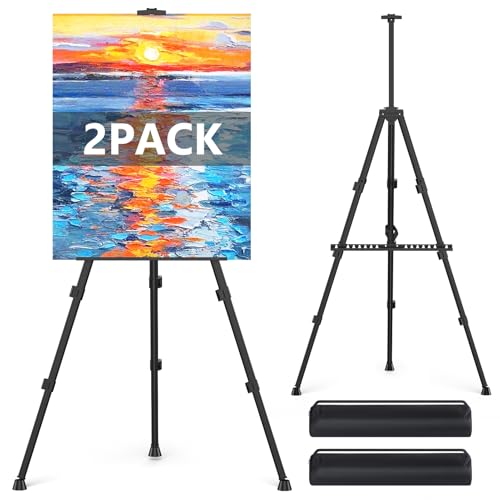
For indoor shows or calm days, a simple artist’s display easel works perfectly. Look for one that is sturdy and has an adjustable ledge to hold your board securely.
DIY Stand: The Sturdy, Low-Cost Way
For outdoor shows, wind is your biggest enemy. A DIY stand made from PVC pipe is a cheap, easy, and incredibly stable solution.
Tools & Materials:
* Two 10-foot lengths of 1.5″ PVC pipe
* PVC cutter or tipssaw
* Four 90-degree elbows
* Four T-fittings
* Two end caps
* PVC cement
* Sand or water for weight
Step-by-Step Instructions:
1. Cut the Pipes: Cut your PVC into the following lengths: four 2-foot pieces for the base legs, four 1-foot pieces for the base crosspieces, and two 4-foot pieces for the uprights.
2. Assemble the Base: Use the T-fittings and elbows to create two H-shaped base sections with the 2-foot legs and 1-foot crosspieces.
3. Attach Uprights: Glue the 4-foot upright pipes into the center of the T-fittings, pointing upwards.
4. Add Top Rail: Connect the two uprights at the top with another crosspiece and two elbows to create a rigid frame.
5. Weight the Base: This is the most important step. Before gluing the end caps on, fill the two H-shaped base assemblies completely with sand. This provides a weighted base solution that is incredibly stable.
6. Mount the Board: You can rest the board on hooks attached to the uprights or drill small holes in the board and hang it from the top rail with zip ties.
Expert Tip for Wind Protection: If you use an easel, don’t rely on its weight alone. The number one trick we’ve learned is to place a sandbag, a small 10 lb barbell weight, or even a gallon water jug across the base legs. This simple step will prevent 99% of wind-related tip-overs.
FAQs About how to make a car show display board
How much does a car show board cost?
A DIY car show board can cost as little as $25 for a simple printed poster on foam core, while professionally designed and printed boards on durable PVC or aluminum can range from $150 to $500 or more. The final cost depends on the material, size, design complexity, and whether you include a custom stand.
What size is a standard car show board?
The most common and standard size for a car show display board is 18×24 inches. However, larger sizes like 24×36 inches are also popular for more detailed displays or larger vehicles. Always check the specific rules of the car show, as some may have size restrictions for displays.
How do you make a weatherproof car show sign?
To make a weatherproof sign, use a waterproof substrate like PVC expansion board or Dibond (aluminum composite) and have it printed with UV-cured inks. You can also add a UV-resistant matte laminate over the print for extra protection against both rain and sun fading, addressing the problem of fading in sunlight.
How do you solve the problem of wind blowing over your sign?
The best solution for wind is to use a heavy, stable base for your stand. For DIY stands, fill the PVC base with sand. For easel-style stands, place sandbags, small barbell weights, or a filled water jug on the base legs. A-frame designs are inherently more stable than single-post stands.
Where is the best place to print a car show board?
For professional results, use a local sign shop or an online printing service that specializes in large-format printing. Services like FedEx Office (formerly Kinkos) or Staples can also print on foam or poster board, which is a good option for budget-friendly or last-minute needs.
Should I include a photo of my car on the board?
Yes, it is highly recommended to include 2-3 high-quality photos of your car on the board. This is especially useful if your board is displayed in front of the car, blocking the view. Include dynamic shots, interior details, or engine bay photos that showcase features not easily seen.
How do I highlight modifications on a show board?
Create a dedicated “Modifications” or “Build Sheet” section with a bulleted list. Group the modifications by category (e.g., Engine, Suspension, Interior, Audio). Use bold text to highlight brand names or key performance parts to make the information scannable for judges and enthusiasts.
Can I use a tablet as a digital car show display?
Yes, a tablet can be a modern alternative, especially for showing video or a slideshow of the restoration process. However, ensure it is securely mounted, has a full battery or power source, and is bright enough to be seen in daylight. Some traditional judges may still prefer a physical board.
What is the best way to transport a car show display board?
To prevent scuffing and damage, transport your board in a dedicated art portfolio case or a custom-sewn fabric sleeve. For larger, heavier signs made of PVC or metal, a padded carrying case is ideal. Never transport it loose in your trunk where items can slide and scratch it.
How do you write a compelling story for your car’s restoration?
Focus on the human element and the journey, not just the technical details. Start with how you found the car, mention a major challenge you overcame during the restoration + history, and end with what the car means to you. Keep it brief (100-150 words) and write in an engaging, personal tone.
Key Takeaways: How to Make a Car Show Display Board Summary
- Plan Content First: Before you design anything, create a checklist of your car’s essential information: Year/Make/Model, specifications like engine + transmission, unique modifications, and a brief, compelling history.
- Design for Readability: Use a clear typography hierarchy with a large title, readable body text (like Helvetica or Arial), and high-resolution photos. Leave plenty of “negative space” so your board doesn’t look cluttered.
- Choose Materials Wisely: For a durable, weatherproof sign, PVC expansion board offers the best balance of cost and longevity. Foam core is a good budget option for indoor-only use.
- Solve Problems Proactively: The two biggest issues are wind and glare. Solve wind with a weighted base solution and solve glare by requesting a matte finish on your print, not glossy.
- DIY vs. Pro Printing: Use Canva for easy design and a local sign shop for professional printing on durable materials. Services like FedEx + Kinkos are best for quick, budget-friendly poster prints on foam board.
- The Stand is Critical: A sturdy stand is as important as the board itself. A DIY A-frame made from sand-filled PVC is a cost-effective and stable option for outdoor shows.
- Tell a Story: Spectators and judges connect with stories. A short paragraph about how you found the car or a major restoration challenge makes your display far more memorable than a dry list of specs.
Final Thoughts on Your Winning Car Show Display
Creating a professional car show display board is an achievable and rewarding project that elevates your entire presentation. It’s more than just a sign; it’s the final piece of your car’s story, a testament to your hard work and passion. By moving beyond the basics and focusing on clear content, readable design, and durable construction, you’re not just making a sign—you’re crafting a key piece of show equipment.
You now have the expert-level framework to build a display that avoids common pitfalls like cluttered text, flimsy materials, and wind-related disasters. Armed with this knowledge, you can confidently create a show quality board that engages the crowd, informs the judges, and ultimately, helps you bring home the trophy you deserve.
Last update on 2026-03-14 / Affiliate links / Images from Amazon Product Advertising API


![Being Sued for a Car Accident Your Complete Action Guide [year]](https://i0.wp.com/carxplorer.com/wp-content/uploads/2026/03/Being-Sued-for-a-Car-Accident-Your-Complete-Action-Guide-year-2.jpg?resize=60%2C60&ssl=1 "Being Sued for a Car Accident Your Complete Action Guide [year] 12")