
Ever found yourself staring at a chewed wire under your hood? It’s a frustrating discovery that can lead to costly repairs.
This problem is more common than you think. Squirrels are drawn to cars for shelter and food, and their chewing habits can cause serious automotive damage. The main culprit is often the soy-based insulation on modern car wires, which squirrels find tasty.
To keep squirrels away from your car, use a multi-layered strategy that combines scent repellents, physical barriers, and environmental controls. This approach addresses the root cause of the attraction while actively protecting vulnerable components, offering the most effective long-term vehicle squirrel repellent solution. This guide will show you exactly how to do it.
Key Facts
- The Root Cause is Modern Materials: The switch to eco-friendly, soy-based wire insulation in many vehicles is a primary reason for increased squirrel damage, as rodents find it to be an attractive food source.
- Damage is Expensive: According to automotive industry data, rodent damage is a common insurance claim, with repair costs frequently ranging from $500 to over $2,000 for a damaged wiring harness.
- Gnawing is a Biological Need: Wildlife biology research shows that a squirrel’s incisors grow continuously, up to 6 inches per year, making constant chewing on materials like car wires a biological necessity for them.
- Winter Increases Risk: Insurance claim data reveals a significant spike in rodent damage claims during the fall and winter months, as squirrels and other pests seek the warmth and shelter of a car engine bay.
- Prevention is Cheaper Than Repair: The cost of proactive deterrents, such as rodent tape or repellent sprays, is minimal compared to the potential cost of repairing complex electrical systems damaged by squirrels.
Why Is It Critical To Keep Squirrels Away From Your Car in 2026?
That sinking feeling when you turn the key and nothing happens is often followed by a shocking repair bill. More and more, the culprit behind this electrical chaos is a squirrel. These persistent rodents aren’t just a nuisance; they’re a direct threat to your vehicle’s reliability and your wallet. Understanding why your car has become a prime target is the first step in effective car squirrel protection.

The core of the issue lies in modern automotive manufacturing. To be more environmentally friendly, many carmakers switched to using soy-based insulation for automotive wires. While this is great for the planet, it’s also a dinner bell for squirrels and other rodents. They are attracted to this material as a food source. Combine this with the warm, safe, and sheltered environment of a car engine bay, and you’ve created the perfect squirrel hideout. They see it as an ideal place for nesting, especially during colder months, which can lead to thousands of dollars in chewed wires, damaged hoses, and electrical failures.
How Do The Top Squirrel Deterrent Methods Compare?
Choosing the right method can feel overwhelming. To simplify your decision, here is a quick comparison of the most effective and popular car squirrel deterrents. This “Solution Scorecard” evaluates each option based on cost, effort, and overall effectiveness, helping you find the best starting point for your situation.
| Method | Type | Est. Cost | Effort Level | Effectiveness | Key Consideration |
|---|---|---|---|---|---|
| Peppermint Oil | Scent | Low | Low | Moderate | Must be reapplied every 2-3 days & after rain. |
| Rodent-Deterrent Tape | Taste / Physical | Medium | Medium | High | Highly effective for wires; requires precise application. |
| Commercial Sprays | Scent / Taste | Medium | Low | Moderate-High | Choose engine-safe formulas; reapplication needed. |
| Ultrasonic Repellers | Electronic | Medium-High | Low | Low-Moderate | Effectiveness is highly debated; pests may adapt. |
| Environmental Control | Prevention | Low | High | Very High | Most effective long-term solution; addresses root cause. |
| Regular Inspections | Prevention | Free | Low | High | Catches problems early before damage becomes severe. |
What Scent-Based Repellents Make Your Car Uninviting to Squirrels?
The most accessible first line of defense against squirrels is often through their powerful sense of smell. Olfactory repellents, or scent-based deterrents, work by creating an environment that squirrels find irritating or threatening. These methods are typically easy to apply and often use natural or household ingredients. The key to success with any scent-based method is consistency; they must be reapplied frequently to remain potent.
1. How Can You Use Peppermint Oil as a Natural Deterrent?
To use peppermint oil, soak several cotton balls in 100% pure oil, place them in small containers like bottle caps, and position them in various spots under the hood. Peppermint contains a strong menthol compound that irritates a squirrel’s sensitive nasal passages, making the area unpleasant.
Here is a simple 4-step process for this natural squirrel repellent for cars:
- Soak: Douse several cotton balls thoroughly with 100% pure peppermint essential oil.
- Place: Put the soaked cotton balls into small containers like bottle caps or a small tin. This prevents the oil from directly touching and potentially staining plastic engine components.
- Position Safely: Place the containers in strategic, static locations under the hood—such as on the battery top or along the firewall—far away from moving belts and hot exhaust manifolds.
- Replace Frequently: The oil evaporates quickly. For best results, replace the cotton balls every two to three days, and always after a heavy rain.
2. Is Apple Cider Vinegar an Effective Squirrel Repellent Spray?
Yes, apple cider vinegar can be an effective homemade squirrel repellent spray due to its strong, acidic smell. Squirrels dislike the potent odor of acetic acid, the main component of vinegar. While it’s a good temporary solution, it requires frequent reapplication.
To use it, mix equal parts apple cider vinegar and water in a spray bottle. Lightly mist areas in the engine bay where you’ve seen activity.
Safety Tip: Be careful to avoid spraying the liquid directly onto electrical connectors, the alternator, or your car’s exterior paint, as the acidity could cause damage over time. Focus on chassis components, the firewall, and around tires.
3. What Are the Best Commercial Repellent Sprays?
Commercial repellent sprays offer a convenient and often more durable alternative to DIY solutions. These products are specifically formulated to be engine-safe and often use a blend of ingredients that work as both scent and taste-based deterrents.
When choosing a commercial squirrel repellent, look for products that feature:
- Natural Ingredients: Many of the best squirrel repellent spray options use a potent mix of essential oils like peppermint, rosemary, and clove oil.
- Bittering Agents: Some formulas include intensely bitter compounds that make treated surfaces unpalatable.
- Adhesion Agents: Professional sprays contain sticking agents that help the formula last longer and resist washing off in the rain better than homemade versions.
- “Engine-Safe” Label: Always ensure the product is explicitly labeled as safe for use on engine components, rubber, and plastics.
4. Does Predator Scent Like Fox or Coyote Urine Work?
Predator scent, such as fox or coyote urine, can be a highly effective humane squirrel repellent. This method works by tapping into a squirrel’s primal survival instincts. The scent signals that a dangerous predator is nearby, triggering a powerful fear response and encouraging the squirrel to avoid the area entirely.
- Pros: It’s extremely effective because it uses a squirrel’s own biology against it.
- Cons: The primary downside is the strong, unpleasant odor, which can be noticeable to humans as well. It is also more expensive and needs to be reapplied, especially after rain.
This method is best reserved for severe or persistent squirrel infestations where other methods have failed.
How Can You Create Physical and Taste-Based Barriers for Wires?
While scents create an unpleasant environment, physical and taste-based barriers provide direct, targeted protection for the most vulnerable parts of your vehicle: the wires. These methods are designed to make chewing impossible or intensely unpleasant, offering a more durable and long-lasting solution to stop squirrels from chewing car wires. This is a crucial step for comprehensive car rodent repellent strategies.
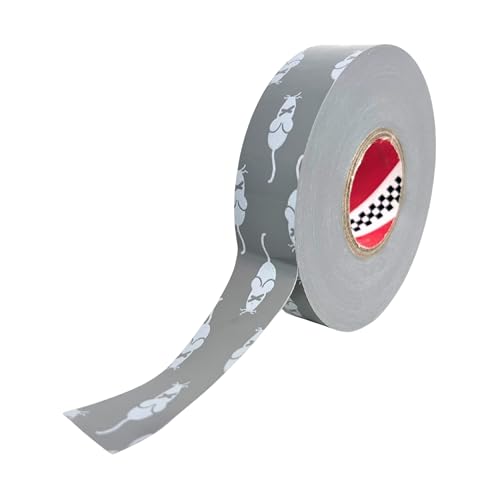
5. How Do You Apply Rodent-Deterrent Tape Correctly?
Rodent-deterrent tape is one of the most effective products available to squirrel proof car wires. The most well-known is Honda’s Rodent-Deterrent Tape, which is infused with capsaicin—the chemical that makes hot peppers spicy. It doesn’t harm the squirrels, but it creates an intensely unpleasant sensation when they try to bite it.
Follow these four steps for proper installation:
- Identify Critical Wires: Locate the main wiring harnesses and any other wires that appear accessible or show signs of previous chewing.
- Clean the Wires: For the tape to adhere properly, the wires must be clean. An experience-based tip is to wipe them down with a cloth and a little rubbing alcohol first to remove any grease or grime.
- Wrap Tightly: Wearing gloves (the pepper can irritate your skin and eyes), wrap the tape around the wires just like you would with standard electrical tape, with a slight overlap on each rotation.
- Confirm Coverage: Ensure all vulnerable areas are fully covered. This is a “set it and forget it” solution for the treated wires.
6. How Can You Use Hot Pepper as a Powerful Taste Deterrent?
You can create a potent DIY spicy squirrel repellent using the same principle as rodent tape: capsaicin. This is a cheap but powerful taste deterrent that can be applied to various surfaces under the hood.
To make a homemade spicy repellent spray:
- Mix two tablespoons of cayenne pepper powder or a few drops of hot pepper sauce into a spray bottle filled with water.
- Add a few drops of mild dish soap, which acts as a sticking agent to help the mixture adhere to surfaces.
- Spray this mixture onto cool engine components, hoses, and firewall insulation.
Safety Warning: Always wear gloves and eye protection when working with hot pepper. The capsaicin is a powerful irritant and can be very painful if it gets in your eyes or on your skin.
7. Does Wrapping Wires in a Protective Loom or Foil Help?
Yes, adding another physical layer around your wires can be a helpful deterrent.
- Plastic Wire Loom: This split-tubing is inexpensive and easy to install. It provides an extra, tougher layer that squirrels have to chew through to get to the wires. While a determined squirrel can still get through it, it often encourages them to find an easier target.
- Aluminum Foil: Some people have success wrapping wires or hoses in aluminum foil. The theory is that squirrels dislike the texture and crinkling sound. It’s less durable than a loom but can work as a temporary or supplemental barrier.
An expert-level nuance is that while a standard plastic loom offers some protection, squirrels can still chew through it. It’s best used in combination with a taste deterrent like a hot pepper spray for maximum effect.
What Are The Best Long-Term Environmental Strategies?
The most effective way to keep squirrels away from your car permanently is to stop thinking reactively and start thinking proactively. All the sprays and tapes in the world are just a temporary fix if your parking spot is a squirrel paradise. By managing the environment around your car, you remove the core reasons they are attracted to it in the first place. This approach, based on professional Integrated Pest Management (IPM), offers the best long-term solution.
8. Why is Strategic Parking Your First Line of Defense?
Where you park your car has a massive impact on its vulnerability. Squirrels use predictable paths and are drawn to certain areas. Think of it as avoiding “squirrel highways” and “squirrel buffets.”
- The Safest Spot: A closed garage is always the best option.
- The Next Best Spot: An open driveway, far away from trees, fences, and buildings.
- The Riskiest Spots: Avoid parking directly under oak or nut trees, which are major food sources. Also, avoid parking next to fences, walls, or low-hanging tree branches, which squirrels use as easy access routes to climb onto your vehicle.
9. How Does Removing Food Sources Change Squirrel Behavior?
A nearby, reliable food source is the number one reason you have a squirrel problem. If your yard provides an all-you-can-eat buffet, squirrels will set up a permanent residence and view your warm car engine as the perfect after-dinner lounge.
Take these crucial steps:
- Manage Bird Feeders: If you have bird feeders, move them at least 30 feet away from where you park. Better yet, switch to a squirrel-proof bird feeder design.
- Secure Trash Cans: Ensure all trash, recycling, and compost bins are tightly sealed with no easy access.
- Clean Up Fallen Nuts/Fruits: If you have fruit or nut trees, be diligent about cleaning up what falls to the ground.
Wildlife management principles are clear: removing the primary food source drastically reduces the “pest pressure” on surrounding areas, including your car.
10. Why is a Clean Engine Bay and Regular Inspection Crucial?
Check under your car’s hood weekly for signs of squirrels, such as droppings, chewed materials, or nesting debris like twigs and leaves. Early detection is the best way to prevent costly wire damage. A quick, two-minute visual inspection can save you thousands in repairs.
A clean engine bay is less attractive. Squirrels may leave behind food scraps or nuts that attract other rodents. Periodically cleaning your engine removes these attractants and their scent trails. A simple inspection checklist involves looking for:
- Nesting Materials: Twigs, leaves, insulation, or paper gathered in corners.
- Food Debris: Acorns, nuts, or other food scraps left behind.
- Damage or Droppings: Look for any signs of chewing on wires or plastic, and small, dark rodent droppings.
WARNING: What Common & Dangerous Mistakes Must You Avoid?
In the rush to find a solution, it’s easy to try “folk remedies” that are not only ineffective but also dangerous. Protecting your car from squirrels should never come at the cost of creating a safety hazard for your vehicle, your family, or local wildlife. This section is a massive trust signal, as it prioritizes your safety above all else.
Mistake #1: Why Should You Never Use Rodent Poison?
Using rodent poison in or around your vehicle is a terrible idea for two critical reasons. First, the squirrel can ingest the poison and crawl into a deep, inaccessible part of your car to die, leading to a horrific, lingering odor that is extremely difficult to remove. Second, the poison bait can be moved by the squirrel, posing a deadly risk to pets, children, or other non-target wildlife that might find and eat it. Always focus on humane squirrel deterrents like repellents and exclusion.
Mistake #2: Why Are Flammable Materials a Fire Hazard?
Some online forums suggest using dryer sheets or untreated cotton balls as scent deterrents. Never place flammable materials in a hot engine bay. Your engine and exhaust system reach extremely high temperatures that can easily ignite these items, potentially causing a devastating vehicle fire. The minimal repellent benefit is not worth the catastrophic fire hazard risk. This is safety advice that would be echoed by any professional auto mechanic.
Mistake #3: How Can You Avoid Damaging Engine Components?
When applying liquid repellents, where you spray is just as important as what you spray. Carelessly spraying liquids under the hood can cause new, expensive problems.
- Avoid Belts: Never spray oily or slippery substances on the serpentine belt. This can cause it to slip, squeal, or degrade, leading to mechanical failure.
- Avoid Electronics: Do not spray liquids directly onto sensitive electrical connectors, the alternator, or fuse boxes.
- Apply Safely: Apply sprays to static, cool metal or plastic surfaces, or onto cotton balls that you place in safe locations.
FAQs About how to keep squirrels away from car
Will my car insurance cover damage from squirrels?
Typically, yes, if you have comprehensive coverage. This type of damage is usually classified under “animal,” “vermin,” or “vandalism” by insurance providers. It is not covered by basic liability or collision policies. Always check your specific policy details, as coverage can vary.
Do ultrasonic squirrel repellers actually work for cars?
The effectiveness of ultrasonic repellers is highly disputed. While some users report success, many scientific studies and consumer reports show they have little long-term effect, as rodents often become accustomed to the sound. They are best used as a supplemental deterrent, not a primary solution.
Why are squirrels suddenly chewing my car’s wires?
The main reason is the switch to soy-based insulation in modern car wiring. This eco-friendly material is unfortunately also biodegradable and edible to rodents. Squirrels are attracted to it as a food source, and they also gnaw constantly to keep their incisors sharp.
Can squirrels chew through brake lines or fuel lines?
Yes, squirrels can and do chew through softer rubber and plastic lines, including fuel lines and, less commonly, brake lines. This poses a serious safety risk and is a primary reason why regular under-hood inspections and proactive deterrents are so critical for your safety.
Does leaving the hood of the car open help deter squirrels?
Leaving the hood open can be a temporary deterrent because it removes the dark, warm, protected shelter that squirrels seek for nesting. However, this is not a practical or safe long-term solution as it exposes your engine bay to rain, leaves, and other debris.
Is it safe to put mothballs under the hood of my car?
No, it is strongly advised not to use mothballs in your engine bay. Mothballs contain toxic pesticides that can be harmful to pets and humans if fumes enter the car’s cabin. They are also flammable and are not a reliable or safe long-term deterrent for your vehicle.
Key Takeaways: Your 2026 Squirrel Protection Summary
- Prevention is the Best Strategy: The most effective long-term solution is to manage your car’s environment. Park away from food sources like bird feeders, trim overhanging branches, and keep the area clean.
- Soy-Based Wires Are the Root Cause: Understand that this is a modern problem because squirrels are attracted to the edible, soy-based insulation on your car’s wires.
- Use a Multi-Layered Defense: Don’t rely on a single method. The best approach combines environmental controls with a physical barrier (like rodent tape on key wires) and a scent-based repellent (like peppermint oil spray).
- Rodent Tape Offers Targeted Protection: For critical wiring, capsaicin-infused rodent-deterrent tape is one of the most effective and long-lasting solutions available to make wires unchewable.
- Safety is Paramount: Never use poison in your engine bay. Avoid flammable materials like dryer sheets and be careful not to spray repellents on moving belts or sensitive electronics.
- Inspect Regularly: A simple two-minute check under the hood once a week is the best way to catch nesting activity early before squirrels can cause thousands of dollars in damage.
Final Thoughts on Securing Your Vehicle From Squirrels
Protecting your car from squirrels doesn’t have to be a losing battle. The key to success is moving from a reactive mindset to a proactive, integrated strategy. By making the area around your car less inviting and applying a smart combination of scent and physical deterrents, you create a powerful defense system.
Start today with the simplest, most effective actions: perform a quick weekly inspection under the hood and assess your parking environment. These consistent habits are the foundation for keeping your vehicle safe, reliable, and free from the costly damage these persistent critters can cause. You have the tools and knowledge to regain control and protect your investment.
Last update on 2026-02-28 / Affiliate links / Images from Amazon Product Advertising API





![How to Install Chicco Car Seat LATCH or Seat Belt Safely [year]](https://i0.wp.com/carxplorer.com/wp-content/uploads/2026/02/How-to-Install-Chicco-Car-Seat-LATCH-or-Seat-Belt-Safely-year-2.jpg?resize=60%2C60&ssl=1 "How to Install Chicco Car Seat LATCH or Seat Belt Safely [year] 10")
![How to Install Safety 1st Car Seat Step by Step Guide [year]](https://i0.wp.com/carxplorer.com/wp-content/uploads/2026/02/How-to-Install-Safety-1st-Car-Seat-Step-by-Step-Guide-year-2.jpg?resize=60%2C60&ssl=1 "How to Install Safety 1st Car Seat Step by Step Guide [year] 12")