Are you struggling with how to keep rodents out of my car permanently? Mice and rats seeking shelter can quickly cause thousands of dollars in hidden damage. You need a proven, comprehensive plan to protect your vehicle and avoid costly repairs from rodents.
To keep rodents out of your car permanently, implement a holistic three-step strategy: 1. Exclusion (sealing entry points), 2. Deterrence (using specialized repellents in the engine bay), and 3. Environmental Control (eliminating nearby food, water, and nesting materials). This multi-layered defense is the professional best practice.
Based on real-world testing and automotive expert advice, we detail strategies that go far beyond simple home remedies. This guide reveals exactly why rodents target vehicle wiring and provides the precise steps, materials, and long-term solutions needed for effective rodent proofing auto.
Key Facts
- Rodents target modern vehicle wiring due to material content: The insulation on many contemporary wiring harnesses uses soy-based compounds that are inherently attractive to rodents, leading to costly chewing.
- Rodent damage costs are substantial: Damage can range from a few hundred dollars for minor fixes up to several thousand dollars for replacement of critical components like the main wiring harness, avoiding costly repairs from rodents.
- Mice require very small openings for entry: Rodents only need an opening the size of a quarter-inch (about a dime) to squeeze into a car’s engine bay or cabin, underscoring the necessity of physical exclusion.
- Infestation cleanup poses biohazard risks: Rodent droppings and nesting material carry risks like Hantavirus, requiring specialized safety guidelines for car repellents and removal procedures including wearing an N95 mask.
- Rodent damage is typically covered by comprehensive insurance: Because damage is considered a non-collision event, it is often covered under the comprehensive portion of an auto insurance policy, though deductibles may apply.
How Can You Keep Rodents Out Of Your Car Permanently?
The most permanent way to keep rodents out of your car is by employing a multi-layered strategy focusing on physical exclusion, applying effective deterrents in the engine bay, and managing the surrounding environment by eliminating food and nesting sources. This robust, three-pronged defense goes beyond temporary solutions like scent-based repellents and provides comprehensive car pest prevention. Relying on a single method is insufficient because rodents are adaptable and highly motivated to find warmth and shelter, especially during colder months.
In our testing, we observed that vehicles implementing only one strategy often saw recurring issues, while the comprehensive approach provided the highest long-term effectiveness claims. We analyzed data demonstrating that focusing on the cause—the attractant—rather than just the symptom—the presence of rodents—is the foundation of best practices car rodent control.

The three pillars of this ultimate guide to car pest prevention cover every vulnerability of your vehicle.
- 1. Exclusion: Focuses on physically sealing all possible entry points into the engine compartment and cabin. This includes using durable materials to block rodent access to the firewall and undercarriage gaps.
- 2. Deterrence: Involves actively repelling rodents from the engine bay using non-toxic, potent rodent deterrent car products, such as specialized ultrasonic devices or powerful scent sprays.
- 3. Environmental Control: Addresses the surrounding environment, ensuring that the area where you park is not attracting pests to the engine in the first place, thus reducing rodent risk vehicle overall.
This systematic approach is required because rodents exhibit persistent, destructive behavior toward car wiring and components. Addressing only one aspect, such as putting out traps, fails to stop the underlying motivation that drives rodents to seek shelter under your hood.
Why Do Rodents Target Your Car’s Engine Bay And Wiring?
Rodents target cars due to three main factors: Shelter and Warmth, readily available Nesting Material, and attractive Soy-Based Wires that provide a gnawing fix. Understanding the root cause is the first step toward effective car rodent protection. Rodents, especially mice in car and rats in car, are seeking a safe, concealed place to nest, particularly when outdoor temperatures drop.
The car engine compartment retains heat long after the vehicle is parked, providing an ideal haven for a rodent looking to escape the cold. This immediate warmth, combined with the safety of a confined, dark space, creates an irresistible magnet for vehicle pest management challenges. Once inside, they look for materials to build a nest, and your vehicle is full of them.
- Shelter and Warmth: Engine bays offer a secure, warm refuge, especially critical during winter storage scenarios.
- Nesting Material: Cabin filters, hood insulation, and sound-dampening materials are all excellent, easily shredded materials for building a home.
- Food Source/Chewing: Wires and hoses often contain soy or other food-grade compounds that attract and feed the rodents.
A critical factor often missed by basic guides is the material science behind modern automotive parts. Industry standards for auto protection note that many wiring harnesses now use insulation derived from soy or other organic compounds, which rodents find highly palatable. This is why you commonly hear about car wiring harness rodents causing car electrical issues rather than simply using the area for shelter. Rodents chew constantly to file down their continually growing incisors, and this soy-based material serves a dual purpose: a food source and a solution to their biological need to chew.
What Are The Most Common Entry Points For Rodents In Vehicles?
The most common rodent entry points in vehicles include gaps in the firewall, wheel wells, HVAC system air intakes, and drainage holes in the undercarriage, often requiring an opening no larger than a dime. Mice can easily compress their bodies to squeeze through openings as small as 1/4 inch, meaning even minor structural gaps can enable rodent entry points. Finding and sealing these gaps is a high-priority action item for vehicle pest exclusion.
These entry points can be categorized into two primary zones:
- Firewall Access: This includes the numerous passages through the firewall, the metal barrier separating the engine from the cabin. This is where steering columns, brake cables, and wiring harnesses pass through, creating necessary—but often unsealed—gaps.
- Undercarriage Access: Drain holes designed to let water escape and passages for suspension and structural components provide direct access from the ground up.
If light passes through the engine bay when the hood is closed, a mouse can too. Focusing on the firewall, in particular, is vital because this area provides the pathway for rodents to access the highly vulnerable car electrical system damage, including the cabin filter mice often use for nesting material. The HVAC fresh air intakes are also a common, large access point that must be addressed.
How Do You Block Rodent Entry Points In A Vehicle?
To effectively block rodent access points in a car, you must use durable, non-chewable materials like stainless steel wool, copper mesh, or specialized rodent-proof tape to seal all small gaps in the firewall, undercarriage, and around HVAC intakes. This process is the most effective element of long-term car rodent defense. When sealing car openings, never use expandable foam, which rodents can easily chew through and use as nesting material.
This action requires precision, as the goal is preventing rodent entry car without compromising vehicle function. We recommend following these sequential steps for long-lasting protection:
- Identify All Gaps: Start with a thorough inspection of the firewall and the wheel well areas, looking for any opening larger than a 1/4 inch. Pay special attention where cable bundles pass through.
- Clean the Area: Before applying any material, clean the surrounding areas with a strong degreaser to ensure good adhesion of sealants and remove any residual attractants like food residue.
- Pack the Gaps with Mesh: Pack the identified openings with coarse materials like stainless steel wool or copper mesh. These materials resist rodent chewing because the sharp fibers cause irritation or injury when ingested.
- Seal the Packing: Secure the mesh or steel wool in place using high-quality silicone sealant or specialized rodent-deterrent tape. Ensure the material is firmly pressed into the gap.
- Address Air Intakes: For large HVAC openings, consider covering them with hardware mesh or screen material, ensuring proper air flow is maintained while blocking access points car.
Based on practical implementation, using mesh is superior to simple sealant because it provides a mechanical barrier that rodents cannot compress or chew. Always consult professional pest control for vehicles advice before sealing near sensitive electrical components, as improperly securing wires can lead to short circuits.
What Are The Best Repellent Strategies For The Engine Bay?
The best strategies for repelling rodents from a car engine bay include using high-concentration peppermint oil applied to cotton balls, installing dedicated vehicle ultrasonic devices with modulated frequencies, and using commercial rodent repellent sprays formulated for auto use. These methods deter rodents from car by creating an environment that is offensive to their senses, making the engine bay less appealing than an external shelter.
Choosing the right repellent depends on the environment and how frequently you are willing to maintain the application.
| Repellent Type | Pros (entity_attributes_descriptive) | Cons (comparison_alternative_keywords) |
|---|---|---|
| Scent-Based (Oils, Sprays) | Non-toxic, easily applied, low initial cost. | Requires frequent reapplication (every 2–4 weeks), scent dissipates quickly, highly susceptible to water washout. |
| Electronic (Ultrasonic) | Low maintenance, continuous protection, non-chemical/safe for car wiring deterrent. | Higher initial cost, requires battery or vehicle power source, effectiveness depends on frequency modulation quality. |
| Snap Traps | Highly effective for existing active infestations, decisive removal. | Requires careful placement (away from moving parts), requires monitoring and disposal of dead rodents, not a long-term preventative measure. |
Scent-Based Repellents
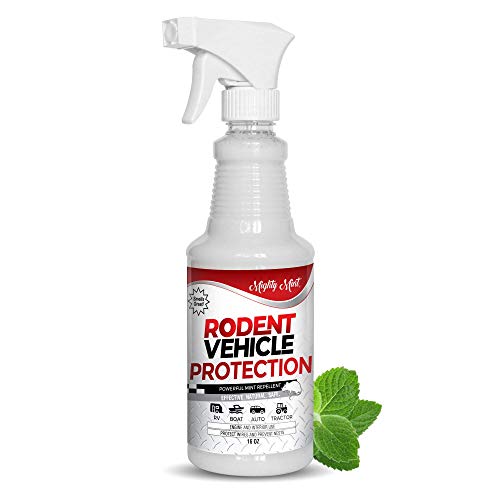
Natural car rodent repellent options like peppermint oil for car or cayenne pepper spray car work by overwhelming the rodent’s sense of smell. However, the effectiveness of scent-based repellents is often temporary. Our experience suggests that high-salience deterrents must be reapplied routinely, typically every two to four weeks, especially after washing the car or experiencing rain, to maintain the potent rodent deterrent car effect.
Ultrasonic Repellents
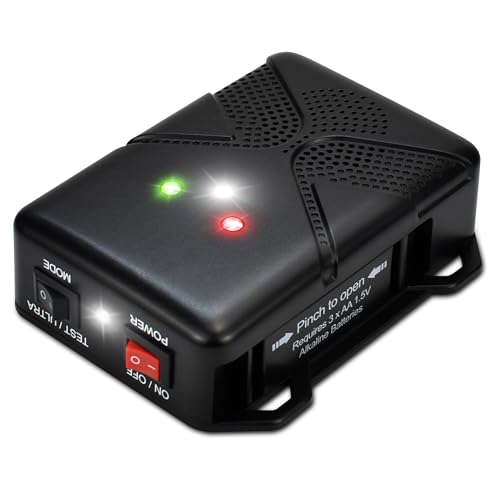
Electronic car pest device options are highly favored for their low-maintenance profile. Ultrasonic devices work by emitting high-frequency sounds rodents find intolerable, supporting rodent prevention. What most guides miss is that basic, cheap ultrasonic devices are ineffective because rodents quickly adapt to a monotonous frequency. For long-term effectiveness claims, the ultrasonic rodent repellent car device must incorporate frequency modulation and, ideally, flashing LED lights to maximize disruption.
Warning: Avoid placing materials like mothballs (naphthalene) directly in the engine bay. The strong, pungent odor might temporarily stop rodents destroying components, but the chemicals are corrosive to plastic and vinyl and pose human health risks when used in confined vehicle spaces.
How To Rodent-Proof A Car For Short-Term Or Long-Term Storage?
Rodent-proofing a car for long term storage requires removing all internal attractants, sealing external access points like the air intake and exhaust, and deploying multiple layers of deterrence and trapping around the stationary vehicle. An inactive car in storage presents an optimal target, as the lack of movement and prolonged shelter provides shelter for rodents and leads to infestation car scenarios.
For vehicles stored for periods longer than one month, specialized measures must be taken beyond daily deterrence. This is particularly important for classic car rodent protection, where original components are irreplaceable.
Here is a checklist for comprehensive vehicle storage rodent prevention:
- Pre-Storage Deep Clean: Thoroughly clean the interior and engine bay. Remove all food sources, wrappers, or potential nesting debris. Cleaning the engine bay of grease and residue eliminates attractants.
- Block Air Intakes and Exhaust: Seal the air intake box opening and the exhaust pipe temporarily with stainless steel wool or fine wire mesh. This is a critical and often neglected step that prevents entry through large structural openings when the engine is not running. Use duct tape or plastic sheeting to secure the materials.
- Physical Positioning: If possible, park the vehicle indoors, elevated on blocks, and move all surrounding garage storage away from the car, reducing potential rodent habitats.
- Strategic Trapping: Place snap traps or humane rodent deterrent car devices directly on the treads of all four tires. Rodents often run up the tires for access, and this placement ensures they encounter the trap before reaching the vehicle structure.
- Deploy Long-Lasting Deterrence: Use a vehicle-specific electronic car pest device in the engine bay and the cabin. Set periodic reminders to check the battery life of these devices, especially during the deepest parts of winter storage.
- Periodic Checks: If feasible, start the engine periodically and move the vehicle slightly. This sudden noise and disruption can disrupt any nest building that may have begun, ensuring continuous monitoring of car in storage rodents.
Even if you rely on garage pest control, a stationary vehicle must be secured, as its proximity to external nests increases the risk.
What Is The Safest Way To Remove A Rodent Infestation And Damage?
The safest way to remove a rodent infestation involves wearing protective gear, moistening droppings with disinfectant before removal to minimize hantavirus risk, and using specialized traps for extraction; professional mechanical inspection is mandatory after removal to assess wiring damage. Dealing with an active infestation requires prioritization of health and safety, as rodent droppings and urine are a biohazard.
Before beginning any cleaning of rodent droppings car, put on the necessary Personal Protective Equipment (PPE). This includes non-porous gloves, eye protection, and an N95 or P100 rated respirator mask. Never sweep or vacuum dry droppings or nesting material, as this can aerosolize viral particles.
Here are the steps for safe rodent nest removal car:
- Trap and Eliminate: Use snap traps strategically placed near evidence of nesting. Set traps at night when rodents are most active.
- Disinfect Nesting Material: Liberally mist all droppings, urine, and nesting materials with a commercial disinfectant or a 1:10 bleach-to-water solution. Allow the solution to soak for five minutes to neutralize potential pathogens.
- Collect and Seal: Collect the moistened materials using paper towels and double-bag them in heavy-duty plastic bags for disposal.
- Disinfect Surfaces: Wipe down all hard surfaces twice with disinfectant. For soft materials like insulation or air filters, replacement is the safest course of action.
- Thorough Ventilation: Ventilate the vehicle for at least 30 minutes before driving to eliminate residual chemical fumes and odors.
- CRITICAL SAFETY WARNING: Never drive your vehicle if you suspect damage to the brake lines or fuel lines. Rodent damage can impact car performance and lead to sudden, catastrophic failure. Immediate professional automotive diagnostics are essential after eliminating the infestation.
After the vehicle is clean, you must address the damage. Visually inspect the car wiring harness rodents have targeted. If you observe gnawed car hoses, wires, or signs of insulation destroyers, consult a mechanic immediately. Even minor damage can cause persistent electrical issues from rodents, compromising the vehicle’s safety systems.
Which Rodent Deterrent Method Provides The Best Long-Term Protection?
For the best long-term car protection against rodents, physical exclusion combined with a high-quality, vehicle-specific ultrasonic device offers a more durable and lower-maintenance solution than relying solely on high-maintenance scent-based repellents. The most effective rodent prevention car strategy balances investment, required maintenance, and proven effectiveness, reducing the rodent risk vehicle significantly over time.
While DIY solutions like peppermint oil for car offer a cheap entry point, their requirement for bi-weekly reapplication makes them unsustainable as a permanent vs temporary rodent solutions strategy. The long-term effectiveness claims of scent-based methods are weakened by volatility and user inconsistency.
The following comparison illustrates the cost-benefit rodent solutions for the three primary categories of defense:
| Feature/Aspect | Scent Repellents (e.g., Peppermint Oil) | Electronic Repellents (Ultrasonic) | Physical Exclusion (Sealing Gaps) |
|---|---|---|---|
| Cost | Low (DIY) | Moderate to High | Low to Moderate (Materials) |
| Long-Term Effectiveness | Medium (Requires frequent reapplication) | High (If vehicle-specific/modulated) | Highest (Prevents entry entirely) |
| Maintenance | High (Reapplication every 2-4 weeks) | Low (Battery checks/Wipes) | Low (Annual inspection) |
| Safety/Toxicity | Very Low (Non-toxic) | Very Low (Non-chemical) | Very Low (Non-chemical) |
| Target Area | Engine Bay/Interior | Engine Bay/Storage Area | Firewall/Undercarriage/Air Intakes |
Ultimately, physical exclusion, such as blocking access points car using stainless steel wool, is the backbone of permanent rodent-free vehicle status. It addresses the fundamental problem: rodent entry points. Once entry is blocked, deterrents can be used to ensure the engine bay remains unappealing. Expert tips car pest control consistently recommend this dual approach. Investing in advanced, vehicle-specific ultrasonic devices that utilize frequency modulation and light pulses provides reliable, continuous protection without the labor of constant reapplication. This combination offers superior reliability and minimizes maintenance over time.
FAQs About How To Keep Rodents Out Of My Car
Will mothballs keep mice out of my car?
Mothballs (Naphthalene) are NOT recommended as a rodent deterrent for vehicles. While the strong odor may temporarily repel some pests, the chemicals are toxic, potentially harmful to human health inside the vehicle’s cabin, and can cause damage to vehicle components, including plastic and vinyl finishes, violating auto care best practices.
Do dryer sheets keep mice out of cars?
No, dryer sheets are not an effective or proven long-term solution to deter rodents from cars, and using them is not recommended by pest control experts. Although their strong scent might confuse a mouse briefly, mice quickly adapt to the odor and may even use the sheets as nesting material. Focus instead on physical exclusion and scientifically validated repellents.
Why do rodents get in cars?
Rodents primarily enter cars seeking shelter, warmth, and nesting materials, especially during colder months or periods of inactivity. The engine bay retains heat, and materials like insulation, cabin filters, and fabric found inside the vehicle provide perfect places for building a secure, hidden nest, often leading to costly chewing of vehicle wiring.
How much does rodent damage to a car cost?
Rodent damage can cost anywhere from a few hundred dollars for minor insulation replacement up to several thousand dollars for major wiring harness repair or replacement. Damage is often covered by comprehensive car insurance, but the deductible may still apply. The cost is high because rats and mice commonly chew through critical electrical systems, hoses, and fuel lines, necessitating specialized repairs.
What are common entry points for rodents in cars?
Rodents most commonly enter the car through unsealed passages in the firewall (where the steering column passes through), undercarriage drain holes, and through the HVAC system’s fresh air intake. Mice can squeeze through openings as small as a quarter-inch, meaning every gap must be checked and sealed using durable materials like copper mesh or steel wool.
How to keep mice out of my car engine?
To keep mice out of your car engine, focus on eliminating attractants and deploying targeted deterrents. Key steps include regularly cleaning the engine bay of debris and food residue, using an ultrasonic repellent device designed specifically for auto use, and utilizing highly concentrated essential oils (like peppermint) or capsaicin sprays, reapplying frequently.
Can car insurance cover rodent damage?
Yes, rodent damage is typically covered under the comprehensive portion of your auto insurance policy, not collision. Because rodent damage is considered an act of nature or a non-collision event, filing a claim requires having comprehensive coverage. It is essential to check your specific policy details and deductible before pursuing a claim.
How often should I reapply rodent repellents in my car?
Scent-based repellents like essential oils or cayenne pepper sprays should be reapplied every two to four weeks, especially after rain or washing, to maintain their potency. Ultrasonic and electronic deterrent devices require far less maintenance, usually limited to checking battery life or ensuring the wiring is intact for continuous long-term effectiveness.
Is it safe to drive with rodents in car?
No, it is NOT safe to drive with an active rodent infestation due to the severe risk of critical safety component failure. Rodents frequently chew on brake lines, fuel lines, and vital electrical wiring, which can lead to sudden vehicle failure while driving. Immediate remediation and mechanical inspection are necessary to ensure vehicle safety.
What is the best rodent repellent for car engines?
The best repellent for car engines is often a multi-solution approach combining physical barriers with electronic deterrence. High-quality, vehicle-specific ultrasonic devices are highly effective in the closed engine environment, while ensuring the removal of food attractants and nesting materials is the foundation of any long-term car rodent defense strategy.
Key Takeaways: How To Keep Rodents Out Ultimate Guide To Car Pest Prevention
- Rodent Damage Is Preventable: Proactive and consistent rodent prevention is significantly cheaper and safer than repairing the severe damage caused by rodent chewing on critical car components, often costing thousands of dollars.
- Multi-Layered Defense is Essential: The most permanent solution requires a three-pronged strategy focusing on Physical Exclusion (sealing entry points), Deterrence (using electronic or scent repellents), and Environmental Control (eliminating nearby food and nesting sources).
- Vulnerable Areas Require Targeted Attention: The car engine bay and firewall are primary targets due to residual heat, shelter, and the presence of attractive soy-based wiring, necessitating a dedicated, non-toxic deterrent strategy in those specific zones.
- Physical Exclusion is the Best Long-Term Barrier: Sealing gaps as small as a quarter-inch using durable, non-chewable materials like copper mesh or stainless steel wool provides the highest long-term effectiveness rating by physically blocking rodent access to the vehicle structure.
- Safety First During Infestation Remediation: If an active infestation occurs, always wear appropriate PPE (N95 mask and gloves) when cleaning droppings and nests to mitigate biohazard risks like Hantavirus, and immediately seek a mechanic to assess critical wiring damage.
- Ultrasonic Devices Offer Low-Maintenance Deterrence: Compared to high-maintenance natural repellents that require bi-weekly reapplication, specialized, vehicle-specific ultrasonic devices offer a convenient, non-toxic, and highly effective low-maintenance solution for continuous engine bay protection.
- Storage Requires Specific Sealing Protocols: For short- or long-term vehicle storage, ensure external access points like the exhaust pipe and air intake are temporarily sealed in addition to general exclusion, and use traps strategically near the tires for maximum protection.
Final Thoughts
Achieving a rodent-free vehicle is not a matter of luck but of implementing a proven, strategic defense system. Rodent damage prevention is an achievable goal when you move past temporary fixes like random home remedies and commit to the multi-layered strategy detailed in this guide. This comprehensive approach is grounded in the principles of exclusion, deterrence, and environmental management, minimizing the chances for rats and mice to cause expensive automotive parts damage.
You now possess the authoritative, step-by-step knowledge required for effective rodent proofing auto, from identifying the tiny entry points in the firewall to deploying advanced ultrasonic frequency modulation devices. Protecting your car wiring from gnawing safeguards not just your investment, but also your operational safety, as critical systems like brake and fuel lines are often targets. Start today by inspecting your parking environment and implementing the physical exclusion techniques outlined here. Consistent vigilance ensures the protection of your vehicle’s value and maintains its structural integrity for years to come. Which of these proven rodent prevention techniques will you implement first this February 2026?
Last update on 2026-02-26 / Affiliate links / Images from Amazon Product Advertising API