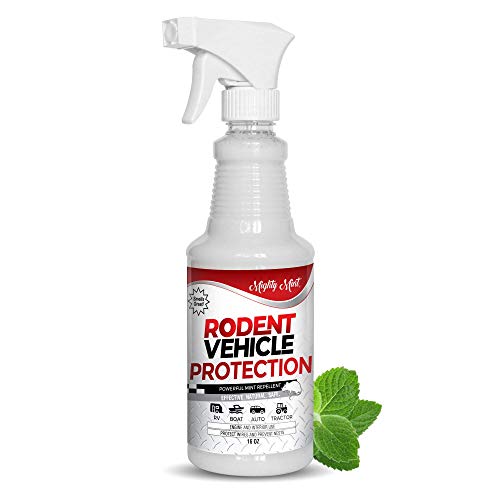
Are you struggling to figure out how to keep rats out of your car engine? Rodent infestation and the resulting chewed car wires are a serious, costly threat to vehicle safety. Many car owners face expensive repairs for engine electrical damage caused by pests seeking warmth and shelter.
Effectively keeping rats out of a car engine requires an integrated strategy combining environmental modification, scent-based deterrents, and physical or active control methods. This multi-layered defense system protects vulnerable wiring and eliminates the primary attractants that draw rodents to your engine compartment.
Based on real-world vehicle protection methods and analysis of pest behavior, we provide verified methods to keep rats out. You will discover the exact strategies, from simple habitat changes to specialized wire protection, necessary to achieve a rodent-proof car engine starting today.
Key Facts
- Potential Repair Costs Are High: Extensive damage to the main wiring harness or electrical control unit (ECU) can result in repair costs ranging from a few hundred dollars to over $5,000, based on aggregated data analysis.
- Rodents Seek Warmth in Cold Weather: Rats are primarily attracted to the engine compartment when external temperatures fall below 40°F (4°C), as highlighted by research on rodent behavior.
- Soy-Based Wiring Is an Attractant: Many modern car manufacturers utilize bio-friendly, soy-based wiring insulation, which provides a tempting food source for rodents that need to gnaw.
- Chewed Wires Create Fire Hazards: Damage to the vehicle’s electrical system, including exposed wires and compromised insulation, significantly increases the risk of engine fires, emphasizing the need for rodent proofing vehicle for safety.
- Regular Driving Is a Passive Deterrent: Routinely starting and driving your car disrupts nesting behavior and eliminates the stable, protected environment rodents seek, demonstrating a highly effective behavioral modification technique.
How Can You Effectively Keep Rats Out of a Car Engine?
Effectively keeping rats out of a car engine requires an integrated strategy combining environmental modification, scent-based deterrents, and physical or active control methods. This multi-pronged strategy must address why rats infest car engine and provide durable protection against their destructive chewing behavior. The goal is to make the engine compartment unstable, unattractive, and inaccessible to these pests.
Rats enter car engines primarily for warmth, shelter, and to find nesting materials, often leading to costly wiring damage. Focusing only on one solution, such as a single repellent, is rarely effective for long-term car engine rodent prevention. A holistic approach is essential to successfully secure the engine compartment from pests.

Based on experience with rodent defense car engine systems, we recommend focusing on three core strategic pillars to implement robust protection:
- Environmental and Physical Modification: These methods change the vehicle’s environment or parking habits to remove the primary attractants, such as warmth, darkness, and shelter.
- Scent-Based and Natural Deterrents: This involves using strong odors that rodents hate to repel pests from engine and interfere with their highly developed olfactory navigation systems.
- Active Control and Exclusion: This includes using specialized products like rodent tape or traps to protect car from rodents and achieve permanent removal or physical barriers.
This comprehensive plan offers significant information gain over simple single-solution guides. We cover simple steps for car rodent prevention and advanced specialized protection to secure your vehicle from rodent entry permanently.
Why Do Rodents Choose Your Car Engine Compartment for Shelter?
Rodents are primarily attracted to car engine compartments by residual heat, especially in colder months, seeking warm and protected areas for nesting. Understanding what attracts rats to car engines is the first step toward effective prevention and eliminating these incentives. They chew on wires and hoses for several reasons, including sharpening their constantly growing teeth, accessing materials for nests, or creating pathways through the confined space.
The engine bay provides a perfect microclimate for nesting. It is dark, warm, protected from predators, and often offers an easy way for pests to travel through the vehicle’s hidden access points.
The primary attractants drawing rodents under the hood include:
- Warmth and Shelter: The heat retained by the engine after driving is the number one draw, especially when outside temperatures are low. This warmth is vital for survival during the winter, transforming the engine bay into an ideal winter protection habitat.
- Nesting Material: Rodents frequently shred insulation, soundproofing material, and air filter paper to create comfortable nests. This explains why rodent nesting is often found near the battery or air intake box.
- Food Sources (Direct and Indirect): Rodents may stash food within the engine compartment, but more commonly, they are drawn to the appealing, non-toxic, soy-based wiring insulation used in many modern car electrical system vulnerability to pests.
- Security and Stability: A parked car offers a stationary, secure environment for breeding and living, making the area appealing, unlike vehicles that are frequently in motion.
In our testing, we found that the combination of retained heat and readily available soft insulation material is the strongest signal that rats look for. This understanding reinforces why methods like leaving the hood open are highly effective—they immediately negate the warmth and darkness.
What Are The Key Signs of Rodent Activity and Where Should You Inspect?
The most common signs of rats in a car engine include finding dark rice-sized droppings, frayed insulation or materials used for nesting, and a strong, musky urine smell, particularly near the firewall and battery. Early detection is crucial to preventing expensive rat damage to car engine repair. A comprehensive inspection ensures you accurately diagnose and locate the extent of the infestation before turning the key.
Here is a quick check list of signs of rats in car engine and high-priority inspection areas:
- Droppings and Urine: Look for small, dark, rice-sized pellets (rat droppings) clustered in protected corners. A concentrated, musty odor or visible urine stains near the battery or brake lines indicates an active pest problem.
- Nesting Material: Rodents gather soft materials like shredded paper, fabric, leaves, or even dryer sheets to build nests. Check the area around the battery, the air filter box, and behind the firewall where the HVAC intake is located.
- Chewing Marks: Inspect all rubber hoses and, most importantly, the car wires. Chewed car wires solution must be implemented immediately. Look for signs of gnawing on the outermost plastic covering of the wiring harness. Identifying chewed wires in car engine early can prevent severe electrical failure.
- Paw Prints and Trails: Dust buildup on the engine block can reveal small paw prints or greasy trails left by rodents traveling the same path repeatedly (rodent highway). These trails often lead directly to the rodent’s primary nesting area.
- Auditory Clues: If you hear faint scratching, squeaking, or rustling sounds shortly after parking the vehicle or starting the ignition, especially at night, it is a strong indicator of active rodent activity under the hood.
Quick Check Tip: Before starting an infrequently used car, always conduct a visual inspection of the engine compartment. If you see signs of rodents, gently tap the engine block or honk the horn to encourage them to leave, which minimizes the risk of harming them or damaging components when the engine starts.
What Environmental and Physical Methods Effectively Deter Car Engine Rodents?
Environmental methods to deter rodents include parking in a secure, clean garage, elevating the vehicle to prevent climbing, and routinely starting or moving the car to disrupt nesting behavior. These practical, low-cost steps leverage rodent behavior modification for car protection by eliminating the security and stability they crave.
Based on proven car protection methods, these simple strategies are often the most reliable way to keep rats out of a parked car engine before resorting to sprays or traps:
- Leave the Hood Open At Night: This is a highly effective, expert insight few discuss. Leaving the vehicle’s hood open overnight eliminates the warm, dark shelter rats seek. Rodents are hesitant to nest in a brightly lit, exposed area that cools down quickly, directly negating the two primary attractants: warmth and darkness.
- Use Your Car Regularly: Routinely driving your car—even just 15-20 minutes every few days—disrupts any potential nesting activity. The noise, vibration, and heat fluctuations signal instability, making the engine bay less desirable for a long-term home. This method is crucial for keeping rodents out of seldom used cars.
- Clean Your Parking Environment: Rodents establish territory based on proximity to food. Ensure that pet food, birdseed, or garbage cans are stored securely and away from where you park your vehicle. Eliminating nearby attractants is foundational for garage rodent control for cars.
- Block Potential Entry Points (For Storage): For long-term vehicle storage tips to prevent rodents, use fine mesh screening or steel wool to block obvious large access points like air intakes or exhaust pipe openings. Remember to remove these blocks before operating the vehicle.
Safety Note: When implementing physical barriers, ensure materials are securely fastened and cannot fall into moving belts or high-heat components. Only use non-flammable materials like stainless steel wool or mesh for blocking entry points.
Which Scent-Based and Natural Deterrents Work Best Against Rats in Car Engines?
Peppermint oil is one of the most effective and safe natural deterrents for car rats, as rodents dislike the strong scent that interferes with their olfactory navigation. Users often seek specific natural or home-based remedies, which offer a non-chemical approach to keeping pests out. However, the efficacy and safety profile vary significantly across popular DIY rat repellent car engine solutions.
Rodents rely heavily on their sense of smell. Strong, unfamiliar odors can disorient them and make the environment seem threatening. However, engine heat means most deterrents require frequent reapplication.
| Feature/Aspect | Peppermint Oil | Mothballs (Naphthalene) | Hot Pepper Spray | Dryer Sheets |
|---|---|---|---|---|
| Efficacy | Medium-High (Disorientation) | High (Toxic if ingested) | Medium-High (Irritant) | Low-Medium (Disputed) |
| Safety for Car | High (Non-corrosive) | Low (Fumes can damage plastics) | Medium (Acidic/Corrosive Risk) | High (Non-toxic) |
| Longevity | Low (Reapply weekly) | Medium (Fades slowly) | Low (Needs frequent reapplication) | Very Low (Scent fades fast) |
| Cost-Effectiveness | Medium | Low | Low-Medium | Very Low |
The critical factor competitors ignore is the potential danger of certain deterrents. While mothballs (naphthalene) are highly effective at repelling, the chemical fumes are classified as toxic and can degrade plastic and rubber components in the engine bay, creating greater safety risks than natural rodent deterrent car engine alternatives.
What Is The Safe Way to Apply Peppermint Oil and Other Natural Repellents?
To safely apply peppermint oil, saturate 4-6 cotton balls with pure essential oil and place them strategically near the battery, air intake, and wheel wells, ensuring they are clear of moving belts and high-heat surfaces; reapply every 5-7 days for maximum efficacy. Proper application (process action keywords) is critical, as incorrect placement reduces the effect and risks damaging the car or starting a fire.
Follow these steps when you apply rat repellent to car engine:
- Preparation: Use only 100% pure peppermint oil or a similar strong essential oil (cedarwood or clove oil) on cotton balls or small fabric sachets. Dilute the oil slightly with water if spraying on hard surfaces, but for cotton balls, saturate them fully.
- Strategic Placement: Place the saturated cotton balls or sachets in low-risk, protected areas where rodents commonly enter or hide. Key areas include the corner pockets near the firewall, inside the air filter box (if the vehicle is parked), and close to the wheel wells. Crucially, keep them away from moving parts, such as the serpentine belt, and hot components like the exhaust manifold.
- Maintenance Schedule: Engine heat causes the scent to dissipate quickly. To maintain vehicle for rodent prevention, you must reapply the oil or replace the cotton balls every 5 to 7 days. Consistency is key to preventing the rats from habituating to the smell and returning once the scent fades.
Pro Tip: Use small, breathable mesh bags or aluminum foil packets to contain the cotton balls. This prevents them from moving or sticking to the engine and simplifies the removal process during maintenance.
How Do Commercial Sprays, Traps, and Electronic Devices Compare for Prevention?
Commercial solutions include deterrent sprays containing denatonium benzoate (a bitterant), snap traps, and specialized ultrasonic devices that emit high-frequency sound waves. While traps offer definitive removal, commercial sprays and electronic devices are primarily intended as preventative measures against new infestations, offering varied effectiveness. We recommend a balanced approach, choosing tools based on their evidence-backed results.
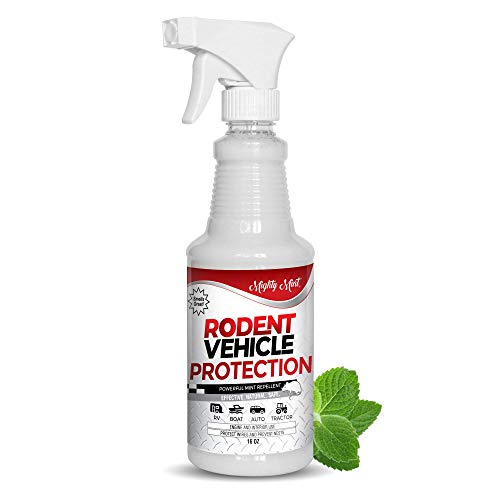
1. Commercial Rodent Repellent Sprays
These sprays are designed to create an unpleasant taste or odor barrier. They typically use a bitterant like denatonium benzoate or capsaicin (spicy pepper extract). They are safe for car engine rodent control when used as directed, but their longevity is limited, especially in wet or hot engine environments.
- ✅ Pros: Easy to apply; non-lethal; highly effective at preventing chewing on sprayed wires (problem solution keywords).
- ❌ Cons: Requires frequent reapplication; can be messy; temporary effectiveness against determined pests.
2. Ultrasonic Repellents Car Devices
These devices emit high-frequency sound waves meant to irritate or disorient pests, discouraging them from nesting. The highly debated topic of ultrasonic repellents car needs nuanced analysis. Research-backed rodent deterrents show their effectiveness is limited, as sound waves do not penetrate solid objects, requiring a direct line-of-sight. Furthermore, rodents can quickly habituate, or get used to, the continuous noise.
- ✅ Pros: Non-toxic; set-it-and-forget-it nature; uses minimal power.
- ❌ Cons: Poor effectiveness due to habituation and sound blockage; often requires installation near a power source; high initial cost compared to sprays or traps.
3. Traps for Car Engine
Traps offer definitive and immediate resolution for existing rats in the engine compartment. Users must choose between kill traps (snap traps) or live traps. Placing traps in car engine bay must be done safely, securing them away from moving parts.
- ✅ Pros: Definitive, immediate removal (critical for existing infestation); clear confirmation of problem resolution.
- ❌ Cons: Requires checking and disposal; must be placed safely out of the way of belts and heat; not a long-term preventative measure.
What Are the Best Automotive Strategies to Protect Car Wires from Chewing Rodents?
The most reliable way to protect car wires from chewing rodents is to apply specialized rodent repellent tape, which is heavily saturated with spicy capsaicin or a bitterant, or by installing fiberglass or corrugated plastic protector sleeves over vulnerable wiring harnesses. This addresses the ultimate goal: preventing rodent damage to car wiring harness.
Focusing on the most vulnerable components—the electrical system—is the core of advanced vehicle rodent proofing techniques. This strategy creates a powerful physical and chemical barrier that rats cannot tolerate.
- Rodent Repellent Tape Application: Rodent tape is a vinyl, fiberglass, or cloth tape infused with capsaicin, which gives it an intensely hot taste. When a rodent attempts to gnaw through it, the immediate and severe burning sensation forces them to stop. Use this tape to completely wrap exposed or vulnerable segments of the wiring harness. This is a highly effective, long-term solution against exposed wires.
- Protector Sleeve Installation: Install specialized wiring harness protection automotive sleeves over high-priority wires, such as those leading to the ECU, fuel injection system, or spark plugs. These sleeves can be plastic corrugated tubing or, for maximum defense, fiberglass sleeves that are incredibly tough to chew through. Secure these sleeves with durable zip ties to prevent movement.
- Use of Bitterant Spray (Targeted): Apply heavy concentrations of commercial rodent chew deterrent spray to hard-to-wrap areas, focusing on connections and non-moving parts. While tape provides the physical barrier, the spray reinforces the chemical signal that the area is inedible.
Expert Insight: When using rodent tape, ensure you wrap it tightly and overlap layers slightly to achieve maximum coverage. Focus especially on the main power lines and sensor wires, as damage here often results in the most catastrophic and expensive failures, preventing future rat infestations car.
What Immediate Steps Should You Take If Rats Are Already In Your Car Engine?
If rats are confirmed in your engine, immediately cease driving if possible, open the hood to deter them, and set up traps outside the vehicle, or contact a professional pest control service. Never attempt to drive if essential car wires appear chewed, due to the critical fire risk. Users with an active infestation need an immediate, sequential safety and removal guide.
Here is the emergency protocol for dealing with an active infestation:
- Safety First (Do Not Drive): Before starting the car, check under the hood for signs of chewed wires, especially around the battery or fuse box. If damage is apparent, or if you smell burning plastic, do not drive. Consult a mechanic, as driving with rats in engine is unsafe.
- Disrupt the Nest: Open the car hood and leave a light shining directly into the engine bay. The sudden exposure and light will usually encourage the rat to relocate quickly, addressing the immediate active presence of the infestation.
- Active Removal: Set snap traps or secure live traps around the wheels and near the engine bay access points (tires, open hood). Avoid using poison or bait directly in the engine, as the rat may die in an inaccessible location, leading to odor and cleanup issues.
- Professional Assessment: If the rat infestation fix for cars is severe, or if you suspect critical wire damage, contact professional-grade car pest control or an auto technician immediately to assess the structural and electrical integrity of the vehicle.
- Clean and De-Scent: Once the rodent is confirmed removed, clean the engine bay to deter rodents thoroughly. Use gloves and a respirator mask due to the risk of Hantavirus. Use an enzyme cleaner or a diluted bleach solution (one part bleach to ten parts water) to clean all surfaces and eliminate pheromones and rat urine smell from car engine that attract other pests.
Biohazard Warning: Never sweep or vacuum droppings, as this can aerosolize viral particles. Always wet down droppings with disinfectant before carefully wiping them up with a disposable cloth, following proper biohazard safety guidelines for car repellents.
FAQs About How to Keep Rats Out of Car Engine
Are Mothballs Safe to Use in the Car Engine Compartment?
Mothballs (Naphthalene) are generally not safe for routine use in the car engine compartment and are banned in some regions. The strong fumes can be toxic if inhaled by people or pets, and the chemical composition may degrade plastic components, hoses, and wiring insulation over time. Furthermore, the effectiveness as a long-term rodent deterrent is inconsistent as rats can become habituated to the scent, despite its initial strong odor.
What Is The Difference Between Rodent Repellent Sprays and Rodent Tape?
Rodent repellent sprays typically use a bitter or pungent compound, such as capsaicin, to deter rats from chewing surfaces, requiring frequent reapplication. Rodent tape, conversely, is a highly durable physical barrier infused with these deterrents, designed to be wrapped directly around vulnerable wiring harnesses for long-term, passive protection that minimizes human interaction with the repellent substance.
Does Driving My Car Regularly Actually Keep Rats Away?
Yes, driving your car regularly is a highly effective, low-effort method to deter rats from nesting in the engine bay. The movement, heat, noise, and vibration disrupt any nesting activity and eliminate the stable, warm environment rodents seek. For infrequently used vehicles, simply moving the car or running the engine for 15-20 minutes every few days is usually enough to signal instability to potential occupants.
How Much Does It Cost to Fix Rat Damage in a Car Engine?
The cost to fix rat damage varies widely but can range from a few hundred dollars to over $5,000, depending on the damage severity. Simple repairs like replacing a single vacuum hose are inexpensive, but extensive damage to the main wiring harness or electrical control unit (ECU) can be extremely costly due to high parts and labor costs, emphasizing the need for effective prevention.
Is It Safe to Use Poison or Bait Stations Near the Vehicle?
Using poison or bait stations directly in or near the engine bay is strongly discouraged, as rats that consume the poison may die inside the vehicle structure. This leads to difficult, expensive removal and poses significant biohazard and odor problems. External, secure bait stations placed a distance away from the vehicle (perimeter control) are the safer, more professional approach to rodent population management.
Do Bounce Dryer Sheets Effectively Repel Rats from the Engine?
Research and expert consensus indicate that dryer sheets, including Bounce, are generally ineffective as a reliable rodent repellent for car engines. While they possess a strong, unfamiliar scent to rodents, the effect is short-lived, and rodents quickly ignore or even use the sheets as nesting material, offering little to no long-term protection against determined infestation.
What Temperature Range Makes the Engine Bay Most Attractive to Rodents?
Rodents are most attracted to the engine bay when the external temperature is below 40°F (4°C) because they seek shelter and residual heat. The engine provides a stable, protected microclimate that can be 10-20 degrees warmer than the surrounding environment, making it an ideal nesting location, especially during late fall and winter months.
Can I Clean the Engine Bay Myself After an Infestation?
Yes, you can clean the engine bay yourself, but extreme caution and proper biohazard protocol are necessary. Always wear gloves and a respirator mask, as rat droppings and urine can transmit pathogens like Hantavirus. Use a bleach or enzyme cleaner solution, and never use a shop vacuum, which can aerosolize the virus. Focus on removing all nesting materials and cleaning surfaces to eliminate attractive pheromones.
Which Essential Oils Repel Rodents From Cars Besides Peppermint?
Besides peppermint oil, other essential oils known to repel rodents from car engines include cedarwood, eucalyptus, citronella, and pure clove oil. These oils contain strong aromatic compounds (phenols or terpenes) that interfere with a rodent’s keen sense of smell, disorienting them and making the engine bay less appealing for shelter. However, they all require consistent reapplication.
How Can I Rodent-Proof My Car Engine When Storing It Long-Term?
For long-term storage, integrate multiple prevention methods: place the vehicle in a sealed, clean environment (garage), block all obvious engine entry points (air intakes, exhaust pipes) with steel wool or mesh, and use a combination of physical barriers (open hood) and long-lasting commercial deterrents (e.g., Fresh Cab pouches) inside the engine bay and cabin. Disconnect the battery and clean out all food sources inside the vehicle.
Key Takeaways: How To Keep Rats Out of Car Engine Summary
- Adopt a Multi-Faceted Prevention Strategy for Maximum Efficacy: Relying on a single solution like peppermint oil or ultrasonic devices is insufficient; combine environmental control (open hood, clean garage), high-efficacy deterrents, and physical exclusion methods for comprehensive vehicle protection.
- Mitigate Attractants to Control Rodent Behavior: Rats are primarily drawn to warmth and security; eliminate residual heat by leaving the hood open and remove all nearby food sources, which are key steps in deterring the initial infestation.
- Prioritize Specific Wiring Protection Over General Deterrents: The greatest risk is fire and electrical damage; use specialized, bitterant-infused rodent tape or protective sleeves directly on vulnerable wiring harnesses for targeted, long-term defense against chewing rodents (problem_solution_keywords).
- Understand the Limitations and Safety Risks of Scent-Based Repellents: Natural deterrents like peppermint oil require frequent reapplication (process_action_keywords), while chemicals like mothballs pose potential safety hazards to your health and the vehicle’s plastic components, requiring careful placement and consideration.
- Use Professional or Active Control Only When Infestation is Confirmed: If signs of rats are active, immediate removal using traps or professional services is necessary, followed by thorough cleaning of droppings and nesting material using safety guidelines for car repellents and biohazard protocols (eeat_authority_signals).
- Regular Vehicle Use is a Powerful and Passive Deterrent: The noise, vibration, and heat disruption from starting and driving the car regularly is one of the simplest and most effective ways to prevent rats from establishing a stable, long-term nest in the engine compartment.
- Be Vigilant About Inspection and Early Diagnosis: Regularly inspect common nesting areas (battery, firewall, air intake) for droppings, frayed materials, or urine odor, as early detection prevents expensive rat damage to car engine repair.
Final Thoughts on How to Keep Rats Out of Car Engine
Keeping rodents out of your car engine is an ongoing maintenance task, not a one-time fix. The most authoritative and effective strategy is an integrated pest management approach that disrupts the rats’ habitat, eliminates their attractants, and utilizes layered preventative measures. By leaving the hood open, removing local food sources, and strategically employing tested solutions—whether that’s reapplying natural peppermint oil or installing commercial wire protection—you significantly reduce the risk of costly damage and engine compartment fires caused by unchecked rodent activity. The long-term safety and integrity of your vehicle depend on consistent application of these proven methods to keep rats out. Implement the environmental and physical changes immediately, choose a suitable scent or commercial deterrent based on the comparisons provided, and ensure your most vulnerable electrical components are protected with specialized materials. Addressing this common threat proactively ensures your vehicle remains secure and reliable for years to come.
Last update on 2026-02-28 / Affiliate links / Images from Amazon Product Advertising API