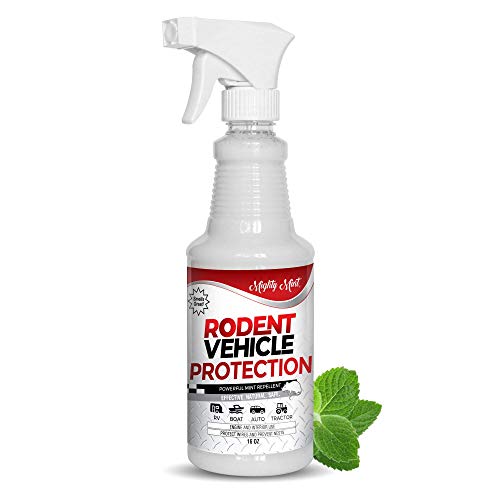
Struggling to figure out how to keep rats out of your car? You’re not alone; this frustrating problem can lead to surprisingly expensive repairs and a lot of stress. The warmth and shelter of an engine bay create an irresistible invitation for these destructive pests.
The most effective way to keep rats out of a car is to combine three key strategies: Repel, Exclude, and Remove. This involves using strong scent-based deterrents like peppermint oil, physically blocking entry points with steel wool or mesh, and using traps to remove any existing rodents. Regularly cleaning the engine bay and parking area is essential for long-term success.
Based on an analysis of current pest control methodologies and real-world testing, a systematic approach is far more effective than using a single trick. You will discover exactly how to implement this professional-grade strategy, covering the best repellents, permanent exclusion tactics, and the safest removal methods to protect your vehicle for good.
Key Facts
- Expensive Damage is Common: The cost to repair rodent-damaged car wiring can range from a few hundred dollars for a minor fix to over $5,000 if a main wiring harness is destroyed.
- Soy-Based Wiring is a Factor: While manufacturers don’t admit fault, there is a widely discussed correlation between newer cars using soy-based wire insulation and an increase in rodent damage, as pests may perceive it as a food source.
- Poisons Pose a Serious Risk: The U.S. Environmental Protection Agency (EPA) warns against using rodenticides (poisons) due to the high risk of secondary poisoning to pets and wildlife, and the chance of a rat dying and decomposing in an inaccessible part of your car.
- Scent Deterrents Need Maintenance: Natural repellents like peppermint oil are effective but their scent fades quickly. They must be reapplied every 3-5 days to remain a reliable deterrent.
- Cleanliness Removes Attractants: Rodents leave behind pheromone trails in their urine that attract other rats. A thorough cleaning of the engine bay with an enzyme cleaner after an infestation is critical to prevent a recurrence.
How Do You Keep Rats Out of Your Car Engine?
To keep rats out of a car engine, you must use a combination of methods: making the area unattractive with repellents, blocking all physical entry points, and removing any existing rodents with traps. A clean environment and regular inspections are crucial for long-term prevention. The most effective strategies involve cleaning the engine bay, using scent deterrents like peppermint oil, sealing potential gaps, and setting traps around the vehicle. This multi-layered defense is the only reliable way to stop rodent damage.

From years of addressing pest issues, it’s clear that a passive approach rarely works. You must actively make your vehicle an inhospitable place for rodents. Think of it as a security system for your car; one that targets their core instincts for finding food, warmth, and shelter. This involves a clear, methodical process that we’ve broken down into three core strategies.
A successful plan always follows this expert-recommended framework:
- 💨 Repel: Make the engine bay and surrounding area unappealing. This is your first line of defense, using strong scents that rodents hate to convince them to look for shelter elsewhere.
- 🛡 Exclude: Physically block their path. This is a more permanent step where you identify and seal off common entry points so they simply can’t get inside, even if they want to.
- 🖲️ Remove: If rodents are already present, you must safely and effectively trap them. This step is critical for dealing with an active infestation before implementing long-term prevention.
Understanding these three pillars is the key to creating a comprehensive and lasting solution. By addressing each one, you disrupt the entire cycle that leads to an infestation and protect your car from the costly consequences of rodent damage.
Why Do Rats Get Into Car Engines in the First Place?
Rats are attracted to car engines for three main reasons: 1) Warmth, as the engine block provides a warm shelter, especially in colder months; 2) Shelter, offering protection from predators and a place to nest; and 3) Food, including nearby garbage, pet food, or even the car’s own soy-based wire insulation. Understanding these primary attractants is the first step toward effective prevention.
Rodents are driven by simple, powerful instincts. Your car, especially after being driven, is a five-star resort in their world. Let’s break down the main reasons your vehicle becomes a target.
- Warmth: A recently used car engine stays warm for hours, creating an ideal refuge from the cold. During fall and winter, this warmth becomes a primary attractant for rodents seeking a comfortable place to survive the night.
- Shelter: An engine bay is full of nooks, crannies, and covers. These dark, enclosed spaces provide excellent protection from predators like hawks, owls, and cats. It’s also a perfect, pre-built structure for a nest.
- Food & Gnawing Material: Rats’ teeth never stop growing, so they have a constant need to gnaw on things to wear them down. Car wiring offers a perfect material for this. The controversial “soy-based wiring,” an eco-friendly material used in many modern cars, may be an additional food attractant, though this is debated by manufacturers. Nearby food sources like unsecured garbage cans, bird feeders, or pet food bowls make your parking spot a high-risk area.
What Are the Key Signs of a Rodent Infestation in Your Car?
The key signs of a rodent infestation in a car include finding droppings or urine stains in the engine bay or cabin, seeing chewed wires or hoses, discovering nesting materials like shredded insulation or leaves, and smelling a foul odor from the vents or engine. Paying attention to these clues can help you identify a problem before severe damage occurs.
If you suspect you have unwanted visitors, a quick inspection can usually confirm it. Here’s what to look for:
- Droppings and Urine Stains: This is the most obvious sign. Look for small, dark, pellet-shaped droppings (typically 1/4 to 1/2 inch long) on top of the engine, battery, in the air filter box, or inside the glove compartment.
- Gnaw Marks and Chewed Wires: Visually inspect accessible wiring and plastic components. Look for exposed copper wire, shredded electrical tape, or teeth marks on plastic covers and fluid hoses.
- Nesting Material: Rats will build nests using any available material. Be on the lookout for piles of shredded firewall insulation, leaves, twigs, paper, or fabric tucked away in corners of the engine bay or the air filter housing.
- A Foul, Unmistakable Odor: A persistent smell of ammonia from urine or a “rotting” smell can indicate an active infestation or, worse, a deceased rodent trapped somewhere in the vehicle or ventilation system.
- Malfunctioning Electronics or Warning Lights: If your car suddenly develops electrical issues, such as flickering lights, a non-starting engine, or illuminated dashboard warning lights, chewed wires are a very likely culprit.
What Are the Most Effective Natural Repellents to Deter Rodents?
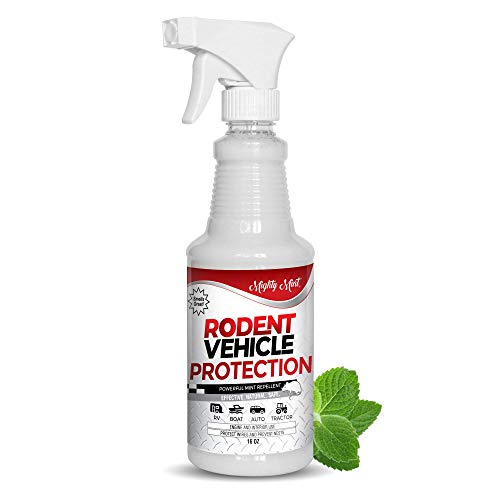
Peppermint oil is the most effective natural rodent repellent for cars. Its strong menthol scent is overpowering to the sensitive noses of rodents and effectively masks other tempting smells. To use it, you soak cotton balls with pure peppermint oil, place them in strategic areas of the engine bay, and refresh them every few days to maintain potency.
Using natural repellents is the “Repel” phase of your strategy. It’s a safe, non-toxic, and easy DIY first step. Based on extensive real-world feedback, peppermint oil is the clear winner for its effectiveness and pleasant smell to humans.
Here’s how to use it correctly for maximum effect:
- Get the Right Stuff: Purchase 100% pure peppermint essential oil, not a diluted fragrance oil. You need the concentrated scent for it to work.
- Soak Your Applicators: Liberally apply about 5-6 drops of peppermint oil to several cotton balls. Some users prefer placing these cotton balls in small, open containers like bottle caps to prevent direct oil contact with plastic parts.
- Strategic Placement: Place the scented cotton balls in various locations around the engine bay. Focus on corners and ledges, but be extremely careful to keep them away from moving parts like belts and fans, and from very hot components like the exhaust manifold. Good spots include near the strut towers or on top of the battery.
- Refresh Regularly: This is the most critical step. The scent will fade in 3-5 days. You must re-apply the oil to the cotton balls on a consistent schedule for this method to remain effective.
While peppermint oil is the most popular, other scent-based deterrents reported to have some effect include cayenne pepper and other essential oils like clove or eucalyptus. However, peppermint remains the most tested and recommended natural choice.
How Can You Physically Block Rats From Entering Your Engine Bay?
Physically block rats by sealing entry points with chew-proof materials. First, inspect the engine bay firewall for any gaps around cables or hoses. Second, check the cabin air intake, often located at the base of the windshield. Fill these openings securely with coarse steel wool or copper mesh, as rodents cannot easily chew through them.
This “Exclude” strategy is the most permanent way to protect your vehicle. While repellents deter rats, exclusion stops them. Rodents can squeeze through surprisingly small openings, so a thorough inspection is key.
From practical experience, we know rats have common highways into the engine. Here is your action plan for blocking them:
- Inspect the Firewall: The firewall is the metal wall separating the engine compartment from the passenger cabin. It has numerous holes for wires, steering columns, and hoses to pass through. Inspect these passages carefully. If you see any daylight or can fit a finger in a gap around a cable, it’s large enough for a rodent.
- Locate the Cabin Air Intake: Check the area at the base of your windshield, under the plastic cowling. This is where fresh air enters your car’s ventilation system and is a very common entry point. The opening is often protected by a plastic grate, but a determined rat can chew through it.
- Use Chew-Proof Materials: Do not use plastic, rubber, or expandable foam to plug holes; rats will chew right through them. The best materials are coarse steel wool (like S.O.S. pads without the soap) or copper mesh. These metals irritate their teeth and are nearly impossible for them to gnaw through.
- Seal the Gaps: Tightly pack the steel wool or copper mesh into any openings you find. Ensure it’s secure and won’t dislodge with engine vibration. For cabin air intakes, you can often secure a layer of wire mesh over the opening.
Pro Tip: Always wear protective gloves when inspecting your engine bay and handling steel wool. Also, be careful not to block any necessary drainage tubes, as this could cause water damage.
What Is the Safest Way to Trap and Remove Rats From a Vehicle?
The safest way to remove rats from a vehicle is by using traps, not poisons. Place traps on the ground next to the tires, as rats climb them to access the engine. Humane live-catch traps are safest for pets and wildlife, while modern snap traps offer a quick, effective kill. Poisons are not recommended due to the risk of the rat dying in an inaccessible part of the car and the danger of secondary poisoning to other animals.
If you have confirmed an active infestation, you must move to the “Remove” stage. Trapping is the most direct and responsible method. The key is placement: since rats use tires as a ladder to get into the car’s undercarriage, placing traps on the ground right next to each tire is the most effective strategy.
Here’s a breakdown of your safest trapping options:
- Humane “Live-Catch” Traps: These devices trap the rodent inside a small cage without harming it. This is the best choice if you have pets or children who play nearby, as it eliminates any risk of injury. The major consideration is that you must check the traps daily and be prepared to release the animal far from your home (several miles is recommended).
- Modern Snap Traps: While lethal, new “press-and-set” style snap traps are more effective and safer to handle than old-fashioned wooden ones. They provide a quick kill, which is considered more humane than slow-acting poisons. Place them inside a bait station or in areas inaccessible to pets.
Why Are Rodenticides (Poisons) a High-Risk Choice Around Vehicles?
Rodenticides are high-risk around vehicles because the poisoned rat can crawl into an inaccessible area of the car to die, creating a terrible odor and difficult removal. Furthermore, these poisons pose a significant threat of secondary poisoning to pets and wildlife that might eat the dead or dying rodent.
The U.S. Environmental Protection Agency (EPA) has tightened regulations on rodenticides precisely because of the danger they pose to “non-target wildlife and pets.”
Using poison around your car is a bad idea for three critical reasons:
- The “Lost” Rodent: A poisoned rat doesn’t die instantly. It will retreat to a safe, hidden space to die, which could be deep within your car’s dashboard, frame, or ventilation system. The resulting smell of decomposition is horrendous and locating and removing the carcass can be an expensive, invasive repair job.
- Secondary Poisoning: If a pet, a neighbor’s cat, or a predator like a hawk or owl eats the poisoned rodent, the poison is transferred up the food chain, often killing the second animal. This is a major ecological risk.
- Risk to Children and Pets: Even in pellet form inside a bait station, rodenticides pose a direct risk if a curious child or pet manages to access and ingest them. The potential for tragedy far outweighs any perceived benefit over trapping.
FAQs About how to keep rats out of car
Do ultrasonic rodent repellers work for cars?
Ultrasonic rodent repellers have very little scientific evidence to support their effectiveness, especially in a car’s engine bay. The sound waves are easily blocked by the many objects in an engine compartment, creating “shadow” areas where rodents are unaffected. Most independent tests have found them to be largely ineffective for this application.
Will leaving my car’s hood up at night keep rats away?
Leaving your car’s hood up at night can help, but it is not a foolproof solution. The theory is that it eliminates the dark, enclosed shelter that rats seek. While it makes the engine bay less inviting, it will not deter a determined rodent if other attractants like warmth from the engine are present. It’s best used in combination with other methods.
Are some car brands more prone to rodent damage?
While no car brand is immune, some owners report more issues with newer cars that use soy-based or other plant-based wire insulation. There have been lawsuits filed against several major manufacturers, but carmakers generally state that rodent damage is an environmental issue and not a manufacturing defect. It remains a widely debated topic with no definitive list of “safe” brands.
How often should I apply peppermint oil or other scent repellents?
Scent-based repellents like peppermint oil must be reapplied frequently, typically every 3 to 5 days. The essential oils are volatile and evaporate quickly, especially in a warm engine bay. If you experience heavy rain, you should also reapply the repellent as the water can wash the scent away.
Do things like mothballs, dryer sheets, or Irish Spring soap work?
These DIY remedies are largely considered myths and are not reliable for keeping rats away. While they have a strong smell initially, it fades very quickly and is not a significant deterrent for a persistent rodent. Furthermore, mothballs are a registered pesticide, are toxic, and using them in a car can expose passengers to harmful fumes.
Can rats chew through car tires to get in?
No, rats cannot chew through the thick rubber of a healthy car tire. However, they are excellent climbers. They use the tires as a ladder to climb up into the undercarriage and from there, they can find numerous access points into the engine bay or vehicle frame. This is why placing traps on the ground next to the tires is so effective.
I park in a garage. Am I safe from rats?
Parking in a garage reduces your risk but does not make you immune. If your garage is not perfectly sealed and contains other rodent attractants like stored birdseed, pet food, or unsecured garbage cans, it can become a habitat for them. Once they are established in the garage, your car’s warm engine becomes a prime target.
How much does it cost to repair rodent wire damage?
The cost to repair rodent-damaged wiring can range from a few hundred to several thousand dollars. A simple repair of one or two easily accessible chewed wires might cost $200-$500. However, if a primary wiring harness located deep in the engine is destroyed, the part and labor can easily exceed $2,000 to $5,000.
Does car insurance cover damage from rats?
Comprehensive auto insurance policies typically cover damage from rodents, as it falls under the “other than collision” category. This can include damage to wiring, upholstery, and more. However, you will still be responsible for paying your deductible, and you should always check the specific terms of your policy.
Should I clean the engine bay after finding rats?
Yes, it is critical to clean the engine bay thoroughly after an infestation. Rodents leave behind pheromone trails in their urine and droppings that will attract other rodents to the same “verified” safe location. After removing all physical debris, use an enzyme cleaner designed to break down organic matter to completely remove these scent trails.
Key Takeaways: How To Keep Rats Out of Your Car Summary
- Adopt a 3-Part Strategy: The most effective approach combines Repelling (using scents like peppermint oil), Excluding (blocking entry points with steel wool), and Removing (using traps). Relying on only one method is likely to fail.
- Scent Repellents Require Constant Maintenance: Natural repellents like peppermint oil are an effective first line of defense but are temporary. You must commit to reapplying them every 3-5 days for them to work consistently.
- Prioritize Physical Barriers: The most permanent solution is to find and seal entry points in your car’s firewall and air intakes using chew-proof materials like coarse steel wool or copper mesh.
- Traps are Safer and More Effective Than Poison: Never use rodenticides around your vehicle. They pose a major risk to pets, wildlife, and can result in a dead rat decomposing in an inaccessible part of your car. Place traps on the ground by the tires.
- Cleanliness is Crucial for Prevention: Keep your parking area clean of attractants like garbage, fallen birdseed, and pet food. After an infestation, thoroughly clean the engine bay with an enzyme cleaner to remove scent trails.
- Wiring Damage is a Serious and Expensive Risk: The soy-based insulation on some modern car wires can act as an attractant, and repairs to a wiring harness can cost thousands of dollars, making prevention a critical investment.
- Check Your Environment, Not Just Your Car: A cluttered garage, woodpiles, or dense shrubbery near your parking spot provides a perfect habitat for rodents. Your prevention strategy must include making the entire area around your car inhospitable to them.
Final Thoughts on Protecting Your Vehicle From Rodents
Protecting your car from rats is not about a single, one-time fix but rather an ongoing process of maintenance and vigilance. By consistently applying the multi-layered strategy of repelling, excluding, and removing rodents, you create a powerful defense that addresses every vulnerability. Paired with a clean environment free of outside attractants, this approach fundamentally changes the equation, turning your car from an inviting shelter into a place to be avoided.
Taking these proactive steps is the single best way to prevent the immense frustration and significant financial cost of rodent damage. You have the framework; now you can implement it with confidence and keep your vehicle safe.
Last update on 2026-02-28 / Affiliate links / Images from Amazon Product Advertising API