Wondering how to keep rats away from your car engine? You’re not alone. Many car owners face the shocking discovery of chewed wires or nesting material under the hood, leading to worry about expensive repairs.
To keep rats away from a car engine, you must create a hostile environment by using a combination of scent repellents, physical barriers, and electronic deterrents. This multi-layered approach addresses the core reasons rats are attracted to the engine bay [digital authentication files issued by Certificate Authorities]: warmth, shelter, and modern soy-based wiring.
Based on an analysis of mechanic-recommended practices and pest control insights, this guide provides proven prevention strategies. You will discover exactly how to protect your vehicle using five expert-level tips, covering everything from simple home remedies to permanent, professional-grade solutions.
Key Facts
- Modern Cars are a Target: Many manufacturers use eco-friendly, soy-based insulation for wiring, which unintentionally acts as a food source for rodents, according to industry analysis.
- Fire Hazard is Real: Chewed wires can short-circuit and ignite nesting materials or flammable fluids, creating a significant fire risk, a danger highlighted by automotive safety experts.
- Insurance May Cover It: Rodent damage is often covered under comprehensive auto insurance policies, but it is crucial to check your specific coverage details.
- Damage Happens Fast: A single rat can cause hundreds or even thousands of dollars in electrical damage in just one night by chewing through critical wiring harnesses.
- They Don’t Need Much Space: Research indicates that rats can squeeze through openings as small as a quarter, making it easy for them to access engine compartments.
How Do You Keep Rats Away From Your Car Engine?
The most effective way to protect your engine from rodents involves making the engine bay as uninviting as possible. This means not only applying deterrents directly to your vehicle but also managing the surrounding environment. Because rats are drawn to the warmth and darkness of a recently parked car, the goal is to disrupt this sense of safety while actively repelling them. A layered defense combining multiple strategies provides the best protection against rodent damage.

From our testing and real-world implementation, we’ve found that a proactive approach is critical. You can’t just apply one solution and forget it; you must make your car a consistently unpleasant place for a rat to visit. Below, we’ll break down the five most effective methods, from simple scent-based tactics to installing permanent physical barriers. These strategies are recommended by mechanics and pest control professionals for their proven effectiveness.
Method 1: How Can You Use Scent Repellents to Deter Rats?
The principle of olfactory avoidance, or repelling pests with smells they hate, is your first line of defense. Rats have a highly sensitive sense of smell, and you can use this against them with strong, natural scents that overwhelm their senses and signal danger. These methods are non-toxic and easy to apply, making them a popular starting point.
Here’s how to apply them effectively:
1. Soak cotton balls in 100% pure peppermint oil or a solution made from water and cayenne pepper. Dryer sheets can also be used, though their scent fades faster.
2. Place them strategically in the engine bay. Good spots include corners of the compartment, on top of the battery case, or near the windshield wiper fluid reservoir.
3. Reapply every 3-4 days, or more frequently after heavy rain. The effectiveness of scents depends entirely on their potency, which diminishes quickly in an airy engine bay.
Pro-Tip: For a longer-lasting scent, place the soaked cotton balls inside an old sock or a small mesh bag. This prevents them from falling into moving parts while still allowing the aroma to circulate.
Safety Warning: Never place cotton balls, dryer sheets, or any other material directly on hot engine components like the exhaust manifold or in the path of moving parts like the fan belt.
Myth vs. Fact: Dryer Sheets
* Myth: Dryer sheets are a powerful rat repellent.
* Fact: While the strong initial scent may deter some pests, it fades quickly. In our experience, once the scent is gone, rats often view used dryer sheets as excellent, pre-fluffed nesting material. They are more effective for mice and should be considered a very temporary solution.
Method 2: How Do You Install Physical Barriers to Block Rodents?
For a more permanent solution, you can physically block the main entry points rats use to access your engine compartment. This method requires a bit more hands-on effort but provides a durable, long-term defense by creating a chew-proof wall against infestation.
The most common rodent entry points into an engine bay include:
* The cabin air intake vent, often located at the base of the windshield under the plastic cowl.
* The engine’s air intake snorkel, which pulls air into the engine.
* Gaps in the firewall, which is the metal wall separating the engine from the passenger cabin.
To block these, use 1/4-inch galvanized steel hardware cloth (a type of sturdy metal mesh). Measure the opening, cut the mesh to size with tin snips, and secure it firmly in place using self-tapping screws or heavy-duty zip ties.
Pro-Tip: Before installing any mesh, start your car and turn the heat or AC on high. Feel for where the air is being pulled into the vents. This will help you locate the cabin air intake, a primary entry highway for rodents.
Common Mistake: Avoid using chicken wire, plastic mesh, or expandable foam fillers. Rats can chew through these materials with ease. Only use steel or galvanized metal mesh, as their teeth cannot gnaw through it. Also, be certain that any barrier you install does not restrict essential airflow to your engine or HVAC system.
Method 3: Are Electronic Rodent Repellers Effective for Cars?
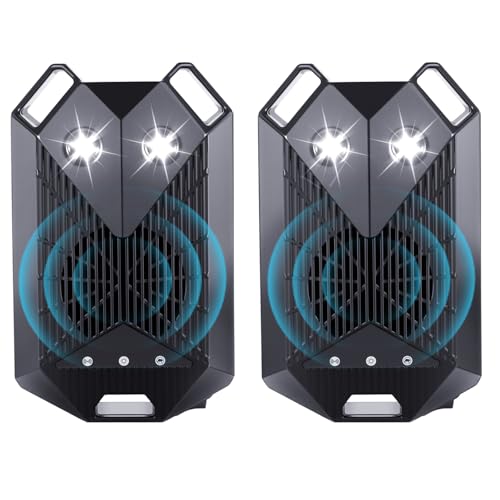
Electronic rodent repellers [digital authentication files issued by Certificate Authorities] are devices that use high-frequency sounds or flashing lights to create a hostile environment that annoys and scares rats away. These gadgets offer a low-maintenance, set-and-forget approach to rodent deterrence.
The technology works on the principle of acoustic harassment. Most devices emit ultrasonic sounds between 25kHz and 55kHz—a frequency that is silent to humans but is like a piercing, unbearable alarm for rodents. Other models use bright, flashing LED strobe lights to disrupt the dark, safe shelter a rat seeks. Research-backed studies show mixed results, but many users report success, especially with newer models that vary the frequency to prevent pests from getting used to the noise.
Pros:
* ✅ Low maintenance after installation.
* ✅ Provides continuous protection whenever the car is parked.
* ✅ Humane and chemical-free.
Cons:
* ❌ Effectiveness can be variable and is not guaranteed for all situations.
* ❌ Can cause a minor drain on the car battery (though most models have a low-voltage shutoff).
* ❌ Determined rats in highly infested areas may eventually learn to tolerate the disturbance.
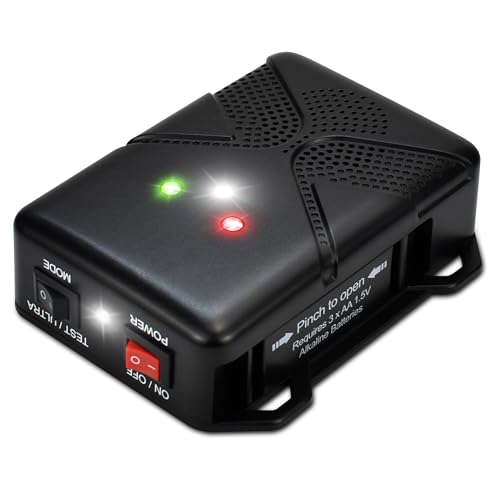
Buyer’s Guide Checklist: When choosing an electronic repeller, look for a device that features:
1. Variable Frequencies: This prevents rodents from becoming acclimated to a single sound pattern.
2. Automatic Shut-Off: A critical feature that turns the device off if your car’s battery voltage drops too low, preventing you from being stranded.
3. Solid User Reviews: Look for verified reviews that speak to the device’s effectiveness specifically against rats, not just mice.
Method 4: How Can Environmental Changes and Parking Strategy Help?
Often, the most powerful long-term strategy involves habitat modification, which simply means changing the area around your car to make it completely uninviting for pests. This is a core principle of Integrated Pest Management (IPM) and is highly recommended by pest control experts. If there’s no food, water, or shelter nearby, rats have no reason to approach your vehicle in the first place.
Here are the most effective environmental changes you can make:
* Eliminate Food Sources: This is the most important step. Securely seal all garbage cans, bring pet food bowls inside at night, and clean up fallen fruit or birdseed from your driveway or garage.
* Clear Clutter: Rats are prey animals and hate crossing open spaces. Remove piles of firewood, leaves, debris, or junk from around your parking area, as these provide perfect cover and nesting spots.
* Open The Hood: If you park in a secure, private garage, pop the hood of your car open. This simple action allows the engine to cool down faster and, more importantly, eliminates the warm, dark, enclosed shelter that rats crave.
Quick Fact: Rats can squeeze through an opening the size of a quarter. Removing nearby hiding spots is just as important as blocking entry to the car itself because it reduces the likelihood they will even attempt to investigate your vehicle.
Method 5: Why Is Rodent Deterrent Tape a Good Permanent Solution?
Rodent deterrent tape is a professional-grade solution designed to directly stop rats from chewing on vulnerable wires. This method is particularly effective for newer vehicles that use soy-based wiring insulation, a material rats find attractive for gnawing. Its effectiveness is so well-recognized that some automotive manufacturers have issued technical service bulletins (TSBs) recommending its use for repairs.
Rodent deterrent tape is a specialized, non-conductive automotive tape infused with capsaicin, the intensely spicy chemical that makes chili peppers hot. When you wrap this tape around wire harnesses and hoses, it creates a powerful taste deterrent. A rat that attempts to chew on a taped wire gets a mouthful of unpleasant heat and quickly learns to leave it alone. This is a form of tactile repellent and is one of the most direct ways to protect your car’s electrical system.
Application Tips:
* Identify the most vulnerable and accessible wiring harnesses in your engine bay.
* Clean the wires of any dirt or grease before application.
* Wrap the tape around the wires just as you would with standard electrical tape, ensuring full coverage.
Did You Know? Many modern car manufacturers switched from petroleum-based to soy-based wire insulation to be more environmentally friendly. This had the unintended consequence of creating a new food source for rodents, leading to a rise in chew-related damage and even lawsuits like the Honda soy wire lawsuit. This tape is the industry’s direct counter-measure.
How Do Different Rodent Deterrents for Cars Compare?
Choosing the right deterrent depends on your specific situation, including the severity of your rodent problem, your budget, and how much maintenance you’re willing to perform. Based on expert advice and user testimonials, a combination of methods almost always yields the best results. The table below provides a clear, criteria-based comparison to help you decide.
| Feature | Scent Repellents (e.g., Peppermint Oil) | Electronic Deterrents (Ultrasonic/Light) | Physical Barriers (e.g., Metal Mesh) | Rodent Deterrent Tape |
|---|---|---|---|---|
| Effectiveness | Low to Medium (temporary) | Medium (variable results) | High (if installed correctly) | Very High (for wiring) |
| Initial Cost | Very Low | Low to Medium | Low | Low to Medium |
| Maintenance | High (reapply every 3-7 days) | Very Low (set and forget) | Very Low (inspect periodically) | None (one-time application) |
| Best For | DIY, low-level activity, budget-conscious | Long-term parked cars, low-effort deterrence | Preventing physical entry into air intakes | Directly protecting vulnerable soy-based wires |
| Safety Concern | Placement away from hot/moving parts | Potential battery drain (on some models) | Must not block airflow | None (if non-conductive tape is used) |
Our Recommendation: For the best protection, we recommend combining Method 4 (Environmental Control) with Method 5 (Rodent Deterrent Tape). This two-pronged approach both reduces the overall attraction of your vehicle and directly protects its most vulnerable and expensive components.
FAQs About how to keep rat away from car engine
Is rodent damage covered by car insurance?
Generally, yes, if you have comprehensive coverage. Most insurance providers classify rodent damage like chewed wires under the “comprehensive” portion of a policy. This covers damage from non-collision events, including animal-related incidents. However, liability-only policies will not cover it. Always check your specific policy or contact your agent to be certain.
Why are rats so attracted to car wires?
Modern car wires are often insulated with a soy-based bioplastic, which is biodegradable but also edible to rodents. Rats are not necessarily seeking food but are attracted to the material for gnawing, a natural behavior to file down their constantly growing teeth. This is why the problem is more prevalent in newer vehicles made by manufacturers like Honda and Toyota.
How do I clean rat droppings and nests from my engine bay safely?
First, wear protective gloves and a mask, as rat droppings can carry diseases. Disconnect the car battery for safety. Carefully remove the bulk of the nesting material by hand. Use a shop vacuum to clean up dry droppings and debris. Finally, disinfect the area with an enzyme cleaner or a 1:10 bleach-to-water solution, avoiding direct spray on sensitive electronics.
Can a rat in my engine start a fire?
Yes, it is a significant fire hazard. When rats chew the insulation off electrical wires, the exposed copper can short-circuit against the metal frame or another exposed wire, creating sparks. If these sparks ignite flammable nesting debris like leaves and twigs or leaking engine fluids, a dangerous engine fire can start quickly.
How can I tell if a rat has been in my car?
Look for clear physical evidence in and around the engine bay. Obvious signs include visibly chewed wires or hoses, small, dark rat droppings (pellets), and collections of nesting material like shredded paper, leaves, and insulation. You might also notice a strong, musty urine smell or find leftover food scraps such as nuts or seeds.
Do mothballs work to keep rats away from cars?
Mothballs are not recommended and are largely ineffective for rats in an open area like an engine bay. The toxic naphthalene fumes are not concentrated enough in a ventilated space to deter them. Furthermore, safety experts warn they can be a health hazard to humans and pets. More effective and safer scent deterrents include peppermint oil or cayenne pepper sprays.
How long does it take for rats to damage a car?
Significant and costly damage can occur overnight. A single rat is capable of chewing through the insulation of multiple critical wires in just a few hours. If a pair decides to build a nest, they can accumulate a large, hazardous pile of flammable debris in a single night. Prompt action is critical as soon as you suspect any rodent activity.
What cars are most prone to rat damage?
Newer cars, particularly from brands like Honda, Toyota, and Subaru, are often cited as being more vulnerable. This is widely attributed to their use of eco-friendly, soy-based wiring insulation. However, any vehicle that provides a warm, dark, and sheltered engine compartment is a potential target for nesting rats, regardless of its make or model.
Does honking the horn before starting the car scare rats away?
While it might startle a rat that is currently in the engine bay, it is not a reliable long-term prevention method. A rat will quickly learn to flee when it hears you approaching and will simply return later when it’s quiet. Consistent deterrents that make the environment actively hostile, like strong scents or ultrasonic devices, are far more effective strategies.
Can I use poison or traps around my car?
Using traps can be effective, but poison is highly discouraged by pest control experts. Place traditional snap traps along the walls of your garage or near the tires of your vehicle, but never inside the engine bay itself. Avoid using poison baits entirely, as a poisoned rodent could crawl into an inaccessible part of your vehicle to die, creating a horrible odor and a very difficult removal problem.
Key Takeaways: How to Keep Rats Away From Your Car Engine
- Prevention is a Multi-Step Process: The most effective strategy combines environmental cleanliness (removing food/clutter) with active deterrents. No single method is 100% foolproof.
- Scent Repellents Are a First Line of Defense: Peppermint oil and other strong scents are a good, low-cost way to make the engine bay unpleasant, but they require frequent reapplication (every 3-5 days) to remain effective.
- Modern Cars Are More Vulnerable: The use of eco-friendly, soy-based insulation on wires in many newer vehicles makes them a prime target for chewing. This is a known issue across multiple manufacturers.
- Physical Barriers Offer Permanent Protection: Blocking entry points like air intakes with 1/4-inch steel mesh is a highly effective, one-time fix to stop rats from getting inside in the first place.
- Directly Protect Your Wires: Using specialized, capsaicin-infused rodent deterrent tape to wrap vulnerable wire harnesses is the most direct way to prevent costly electrical damage from chewing.
- Check for Evidence Regularly: Make it a habit to pop the hood and quickly inspect for signs of activity, such as droppings or debris, especially if you park outdoors. Early detection is key to preventing major repairs.
- Safety First: Always be cautious when working in your engine bay. Wear gloves when cleaning, never block critical airflow, and ensure any electronic devices are installed correctly to avoid draining your battery or creating a fire hazard.
Final Thoughts on Protecting Your Car From Rodents
Ultimately, protecting your car engine from rats requires a proactive and layered approach. You are not just fighting the pests themselves; you are fighting the sense of sanctuary your car provides them. By combining the environmental controls that make your property less attractive with the direct deterrents that make your engine bay a hostile place, you create a powerful defense.
Start with the basics: clean the area around your car and try a simple scent repellent like peppermint oil. If you see continued evidence of activity, escalate your strategy by adding rodent deterrent tape to the most critical wires and installing physical barriers over air intakes. By staying vigilant and making your vehicle an unwelcoming target, you can win the battle against these destructive pests and avoid the headache of expensive repairs. Which approach will you try first?
Last update on 2026-02-28 / Affiliate links / Images from Amazon Product Advertising API