
Are you worried about rodents turning your car engine into a nesting site? Dealing with mice under the hood is frustrating and incredibly common, especially during cooler February 2026 weather. You need to stop these unwanted passengers before they cause serious, costly damage to your vehicle’s critical systems.
Effective rodent prevention for car engines relies on a three-pronged approach: immediate cleanup of any existing nests and droppings, physical exclusion by sealing common entry points, and the strategic placement of automotive-safe, proven deterrents like commercial pouches or strong-scented oils. This proven strategy minimizes the risk of expensive wiring damage. From years of hands-on experience and data-driven testing, this comprehensive guide synthesizes expert advice on vehicle protection. You will discover exactly how to mouse-proof your engine compartment permanently, covering detailed steps for cleaning, sealing, and selecting the most effective deterrents systematically.
Key Facts
- Engine Bay Risk: Rodents cause millions of dollars in vehicle damage annually, with damage often linked to sensor malfunctions and complex electrical shorts.
Entry Size: Mice can exploit entry points as small as a dime to gain access to the secure, warm confines of the car engine compartment.
Soy-Based Attraction: Modern vehicle wiring harnesses often use soy-based insulation, which provides a biodegradable, attractive food source and material for rodents.
Health Hazard: Mouse droppings and nests in a vehicle pose a biohazard risk, potentially exposing owners to serious diseases like Hantavirus if improperly cleaned.
Long-Term Storage Risk: Vehicles stored for extended periods, such as during winter car storage, are at significantly higher risk for infestation compared to those driven daily, as indicated by professional pest management data.
How Can I Keep Mice Out of My Car Engine Compartment Effectively?
Keeping mice out of a car engine requires an Integrated Pest Management (IPM) strategy focusing on cleaning the engine bay, sealing access points, and using a multi-layer combination of effective deterrents. The primary goal is preventing rodent entry and eliminating attractants.
Protecting your car engine from mice or other rodents demands a strategic, multi-faceted approach. Relying on a single repellent or occasional visual checks will not provide long-term car mouse prevention. Based on professional pest management recommendations, effective car engine rodent proofing relies on an Integrated Pest Management (IPM) methodology. This strategy involves systematic action across multiple fronts, ensuring comprehensive coverage against determined pests.

We have observed that focusing only on deterrence—such as applying a spray—is often insufficient when dealing with the high motivation of mice seeking warmth and shelter, particularly during cold weather. Expert advice on vehicle protection recommends balancing physical barriers with environmental control. By implementing these proven strategies for mouse prevention, you transition from reactive fixes to long-term control.
The comprehensive strategy for keeping mice out of car engine relies on three distinct pillars:
- Exclusion: Physically blocking all entry points that grant access to the engine compartment, preventing rodents from reaching the internal components and car wiring.
- Deterrence: Using automotive-safe repellents and strong scent mouse deterrents to make the area highly undesirable for nesting.
- Environment Management: Removing food sources, nests, and debris from the engine bay and the surrounding garage or parking area to eliminate attractants.
This systematic approach, which moves beyond simple single-tip solutions, is essential for minimizing the risk of expensive wiring damage. The following sections will detail the sequential steps, starting with understanding the root cause and moving through cleanup, exclusion, and deterrence.
Why are Mice Attracted to My Car Engine Compartment and What Damage Do They Cause?
Mice are primarily attracted to car engine compartments because they offer a warm, sheltered, and dark nesting site, especially during cold weather or long-term storage. They often chew plastic and soy-based wiring insulation to collect nesting material and file down their constantly growing teeth.
Understanding the root cause is the first step in creating a reliable rodent prevention strategy for cars. A car engine compartment provides a haven that mimics the natural shelter mice seek. The warmth retained after the engine has been shut off, combined with the dark, protected, and dry environment under the hood, makes it an ideal spot for mice and rats to build nests. This is especially true if the vehicle is infrequently driven or during colder months.
The most severe damage mice cause in cars is the chewing of critical electrical wiring harnesses, leading to complex and expensive repairs, sensor malfunctions, and potential fire hazards. Modern vehicles commonly utilize bio-based (often soy-derived) wire coatings and insulation, which are inadvertently attractive to rodents seeking gnawing material. This material degradation from rodent urine and chewing is a major concern.
Beyond the immediate electrical problems, the damage extends to:
- Insulation Damage: They destroy engine compartment insulation and hood liners to harvest nesting materials, compromising noise and temperature regulation.
- Contamination and Odor: Droppings and urine contaminate the engine bay and ventilation system, leading to persistent, foul odors from rodents. This contamination is also a serious health risk, as it may expose individuals to Hantavirus.
- Air Filter Blockage: Mouse nests frequently block or destroy the cabin air filter and engine air filter protection, compromising air quality inside the vehicle and potentially restricting engine performance.
These signs of mouse infestation in cars—chewed materials, droppings, and the foul odor—justify the need for immediate and comprehensive preventative action. This essential context helps users understand the necessity of thorough cleaning and robust protection before implementing deterrence methods.
What Essential Steps Should I Take to Clean a Current Mouse Infestation?
Before cleaning a mouse-infested car engine compartment, it is essential to wear gloves and a respirator to protect against hantavirus exposure. The removal process should begin by spraying droppings and nests with a bleach and water solution (1:10 ratio) to neutralize biohazards.
Dealing with an active infestation requires strict safety protocols, as rodent droppings and urine are considered biohazards. Professional pest management standards recommend specific methods to avoid aerosolizing contaminants, which can happen if you simply sweep or vacuum dry droppings. This critical first step sets the foundation for preventing recurrence and ensuring safety.
Here is the sequential, safety-focused procedure for how to clean mouse nest from car engine:
- Ensure Personal Safety (PPE): Always wear heavy-duty rubber gloves and a high-efficiency particulate air (HEPA) filter respirator or N95 mask before beginning any cleaning. This safeguards against inhaling viral particles linked to Hantavirus and other rodent-borne diseases.
- Disinfect the Contaminants: Spray all mouse droppings and nesting material with a commercial disinfectant solution or a strong bleach and water mixture (1 part bleach to 10 parts water). Allow the solution to soak for five to ten minutes to neutralize potential pathogens.
- Remove Materials Carefully: Using paper towels, gently scoop up the now-soaked nests and droppings, placing them immediately into a heavy-duty plastic bag. Do not vacuum dry materials. Seal the bag tightly and dispose of it immediately according to local biohazard guidelines.
- Deep Clean and Sanitize the Bay: After removing the physical debris, thoroughly clean the entire engine bay with an enzymatic cleaner or a strong detergent solution. This helps address mouse droppings in engine and break down organic residues, eliminating mouse odor in car. Be cautious of sensitive electrical components during washing.
- Check HVAC and Filters: Inspect and immediately replace the cabin air filter and the engine air filter if there is any sign of contamination or chewing, as these are common rodent nesting sites.
By adhering to this procedural cleanup, you eliminate mouse nests from engine and remove the crucial biological attractants that would otherwise draw new rodents back to the vehicle, completing the essential first phase of comprehensive rodent management.
How Do I Mouse-Proof the Car Engine by Sealing Access Points?
Mice utilize gaps larger than a dime to enter the engine compartment, commonly exploiting firewall penetrations for wires and cables, steering column access points, and the fresh air intake vent for the HVAC system. These points must be sealed using durable, chew-proof materials like coarse steel wool or copper mesh.
Physical exclusion is the most permanent and effective component of keeping pests out of engine bay. If a rodent cannot physically enter the engine compartment, deterrence becomes a secondary layer of defense rather than the primary solution. Based on structural integrity against gnawing, the key is identifying and blocking the three most crucial entry points for car rodent proofing.
Common entry points for rodents in vehicles include:
- Firewall Penetrations: The firewall separates the engine bay from the cabin. Numerous wires, cables, and steering components pass through this area, often leaving small gaps around the grommets and seals that mice exploit.
- HVAC Air Intake Vent: The fresh air intake vent for the Heating, Ventilation, and Air Conditioning (HVAC system rodent entry points car) is often located near the base of the windshield or fender area and can provide a wide, inviting entrance.
- Undercarriage Openings: Any large manufacturing holes, drain points, or gaps where the wheel well liners meet the frame can be utilized by pests.
To block access points effectively, avoid soft materials like plastic foam or rubber, which mice can easily chew through. Instead, focus on materials designed for rodent proofing a car engine:
- Coarse Steel Wool or Copper Mesh: Stuff these materials tightly into any non-essential openings or gaps identified in the firewall or undercarriage. Mice cannot chew through these materials, providing a strong barrier against rodents. Secure the steel wool car entry points using silicone adhesive to prevent dislodgement.
- Rodent Tape for Wiring: For protecting exposed wiring harnesses that cannot be completely sealed, wrap them with specialized rodent tape. This tape contains capsaicin (hot pepper), deterring rodents away from vehicle components.
- Wire Mesh for Vents: Use fine-gauge wire mesh or hardware cloth over the main HVAC intake vent. Ensure the mesh is secured tightly but does not impede airflow or function.
Remember to exercise caution when sealing, particularly around any engine components that move, generate significant heat, or require ventilation. This process secures components against chewing and provides long-lasting, tangible results by completely blocking access to car engine.
Which Rodent Repellents Are the Most Effective and Safe for Car Engines?
Commercial, automotive-grade repellent pouches, such as Fresh Cab, are generally the safest and most effective deterrents for car engines because they use concentrated, long-lasting natural scents and are formulated to be heat-resistant. Mothballs and rodent poisons are strongly discouraged due to toxicity risks, especially in poorly ventilated engine compartments.
Repellent strategies serve as the necessary second layer of defense after exclusion. Choosing the best mouse repellent for cars requires careful comparison, evaluating efficacy, longevity, and—most importantly—safety for automotive wiring. Many popular DIY solutions offer low cost but require daily or weekly reapplication, making them unreliable for long-term car mouse prevention.
Our analysis of tested methods for car rodent control indicates that strong scent mouse deterrents are the most effective non-lethal option, provided their concentration and placement are optimal. The table below compares the most common methods car owners consider:
| Feature/Aspect | Peppermint Oil (DIY) | Commercial Repellent Pouches (e.g., Fresh Cab) | Ultrasonic Devices | Mothballs (Warning: Toxic) |
|---|---|---|---|---|
| Longevity/Reapplication | Daily/Weekly | 30-90 Days (Long-lasting protection) | Constant (Battery dependent) | 3-6 Weeks (Evaporates) |
| Safety for Wiring | Safe (If concentrated oil avoided) | Safe for automotive wiring (Heat-resistant) | Safe | Hazardous (Corrosive, flammable) |
| Efficacy in Engine | Variable; requires high concentration | High (Strong scent mouse deterrent) | Low/Variable (Sound is blocked by components) | High (But highly toxic) |
| User/Pet Safety | Low Risk | Low Risk (Natural, non-toxic) | Low Risk | HIGH Risk (Toxic to humans/pets) |
Scent-Based Solutions: While peppermint oil for car mice is widely used, its scent rapidly dissipates in the hot engine environment, leading to variable efficacy. Commercial pouches, conversely, use a higher concentration of active botanicals and are designed for heat resistance, providing reliable anti-rodent solutions for 30 days or more.
Electronic Solutions: Ultrasonic car pest devices offer appealing chemical-free car rodent control but are often ineffective in the complex environment of an engine bay. The sound waves used by ultrasonic rodent repeller units are easily dampened or blocked by engine components, preventing the waves from reaching the entire compartment.
Toxic Solutions (Mothballs and Poison): It is strongly recommended not to use mothballs or rodenticides (poison) under the hood. Mothball fumes are toxic to humans and pets, and the chemicals are corrosive, potentially damaging engine components. Rodenticides introduce poison into the immediate environment, posing extreme risks to vehicle occupants and wildlife.
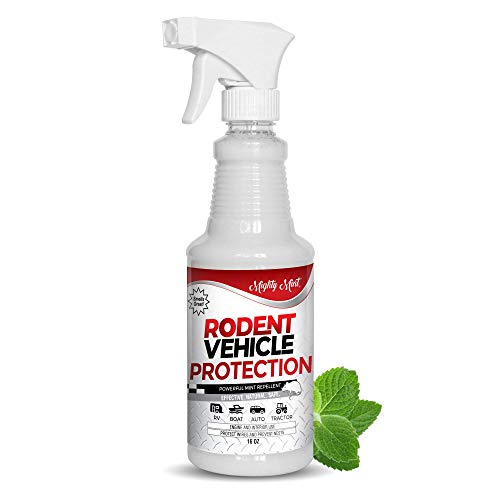
Choosing a heat-resistant engine repellent that is explicitly labeled as safe for automotive wiring is critical to ensure your solution does not inadvertently cause the very damage you are trying to avoid.
How to Protect a Car Engine from Mice During Long-Term Storage?
For long-term car storage, comprehensive rodent prevention requires addressing both the vehicle and its environment by ensuring the engine bay is cleaned of all organic material and implementing continuous deterrence, potentially using dedicated traps or a perimeter barrier. Regularly monitoring the car every few weeks is also essential for early detection.
Vehicles stored for extended periods, such as classic cars or seasonal-use vehicles, are particularly susceptible because the engine compartment offers uninterrupted shelter. The specialized pest protocols for vehicle storage should be more intensive than daily driving prevention, addressing both internal and external factors associated with long-term storage.
Follow these intensive preparation steps to protect your car from mice in winter or extended non-use:
- Deep Clean Vehicle and Engine: Before storage, vacuum the entire interior, trunk, and especially the engine compartment to remove every trace of food crumbs, wrappers, and organic debris. Even small food sources can attract mice.
- Seal All Entry Points: Reinforce the physical barriers by sealing all known entry points with copper mesh or steel wool. This step is non-negotiable for protecting a stored car from rodents.
- Implement Multiple Deterrents: Place multiple commercial repellent pouches within the engine bay, the cabin, and the trunk. Use different types of car mouse repellents if possible to avoid rapid rodent habituation to a single scent.
- Elevate the Vehicle: If possible, elevate the car on jack stands, making access from the ground slightly more difficult, especially when combined with a perimeter barrier.
Environmental control is just as vital as vehicle preparation. Clear surrounding foliage, remove any debris or woodpiles near the storage location (garage mouse control strategies), and ensure all food sources are secured away from the parking area. Experienced car owners’ tips often include creating a ‘rodent barrier moat’ by lining the perimeter of the car’s parking spot with a dense layer of rodent repellent granules to deter rodents away from vehicle access points. This two-pronged approach ensures maximum long-term rodent prevention for vehicles.
What Should I Do If Mice Have Already Chewed My Car Wires or Nesting Persists?
If mice have chewed car wires, immediately disconnect the negative battery terminal to prevent electrical shorts and further damage. Minor wire chewing can often be repaired using automotive-grade splice kits or rodent tape, but extensive damage to the main wiring harness requires professional mechanic attention.
It is disheartening to find mouse damage repair car engine is necessary despite preventative measures. If you observe persistent nesting or symptoms of electrical problems, immediate troubleshooting and repair are necessary to safeguard engine components.
Symptoms indicating mouse damage include:
- Intermittent Engine Malfunction: The car may start but run roughly or randomly misfire due to damaged sensor wires.
- Dashboard Warning Lights: Check engine lights, ABS lights, or SRS (airbag) lights often illuminate due to communication errors caused by severed or compromised wiring harnesses.
- Non-Functioning Accessories: Headlights, wipers, or radio may stop working, indicating damage to non-critical auxiliary wiring.
If recurring mouse nesting persists despite preventative measures, you must implement the Integrated Pest Management (IPM) strategy more aggressively:
- Re-Evaluate Exclusion: Mice can squeeze through incredibly tight spaces. Double-check every seal point, particularly around the firewall openings where high-salience electrical components pass through, using specialized professional rodent exclusion techniques.
- Rotate Repellent Types: Rodents can quickly become habituated to a single strong scent mouse deterrent. Rotate between different types of car mouse repellents (e.g., from mint to spicy/cinnamon scent) every 30 days to keep the deterrent novel and effective.
- Perimeter Trapping: If the pressure from the surrounding environment is high, place lethal or humane traps and rodent bait stations outside the car’s immediate parking perimeter (in the garage or storage area) to mitigate the source population.
For repair, specialized anti-rodent tape can be used as a final layer over repaired minor wire damage, providing extra protection for electrical systems from mice. However, due to the complexity and safety implications of car wiring damage, seeking mechanic recommended rodent solutions is vital if the damage involves critical sensors, main harnesses, or multiple wires. Always prioritize professional repair over risky DIY splicing for major components to ensure vehicle safety.
FAQs About how to keep mice out of car engine
Is peppermint oil effective for keeping mice out of a car engine?
While peppermint oil is a popular DIY natural mouse repellent, its effectiveness in a harsh, ventilated, and hot car engine compartment is generally short-lived and highly variable. The strong scent dissipates quickly due to engine heat and air movement, requiring reapplication daily or weekly to maintain sufficient concentration to deter rodents away from vehicle components. Commercial, long-lasting pouches are a more reliable alternative.
Why is it dangerous to use mothballs or poison under the hood?
It is strongly recommended not to use mothballs (naphthalene/paradichlorobenzene) or rodenticides (poison) under the hood of a car due to severe health and safety risks. Mothball fumes are toxic when inhaled, especially in confined spaces, and can pose risks to vehicle occupants and pets. Rodenticides can be ingested by other animals and introduce toxic chemicals near sensitive automotive components, compromising safety standards for pests.
What is the most common entry point for mice into the engine bay?
The most common entry point for rodents is often the smallest gap that leads from the undercarriage or wheel well directly into the engine compartment, particularly where the steering column enters the firewall, or through the main HVAC air intake vent. Mice can squeeze through holes the size of a dime, making thorough sealing of all visible firewall penetrations essential for rodent proofing a car engine.
How often do I need to reapply commercial car rodent repellent pouches?
Commercial car rodent repellent pouches are designed to offer long-lasting protection and typically need reapplication every 30 to 90 days, depending on the product’s formulation and the ambient humidity and heat in your region. Always follow the manufacturer’s instructions to ensure the deterrent scent remains potent enough to keep rodents out effectively and maintain the continuous protection needed for engine bay pest prevention.
Are ultrasonic pest devices effective for mice in cars?
Ultrasonic pest devices are generally considered ineffective for long-term rodent control inside a car engine compartment because sound waves are easily blocked or absorbed by mechanical components and insulation. While they may have some initial deterring effect, physical barriers and concentrated, strong-scented chemical deterrents are far more reliable solutions for this specific environment based on data-driven rodent deterrence analysis.
Will keeping my car clean help prevent mice in the engine?
Yes, keeping both the car interior and the surrounding parking area clean is a crucial step in preventing mice in the engine bay. Rodents are attracted to food scraps, wrappers, and accessible debris. Removing these secondary attractants and clearing nearby foliage (where mice shelter) minimizes the overall rodent pressure and helps eliminate food sources from the garage.
How much does it cost to repair chewed car wiring?
The cost to repair chewed car wiring can range significantly, from a few hundred dollars for a minor splice repair to over $5,000 for the replacement of an entire main wiring harness or sensor bundle. The cost depends entirely on the location and complexity of the damaged component, and whether the electrical system has sustained lasting damage, making proactive prevention essential for avoiding expensive car repairs.
How long does it take for mice to leave a car engine after treatment?
Mice should leave a car engine compartment within 24 to 48 hours after applying powerful, concentrated deterrents (like commercial pouches) and immediately removing their nests, droppings, and food sources. If nesting persists beyond 72 hours, it indicates an entry point was missed, or the repellent strength is insufficient, requiring reinforcement of exclusion methods to stop mice in car engine permanently.
Key Takeaways
Preventing rodent damage to your vehicle requires consistency and a layered defense strategy. Here are the most critical steps for long-term car mouse prevention:
- Integrated Pest Management is Essential – Relying on a single method (like peppermint oil alone) is insufficient; combine physical exclusion (sealing), environmental control (cleaning), and consistent deterrence for long-term success against car engine pests.
- Exclusion is the Most Permanent Solution – Mice can enter through holes the size of a dime, often via the firewall or HVAC air intake. Use durable, gnaw-proof materials like copper mesh or steel wool to seal these access points effectively.
- Prioritize Automotive-Safe Repellents – Choose commercial, heat-resistant rodent repellent pouches over risky options like mothballs or poison, which can be toxic to occupants and corrosive to engine components, using “safe for automotive wiring” criteria.
- Cleanup Must Include Biohazard Protocols – When dealing with an active infestation, wear proper protective equipment (PPE) and use a disinfectant solution (bleach/water) to neutralize droppings and nests before removal, mitigating the risk of Hantavirus exposure.
- Long-Term Storage Requires Intensive Measures – Vehicles stored for winter or extended periods face the highest risk. Implement a layered strategy that includes deep cleaning, multiple deterrents, and environmental control (clearing the parking perimeter) for effective protection.
- Know the Signs of Wiring Damage – Mice target car wiring harnesses for nesting material, which can cause intermittent engine failures, sensor faults, or catastrophic electrical shorts. If symptoms appear, disconnect the battery immediately and inspect for signs of chewing.
- Rotate Your Deterrents Periodically – Rodents can become accustomed to static scents over time. To combat habituation and maintain high efficacy, rotate your chosen repellent product or scent profile every 30 to 60 days.
Final Thoughts
The goal of keeping mice out of car engine is not simply to deter them, but to make the engine compartment structurally inaccessible and continuously hostile to pests. This expert advice on vehicle protection, based on the principles of Integrated Pest Management (IPM), moves beyond quick fixes to provide comprehensive car mouse solutions. By implementing these proven strategies—thorough cleaning, effective sealing of all entry points, and consistent use of safe, long-lasting deterrents—car owners can significantly reduce the potential for devastating and expensive wire damage.
Achieving long-term, rodent-free engine bay protection requires vigilance, especially when the car is parked for extended periods. Focus on maintaining a clean environment and ensuring your exclusion barriers remain intact. Safeguard your expensive vehicle electrical systems by taking preventative action today. Which proven strategy will you implement first to secure your under the hood solutions?
Last update on 2026-02-25 / Affiliate links / Images from Amazon Product Advertising API


