
Wondering how to keep your infant car seat cool during hot summer days? You’re not alone; many parents worry about their baby overheating in the car. This is a critical safety concern you need to address.
To keep an infant car seat cool, focus on a mix of prevention, in-car cooling, and using only safety-approved products. This involves parking in the shade, pre-cooling your vehicle with air conditioning, using window sunshades, dressing your baby in light clothing, and ensuring good air circulation. Never use any aftermarket product that has not been crash-tested or approved by the car seat manufacturer.
Based on analysis of current pediatric safety guidelines and recommendations from Child Passenger Safety Technicians (CPSTs), this guide provides only safe, expert-vetted methods. You will discover exactly how to protect your child from heat-related risks without compromising the safety of their car seat.
Key Facts
- Rapid Temperature Rise: A car’s interior temperature can increase by nearly 20 degrees Fahrenheit in just 10 minutes, creating a dangerous environment for a baby.
- Infant Vulnerability: An infant’s body temperature can rise three to five times faster than an adult’s, making them highly susceptible to heatstroke.
- Dark Colors Absorb Heat: Dark-colored car seats absorb significantly more solar radiation, making their surfaces much hotter to the touch than light-colored options.
- Burn Risk from Components: Metal and plastic parts on a car seat, like buckle tongues, can reach temperatures high enough to cause serious contact burns on an infant’s sensitive skin.
- Shade Effectiveness: Using a reflective sunshade on the front windshield can lower a car’s inside temperature by as much as 15 degrees Fahrenheit, according to industry analysis.
How to Keep Your Infant Car Seat Cool Safely
Keeping your infant’s car seat cool is a critical part of summer car seat safety that involves a combination of pre-cooling the car, using approved shade devices, and choosing appropriate clothing for your baby. An infant’s body cannot regulate temperature effectively, making them highly vulnerable to overheating in a hot car. The primary goal is to prevent the car seat from absorbing heat while parked and to maintain a comfortable microclimate for your baby while driving. All methods must prioritize safety and align with recommendations from child passenger safety technicians.

The concern over a hot car seat is completely valid. Babies are not just small adults; their bodies heat up much faster, and they can’t tell you when they are uncomfortable or in danger. This is why it’s essential to understand both preventative measures and active cooling strategies that don’t interfere with the car seat’s performance in a crash. Simple steps can dramatically reduce the risk of heat-related illness.
This guide focuses exclusively on methods approved by safety experts. From understanding why car seats get so hot to identifying the signs of overheating, you will learn a systematic approach to car seat summer safety. We will explore proactive steps, in-car solutions, and how to evaluate cooling products to ensure they are safe for your child, giving you confidence on every trip.
Why Does an Infant Car Seat Get Dangerously Hot?
An infant car seat gets dangerously hot because of a combination of the greenhouse effect inside a parked vehicle and the heat-absorbing properties of the seat’s materials. Sunlight enters through the car’s windows and is converted into heat, which gets trapped inside. This solar gain can cause the car’s interior temperature to rise with shocking speed, creating a hazardous environment.
Several factors contribute to this dangerous heat buildup:
- The Greenhouse Effect: A car’s windows let sunlight in, but they don’t let the resulting heat out as easily. Research from pediatric health authorities shows that even on a mild 70°F day, the temperature inside a car can soar past 100°F in under 30 minutes.
- Material Heat Absorption: Dark car seat fabrics and plastics absorb more of the sun’s energy, converting it into heat. A dark-colored car seat can become significantly hotter than a light-colored one under the same conditions.
- Hot Metal and Plastic Parts: Buckle tongues, harness clips, and other plastic or metal components can absorb intense heat and reach temperatures high enough to cause second-degree burns on an infant’s sensitive skin.
- Lack of Airflow: In a parked car, there is no air circulation to dissipate the building heat. This creates a stagnant, oven-like microclimate directly around the car seat.
What Are the Signs of Overheating in an Infant?
Recognizing the signs of heat distress in a baby is crucial for their safety. Because infants can’t communicate their discomfort, you must be vigilant. According to pediatric health experts, here are the key symptoms to watch for:
- Hot to the Touch: Their skin feels unusually warm, especially on their chest or the back of their neck.
- Flushed Skin: Their face appears red and flushed. In some cases, a heat rash with tiny red bumps may appear on their neck or chest.
- Rapid Breathing: Their breathing may be shallow and faster than normal.
- Restlessness or Lethargy: They may be unusually fussy and irritable, or conversely, seem sleepy, weak, and unresponsive.
- Sweating or Lack Thereof: Excessive sweating is a common sign. However, in cases of severe heatstroke, they may stop sweating entirely, which is a medical emergency.
If you notice any of these signs, move your baby to a cool place immediately, offer fluids like breast milk or formula, and seek medical advice.
What Are The Best Proactive Steps To Prevent a Hot Car Seat?
To prevent a hot car seat, you should always try to park in the shade, use a reflective sunshade for the windshield, and cover the empty seat with a light-colored towel or a dedicated reflective cover. These proactive measures block the sun’s rays before they can heat up your car’s interior and the car seat itself. Combining these strategies is the most effective way to ensure the seat is at a safe temperature when you’re ready to go.
Here is a breakdown of the most effective preventative strategies.
Parking and Covering Strategies
- Park in the Shade: This is the simplest and most effective first step. Parking in a garage, under a covered carport, or in the shadow of a large building or tree dramatically reduces direct sun exposure.
- Use a Reflective Windshield Sunshade: These shades can reduce a car’s interior temperature significantly by reflecting sunlight back out of the car. They are a must-have for summer.
- Cover the Empty Car Seat: When you leave the car, drape a light-colored towel or a specially designed reflective car seat cover over the entire seat. This acts as a barrier, preventing the dark fabric and buckles from absorbing intense heat. ✅ Pro Tip: Keep a spare light-colored muslin blanket in your trunk just for this purpose. It’s lightweight and effective.
- Use Window Cling Shades: For side windows, use stick-on mesh sunshades. They help reduce the intensity of the sun on your baby while you’re driving and can help keep the interior cooler when parked.
Pre-Cooling the Car
Before you even think about putting your baby in the seat, you need to cool the environment.
- Remote Start Your Car: If your vehicle has a remote start feature, use it to run the air conditioning for 5-10 minutes before you leave. This can bring the cabin temperature down to a comfortable level.
- Open Doors to Ventilate: If you don’t have remote start, open all the car doors for a couple of minutes to let the trapped hot air escape before turning on the A/C.
How Can You Actively Cool Your Baby and Car Seat While Driving?
To actively cool a baby while driving, you need to optimize your car’s ventilation, dress your baby appropriately, and ensure they stay hydrated. The biggest challenge, especially with rear-facing seats, is poor airflow to the back of the car. Pointing the front A/C vents up towards the ceiling helps circulate cool air to the entire cabin instead of just the front seats.
Here are the best methods for keeping your baby cool during the journey:
- Optimize Air Conditioning: Direct your car’s center air vents upwards. The cool, dense air will travel along the roofline and drop down into the back seat area, creating a convection current that circulates air around your rear-facing infant.
- Dress Your Baby Appropriately: A single, lightweight layer of breathable fabric is all your baby needs. Choose natural fibers like cotton or linen that allow air to circulate and wick moisture away from their skin. Avoid synthetic fabrics, hats, or socks in the car.
- Use a Fine Mist of Water: For a quick cooling effect, you can lightly spritz your baby’s arms and legs with cool water from a small spray bottle. As the water evaporates, it has a natural cooling effect on their skin.
- Ensure Proper Hydration: For longer trips, make sure your baby is well-hydrated. Offer breast milk or formula more frequently than usual, as dehydration hinders the body’s ability to regulate its temperature.
Safety Warning: Never cover an occupied car seat with a blanket or any other item. While it may seem like it’s blocking the sun, it traps hot air and dramatically increases the risk of overheating and suffocation by reducing airflow.
What Cooling Products Are Safe to Use with an Infant Car Seat?
Only use cooling products that are either approved by your car seat manufacturer or do not interfere in any way with the seat’s structure or harness system. The golden rule of car seat safety is that nothing should ever be placed between your baby and the car seat, or between your baby and the harness straps, unless it came with the seat or is specifically crash-tested and approved for that model. Most aftermarket cooling pads and inserts are not crash-tested and can be extremely dangerous.
Here is a safety evaluation of common cooling products, vetted by Child Passenger Safety Technicians (CPSTs).
| Cooling Method | How It Works | Safety Consideration (CPST-Vetted) | Best For… |
|---|---|---|---|
| Reflective Cover | Covers the empty seat to reflect sun away. | Safe. Must be removed before placing the baby in the seat. | Preventing heat buildup in a parked car. |
| Breathable Mesh Liner | Creates an air gap for ventilation. | Use with caution. ONLY use if it has been crash-tested and is approved by the car seat maker. It must not interfere with the harness fit. | Reducing sweating during drives. |
| Window Sunshade | Blocks UV rays from entering the side window. | Safe. Use a window-cling style, not a hard roller shade that can become a projectile in a crash. | Reducing direct sun on the baby while driving. |
| “Noggle” Type Air Duct | A flexible tube that extends A/C vent air to the back seat. | Generally Safe. Ensure it is lightweight, securely attached, and has no hard parts near the child. | Directly cooling a rear-facing child. |
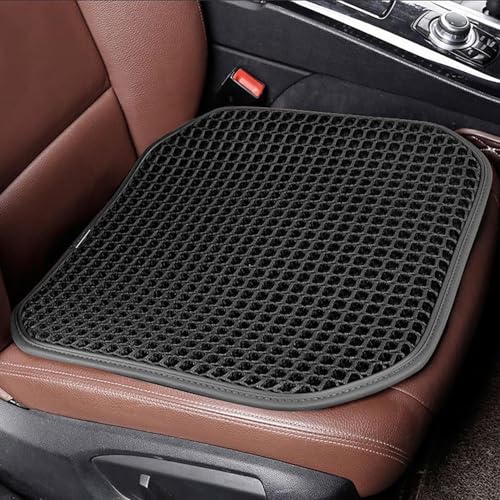
Unapproved aftermarket products pose a significant risk because they can compress during a crash, creating slack in the harness. This slack can lead to the child being ejected from the seat. Always check your car seat’s manual before purchasing or using any accessory. If you are unsure, it’s always safer to go without.
FAQs About how to keep infant car seat cool
Are light-colored car seats really cooler than dark ones?
Yes, a light-colored car seat will stay significantly cooler to the touch than a dark one. Dark colors absorb more light energy and convert it into heat. Lighter colors like gray, silver, or beige reflect more of that energy. Choosing a car seat with a lighter fabric can make a noticeable difference in the surface temperature, especially on parts left in direct sunlight.
Can I use ice packs to cool a car seat?
You can use ice packs to cool down an empty car seat, but they should never be placed in the seat with your baby. A good strategy is to place a towel-wrapped ice pack or a dedicated car seat cooler with frozen gel packs on the empty seat while you’re parked. You must always remove the pack before you buckle your baby in.
Is it safe to cover my infant’s car seat with a blanket to block the sun?
No, you must never cover an occupied infant car seat with a blanket or any other item that restricts airflow. This is extremely dangerous. While it blocks the sun, it also traps hot air and carbon dioxide, significantly increasing the risk of overheating and even suffocation. A much safer alternative is to use window cling sunshades to block UV rays.
How can I tell if the car seat buckles are too hot?
Always test the metal and plastic parts of the car seat with the back of your hand before placing your baby in the seat. Buckle tongues, harness clips, and other components can get extremely hot in direct sun and can cause serious burns on sensitive skin. If a part feels hot to you, let it cool down in the A/C for a few minutes before it touches your baby.
What is a “car seat cooler” and is it safe?
A “car seat cooler” typically refers to a liner filled with frozen gel packs designed to be placed on an empty car seat to cool it down while parked. These products are considered safe to use as long as they are always removed from the seat before the baby is put in. Do not confuse these with “cooling pads” that are marketed for use while the baby is in the seat, as most of those are not crash-tested and are unsafe.
My baby always has a sweaty back after a car ride. What can I do?
A sweaty back is a classic sign of poor airflow and trapped heat. First, ensure your baby is not overdressed; a single layer of cotton is usually enough. Second, you can consider using a breathable 3D mesh liner that has been crash-tested and is approved by your car seat manufacturer. These liners create a small air gap to promote circulation between your baby and the seat. Also, remember to point the A/C vents upward to circulate air to the back.
Do those battery-operated fans for strollers work in the car?
They can be used, but with extreme caution. If you choose to use a portable fan, it must be lightweight, have soft foam or fabric blades, and be securely attached where it cannot become a projectile in a crash or sudden stop. Never clip it where it could fall on the baby. Improving your car’s built-in ventilation is a safer first choice.
How should I dress my baby for the car in hot weather?
Dress your baby in a single, loose-fitting layer of a lightweight, breathable fabric like cotton, linen, or bamboo. Think about what you would be comfortable wearing, and then dress the baby similarly or even a little lighter. It is always better for them to be slightly cool than to risk overheating. Skip socks and hats while in the car.
Is it okay to tint my car windows to keep my baby cool?
Yes, window tinting is a very effective way to reduce interior heat and block harmful UV rays, but you must follow your state’s laws. Different states have specific regulations on how dark the tint can be and which windows can be legally tinted. A professional-grade ceramic tint can provide excellent heat rejection without being overly dark, but always check local laws first.
What’s the most important thing to AVOID when trying to keep a car seat cool?
Never use any product that goes underneath your baby or through the harness straps unless it was made and approved by the car seat manufacturer for that specific seat. This includes all thick inserts, mats, pillows, or homemade solutions. These unapproved items can compress in a crash, creating dangerous slack in the harness and dramatically increasing the risk of severe injury. Your child’s safety is always more important than a bit of extra coolness.
Key Takeaways: How to Keep Infant Car Seat Cool Summary
Here is a summary of the most important, expert-vetted points to remember for keeping your infant’s car seat cool and safe.
- Safety Over Coolness is Paramount – Never use an aftermarket product like a cooling pad that interferes with the car seat harness unless it is explicitly approved by the car seat manufacturer, as this can be extremely dangerous in a crash.
- Prevention is the Best Medicine – The most effective methods are proactive: park in the shade, use a reflective windshield sunshade, and cover the empty seat with a light-colored towel to prevent it from getting hot in the first place.
- Optimize Your Car’s Airflow – To cool a rear-facing baby, point your car’s front air vents up towards the ceiling. This helps circulate cool air to the back seat instead of blowing it uselessly at the front seats.
- Dress for Success – A baby’s clothing is a key cooling tool. A single, loose-fitting layer of a breathable, natural fabric like cotton is far better than multiple layers or synthetic materials that trap heat.
- Never Cover an Occupied Seat – Covering a carrier with a blanket, even a thin one, traps hot air and reduces oxygen, creating a dangerous risk of overheating and suffocation. Use window shades instead.
- Distinguish Between Parked and Driving Solutions – Products like ice-pack coolers are great for cooling an empty seat while you’re away from the car, while breathable mesh liners and proper A/C use are for keeping the baby cool during the drive.
- Check for Overheating Signs – Know the symptoms of heat distress in an infant, such as flushed red skin, rapid breathing, unusual fussiness, or lethargy, and act quickly to cool them down if you see them.
Final Thoughts on Keeping Your Infant Car Seat Cool
Ultimately, keeping your infant car seat cool is about creating a system of smart, proactive habits rather than relying on a single gadget. It’s a matter of proactive planning and prioritizing safety-certified solutions to protect your child from heat-related risks. By combining preventative measures like strategic parking with smart in-car practices and safe product choices, you can ensure every ride is comfortable and, most importantly, secure. You now have a complete, expert-approved toolkit to confidently navigate hot weather with your little one.
Last update on 2026-02-28 / Affiliate links / Images from Amazon Product Advertising API


