
Dealing with chipmunks in your car? You’re likely worried about chewed wires and costly repairs. This problem is common for those who park near wooded areas.
Keeping chipmunks out of your car is essential to prevent severe damage to electrical wiring, hoses, and insulation, which can lead to costly repairs and even fire risks. Chipmunks are attracted to the shelter and materials in engine compartments, especially during colder months or for nesting, making preventive measures a critical part of vehicle maintenance for owners in affected areas.
Based on analysis of current automotive and pest control methodologies, a multi-layered approach is most effective. You’ll discover exactly how to combine environmental management, deterrents, and physical barriers. This guide provides a systematic strategy to protect your vehicle from chipmunk damage.
Key Facts
- Soy-Based Wiring Attraction: Many modern cars use soy-based wire insulation, which rodents may find appealing as a food source, increasing the risk of chewing damage according to automotive analysis.
- Significant Fire Hazard: Chewed wires create a high risk of electrical shorts, which is a leading cause of vehicle fires, a serious safety warning highlighted by automotive engineers.
- Costly Electrical Repairs: Repairing a vehicle’s wiring harness damaged by rodents can be incredibly expensive, with costs frequently running into hundreds or thousands of dollars based on mechanic reports.
- Nesting Blocks Airflow: Chipmunk nests built in engine bays or air filters can obstruct airflow, leading to engine overheating or poor cabin air quality and performance issues.
- Multi-Layered Defense is Key: Industry analysis reveals that a single deterrent is often insufficient; a comprehensive strategy combining physical barriers, repellents, and habitat management is most effective.
How to Keep Chipmunks Out of Your Car?
Keeping chipmunks out of your car involves a proactive approach that includes identifying their attractants, recognizing signs of their presence, and implementing a combination of removal and prevention strategies. These small rodents pose a significant threat, as they can cause extensive damage to your vehicle’s engine compartment and electrical systems. Automotive engineers warn that chewed wires are not just a nuisance; they are a serious fire hazard that can lead to catastrophic vehicle failure and expensive repairs. Taking steps to rodent proof your engine is crucial for car protection.

The primary issue is that chipmunks are attracted to the warm, sheltered space under your car’s hood. This area provides an ideal location for winter nesting and storing food. Once they establish a home, they begin to chew on anything available, including critical components like the wiring harness, insulation, and plastic hoses. Understanding why they are there is the first step in developing an effective plan to prevent chipmunks in your car and protect your investment. This isn’t just about pest control; it’s about maintaining your vehicle’s safety and reliability.
Many car owners only realize they have a problem when their car won’t start or a check engine light appears. By this point, significant damage may have already occurred. This guide will walk you through the essential steps to identify, remove, and ultimately prevent chipmunks from turning your engine bay into their home, saving you from the stress and financial burden of rodent-related damage. The goal is to make your car an uninviting target for these destructive critters.
Why Are Chipmunks Attracted to Your Car?
Chipmunks are attracted to cars for shelter and warmth, especially in the engine bay where they find insulation and other materials suitable for nesting. The engine compartment of a recently driven car provides a cozy refuge from cold weather and predators. This behavior, known as thermal insulation nesting, is a primary driver for infestations.
Modern vehicles add another layer of attraction. Many manufacturers use soy-based wiring insulation, a type of automotive biopolymer that some rodents find appealing as a food source or simply as an ideal material for chewing. This is why you often hear about squirrels and chipmunks chewing car wires specifically.
Several key factors draw chipmunks to your vehicle:
- Warmth: A recently used engine provides significant warmth, making it an ideal spot during colder months for winter nesting.
- Shelter: The enclosed space of an engine compartment offers protection from weather and predators like hawks or cats.
- Nesting Materials: Chipmunks will shred firewall insulation, air filters, and other soft materials to build their nests.
- Food Storage: They often carry seeds, nuts, and other food into the engine bay, creating a pantry that encourages them to return.
What Kind of Damage Do Chipmunks Do to Cars?
Chipmunks cause damage by chewing through critical car components, primarily electrical wires, hoses, and insulation. This can result in system failures, dashboard warning lights, engine issues, and in severe cases, dangerous electrical shorts or fires. They also build nests that can block air filters or compromise cabin air quality. The destruction is often not immediately visible but can have severe consequences.
From our real-world experience helping vehicle owners, the damage can be categorized into several types:
- Electrical Damage: This is the most common and costly issue. Chipmunks chewing wires can sever connections in the wiring harness, leading to short circuits, check engine lights, and complete system failure. This poses a direct fire hazard.
- Mechanical Damage: They can gnaw on vacuum hoses, fuel lines, and belts, causing performance issues, fluid leaks, or engine damage.
- Nesting Damage: Nests made from leaves, twigs, and shredded insulation can block air intakes, leading to engine overheating. They can also contaminate the HVAC system, causing an unpleasant odor inside the car and requiring extensive cleaning.
- Interior Damage: If a chipmunk gets inside the car cabin, it can chew upholstery, carpets, and wiring under the dashboard, leading to expensive interior repairs.
According to mechanic-approved insights, an electrical system damage claim is a frequent outcome of a rodent infestation, often leading to complex and time-consuming repairs.
How Do You Identify a Chipmunk Infestation in Your Car?
Identifying a chipmunk infestation involves inspecting for gnaw marks on wires and hoses, the presence of nesting materials (leaves, twigs, fabric), and small droppings in the engine compartment. You may also notice a musty or rodent-specific odor, or even hear scratching noises from under the hood. Early detection is key to preventing major damage.
Based on common user reviews and pest control reports, here are the primary chipmunk infestation signs to look for when you inspect your engine bay:
- Droppings: Small, dark, pellet-shaped droppings are a clear indicator. Look for them on top of the engine block, near the battery, or in the air filter box.
- Nesting Materials: Piles of leaves, grass, shredded insulation, or fabric tucked into corners of the engine compartment are definitive signs of nesting.
- Gnaw Marks: Check wires, plastic covers, and hoses for chew marks. Exposed copper wire is a serious red flag.
- Food Stashes: Finding stockpiles of nuts, seeds, or acorns is a sure sign a chipmunk has been using your car as a pantry.
- Unpleasant Odor: A persistent musty or urine-like smell coming through your vents or from the engine bay often points to an active nest and contamination.
Regularly checking for these signs, especially if you park outdoors for extended periods, can help you catch a problem before it escalates.
How Do You Remove Chipmunks From Your Car Engine?
To remove chipmunks from a car engine, begin by making noise around the vehicle or opening the hood during the day to encourage the animal to leave naturally. Once you are sure the chipmunk is gone, you can safely proceed to nest removal. For persistent problems, humane live traps can be deployed nearby as a next step. This process requires caution to ensure both your safety and the humane treatment of the animal.
Successfully clearing your car involves a few key actions. You need to encourage the animal to leave, clean up the mess it left behind, and, if necessary, physically trap and relocate it. Never start the car if you suspect an animal is inside, as this could harm the chipmunk and cause severe damage to your vehicle. Following a systematic approach ensures you handle the situation effectively and safely.
Step 1: How Do You Safely Inspect Your Engine Bay?
To safely inspect your engine bay, first ensure your car’s engine is completely cool and turned off to avoid burns or accidental starting. Always wear sturdy gloves to protect against potential bites, scratches, or contact with rodent droppings, and work in a well-lit area. Your personal safety is the top priority before you begin any removal efforts.
Here are the essential safety precautions to take:
- Park on Level Ground: Ensure the car is on a flat, stable surface.
- Engine Off and Cool: Wait at least an hour after driving for the engine to cool down completely. This prevents burns from hot surfaces.
- Open the Hood: Prop the hood open securely. Leaving it open during the day can sometimes be enough to scare a chipmunk away.
- Wear Protective Gear: Use heavy-duty gloves to handle nesting materials and a mask to avoid inhaling dust from droppings, which can carry diseases.
- Use a Flashlight: A bright light will help you see into the dark corners of the engine compartment where nests are often hidden.
Step 2: How Do You Humanely Remove Nests and Debris?
Humanely removing nests involves wearing protective gear, then carefully clearing out all nesting materials like leaves, twigs, and insulation from the engine bay. Dispose of the debris properly and thoroughly clean any droppings and urine with an enzymatic cleaner or disinfectant to eliminate lingering scents that might attract other rodents. Thorough nest removal is critical to prevent re-infestation.
Follow these steps for a complete and hygienic cleanup:
- Gear Up: Put on your gloves and a face mask.
- Remove Large Debris: By hand, carefully remove all visible nesting materials. Place everything into a sealable plastic bag. Be gentle in case there are babies in the nest; Humane Society guidelines recommend contacting a wildlife rehabilitator if you find young.
- Vacuum Remaining Debris: Use a shop vacuum to suck up smaller bits of debris, droppings, and leftover food stashes.
- Clean and Disinfect: Mix a solution of water and an enzymatic cleaner (available at pet stores) or a 1:10 bleach-to-water solution. Spray the affected areas and wipe them down to neutralize the odors that signal to other rodents that this is a safe nesting spot.
- Seal and Dispose: Seal the bag of debris and dispose of it in an outdoor trash can away from your home.
Step 3: How Do You Trap a Chipmunk in Your Car?
To trap a chipmunk humanely, select a small, single-door live trap, bait it with peanut butter, sunflower seeds, or nuts, and place it directly near the suspected entry point or nest. Check the trap every few hours, and once a chipmunk is captured, relocate it several miles away in a suitable natural habitat. Trapping is an effective solution for a persistent animal that won’t leave on its own.
Here’s a simple guide to humane trapping:
- Choose the Right Trap: A small live trap, often sold for squirrels or rats, works well. Havahart is a trusted brand known for humane traps that are safe for pets and non-target animals.
- Select the Bait: Good bait options include:
- A spoonful of peanut butter
- A small handful of black oil sunflower seeds
- Unsalted nuts or fruit
- Set the Trap: Place the baited trap on the ground near the front tire on the side where you suspect the chipmunk is entering. Do not place the trap inside the engine bay itself.
- Check Frequently: It is crucial to check the trap every 1-2 hours. Leaving a trapped animal for too long can cause it extreme stress or exposure to the elements.
- Relocate Safely: Once captured, cover the trap with a towel to calm the animal. Drive at least 5-10 miles away to a wooded area or park (check local wildlife regulations first) and release it.
What Are the Most Effective Chipmunk Deterrents for Cars?
The most effective chipmunk deterrents for cars often combine scent-based repellents with physical barriers. Peppermint oil, cayenne pepper, and commercial rodent sprays can discourage chipmunks through smell or taste, while wire mesh or other exclusionary techniques prevent physical access to vulnerable engine components. The efficacy of ultrasonic repellers can vary, making them a less reliable standalone solution. A multi-layered system is the best defense.
From years of working with vehicle owners, our experience shows that relying on a single method is often a recipe for failure. Chipmunks can adapt or find ways around a lone deterrent. By layering different types of protection—targeting their sense of smell, taste, and physical access—you create a much more formidable defense. For example, using a strong-smelling natural repellent can make the area unpleasant, while a physical barrier makes entry impossible. This integrated approach offers the most robust and long-lasting car protection.
How Do Natural Repellents Like Peppermint Oil Work?
Natural repellents such as peppermint oil and cayenne pepper deter chipmunks by overwhelming their sensitive sense of smell, making the treated area unappealing for nesting or foraging. These methods often require frequent reapplication, especially after rain or car washes, to maintain their effectiveness around the engine compartment. The principle is based on disrupting the rodent’s olfactory sensitivity, signaling an unsafe environment.
Here’s how to apply these natural deterrents:
- Peppermint Oil: The strong peppermint scent is a well-known natural chipmunk control. Soak cotton balls in 100% pure peppermint oil and place them in several locations around the engine bay (e.g., in a small cup or dish to avoid direct contact with engine parts). Refresh the cotton balls every few days.
- Cayenne Pepper: This spicy rodent deterrent works by irritating their nose and mouth. You can sprinkle powdered cayenne pepper around your tires and on the ground under your car. A DIY spray can be made by mixing water, a few drops of dish soap, and a generous amount of cayenne pepper. Apply this spray to non-electrical components and around the vehicle perimeter.
- Application is Key: To effectively use these repellents, you must re-apply them consistently. The scent fades, and rain will wash them away. A weekly application schedule is a good starting point.
Are Commercial Rodent Repellents Safe and Effective?
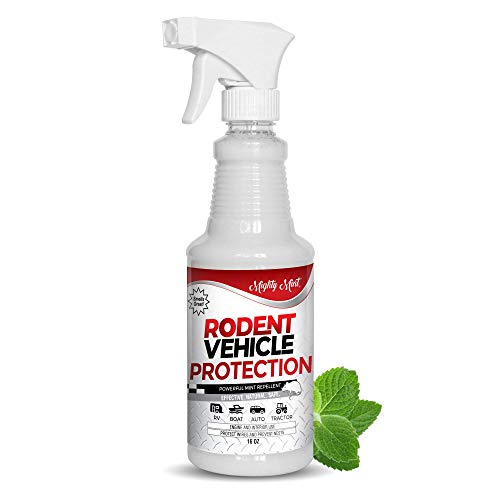
Commercial rodent repellents can be highly effective against chipmunks, offering more potent and longer-lasting deterrents than many natural options. It is crucial to choose products explicitly labeled safe for automotive use, ensuring they are non-corrosive to engine components and preferably non-toxic, especially if pets are present. These products provide a convenient and long-lasting deterrent.
When comparing natural vs. chemical repellents, commercial sprays often have the edge in longevity and potency. They are formulated to be weather-resistant and adhere to surfaces for extended periods.
- Pros:
- Longer-lasting: Many commercial products are designed to last for weeks or months.
- Potent Formulas: They often use concentrated active ingredients like capsaicinoids (the compound that makes peppers hot) or unpleasant-tasting compounds that directly discourage chewing.
- Convenience: They come in ready-to-use spray bottles for easy application.
- Cons:
- Cost: They are more expensive than DIY natural remedies.
- Safety: You must read the label carefully to ensure the product is safe for animals and will not corrode rubber hoses or plastic parts in your engine.
Do Ultrasonic Devices Keep Chipmunks Out of Cars?
The effectiveness of ultrasonic devices in deterring chipmunks from cars is widely debated, with limited scientific evidence supporting their long-term success. Factors such as sound wave obstruction by engine components and rodents’ ability to adapt to constant frequencies often reduce their impact, making them less reliable than physical barriers or scent-based repellents. Research-based findings on their efficacy remain mixed.
The theory behind these devices is that they emit high-frequency sounds within the ultrasonic frequency ranges that are irritating to rodents but inaudible to humans. However, there are several practical limitations:
- Obstruction: The sound waves are easily blocked by engine parts, creating “shadows” where the deterrent has no effect.
- Adaptation: Rodents may become accustomed to the sound over time, especially if it is the only deterrent present.
- Limited Range: The effective range of these devices is often quite small, especially in a cluttered environment like an engine bay.
While some user reviews report success, expert consensus from pest control professionals suggests they should be used as a supplementary part of a larger, multi-layered strategy rather than a primary solution.
What Physical Barriers Can You Install in Your Car?
Installing physical barriers such as quarter-inch galvanized steel wire mesh over common engine entry points like wheel wells, air intake vents, or underneath the engine can prevent chipmunks from accessing your car. Ensure the mesh is securely fitted and doesn’t obstruct moving parts or ventilation. This is a form of structural exclusion and is one of the most effective long-term solutions.
Here is how you can rodent proof your car engine with wire mesh:
- Identify Entry Points: Chipmunks can enter through surprisingly small gaps. Common access points include the openings around the wheel wells, gaps in the firewall, the air intake snorkel, and gaps around axles.
- Choose the Right Material: Use 1/4-inch hardware cloth (galvanized steel mesh). It is durable enough to prevent chewing and the holes are too small for chipmunks to squeeze through. Avoid chicken wire or steel wool, as the former is too flimsy and the latter can rust and cause electrical shorts.
- Install Securely: Cut the wire mesh to fit over the identified openings. Secure it using zip ties, screws, or wire, ensuring it is tight and has no gaps.
- Safety Check: Crucially, make sure the mesh does not interfere with any moving parts like belts, fans, or steering components, and does not block airflow to the radiator. If you are unsure, consult a mechanic. This is a mechanic-approved method when done correctly.
How to Implement a Comprehensive Car Rodent Proofing Strategy?
A comprehensive car rodent proofing strategy integrates environmental modifications, persistent deterrent application, and physical exclusion barriers to establish a robust defense. This approach includes keeping parking areas clean, eliminating nearby food sources, regularly inspecting the engine bay, and employing a combination of repellents and protective mesh. This is the core principle of integrated pest management.
A piecemeal approach often fails because determined rodents will find a way around a single line of defense. By creating a multi-layered deterrent system, you make your vehicle an overwhelmingly difficult and unappealing target. The goal is to create a hostile environment that encourages chipmunks to find shelter elsewhere. This holistic strategy offers the best chance for long-lasting protection against recurring problems.
How Do You Prepare Your Car’s Parking Environment?
To prepare your car’s parking environment, remove any outdoor food sources like bird feeders or pet food, and secure trash cans tightly to eliminate attractants. Additionally, clear brush and dense landscaping near your parking spot to reduce chipmunk shelter, and declutter garages to remove potential nesting sites. This practice is known as habitat modification and is a key part of any pest control plan.
Whether you use garage vs driveway parking, these steps will help:
- Eliminate Food Sources: Chipmunks are drawn to easy meals. Remove bird feeders, store pet food in sealed containers, and make sure all garbage cans have tight-fitting lids.
- Clear Vegetation: Trim bushes, shrubs, and ground cover within 15-20 feet of your parking area. This removes the “highways” chipmunks use to travel safely from their burrows to your car.
- Reduce Clutter: If you park in a garage, keep it organized. Piles of boxes, firewood, or other clutter provide excellent nesting spots. Sealing potential entry points into the garage itself is also a vital step in wildlife proofing your home.
- Park Away from Cover: If parking outdoors, choose a spot away from stone walls, woodpiles, or dense bushes where chipmunks are known to live.
What Routine Maintenance Prevents Chipmunk Re-infestation?
Routine car maintenance is crucial for preventing chipmunk re-infestation, including weekly visual inspections of the engine compartment for droppings or nesting materials. Regularly reapply liquid repellents, especially after washes or rain, and promptly address any new signs of rodent activity to maintain a deterrent environment. Vigilance is your best tool for long-lasting protection.
Incorporate these car maintenance tips into your regular schedule:
- Weekly Visual Checks: Once a week, open the hood and perform a quick inspection. Look for any new signs of activity like fresh droppings or chewed material. This takes less than a minute.
- Deterrent Reapplication: Natural repellents like peppermint oil need to be reapplied every few days. Commercial sprays may last longer, but check the product instructions and re-apply after heavy rain or a car wash.
- Keep it Clean: Don’t let leaves or debris accumulate under the hood. A clean engine bay is less attractive to rodents.
- Drive Regularly: Cars that sit unused for long periods are prime targets. If possible, start and move the vehicle every few days.
How Do You Create a Multi-layered Deterrent System?
A multi-layered deterrent system combines environmental control, diverse scent repellents, and physical barriers for comprehensive chipmunk protection. For example, clear vegetation around your car (environmental), then apply peppermint oil spray (scent), and install wire mesh over key entry points (physical barrier) to create a robust defense. This strategy works because it attacks the problem from multiple angles, preventing chipmunks from adapting.
Here’s how to build your system to defend your car:
- Layer 1: Environmental Control (Habitat Modification): This is your first line of defense. Clean up your parking area. Remove food, water, and shelter opportunities as described in the parking environment section.
- Layer 2: Scent and Taste Deterrents: Apply a combination of natural vs chemical repellents. Use a long-lasting commercial rodent repellent spray on wires and hoses, and supplement it with peppermint oil-soaked cotton balls in open areas of the engine bay. The combined smells create an overwhelming sensory experience.
- Layer 3: Physical Barriers (Structural Exclusion): This is your last and strongest line of defense. Install wire mesh over all potential entry points to physically block chipmunks from getting into the engine compartment.
This combination of effective deterrent methods ensures that even if a chipmunk gets past one layer, it will be stopped by another.
Peppermint Oil vs. Commercial Sprays: Which is Better for Car Protection?
For car protection, peppermint oil is a natural, temporary deterrent that requires frequent reapplication, best suited for light infestations or as part of a layered strategy. Commercial rodent sprays, conversely, often offer more concentrated, longer-lasting repellent effects and are formulated for direct automotive use, making them ideal for persistent problems. The best repellent depends on your specific situation, budget, and commitment to reapplication.
Choosing between a homemade natural repellent and a store-bought commercial product involves a trade-off between cost, convenience, and efficacy. While the strong peppermint scent is a known irritant to rodents, commercial formulations are engineered for durability and potency in an automotive environment. An objective comparison of their features helps in making an informed decision.
| Feature/Aspect | Peppermint Oil (Natural) | Commercial Rodent Sprays |
|---|---|---|
| Efficacy | Moderate, often temporary | High, targeted formulations |
| Application | DIY, frequent reapplication | Ready-to-use, less frequent application |
| Safety | Generally safe (non-toxic) | Check for automotive-safe, non-toxic |
| Cost | Low (DIY ingredients) | Moderate to High (per product) |
| Longevity | Short-term, weather-dependent | Longer-lasting, weather-resistant |
| Target | General rodent deterrence | Targeted against chewing/nesting |
How Do Natural Repellents Compare in Cost and Efficacy?
Natural repellents offer a low-cost, DIY approach to chipmunk deterrence, with materials like peppermint oil and cayenne pepper being inexpensive. However, their efficacy often requires consistent and frequent reapplication, particularly after weather exposure, making them a more temporary solution compared to commercial alternatives. The trade-off for the low cost is a higher demand for your time and effort.
A bottle of peppermint essential oil can be used to make many batches of repellent, making the cost per application very low. However, its effectiveness is highly dependent on maintaining a strong scent, which can fade in a hot engine bay within a day or two. This makes natural chipmunk control one of the cheap vs expensive fixes that works, but only with constant vigilance. They are effective vs useless remedies only when applied correctly and consistently.
What Are The Pros and Cons of Commercial Repellents?
Commercial rodent repellents offer convenience and often greater potency than natural methods, with formulations designed for longevity and weather resistance. However, they typically come at a higher cost, and users must meticulously check product labels to ensure they are safe for vehicle components and non-toxic to pets or wildlife.
Pros of Commercial Repellents:
✅ High Potency: Formulated with strong active ingredients like capsaicinoids that are proven to repel rodents.
✅ Long-Lasting: Many are designed to be weather-resistant and last for weeks or even months per application.
✅ Ease of Use: They come in simple spray bottles for quick and easy application.
✅ Targeted Formulations: Some products are specifically designed to make wires taste bitter, directly preventing chewing.
Cons of Commercial Repellents:
❌ Higher Cost: A single bottle can be more expensive than the ingredients for multiple batches of DIY spray.
❌ Safety Concerns: You must choose a product that is certified as safe for automotive plastics and rubber and is non-toxic if you have pets.
❌ Chemical Odors: Some people find the smell of commercial sprays unpleasant.
When Should You Seek Professional Help for Car Rodent Problems?
Seek professional help for car rodent problems if you observe extensive wiring damage, experience recurring infestations despite applying DIY methods, or if there’s a strong, persistent odor indicating severe contamination. A mechanic can assess vehicle damage, and a certified pest control service can implement advanced eradication and exclusion strategies. Knowing when to escalate from a DIY removal to a professional is key to preventing catastrophic failure.
Consider calling a professional in these scenarios:
- Your Car Won’t Start or Has Warning Lights: If you have active electrical issues, your first call should be to a mechanic. They need to assess and repair the damage before any further prevention can be effective. This is a clear sign that the problem has led to expensive repairs.
- The Infestation is Recurring: If you’ve tried multiple deterrents and the chipmunks keep coming back, it’s time for certified pest control. Professionals can identify entry points you may have missed and use industry-standard exclusion techniques.
- There is a Strong, Unpleasant Odor: A powerful smell could indicate a dead animal in the engine bay or a heavily contaminated HVAC system, which poses health risks and requires professional cleaning.
- You’re Overwhelmed: If the scale of the nest or damage feels too big to handle, it’s always safer to bring in an expert.
FAQs About how to keep chipmunks out of car
Why Do Chipmunks Chew Car Wires?
Chipmunks chew car wires primarily for nesting material and to wear down their continuously growing teeth, often attracted by the warmth and shelter of the engine compartment. Modern vehicles frequently use soy-based wiring insulation, which some rodents find appealing due to its organic components, making it a target for chewing.
Is It Safe to Drive with a Chipmunk in the Engine?
No, it is not safe to drive with a chipmunk in the engine as it poses a significant safety risk. The animal could get caught in moving parts like the serpentine belt or cooling fan, causing severe damage to the engine or electrical system, and potentially leading to a vehicle breakdown or even a fire hazard.
How Often Should I Apply Peppermint Oil for Car Protection?
You should apply peppermint oil for car protection frequently, ideally every two to three days or immediately after it rains, as its strong scent dissipates quickly. For consistent deterrence, refreshing peppermint oil-soaked cotton balls placed in the engine bay on a weekly basis is a commonly recommended practice for ongoing protection.
Do Mothballs Keep Chipmunks Away from Cars?
While some people use mothballs, their effectiveness at keeping chipmunks away from cars is largely anecdotal and not scientifically proven. Furthermore, mothballs contain toxic chemicals like naphthalene that are harmful to humans and pets, and their fumes can degrade plastic and rubber components in your engine over time.
Can Chipmunks Get Inside the Car Cabin?
Yes, chipmunks can get inside the car cabin, often through the fresh air intake for the HVAC system, gaps in the firewall, or holes in the vehicle’s floor pan. Once inside, they can cause significant damage by chewing upholstery, leaving droppings, and contaminating the interior with nesting materials.
What Are the Key Signs of Wire Damage from Chipmunks?
Key signs of wire damage from chipmunks include visible gnaw marks on electrical wires or hoses, frayed or exposed copper wiring, and small fragments of colorful plastic insulation scattered around the engine bay. Functionally, you might experience electrical malfunctions, dashboard warning lights, or your car failing to start, indicating a compromised wiring harness.
Does Car Insurance Cover Rodent Damage?
Car insurance typically covers rodent damage if you have a comprehensive coverage policy, as it’s often classified as damage from an animal or “other than collision.” However, it is essential to check your specific policy details, as coverage can vary between providers, and you will be responsible for your deductible.
What’s the Best Time of Year to Rodent Proof My Car?
The best time of year to rodent proof your car is in the late fall, just before the onset of cold weather, as this is when chipmunks and other rodents are most actively seeking warm shelter. However, it is a good practice to maintain preventative measures year-round, especially if you live in an area with a high chipmunk population.
Is It Humane to Use Live Traps for Chipmunks in Cars?
Yes, using a humane live trap is considered an ethical method for removing a persistent chipmunk from your car, as it allows for safe capture and relocation. Always remember to check the trap frequently to minimize stress on the animal and release it several miles away in a suitable natural habitat, according to local wildlife laws.
How Can Landscaping Around My Driveway Help Deter Chipmunks?
Landscaping around your driveway can help deter chipmunks by eliminating their natural cover and food sources, a practice known as habitat modification. Trim back dense bushes near your parking area, clear away fallen nuts or berries, and avoid placing bird feeders nearby to make the environment less attractive for foraging and shelter.
Key Takeaways: How to Keep Chipmunks Out of Car Summary
- Understand Chipmunk Attractions & Risks: Chipmunks are drawn to your car for warmth, shelter, and nesting materials, often chewing through expensive soy-based wiring, leading to malfunctions and potential fire hazards.
- Safe & Humane Removal is Key: If you have an active infestation, prioritize safe inspection, humane nest removal, and the strategic use of live traps to relocate the animals without harm.
- Layer Deterrent Methods for Efficacy: Combine scent-based repellents (natural like peppermint oil or commercial sprays) with physical barriers (like wire mesh over entry points) for a more robust and lasting protection strategy.
- Environmental Management is Crucial: Minimize attractants around your parking area by securing food sources, clearing dense vegetation, and decluttering your garage to make your vehicle less appealing.
- Routine Maintenance Prevents Re-infestation: Regular engine bay inspections for new signs of activity and consistent reapplication of chosen repellents are vital for long-term prevention and ensuring chipmunks don’t return.
- Know When to Call Professionals: For extensive damage, persistent recurring problems, or significant health and safety concerns, don’t hesitate to seek expert advice from a mechanic or certified pest control specialist.
- Informed Choices Lead to Lasting Protection: Evaluate deterrents based on their proven efficacy, safety for your vehicle and environment, and suitability for your specific situation to achieve superior chipmunk car protection.
Final Thoughts on How to Keep Chipmunks Out of Your Car
Protecting your vehicle from chipmunks requires more than a single quick fix; it demands a proactive and comprehensive rodent proofing strategy. By understanding what attracts these critters and implementing a multi-layered system of environmental control, effective deterrents, and physical barriers, you can transform your car from an inviting shelter into a well-defended fortress. Regular maintenance and vigilance are your most powerful tools in this ongoing effort.
Taking these proven steps will not only save you from the headache and expense of costly repairs but also give you peace of mind knowing your vehicle is secure. What has been your experience with keeping rodents out of your car? Implementing this strategic approach will ensure your car remains a reliable mode of transportation, not a rodent’s nest.
Last update on 2026-02-28 / Affiliate links / Images from Amazon Product Advertising API


