Struggling with how to keep cats off your car at night? You’re not alone. Waking up to find tiny, muddy paw prints or, even worse, new scratches on your car’s clean paint is a common frustration for many vehicle owners.
The most effective ways to keep cats off your car at night involve making the area undesirable or inaccessible. This includes using humane scent deterrents like citrus or commercial sprays, creating physical barriers with a car cover, or installing motion-activated devices like ultrasonic repellers. Combining these non-destructive methods provides the best protection for your vehicle.
Based on an analysis of proven, tested methods, this guide provides only humane and safe solutions. You will discover exactly how to protect your prized possession without harming these furry visitors. We’ll cover everything from simple home remedies to permanent solutions, ensuring your car remains scratch-free.
Key Facts
- Warmth is the Primary Attractor: Cats are drawn to car engines for warmth, a behavior known as thermoregulation; a recently driven car can provide life-saving heat on a cold night.
- Paint Damage is a Real Risk: A cat’s claws, even when not intentionally used for scratching, can easily leave fine, permanent marks in your vehicle’s clear coat as they jump on or slide off.
- Scent is a Powerful Deterrent: Cats have highly sensitive noses, making strong smells like citrus, cayenne pepper, and lavender effective, non-toxic repellents when placed around the vehicle.
- Physical Barriers Offer Guaranteed Protection: A full car cover is the most surefire method to prevent cats from touching your car’s surface, completely eliminating the risk of paw prints and scratches.
- Winter Safety Checks are Crucial: Before starting your car in cold weather, it is a critical safety measure to bang on the hood to give any cats hiding in the warm engine bay a chance to escape unharmed.
How Do You Keep Cats Off Your Car At Night?
To keep cats off your car at night, you can use a combination of scent-based repellents like citrus peels, physical barriers such as a car cover, or motion-activated deterrents like ultrasonic devices. The most effective approaches are humane and do not damage the vehicle’s paint. For your safety and the animal’s, checking for cats before starting your car, especially in winter, is a crucial habit to develop.
It is incredibly frustrating to find your clean car covered in muddy paw prints or new cat scratches. You want to protect your vehicle, but you also don’t want to harm any animals, whether they are stray cats or a neighbor’s wandering pet. This guide is built on a commitment to methods that are safe for animals and effective for car paint protection. But how do you protect your prized possession without harming these furry visitors? First, you have to understand why they are there.

This guide provides a comprehensive overview of humane solutions. We’ll explore everything from simple DIY remedies using household items to more advanced technological deterrents. By understanding the “why” behind a cat’s behavior, you can choose the most logical and effective method for your situation, ensuring both your car’s safety and the well-being of local felines. The goal is to make your car an unappealing resting spot, encouraging them to find shelter elsewhere.
Why Do Cats Sleep on Car Hoods at Night?
Cats are drawn to car hoods for two main reasons: warmth and height. A recently used car engine provides significant residual heat, creating a warm, comfortable resting spot, especially on cold nights. The car’s height also offers a strategic vantage point, allowing the cat to feel safe and survey its surroundings.
Understanding the “why” behind this feline behavior is the first step toward finding an effective solution. It’s not random; cats are acting on powerful, natural instincts. Here’s a breakdown of the key motivators:
- Warmth and Thermoregulation: Cats need to maintain their body temperature, a process called thermoregulation. A car engine that has been running stays warm for hours, acting as a free, life-saving heating pad on a chilly night. This makes the car hood an irresistible spot for a cozy nap.
- Height and Safety: Cats have strong territorial instincts. An elevated position, like the roof or hood of a car, provides a perfect vantage point. From here, they can watch for potential predators (like dogs) and prey while feeling secure and in control of their environment.
- Shelter and Security: A car can also offer a sense of shelter, especially if parked near a wall or under a carport. The space underneath the car or even within the engine bay can feel like a secure den, protected from wind and rain.
⚠ Safety First: Always Check Before You Drive
In cold weather, it is essential to check for cats before starting your engine. A few loud bangs on the hood or a quick kick of the tyres is usually enough to startle any animal hiding inside and give it a chance to escape. This simple action can prevent serious injury to the animal and expensive damage to your vehicle.
What Scents and Tastes Can You Use to Deter Cats from Your Car?
You can deter cats with smells they find unpleasant, such as citrus, spices, and specific herbs. Because cats have an incredibly sensitive sense of smell, strong odors can effectively make the area around your car unwelcoming without causing any harm. These scent-based deterrents are often a great first line of defense.
A list of effective, humane scent repellents includes:
1. Citrus Peels: Orange, lemon, or grapefruit.
2. Cayenne Pepper: Sprinkled lightly around the car.
3. Vinegar: A diluted solution sprayed on tires.
4. Coffee Grounds: The strong aroma is a deterrent.
5. Essential Oils: Lavender, peppermint, or eucalyptus (used with extreme caution).
6. Commercial Sprays: Products formulated specifically to repel pets.
Let’s explore how to use these natural vs. chemical repellents safely and effectively.
How Do You Use Citrus Peels as a Cat Repellent?
To use citrus peels [natural scent-based deterrents] as a cat repellent, you can follow a simple process that is both effective and safe for your vehicle’s paint. The strong scent of citrus is naturally unpleasant to cats.
Here is a step-by-step guide:
- Collect Fresh Peels: After eating an orange, lemon, or grapefruit, save the peels. Fresh peels have the strongest and most effective scent.
- Place Strategically: In the evening, place the fresh peels on the ground around your car. Focus on the areas near the tires and under the engine where cats are likely to approach.
- Avoid Direct Contact: Do not place acidic citrus peels directly on your car’s paint for extended periods, as the citric acid could potentially harm the clear coat. Placing them on the ground is just as effective and much safer for your finish.
- Replace Regularly: The peels will lose their scent as they dry out. For the best results, replace them every night or two.
Pro Tip: For easy cleanup, place the citrus peels in a small mesh bag. This contains the peels and allows you to simply pick up the bag in the morning without leaving a mess.
Are Commercial Cat Repellent Sprays a Better Option?
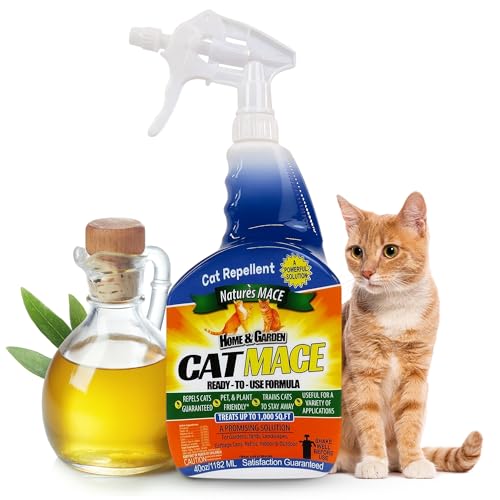
Commercial cat repellent sprays are often more convenient and longer-lasting than homemade remedies because they are professionally formulated and designed to be weather-resistant. Products like Nature’s Miracle Pet Block use scents that are unpleasant to cats but generally safe for both pets and car surfaces when used as directed.
Choosing between a DIY solution and a commercial product depends on your priorities.
- Pros of Commercial Sprays:
- Convenience: Quick and easy to apply.
- Longevity: Formulations are often designed to last longer and withstand light rain.
- Tested Formulas: Developed by experts to be effective without being harmful.
- Cons of Commercial Sprays:
- Cost: More expensive than using household items like citrus peels.
- Chemicals: Even non-toxic sprays contain chemicals; always read the label.
When choosing a commercial repellent, look for products with natural active ingredients and check user reviews. It’s always a good practice to test any spray on a small, inconspicuous area of your car first to ensure it doesn’t affect the paint.
How Can You Use Physical Barriers to Protect Your Car?
Physical barriers are one of the most effective ways to protect your car from cats, as they physically prevent access to the vehicle’s surface. A well-fitting car cover completely blocks cats from the paint and roof, while other options like humane spike mats make the surfaces uncomfortable to walk on.
If scent deterrents aren’t enough, creating a physical barrier is the next logical step. These methods offer more definitive protection against both paw prints and cat scratches.
Here are the best physical barrier options:
* A Custom-Fit Car Cover: This is the most effective solution. A cover creates a complete barrier, denying cats any access to your car’s hood, roof, or trunk. While it’s a bit of work to put on and take off daily, it offers 100% protection. Look for one with a soft inner lining to protect your paint.
* Plastic Spike Mats: These are humane mats with flexible plastic spikes that make a surface uncomfortable for a cat to stand or lie on. They don’t hurt the cat but effectively discourage them from settling down. You can place them on the hood and roof of your car at night.
* Aluminum Foil: A cheap and surprisingly effective temporary solution. Cats dislike the crinkly noise and the strange texture of aluminum foil under their paws. Simply lay a few large sheets on your car’s hood and roof.
* Garage or Carport Parking: The ultimate solution is to remove access entirely. Parking in a closed garage is foolproof. A carport also offers a significant deterrent as it reduces the “open-air” appeal of the car.
| Method | Effectiveness | Effort | Cost | Humaneness |
|---|---|---|---|---|
| Car Cover | High | Medium (Daily Use) | Medium | High |
| Spike Mats | Medium-High | Low | Low-Medium | High |
| Aluminum Foil | Medium | Low | Low | High |
| Garage/Carport | Very High | Very Low | High | High |
Do Motion-Activated and Ultrasonic Deterrents Actually Work?
Yes, motion-activated deterrents can be effective at keeping cats away, but their success often depends on the specific device, its placement, and the individual cat. These devices work by creating a sudden, startling event—like a burst of sound or water—that trains the cat to avoid the area over time.
For a “set it and forget it” approach, technology offers some clever solutions. These deterrents use sensors to detect movement and trigger a response that cats find unpleasant.
- Ultrasonic Repellers: These devices emit a high-frequency sound that is irritating and startling to cats but typically inaudible to most humans. When a cat approaches, the motion sensor triggers the ultrasonic sound, encouraging it to leave. Their effectiveness can be impacted by the cat’s age (older cats may have hearing loss) and ambient noise.
- Motion-Activated Sprinklers: This is one of the most effective deterrents. A sensor detects the cat and releases a short, harmless burst of water in its direction. Since most cats dislike being sprayed with water, this creates a strong negative association with the area around your car. The main drawback is that it requires a connection to a hose.
- Motion-Activated Lights: A sudden, bright floodlight can be enough to startle a timid or skittish cat, causing it to flee. This is often less effective on bold, urban cats who are accustomed to bright lights, but it can work in quieter, darker environments.
🛠 Buyer’s Guide: What to Look For
When considering an electronic deterrent, look for models with adjustable frequency (for ultrasonic devices), a wide sensor range, and weather-resistant housing. Battery-operated or solar-powered options offer the most flexibility for placement near your car.
FAQs About how to keep cats off your car at night
Do rubber snakes or plastic owls really scare cats?
While visual scare tactics can work initially, cats are intelligent and often learn to ignore stationary objects like plastic owls and rubber snakes. A cat might be startled the first one or two times it sees a rubber snake on a car hood, but if the “threat” never moves, the cat will realize it’s not real. For this method to have any lasting effect, you would need to move the decoy to a new position every single night.
Can cats scratch and damage car paint?
Yes, cats can definitely scratch car paint. While they aren’t intentionally trying to damage your vehicle, their claws can extend when they jump, stretch, or slide off a slick surface. These small, sharp claws are more than capable of leaving fine scratches and permanent marks in your car’s clear coat, which can be expensive to repair.
Are mothballs a safe way to keep cats off my car?
No, using mothballs is not a safe or recommended method. Mothballs contain toxic pesticides (naphthalene or paradichlorobenzene) that are harmful to cats, other wildlife, and even children if ingested. The fumes can also be noxious, and placing them on your car is an environmental hazard. It is best to stick to non-toxic, humane deterrents.
How do I clean cat paw prints off my car safely?
To clean paw prints, use a high-quality microfiber towel and a quick detailer spray. Avoid dry-wiping the prints, as any dirt or grit on the cat’s paws can act like sandpaper and scratch the paint. Spray the area generously with the detailer, allow it to lubricate the dirt, and then gently wipe it away with the clean microfiber towel.
Does aluminum foil keep cats away from cars?
Aluminum foil can be a surprisingly effective temporary deterrent. Cats generally dislike the crinkly sound it makes and the unfamiliar, reflective texture under their paws. You can place sheets of foil on the hood, roof, and trunk of your car overnight. While effective, it can be inconvenient to apply and remove daily and may blow away in the wind.
Is it important to check for cats before starting my car in winter?
Yes, it is critically important, especially in cold climates. Cats and other small animals often seek shelter from the cold inside a warm engine bay or on top of the tires. Before starting your car, always bang loudly on the hood and check around the wheels to give any hiding animal a chance to escape. This simple step can save an animal’s life.
Will a car alarm stop cats from getting on my car?
A standard car alarm is not an effective cat deterrent. Car alarms are typically triggered by impact or unauthorized entry, not by the light weight of a cat walking on the hood. While a very sensitive shock sensor might trigger the alarm, it’s not a reliable or practical method for keeping them away.
How can I stop a neighbor’s cat from getting on my car?
The best approach is a combination of deterrents and polite communication. Start by implementing the humane deterrents on this list, like a car cover or repellent sprays. If the problem persists, have a friendly conversation with your neighbor. They may not be aware of the issue and might be willing to help, for instance, by keeping their cat indoors at night.
What is the single most effective way to keep cats off a car?
Parking your car in a closed garage is the only 100% foolproof method. By removing access entirely, you eliminate the problem. If a garage isn’t an option, the next most effective method is consistently using a high-quality, well-fitting car cover. This creates a physical barrier that completely protects the vehicle’s surface.
Do commercial sprays harm my car’s paint?
Most reputable cat repellent sprays are formulated to be safe for automotive paint, but you should always check. Before applying any new product to your car, read the label to ensure it’s approved for automotive finishes. It is always a wise precaution to test the spray on a small, inconspicuous area first (like a low part of the bumper) to ensure there is no adverse reaction.
Key Takeaways: How to Keep Cats Off Your Car at Night Summary
- Understand the “Why”: Cats seek warmth, height, and safety, which is why your car’s warm hood is so appealing at night. Understanding this helps you choose deterrents that counter these instincts.
- Prioritize Humane & Safe Methods: Always choose non-toxic, humane deterrents. Avoid harmful chemicals like mothballs. The goal is to repel, not harm, the animals, while also protecting your car’s paint.
- Use Scent and Taste: Cats have sensitive noses. Use scents they dislike, such as citrus peels, cayenne pepper, or commercial repellent sprays, as a first line of defense.
- Physical Barriers are Most Effective: For guaranteed protection against scratches and paw prints, nothing beats a physical barrier. A garage is ideal, but a high-quality car cover is the next best thing.
- Tech Can Automate Deterrence: Motion-activated devices like ultrasonic repellers or water sprinklers can create a cat-free zone around your car, but their effectiveness can vary.
- Prevention is a Habit: Especially in winter, make it a habit to bang on your hood and check your wheel wells before starting your engine to ensure no animals are hiding inside.
- Combine Methods for Best Results: The most successful strategy often involves combining two or more methods, such as using a repellent spray in conjunction with a physical barrier.
Final Thoughts on How to Keep Cats Off Your Car at Night
Protecting your car from cats at night doesn’t have to be a constant battle. It’s an achievable goal that balances your need to prevent damage with a humane respect for animals. The key to success is consistency and finding the right combination of methods that works for your specific situation.
By understanding that cats are simply seeking warmth and safety, you can shift your strategy from frustration to prevention. Whether you start with simple scent repellents, invest in a durable car cover, or set up a motion-activated deterrent, you are taking proactive steps to make your vehicle a less attractive resting spot. Remember to be patient, as it may take a few days for the local feline population to learn to avoid your car. Which approach will you try first?
Last update on 2026-02-28 / Affiliate links / Images from Amazon Product Advertising API