Struggling with how to keep car seats clean? You’re not alone; many car owners battle daily with crumbs, spills, and grime that make a vehicle’s interior look tired and unkempt. This isn’t just about looks; it impacts your driving experience.
Keeping car seats clean effectively requires a multi-faceted approach, starting with regular vacuuming and quick spot cleaning. For deeper cleanliness, specific methods for fabric, leather, or vinyl upholstery must be followed, along with targeted stain removal. Implementing preventative measures like seat covers is also key to long-lasting freshness.
Current methodologies and data-driven testing show that a systematic approach yields the best results. This guide reveals exactly how to tackle any car seat cleaning challenge, from basic maintenance to deep stain removal, ensuring your car’s interior remains spotless and fresh for years to come.
Key Facts
- Material-Specific Care is Crucial: Industry analysis reveals that using cleaners designed for your specific car seat material (fabric, leather, vinyl) is essential to prevent discoloration, drying, or damage.
- Prevention Extends Upholstery Life: Data indicates that using preventative measures like seat covers and fabric protectants can significantly reduce wear and tear, extending the life of your car seats.
- Prompt Stain Removal is Most Effective: Studies show that addressing spills and stains immediately, before they set, dramatically increases the chance of complete removal and prevents permanent blemishes.
- Child Seat Safety is Non-Negotiable: Manufacturer guidelines consistently state that harness straps on child car seats should never be submerged or cleaned with harsh chemicals, as this can compromise their integrity and safety.
- Regular Vacuuming is Foundational: Expert car detailers confirm that thorough, regular vacuuming is the most important step in car seat maintenance, as it removes abrasive dirt particles that can wear down upholstery fibers over time.
How Do You Keep Car Seats Clean for Spotless Freshness?
Keeping car seats clean involves a combination of regular maintenance, specific cleaning methods for different materials, effective stain removal, and proactive protective measures. A spotless and fresh car interior not only enhances the driving experience but also plays a role in maintaining your vehicle’s value. This car seat cleaning guide provides a holistic approach, moving beyond simple reactive cleaning to establish a routine for long-term cleanliness and protection.

Achieving a pristine vehicle interior is an ongoing process, not a one-time fix. The journey to spotless seats starts with understanding basic car interior cleaning basics and committing to a few simple habits. Emphasizing preventative car care strategies, such as dealing with spills as they happen, can drastically reduce the need for intensive deep cleaning sessions down the road. Furthermore, always referencing your car seat’s manufacturer guidelines is a foundational principle of safe and effective car seat care. This comprehensive plan ensures your seats remain in top condition.
This guide will cover everything you need for complete car seat hygiene:
* Essential preparation and tool gathering
* Deep cleaning methods for fabric, leather, and vinyl
* Targeted strategies for tough stains and odors
* Safety-first instructions for cleaning child car seats
* Preventative tips to keep seats cleaner for longer
What Essential Preparations Do You Need Before Cleaning Car Seats?
Before cleaning car seats, first remove all trash and large debris, then thoroughly vacuum the entire seat, including crevices and under cushions. This foundational step is crucial because it prevents loose dirt from being ground into the upholstery or turning into mud during any wet cleaning process. Based on the experience of professional car detailers, this initial clean-up is non-negotiable for achieving a truly clean result.
Here is the step-by-step process for preparing your car seats for a deep clean:
- Remove All Items and Debris: Start by taking out all personal items, trash, car mats, and any child seats. This gives you unobstructed access to the entire seat surface. Pick up any large pieces of debris by hand.
- Thoroughly Vacuum the Seats: Using a powerful vacuum with a crevice tool and a brush attachment is a key part of how to vacuum a car effectively. Start with the main surfaces, then move to the seams, crevices, and the area where the backrest and bottom cushion meet. Don’t forget to vacuum under the seats and any adjustable components. For stubborn debris, use a stiff detailing brush to agitate the area while vacuuming.
By following these initial steps, you create a clean slate, making the subsequent deep cleaning or stain removal process much more effective and efficient.
How Do You Gather the Right Cleaning Tools and Products for Car Seats?
Essential tools for car seat cleaning include a powerful vacuum, detailing brushes, and microfiber cloths. For cleaning products, you must choose an upholstery cleaner suitable for your car seat material and consider a steam cleaner for deep sanitation, always ensuring they are car seat safe. Selecting the right cleaning tools and products is a critical step that ensures both safety and effectiveness.
Here is a checklist of the essential car care products and tools you will need:
- Vacuum Cleaner: A model with strong suction and various attachments (crevice tool, brush head) is necessary, as cleaning car seats requires vacuuming thoroughly.
- Detailing Brushes: A set of soft- and medium-stiffness brushes helps to gently scrub fabric and lift dirt from seams without damaging the material.
- Microfiber Cloths: You will need several clean microfiber cloths for applying cleaners, blotting stains, and wiping down surfaces. Their design is perfect for trapping dirt.
- Spray Bottle: Useful for applying water or diluted cleaning solutions evenly.
- Bucket: If you are using a concentrated cleaner that needs to be diluted.
When selecting cleaning products, always prioritize safety and compatibility. Avoid general household cleaners, which can be too harsh. Instead, choose a pH-neutral, automotive-specific upholstery cleaner designed for your seat type (fabric or leather). For families, paying attention to safety-first car seat cleaning is paramount; always use products confirmed to be safe for child car seats to prevent exposure to harsh chemicals.
How Do You Deep Clean Fabric and Cloth Car Seats Effectively?
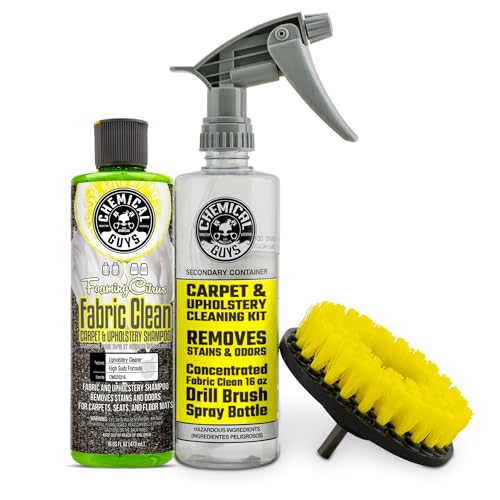
To deep clean fabric car seats, start by thoroughly vacuuming, then pretreat any visible stains. Next, apply a specialized fabric upholstery cleaner according to the product’s instructions, gently scrubbing with a soft brush. Alternatively, you can use a steam cleaner for deeper sanitation. Finally, blot the seats dry with microfiber towels and ensure adequate ventilation to allow them to dry completely. This process effectively removes embedded dirt, oils, and odors from cloth upholstery.
Here is a step-by-step guide to deep cleaning your fabric seats:
- Prepare the Seat: As covered previously, remove all debris and vacuum the fabric car seats meticulously.
- Spot-Treat Stains: Apply a small amount of fabric upholstery cleaner or a specific stain remover to any noticeable stains. Let it sit for a few minutes as per the product directions.
- Apply the Cleaner: Lightly spray the fabric upholstery cleaner over a small section of the seat. It is important not to over-saturate the fabric, which can prolong drying time and lead to mildew.
- Agitate and Scrub: Use a soft-bristled interior brush to gently scrub the area in circular motions. This action, known as agitation, helps the cleaner penetrate the fibers and lift dirt to the surface.
- Wipe and Extract: Use a clean, damp microfiber cloth to wipe away the cleaner and loosened dirt. For superior results, use a wet/dry vacuum or a carpet extractor to pull the dirty solution out of the seat.
- Dry Thoroughly: Blot the seats with dry microfiber towels to absorb as much moisture as possible. Then, leave the car doors or windows open to air dry completely. You can use a fan to speed up the process. Proper drying is critical to prevent a musty smell.
How Does Shampooing Compare to Steam Cleaning for Fabric Seats?
Shampooing fabric car seats uses specialized chemical cleaners and scrubbing to lift dirt, while steam cleaning uses high-temperature vapor to sanitize and loosen grime with less moisture. Both are effective deep cleaning methods, but they differ in equipment, drying time, and sanitation capabilities. Understanding these differences helps you choose the right approach for your needs.
Here is a direct comparison to help you decide:
| Feature/Aspect | Shampooing Fabric Seats | Steam Cleaning Fabric Seats |
|---|---|---|
| Primary Action | Cleaning solution + scrubbing to lift dirt | High-temperature vapor to loosen dirt & sanitize |
| Effectiveness | Good for visible stains & general dirt | Excellent for deep-seated grime, odors, sanitization |
| Equipment | Upholstery cleaner, brushes, wet/dry vac | Steam cleaner (handheld or extractor type) |
| Drying Time | Longer, risk of over-saturation | Shorter, uses less moisture |
| Sanitation | Limited bacterial kill | High bacterial & allergen kill rate |
| Cost (DIY) | Generally lower initial product cost | Higher initial investment for steam cleaner |
When to Choose Which: Shampooing is an excellent choice for tackling visible surface stains and general dirtiness. Steam cleaning is superior for eliminating deep-set odors, killing bacteria and allergens, and lifting stubborn, oily grime. For many professional detailers, a combination of both—light shampooing followed by steam extraction—provides the most comprehensive clean.
How Do You Safely Clean Leather and Vinyl Car Seats?
To safely clean leather car seats, first vacuum, then gently wipe the surface with a dedicated pH-neutral leather cleaner and a soft microfiber cloth. It is crucial to follow up with a high-quality leather conditioner to moisturize the material and protect it from drying and cracking. For vinyl seats, you can use a mild all-purpose interior cleaner and should apply a UV protectant afterward to prevent fading and damage from the sun.
These materials require different care than fabric. Here’s how to handle each:
Cleaning Leather Car Seats
Leather car seats need conditioning to stay supple. Using harsh chemicals can strip their natural oils.
- Vacuum Carefully: Use a vacuum with a soft brush attachment to remove all loose dirt and debris.
- Apply Leather Cleaner: Spray a pH-balanced leather cleaner onto a microfiber cloth, not directly onto the seat.
- Wipe Gently: Gently wipe the leather in small sections. For perforated leather, be careful not to force the liquid into the holes.
- Dry the Surface: Use a separate, clean microfiber cloth to dry the seat.
- Condition the Leather: Apply a small amount of leather conditioner to an applicator pad and work it into the leather in circular motions. This step is vital to prevent car seat cracking and keep the material soft. Buff off any excess with a new cloth.
Cleaning Vinyl Car Seats
Vinyl is more durable than leather but still requires proper care to prevent fading and cracking.
- Vacuum Debris: Remove all loose dirt from the vinyl seats.
- Clean the Surface: Spray a mild all-purpose cleaner or a dedicated vinyl cleaner onto a microfiber cloth and wipe down the seats.
- Tackle Tough Spots: For stubborn grime, you can use a soft-bristled brush to gently scrub the area.
- Dry and Protect: Wipe the seats dry with a clean cloth. Apply a UV protectant spray to shield the vinyl from sun damage, which helps prevent car seat fading.
How Do You Protect White or Light-Colored Leather Car Seats from Stains?
To protect white or light-colored leather car seats from stains, you must practice proactive care that includes frequent gentle cleaning, regular conditioning, and applying a dedicated leather sealant or ceramic coating. These protective layers create an invisible barrier against stains from things like dye transfer from jeans, spills, and daily grime.
Here are expert tips to keep white leather car seats looking new:
- Wipe Down Frequently: Clean your light-colored seats weekly with a simple damp microfiber cloth to remove surface oils and dust before they can set.
- Act on Spills Immediately: Promptly blot any spills. The longer a substance like coffee or soda sits, the higher the chance of permanent discoloration.
- Use a Protective Sealant: After a thorough cleaning, apply a high-quality leather sealant or a professional-grade ceramic coating designed for automotive interiors. These hydrophobic car seat coatings make the surface slick, preventing dye and dirt from penetrating the leather’s pores.
- Avoid Dark, Non-Colorfast Clothing: Be mindful of new, dark-wash denim, as it is a common cause of dye transfer onto light-colored leather.
- Condition Regularly: Even with a sealant, conditioning every few months keeps the leather healthy and resilient.
What Are the Best Strategies for Removing Tough Car Seat Stains and Odors?
To remove tough car seat stains, identify the stain type and act quickly. For organic stains like vomit or pet accidents, use enzyme-based cleaners. For oil-based messes, a degreaser is needed. For common spills like coffee, blot with a mixture of water and vinegar or a specific coffee stain remover. The key to effective car seat stain removal is to always blot, never rub, and spot-test any cleaning solution on a hidden area first.
Dealing with a stubborn stain or a lingering smell can be frustrating, but with the right approach, most can be resolved. Remember that car seats are prone to odors, and eliminating them requires cleaning the source, not just masking the smell.
How Do You Effectively Remove Common Car Seat Stains (Coffee, Grease, Ink, Blood)?
To remove specific car seat stains, different agents are required: coffee often responds to a vinegar-water mix, grease requires a degreaser, ink may be treated with rubbing alcohol, and blood must be addressed with cold water and an enzyme cleaner. Always spot-test your chosen solution first to ensure it doesn’t discolor your upholstery.
Here is a quick reference guide for tackling these common culprits:
| Stain Type | Recommended Action | Notes |
|---|---|---|
| Coffee | Blot immediately, apply a mix of equal parts white vinegar & water, then blot again. | Avoid scrubbing, as it can spread the stain. Finish with an upholstery cleaner. |
| Grease | Apply a degreaser like rubbing alcohol to a cloth, blot the stain, then clean the area. | Work from the outside of the stain inward to prevent it from spreading. |
| Ink | Dab the stain gently with a cloth dampened with rubbing alcohol or hairspray. | Spot test first. Do not rub, as this will smear the ink. Blot until it lifts. |
| Blood | Blot with a cloth soaked in cold water and an enzyme cleaner or hydrogen peroxide. | Always use cold water; hot water will set the protein stain permanently. |
After treating any of these stains, it’s a good practice to clean the entire section of the seat to ensure an even appearance and remove any residue from the cleaning agent.
How Do You Eliminate Lingering Car Seat Odors and Bacteria?
To eliminate car seat odors and bacteria, you must first deep clean the source of the smell. Then, sprinkle baking soda over the area, let it sit for several hours or overnight to absorb odors, and vacuum it up thoroughly. For tougher situations, use an enzyme-based odor eliminator, which chemically breaks down the organic matter causing the smell, or consider a professional ozone treatment for severe cases.
Simply masking a smell with an air freshener is a temporary fix. True odor elimination requires neutralizing the source.
Here are the most effective methods:
- Clean the Source: First, identify and clean the spill or spot causing the odor using the appropriate methods described earlier. Car seat hygiene affects health, so removing the source of bacteria is critical.
- Use Baking Soda: For general mustiness or light odors, baking soda is a great natural deodorizer. Sprinkle it liberally over your fabric seats, let it work its magic for a few hours, and vacuum it away.
- Apply an Enzyme Cleaner: For potent organic odors from vomit, pet accidents, or spoiled milk, an enzyme cleaner is essential. These products release beneficial bacteria that consume the odor-causing molecules.
- Ensure Proper Ventilation: After cleaning, always allow your car’s interior to air out completely. Trapped moisture is a primary cause of musty smells.
- Consider Ozone Treatment: For severe, persistent odors like smoke, a professional ozone treatment can be highly effective. An ozone generator fills the car with O3 gas, which neutralizes odor particles at a molecular level. This is an advanced technique and should be done by professionals.
How Do You Safely Clean Child and Infant Car Seats?
To safely clean child and infant car seats, you must always refer to the specific manufacturer’s instruction manual first, as methods vary. Generally, the fabric cover is removable and can be machine-washed on a delicate cycle with mild detergent. Critically, harness straps should only be spot-cleaned with mild soap and water; they should never be machine-washed, submerged, or treated with harsh chemicals, as this can weaken the webbing and compromise safety. Buckles can be wiped with a damp cloth.
The safety of a child car seat is paramount, and improper cleaning can cause unseen damage. The principle that a child car seat ensures safety must guide every action.
Follow these safety-first steps for child car seat cleaning:
- Read the Manual: Before you do anything, locate and read the cleaning instructions in your car seat’s manual. Manufacturer guidelines for car seats are the ultimate authority.
- Clean the Cover: If permitted, remove the fabric cover. Most are designed to be machine-washed on a gentle cycle in cold water and then air-dried. Do not put the cover in the dryer unless the manual explicitly allows it.
- Clean the Harness Straps (The Safe Way): This is the most critical step. Use a soft cloth with mild soap and lukewarm water to gently wipe the harness straps. Do not use bleach, solvents, or other harsh cleaners. Submerging the straps can damage the fibers.
- Clean the Buckle: To clean car seat buckles, swish the buckle in a cup of warm water to dislodge any sticky residue from juice or food. Press the release button several times to clear debris. Do not use soap on the buckle mechanism.
- Wipe the Plastic Frame: The hard plastic shell can be wiped down with a damp cloth and mild soap.
- Reassemble Correctly: Once all parts are completely dry, carefully reassemble the car seat, ensuring the harness straps are not twisted and are routed through the correct slots according to the manual.
How Can You Prevent Car Seat Stains and Keep Them Cleaner Longer?
To prevent car seat stains and keep them cleaner longer, implement protective measures like waterproof seat covers or splash mats, especially for families with children and pets. Additionally, establish a routine of regularly vacuuming crumbs and debris, promptly blotting up any spills before they set, and applying a suitable fabric or leather protectant spray to create a barrier that repels liquids and dirt. These preventative car care strategies are the most effective way to maintain a spotless interior.
A proactive approach will always be more effective than a reactive one. Here’s how to build a strong defense:
- Use Seat Covers or Protectors: This is the single best way to protect your original upholstery. Car seat covers for kids are often waterproof and machine-washable, making cleanup effortless.
- Apply a Protectant Spray: For those who prefer the original look of their seats, applying a fabric protector or leather sealant can work wonders. These hydrophobic car seat coatings cause liquids to bead up on the surface instead of soaking in.
- Establish a “No Food” Rule (If Possible): While not always practical, limiting eating and drinking in the car is a simple way to prevent most common spills and messes.
- Keep a Cleaning Kit in Your Car: A small kit with microfiber cloths, a small bottle of upholstery cleaner, and wipes allows you to tackle spills immediately.
- Regular, Quick Cleanups: Dedicate five minutes each week to vacuuming loose dirt and wiping down surfaces. This prevents the slow accumulation of grime that leads to a major cleaning project.
What are the Differences Between Car Seat Covers and Protectors?
Car seat covers provide full coverage to change the aesthetic and completely shield the original upholstery, while car seat protectors are smaller, targeted mats designed to shield specific areas from spills, indentations from child seats, or scuffs. While both serve to protect, they differ significantly in function, coverage, and installation.
Understanding this distinction is key to choosing the right preventative solution.
| Feature/Aspect | Car Seat Covers | Car Seat Protectors |
|---|---|---|
| Coverage | Full seat coverage (backrest and cushion) | Partial, targeted area (e.g., under a child seat) |
| Primary Purpose | Full protection, aesthetic change, material upgrade | Spill/indentation protection, scuff prevention |
| Installation | More involved, often requires a custom or snug fit | Simple and quick placement, often just laid on the seat |
| Material | Various fabrics, neoprene, leatherettes | Durable, waterproof plastics, rubber, or dense foam |
| Maintenance | Often fully removable and machine-washable | Typically very easy to wipe clean in place |
| Cost | Typically higher | Generally lower |
In short, choose a car seat cover if you want to completely change the look of your seats or require total protection from heavy use, pets, or messy passengers. Choose a car seat protector for targeted defense, such as placing one under a baby car seat to prevent indentations and catch crumbs, or on the back of a front seat to guard against kicks from a rear-facing toddler.
FAQs About how to keep car seats clean
How Often Should I Deep Clean My Car Seats?
Deep cleaning your car seats is recommended every 6 to 12 months, depending on usage. For vehicles with heavy traffic from kids or pets, a deep clean every six months is ideal. For most other cars, an annual deep cleaning is sufficient to maintain hygiene and preserve the upholstery, supplemented by regular vacuuming and spot cleaning.
Can You Use Household Cleaners on Car Seats?
It is generally not recommended to use household cleaners like all-purpose sprays on car seats. These products can contain harsh chemicals that may discolor fabric, dry out leather, or leave a sticky residue that attracts more dirt. Always opt for pH-neutral, automotive-specific cleaners designed for your seat material.
What is the Safest Way to Clean Old and Stubborn Car Seat Stains?
The safest approach for stubborn stains is to first test your cleaning solution on a hidden area. Use an enzyme-based cleaner for organic stains or a dedicated automotive stain remover. Apply the cleaner to a microfiber cloth, blot the stain gently from the outside in, and avoid aggressive scrubbing, which can damage fibers.
How Do You Clean Car Seats Without Removing Them?
You can effectively clean car seats in place by first performing a thorough vacuuming of all surfaces and crevices. Next, use a suitable upholstery cleaner and a microfiber cloth for spot treatment of any stains. Finish by wiping the entire seat with a lightly dampened cloth to remove surface dust and cleaner residue, then allow it to air dry fully.
Is Steam Cleaning Car Seats Safe for All Materials?
Steam cleaning is safe for most durable fabric and vinyl car seats but should be used with extreme caution or avoided on delicate materials like Alcantara, suede, and genuine leather. The high heat can damage these sensitive surfaces. Crucially, never use a steamer directly on child car seat harness straps, as it can weaken their structural integrity.
What is the Best Car Seat Cleaner for Pet Hair and Odors?
The best solution for pet issues combines mechanical removal with chemical neutralization. Use a vacuum with a rubber-bristled pet hair attachment to lift embedded fur. Follow this by treating the area with an enzyme-based pet odor eliminator, which breaks down the organic proteins causing the smell rather than just masking them.
How Do I Dry Car Seats After Cleaning to Prevent Mildew?
To prevent mildew, maximize airflow and moisture extraction after cleaning. Use a wet-dry vacuum to pull out as much water as possible. Then, blot the seats with dry towels, open the car doors and windows, and use a fan to circulate air. Parking in a sunny, well-ventilated area for a short time can also help.
Can Baking Soda or Vinegar Effectively Clean Car Seats?
Yes, they can be effective for specific tasks. Baking soda is an excellent natural deodorizer for fabric seats; sprinkle it on, let it sit, and vacuum it up. A diluted solution of white vinegar and water can help break down some organic stains on fabric, but it should be used sparingly and tested first due to its acidic nature and strong smell.
How Do You Clean Car Seats in Extremely Cold or Hot Weather?
In extreme cold, use a “dry” cleaning foam or minimal moisture to prevent the seats from freezing and taking too long to dry. In extreme heat, work in a shaded area to prevent cleaners from evaporating too quickly, which can leave behind residue and create new spots. Ensure good ventilation in both scenarios.
What are the Benefits of Professional Car Seat Cleaning vs. DIY?
Professional cleaning offers the advantage of powerful equipment, like hot water extractors and commercial-grade steamers, which provide a deeper clean and faster drying times. DIY cleaning is more cost-effective and convenient for regular maintenance and minor spills. For deep-set stains, heavy soiling, or persistent odors, a professional service is often worth the investment.
Key Takeaways: How to Keep Car Seats Clean Summary
- Material Matters: The most critical rule is to use cleaning methods and products specifically designed for your seat material—fabric, leather, or vinyl—to prevent irreversible damage.
- Preparation is Key: A thorough vacuuming to remove all loose dirt and debris before any wet cleaning is a non-negotiable step that ensures a more effective and cleaner result.
- Tackle Stains Promptly: The success of stain removal depends heavily on speed. Addressing spills immediately with the correct stain-specific cleaner is crucial.
- Prioritize Child Car Seat Safety: Always consult the manufacturer’s manual for child seats. Never use harsh chemicals on harness straps, as safety outweighs cosmetic cleanliness.
- Prevention is the Best Defense: Using protective car seat covers, applying fabric or leather sealants, and performing regular light cleanings are the most effective ways to reduce deep-cleaning frequency.
- Eliminate Odors at the Source: To permanently remove smells, you must clean the source of the odor with an appropriate cleaner (like an enzyme solution) rather than just masking it with air fresheners.
- Mindful Drying: After any wet cleaning, ensuring the car seats are completely dry is essential to prevent the growth of mildew and the development of musty odors.
Final Thoughts on How to Keep Car Seats Clean
Maintaining clean car seats is an entirely achievable goal that pays dividends in your daily driving enjoyment and the long-term value of your vehicle. It is not about a single, monumental cleaning effort but about adopting a simple, consistent routine. By combining diligent preparation, material-specific cleaning techniques, and smart preventative strategies, you can confidently manage everything from daily crumbs to unexpected spills.
Remember that understanding the difference between cleaning fabric, leather, and vinyl is fundamental. Prioritizing safety, especially with child car seats, is always the top concern. Now that you are equipped with this knowledge, you have a clear roadmap to keep your car seats spotless and fresh. The next step is to choose the method that best fits your car and lifestyle and put these expert tips into action.
Last update on 2026-02-28 / Affiliate links / Images from Amazon Product Advertising API