Installing a Britax car seat can feel overwhelmingly complex when balancing child safety and vehicle compatibility. You want the confidence that your Britax car seat installation guide will lead to a perfect fit. Ensuring secure placement is non-negotiable for child passenger safety. This guide simplifies the process using proven, step-by-step methods.
The correct installation of any Britax car seat begins with selecting the appropriate vehicle location (often the middle rear seat), choosing only one approved method (LATCH or seat belt), and checking the seat’s tightness and recline angle. This process ensures compliance with car seat safety standards and maximizes the safe cell impact protection the seat offers.
Based on years of hands-on experience and reference to certified car seat technician advice, this comprehensive guide reveals exactly how to securely fasten your Britax child restraint system. You will discover the proprietary ClickTight process, the crucial LATCH weight limits, and the critical verification checks needed to ensure the safest installation practices.
Key Facts
- Misuse Rate: Research indicates that misuse of car seats is a persistent problem, with data suggesting high rates of common installation errors across many child restraint systems.
- LATCH Weight Limit: The LATCH lower anchors (Lower Anchors and Tethers for Children) have a mandatory total weight limit of 65 pounds (car seat weight plus child weight), after which the vehicle seat belt must be used for installation.
- 1-Inch Wiggle Rule: A car seat is considered securely installed only if it moves less than one inch side-to-side or front-to-back when checked at the installation belt path.
- Tether Requirement: The top tether strap is a critical safety component that must be fastened and tightened for every forward-facing car seat installation, regardless of whether LATCH or the seat belt is used.
- Expiration Dates: Britax car seats, like most child restraint systems, have an expiration date (typically 6 to 10 years from the manufacture date) due to material degradation, which must be verified before use.
How Do You Install a Britax Car Seat Safely and Correctly?
The safe installation of a Britax car seat requires reading the specific model’s user guide, choosing one connection method (LATCH or seat belt), verifying the correct recline angle, and performing the 1-inch wiggle test at the belt path. Proper installation ensures that your Britax car seat, whether a Britax One4Life or a Britax Marathon convertible car seat, provides maximum protection to the child. Safety experts and certified car seat technicians consistently emphasize that the integrity of the connection to the vehicle is as important as the seat’s design itself.
The goal is to eliminate movement at the belt path and ensure the seat’s structure integrates correctly with the vehicle’s seating position. We have observed that anxiety often stems from choosing the correct installation method and achieving a tight fit. Your car seat may be secured using the LATCH system, which employs lower anchor attachments, or the vehicle’s lap/shoulder belt, often using Britax’s proprietary ClickTight technology. You must choose only one method; never use both simultaneously, as this can compromise the crash performance of both systems.

Before engaging in any physical installation steps, you must lay a foundation of safety prerequisites. This approach, emphasized in official nhtsa car seat guidelines, involves checking the specific requirements for your model and ensuring the seat is positioned correctly for your child’s size and the vehicle’s configuration. This preparation significantly reduces the likelihood of car seat installation mistakes. Understanding the required initial steps is key to achieving a secure car seat firmly in place.
What Preparatory Steps Are Needed Before Installation?
The three critical preparatory steps are: 1) Verifying the car seat has not expired, 2) Reading the manufacturer’s guide and vehicle owner’s manual, and 3) Selecting the safest seating location, usually the center rear seat. Taking these mandatory steps before positioning the car seat ensures maximum child passenger safety and compliance with child restraint laws.
- Verify Car Seat Lifespan and Integrity: Before attempting to secure the britax car seat, you must check the expiration date, typically stamped on the car seat shell. Most Britax seats, like the Britax ClickTight convertible car seat, have a lifespan of 6 to 10 years from the date of manufacture.
- Rule of Thumb on Expiration: Never install a car seat past its expiration date. The plastic shell and internal components degrade over time, which compromises safe cell impact protection in a collision.
- Consult Dual Manuals: Always read car seat manual instructions for your specific Britax model. Crucially, you must also consult your vehicle owner’s manual. The vehicle manual contains vital information regarding approved seating locations, the specific location of LATCH anchors, and the maximum weight limits for those anchors, often referencing LATCH weight limits as stipulated by NHTSA.
Choose the Safest Location: Whenever possible, the safest place to position car seat is the center rear seat. This location provides the greatest crumple zone and distance from side impact intrusion. However, you must check that the center seat in your specific vehicle offers a suitable lap/shoulder belt or dedicated LATCH anchors for a secure installation.
This initial preparation is non-negotiable for safest installation practices. Without verifying the seat’s expiration date and understanding your vehicle’s specific anchoring points, you risk an incorrect britax car seat setup. Practical experience shows that the LATCH weight limit, in particular, is an often-overlooked constraint that requires consulting both manuals to confirm the precise threshold.

How Do You Use the ClickTight System to Install a Britax Seat?
The Britax ClickTight system simplifies installation by allowing the user to open a compartment, thread the vehicle seat belt through the designated belt path, remove the slack, and then securely close the compartment door. This mechanism is a hallmark of many Britax convertible and all-in-one seats, such as the Britax One4Life, designed specifically for simple and secure vehicle seat belt installation.
The goal of the ClickTight mechanism is to provide exceptional securement without the struggle often associated with tightening traditional belt installations. Here is the sequential step-by-step process for using this proprietary feature:
- Open the ClickTight Compartment: Locate the large ClickTight release button or panel, usually at the front of the seat. Squeeze the two squeeze clicktight release buttons or turn the knob to open the compartment door, exposing the designated belt path inside the seat shell.
- Route the Seat Belt: Route the vehicle’s lap/shoulder belt through the exposed belt path inside the seat shell. For rear-facing mode, use the blue path; for forward-facing harness mode, use the green path. The belt should lay flat and smooth across the path.
- Buckle and Remove Slack: Buckle the seat belt securely. Pull the shoulder portion of the belt firmly, removing as much slack as possible from the entire lap and shoulder belt system. You are attempting to take up any excess webbing.
- Close the ClickTight Door: Gently but firmly press the ClickTight compartment door closed. You must ensure the seat belt remains flat within the path and that the door closes with a noticeable “click” sound, which automatically locks seat belt and tensions the belt.
- Verify Installation Tightness: Perform the car seat tightness check at the belt path to ensure the seat moves less than one inch. If the seat is too loose, reopen the compartment, remove more slack, and close the door again.
What most guides miss is that closing the ClickTight door does the actual tightening. It acts as a powerful clamp, achieving a tight fit that would be difficult to replicate manually. This process, when followed correctly, ensures the seat achieves the stability required for its safe cell impact protection features to function optimally in a collision.
What Are The Steps To Install A Britax Car Seat Using LATCH or Lower Anchors?
To install a Britax car seat using LATCH: 1) Locate the lower anchors in the vehicle, 2) Connect the lower anchor attachments from the car seat until they click, 3) Check for tightness at the belt path, and 4) Attach and tighten the top tether strap (mandatory for forward-facing installations). The LATCH system (Lower Anchors and Tethers for Children) is an alternative to the vehicle seat belt, primarily utilizing lower anchor attachments found in the vehicle seat bight (where the back and bottom cushions meet).
LATCH Installation Steps
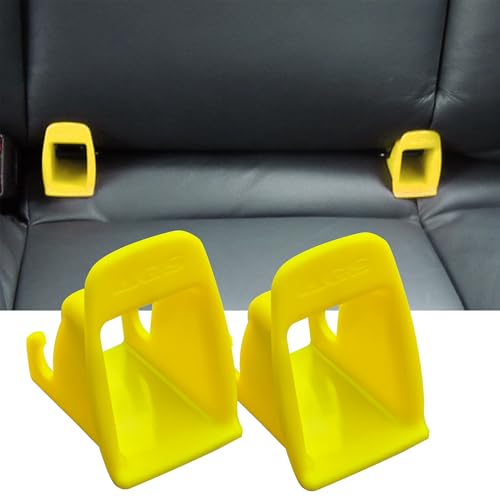
- Locate the Lower Anchors: Find the two lower anchor attachments in your vehicle’s seating position, typically marked by small buttons or symbols.
- Connect the Lower Anchors: Attach the car seat’s lower connectors to the vehicle anchors. Britax systems often feature easy-to-use premium connectors. Push them firmly until you hear a definitive click, confirming the car seat connects to latch.
- Tighten the Straps: Pull the webbing strap connecting the LATCH connectors, ensuring all slack is removed. Use your body weight pressed into the car seat base while pulling the webbing to compress the vehicle seat cushion, maximizing the secure car seat firmly requirement.
- Attach the Top Tether: If installing in forward-facing harness mode, the top tether strap must be utilized. Connect the tether hook to the designated vehicle anchor point (usually on the seat back, floor, or rear shelf) and pull the strap taut. This crucial step prevents excessive forward rotation during a frontal crash.
It is critical to be aware of the LATCH limitations. NHTSA car seat guidelines mandate that the LATCH system must not be used once the combined weight of the child and the car seat exceeds 65 pounds. At this point, you must revert to the vehicle seat belt method for connection.
| Feature/Aspect | LATCH Installation (Lower Anchors) | Seat Belt Installation (ClickTight/Standard) |
|---|---|---|
| Weight Limit (E-E-A-T) | Limited (65 lbs combined) | No limit (can be used through full harness life) |
| Ease of Connection | Typically easier and faster to click | Often requires more effort to tighten |
| Safety | Equally safe when used within limits | Equally safe when installed correctly |
| Compatibility | Available in most vehicles 2026 or newer | Universal, available in all vehicles |
| Top Tether Use | Required for Forward-Facing (FF) | Required for Forward-Facing (FF) |
What Are The Specific Installation Steps For Britax Infant Car Seats and Bases?
The installation of a Britax infant car seat base requires setting the base to the correct recline angle, installing the base using either LATCH or the vehicle seat belt (never both), and then ensuring the carrier clicks securely into the base. Infant car seats, such as the Britax B-Safe infant car seat, rely heavily on the car seat base to maintain the necessary recline for the baby’s safety and breathing.
Infant installation involves two main stages: securing the base and securing the carrier. The initial focus must be on the recline angle indicator.
- Set the Recline Angle: Adjust the recline foot or base mechanism to achieve the correct angle. The recline angle indicator (usually a bubble or line) must be within the approved zone for your baby’s weight and age. This steeper recline is necessary because the infant insert supports baby and prevents the infant’s head from slumping forward, which is a significant airway risk.
- Install the Base: Choose either the LATCH or the seat belt method to secure car seat base with seatbelt or lower anchors. Route the chosen connection through the designated path on the base. Apply pressure to the base and tighten firmly until the base moves less than one inch at the belt path.
- Connect the Carrier: Once the base is secure, place the infant carrier onto the base until you hear a distinct click. Gently pull up on the carrier to verify the connection is locked.
Advanced Baseless Installation: The European Belt Guide
An important feature often overlooked by standard guides is the ability to use many Britax infant carriers without a base (for travel or taxis) via the European Belt Guide (EBG). This method provides an advanced security solution. Baseless installation involves routing the lap portion of the vehicle seat belt across the baby’s legs, buckling, and then wrapping the shoulder portion of the belt around the back of the carrier, securing it through a clip or guide. This advanced routing technique stabilizes the carrier and greatly minimizes rotation in a crash, addressing the long-tail query of how to install britax car seat without base. Consult your Britax official instructions to confirm if your specific carrier supports the EBG method.
How To Troubleshoot Common Britax Car Seat Installation Mistakes?
Common Britax car seat installation mistakes include using both the LATCH system and the seat belt simultaneously (which is prohibited), not locking the vehicle seat belt, and failing the 1-inch wiggle test at the belt path. Data-driven safety advice from certified car seat technicians indicates that difficulty installing britax seats often stems from these easily fixable errors.
If your britax car seat too loose or you are troubleshooting britax car seat issues, focus on the belt path and locking mechanisms. Our practical experience shows that the primary failure mode is insufficient tension.
| Common Problem | Description/Symptom | Solution Based on CPS Advice |
|---|---|---|
| The Seat Wiggles Too Much | Movement of more than 1 inch side-to-side or front-to-back at the belt path. | Check for seat belt lock or LATCH tightening; use body weight to compress the vehicle seat cushion during tightening. |
| Belt Won’t Tighten (ClickTight) | Seat belt retracts into the vehicle when pulling slack. | Ensure the seat belt is fully extended before routing to engage the vehicle’s automatic locking retractor (ALR). |
| Wrong Recline Angle | Infant’s head slumps forward (RF only). | Re-adjust the recline foot or towel/noodle placement until the bubble indicator is level or within the approved zone. |
| Using LATCH + Seat Belt | Connecting both methods simultaneously. | NEVER use both. Remove the LATCH connectors immediately and use only the seat belt method. |
What most guides miss is how to properly engage the vehicle’s locking retractor (ALR) when using a standard seat belt installation (non-ClickTight). If the seat belt won’t lock, you must fully pull the shoulder belt all the way out until you hear a ratchet sound; this engages the ALR. Once the ALR is engaged, the belt will only reel inward, allowing you to tighten the seat by pushing down on the seat and feeding the belt back into the mechanism. Always check the britax car seat safety after tightening to ensure it passes the definitive safety check.
How Do You Verify That Your Britax Car Seat Is Securely Installed?
To verify a Britax car seat is securely installed, check that the seat moves less than one inch side-to-side or front-to-back at the belt path, confirm the recline bubble indicator is within the approved zone for the child’s weight, and ensure the harness is snug against the child’s collarbone. This definitive safety check confirms compliance with car seat safety standards and provides the final sign-off that the britax car seat fit is correct for your vehicle.
Verification is the most critical stage of the entire britax car seat installation process. A certified installation check consists of three primary, measurable steps:
- The 1-Inch Wiggle Test (At the Belt Path Only): Grasp the car seat only at the belt path (where the LATCH strap or vehicle seat belt runs) and tug firmly side-to-side and front-to-back.
- Definition: If the seat moves more than one inch in any direction at the belt path, the installation has failed the car seat tightness check and requires re-tightening. Do not check movement at the headrest or the top of the seat.
- Verify Recline Angle: For rear-facing installations, check the integrated recline angle indicator (often a bubble level or colored line) on the car seat or base. Ensure the indicator is completely within the acceptable zone specified for your child’s age and weight category. Correct recline prevents airway restriction in infants.
The Pinch Test (Harness Snugness): Once the child is buckled in, check the harness straps. Try to pinch the harness webbing vertically near the child’s collarbone. If you can pinch any slack (i.e., gather excess fabric between your fingers), the harness is too loose and must be tightened further. The harness straps must be snug and flat against the child’s body to distribute crash forces safely.
For forward-facing seats, always perform an additional visual check to ensure the top tether attachment is securely fastened to the correct vehicle anchor point and pulled taut. Failure to use the tether in the forward-facing mode is a major car seat installation error that significantly increases the risk of head injury.
FAQs About How to Install Britax Car Seat
Can you install a Britax car seat with only the vehicle seat belt?
Yes, you can install any Britax convertible or all-in-one car seat using only the vehicle seat belt, and this is required after the child and seat combined reach 65 pounds (the LATCH limit). Seat belt installation, especially with the ClickTight system, is often preferred by certified car seat technicians for its inherent reliability across different vehicles and its absence of a weight restriction. Always ensure the seat belt is locked, either through the ClickTight mechanism or by using the vehicle’s locking retractor.
How do you install a Britax car seat rear facing?
Rear-facing installation requires routing the LATCH or seat belt through the designated rear-facing belt path, which is typically under the child’s feet, and ensuring the car seat’s recline angle indicator is level. This position is critical for infants as it cradles the child’s head, neck, and spine in the event of a crash. Always verify the tightness and confirm the proper recline angle to prevent head slump.
How to adjust Britax car seat harness height?
The Britax harness height must be adjusted so the straps are at or just below the child’s shoulders when the seat is rear-facing, and at or just above the shoulders when forward-facing. Britax ClickTight seats typically feature a non-rethread harness, allowing height adjustment with a lever located near the headrest without needing to manually disassemble and rethread the straps, simplifying the process as the child grows.
Where can I find Britax car seat installation videos?
Britax provides official, model-specific installation videos and user guides on their website, often organized by product line (e.g., One4Life, B-Safe, Poplar). These videos demonstrate the exact sequence of actions for both LATCH and seat belt installation methods, which is a key resource to visually confirm correct belt routing and usage of proprietary features like the European Belt Guide or ClickTight.
What are common Britax car seat installation mistakes?
The most common installation mistake is failing the 1-inch wiggle test, meaning the seat moves too much at the belt path, or installing using both the LATCH and seat belt methods simultaneously, which is strictly prohibited. Other frequent errors include using the LATCH system beyond its 65-pound weight limit and failing to attach the top tether strap when forward-facing.
When should I switch a Britax car seat from rear to forward facing?
You should switch a Britax car seat from rear-facing to forward-facing only after the child has reached the maximum height OR weight limit specified by Britax for rear-facing mode (usually 40-50 pounds depending on the model), and is typically at least two years old. It is recommended by CPS experts to keep children rear-facing until they reach the maximum limits of their convertible seat to maximize safety.
How tight should a Britax car seat be?
A Britax car seat is installed correctly when it moves less than one inch side-to-side or front-to-back when checked at the installation belt path (LATCH or seat belt path). The seat should not move when pushed or pulled firmly at the belt path, reflecting a secure connection to the vehicle structure.
Can you install a Britax car seat in the middle seat?
Yes, you can install a Britax car seat in the middle seat, and this is generally the safest position in the vehicle, provided the middle seat allows for a secure installation (e.g., has LATCH anchors or a suitable seat belt). Always consult your vehicle’s manual to ensure the center seating position is approved for car seat use and has the necessary anchoring points.
How do you properly secure the Anti-Rebound Bar (ARB)?
The Anti-Rebound Bar (ARB) for Britax convertible seats must be fully extended and pressed against the vehicle seat back to prevent the car seat from rebounding toward the rear of the vehicle in a frontal collision. Ensure the ARB is positioned according to the manufacturer’s directions, maintaining the required distance from the child’s feet.
What is the maximum recline for a rear-facing Britax car seat?
The maximum recline for a rear-facing Britax car seat is determined by the specific model’s recline angle indicator (often a bubble or color-coded line), which must be maintained to ensure the infant’s airway remains open. For newborns, the seat typically requires a steeper recline, which may be reduced as the child gets older and gains neck control, always staying within the indicator’s range.
Key Takeaways: How to Install Britax Car Seat
- Choose Only One Method – Never install your Britax car seat using both the LATCH system and the vehicle seat belt simultaneously; using both can compromise the integrity of the installation and is strictly prohibited by Britax and safety guidelines.
Master the ClickTight System – The Britax ClickTight mechanism (for models like the One4Life and Marathon) simplifies secure seat belt installation by allowing you to easily route and tighten the seat belt from inside the shell, offering a quick path to a tight fit.
Adhere to the 65-Pound Rule – Once the child’s weight plus the car seat’s weight exceeds 65 pounds, you must discontinue the use of the LATCH lower anchors and use the vehicle seat belt installation method instead.
The Three-Point Safety Check – A properly installed Britax car seat must pass three critical safety checks: the 1-inch wiggle test at the belt path, verification of the correct recline angle via the indicator, and the pinch test to ensure the harness is snug on the child.
Tether Strap is Mandatory Forward-Facing – The top tether strap must be fastened and tightened to the designated anchor point in the vehicle when installing any forward-facing Britax car seat, regardless of whether you use LATCH or the seat belt for the main connection.
Consult Dual Manuals – Always consult both the Britax car seat manual and the vehicle owner’s manual for specific details regarding LATCH anchor locations, seat belt locking mechanisms, and weight limits for child restraint systems.
Infant Safety is Angle-Dependent – For rear-facing infant carriers, achieving the correct recline angle is critical for the baby’s airway safety; use the base’s bubble or level indicator to confirm the proper recline position for the child’s size.
Final Thoughts
Installing a Britax car seat correctly is one of the most vital tasks a caregiver undertakes, directly impacting child passenger safety. While the process involves multiple steps—from choosing between the user-friendly ClickTight seat belt method and the LATCH system, to ensuring the proper recline for an infant seat—the core goal remains safety and security.
This guide provides the authoritative, step-by-step guidance necessary to ensure your Britax car seat is securely anchored, addressing common installation mistakes and fulfilling all critical safety verification steps advised by certified car seat technicians. The complexity of models like the Britax One4Life or the specialized features of the B-Safe infant seat should not deter you; by following the detailed procedures for routing the vehicle seat belt or utilizing lower anchor attachments, you can confidently achieve a secure installation that passes the 1-inch wiggle test.
Remember that proper usage guidelines and adherence to official britax official instructions are non-negotiable. If you encounter persistent difficulties in achieving a tight fit or verifying the installation, immediately seek assistance from a certified car seat technician in your area to perform a final certified installation check. A correctly installed Britax car seat, whether rear-facing or forward-facing, provides optimal safe cell impact protection and peace of mind, knowing you have minimized risk and maximized your child’s safety in the vehicle. The effort put into a secure installation today is the most important safety precaution you can take.
Last update on 2026-03-13 / Affiliate links / Images from Amazon Product Advertising API