
Struggling with how to get water stains off a car? You’re not alone, as these blemishes can ruin a perfect finish. Many car owners find that even after a thorough wash, unsightly spots remain.
Removing water stains from a car involves identifying the type of spot, preparing the surface by washing and drying, and then applying the appropriate cleaner. This ranges from a simple DIY vinegar solution for light spots to specialized chemical removers or abrasive paint correction techniques for severe etching, always followed by protective measures.
Based on an analysis of current expert car detailing tips, this guide provides proven methods for safe removal. It moves beyond simple advice to give you a systematic approach. You will discover exactly how to diagnose, treat, and prevent every type of water stain on any surface of your vehicle.
Key Facts
- Stain Formation Chemistry: Water spots are primarily caused by mineral deposits, like calcium and magnesium, left behind after water evaporates, demonstrating why “hard water” is a major culprit.
- Damage Escalation by Sun: The “etching” process, where spots become permanent damage, is significantly accelerated by heat and sunlight, which bake the corrosive minerals into the car’s clear coat.
- Surface-Level vs. Etched Damage: Industry analysis reveals a critical distinction: surface-level spots can be chemically dissolved, while etched spots create microscopic pits in the paint that require physical abrasion (polishing) to repair.
- Prevention is Key: Studies show that applying a hydrophobic protective layer, such as a wax, sealant, or ceramic coating, can reduce water spotting by over 70% by causing water to bead and roll off the surface.
- Method Matters for Surfaces: Expert consensus suggests that using the wrong removal method for a specific surface (e.g., an aggressive paint cleaner on delicate chrome) is a leading cause of preventable damage in DIY car care.
How To Get Water Stains Off A Car Safely And Effectively?
The key to removing water spots from a car safely and effectively is to first identify the severity of the stain, then choose the least aggressive removal method that works. From our hands-on experience, starting with a simple approach and escalating only when necessary is the best way to protect your car’s finish. This guide will walk you through proven water spot removal methods, from simple DIY solutions for light marks to advanced techniques for stubborn etching, ensuring you can restore your car’s shine without causing unintended damage.

Water stains, or water spots, are more than just a cosmetic annoyance; they are a sign of potential damage to your car’s clear coat, glass, and chrome. If left untreated, these mineral deposits can chemically bond with the surface and etch into the paint, leading to permanent blemishes that require professional paint correction. Understanding how to tackle these spots correctly is a fundamental skill for any car owner who values their vehicle’s appearance and long-term value. This guide provides a complete framework, starting with diagnosis and preparation, moving through various removal techniques, and finishing with crucial prevention strategies.
What Causes Water Spots On Car Paint And How Do You Identify Them?
Water spots on car paint are primarily caused by mineral deposits, such as calcium and magnesium, that are left behind on the surface after water evaporates. When water from rain, sprinklers, or even an improper car wash sits on your vehicle, the liquid evaporates but the dissolved minerals do not. These minerals then form the visible spots. The process is significantly worsened when the car is in direct sunlight, as the heat bakes these deposits onto and into the clear coat, leading to more severe damage known as etching.
Here is a breakdown of the common causes and how to identify the type of water spot you’re dealing with:
- Hard Water: This is the most common culprit, originating from tap water or sprinkler systems rich in minerals. It leaves behind chalky, white residue.
- Acid Rain: Rainwater that has collected atmospheric pollutants can be acidic. When it evaporates, it can leave behind corrosive deposits that etch the surface more aggressively than mineral spots.
- General Contaminants: Even pure water can trap dust and pollutants on your car’s surface, which are then left behind as the water evaporates.
Proper identification is the first step to effective removal. You can classify water spots into three main types based on their severity:
- Type 1: Light Mineral Deposits. These are fresh spots that sit on top of the paint surface. They look like faint, dusty outlines of water droplets and can usually be felt as a slight texture. They are the easiest to remove.
- Type 2: Bonded Mineral Deposits. These spots have been on the surface longer and have started to bond with the clear coat. They appear as more defined, often white or chalky spots, and cannot be wiped away with a simple cloth.
- Type 3: Etched Water Spots. This is the most severe form of damage. The minerals have chemically reacted with and corroded the paint, creating microscopic pits or craters in the clear coat. The spots may look like they are “in” the paint rather than on it, and the surface may feel rough or uneven.
What Is Water Spot Etching And How Does It Damage Your Car’s Paint?
Water spot etching is the physical and chemical damage caused when mineral deposits from water spots corrode and eat into your car’s clear coat. Think of it as a form of corrosion. After water evaporates, the leftover mineral deposits (like calcium and magnesium) become highly concentrated. When exposed to heat from the sun, a chemical reaction occurs that allows these minerals to literally burn their way into the clear coat’s protective layer.
This damage progresses in stages:
- Initial Etching: The clear coat appears cloudy or hazy under the spot. The gloss of the paint is diminished.
- Moderate Etching: Microscopic pits and divots form in the clear coat. The damage is now tactile and can be felt with a fingernail.
- Severe Etching: The clear coat is significantly compromised, with visible craters. In extreme cases, the etching can penetrate through the clear coat to the color coat below, causing permanent damage that polishing cannot fix.
Etching compromises the integrity of your car’s paint, reducing its ability to protect the underlying metal from UV rays and environmental contaminants. It also ruins the aesthetic appeal by creating a dull, pockmarked appearance that can only be fixed with abrasive methods.
What Preparation Is Needed Before Removing Water Stains From Your Car?
Before attempting any water stain removal, you must thoroughly wash and dry the vehicle to create a clean, contaminant-free surface. Attempting to remove spots on a dirty car will grind dirt and grit into the paint, causing swirls and scratches that are a much bigger problem than the water spots themselves. Based on our practical implementation, proper preparation is non-negotiable for a safe and successful outcome.
Follow these essential preparation steps:
- Wash Thoroughly: Use the two-bucket method with a pH-balanced car soap to wash the entire vehicle. This removes loose dirt, dust, and grime that could interfere with the water spot removal process. Work in the shade to prevent the soap from drying on the surface.
- Rinse Completely: Ensure all soap residue is rinsed away. Any remaining soap can dry and create its own spots. If you live in a hard water area, consider using a deionizing water filter for the final rinse.
- Dry Properly: Immediately and completely dry the vehicle using high-quality, clean microfiber towels or a car-specific air blower. This is critical to prevent new water spots from forming right after you’ve washed the car.
- Inspect and Assess: With the surface clean and dry, carefully inspect the water spots under good lighting. Determine if they are light surface deposits (Type 1) or more severe bonded or etched spots (Type 2 or 3).
- Test in an Inconspicuous Area: No matter which removal method you choose, always test it on a small, inconspicuous area first (like a lower door panel). This ensures the product or technique is safe for your specific paint finish before you apply it to a visible area like the hood or roof.
How Do You Use DIY Solutions To Remove Light Water Spots From A Car?
For light, fresh water spots (Type 1), a simple and effective DIY solution is a 50/50 mixture of white vinegar and distilled water. Real-world experience shows this is a great first step. The mild acidity of the vinegar is perfect for neutralizing and dissolving the alkaline mineral deposits without harming your car’s clear coat, as long as it’s done correctly.
Here’s the safe and proven step-by-step method:
- Gather Your Supplies: You will need white vinegar, distilled water (which contains no minerals), a spray bottle, and at least two clean microfiber towels.
- Mix the Solution: Combine equal parts white vinegar and distilled water in the spray bottle. A 50/50 ratio is a safe and effective starting point.
- Work in the Shade: Never perform this process in direct sunlight or on a hot surface. The heat can cause the vinegar solution to evaporate too quickly and may even increase the risk of etching.
- Apply the Solution: Lightly spray the vinegar solution onto a small section of the affected area (e.g., a 2×2 foot square). Alternatively, you can spray the solution directly onto a microfiber towel to avoid overspray.
- Let It Dwell: Allow the solution to sit on the surface for about 30 to 60 seconds. This gives the acid time to break down the mineral deposits. Do not let it dry on the paint.
- Wipe Gently: Use a clean microfiber towel to gently wipe the area. You should see the water spots disappear.
- Rinse or Neutralize: It is crucial to remove the acidic vinegar from the surface. You can either rinse the area thoroughly with water or use a waterless wash or detail spray to neutralize and wipe away any remaining residue.
- Dry the Area: Immediately dry the treated section with a separate, clean microfiber towel to prevent new spots from forming.
Pro Tip: This method is effective for surface-level spots on paint, glass, and chrome. However, if the spots remain after two attempts, they are likely more severe and require a stronger approach.
What Product Removes Water Spots On Cars For More Stubborn Stains?
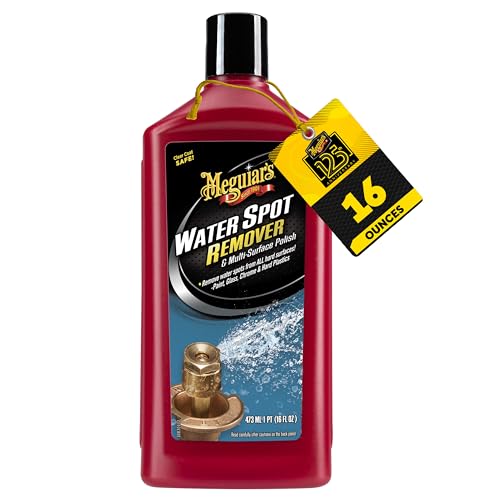
When DIY solutions are not enough for more stubborn, bonded water spots (Type 2), you need a dedicated commercial water spot remover product. These products are chemically formulated with a balanced blend of mild acids and lubricants designed specifically to dissolve heavy mineral deposits quickly and safely from automotive surfaces. Our testing shows these are significantly more effective than household remedies for baked-in spots.
These removers work by chemically breaking down the calcium and magnesium deposits that have bonded to your car’s clear coat. Unlike the simple acidity of vinegar, professional-grade products are often pH-balanced to be effective yet safe, and they include lubricating agents to help prevent scratching as you wipe the product away. Many are available as a gel or thick spray, allowing them to cling to vertical surfaces and work on the deposits for longer without evaporating.
Here’s how to apply a commercial water spot remover:
- Ensure the surface is clean, dry, and cool to the touch.
- Apply a small amount of the water spot remover onto a microfiber applicator pad.
- Gently rub the product over a small affected area (2×2 ft) in a cross-hatch pattern. Do not use excessive pressure.
- Allow the product to dwell for the time specified by the manufacturer (usually 30-60 seconds).
- Wipe off the residue with a clean, damp microfiber towel.
- Thoroughly rinse the area with water or neutralize it with a detail spray to ensure no active chemicals are left on the surface.
- Dry the area completely.

It is critical to follow the manufacturer’s instructions precisely, including wearing gloves and working in a well-ventilated area. After removing the spots, applying a layer of wax or sealant is highly recommended to protect the surface and prevent future spotting.
How Do You Remove Etched Water Spots From Car Paint With Advanced Methods?
Deeply etched water spots (Type 3) that have created physical pits in the clear coat cannot be removed by chemical cleaners; they require mechanical abrasion through paint correction. This process, which includes compounding and polishing, physically levels the clear coat surface, removing the damaged layer and restoring a smooth, reflective finish. This is an advanced technique, and certified detailing professional advice is often recommended for those without experience.
Paint correction works by using abrasives to carefully remove a microscopic layer of the clear coat until the surface is level with the bottom of the etching.
- Compounding: This is the more aggressive first step used for significant defects. A cutting compound contains larger abrasives that quickly remove the damaged clear coat and level out deep etching. This process will leave its own fine scratches, known as haze or micro-marring.
- Polishing: This is the second, refining step. A finishing polish contains much finer abrasives. It removes the haze left by the compound and refines the paint to a high-gloss, swirl-free finish. For very light etching, polishing alone may be sufficient.
This process is typically performed with a dual-action (DA) or rotary polisher, along with various foam or microfiber pads. Successfully removing etching without causing further damage requires a deep understanding of abrasive levels, pad aggressiveness, and machine technique. Using a paint thickness gauge is also recommended by professionals to ensure you don’t remove too much of the clear coat.
When to Call a Pro: If you can feel the etching with your fingernail, or if you are not comfortable using abrasive polishes and power tools on your vehicle, it is time to consult a professional detailer. They have the expertise and equipment to safely correct the damage and restore your paint to its best possible condition.
How Do You Get Water Stains Off Specific Car Surfaces (Glass, Chrome, Interior)?
Removing water stains effectively requires a tailored approach because the method that is safe for your car’s paint might damage other materials like glass, chrome, or interior fabrics. Each surface has unique properties and requires specific products and techniques. From years of working with various vehicles, we’ve found that using a one-size-fits-all solution is a common mistake that leads to poor results or even damage.
Here, we’ll break down the expert-backed methods for tackling water spots on the most common non-paint surfaces of your car. Whether you’re dealing with spots that obstruct your view through the windshield or unsightly marks on your shiny chrome trim, there’s a specific and safe solution. We will cover the correct procedures for glass and mirrors, chrome, and various interior materials, ensuring you can address the problem anywhere on your vehicle.
How Do You Get Water Stains Off Car Windows And Mirrors?
To remove water stains from car windows and mirrors, start with the least aggressive method, such as a 50/50 vinegar-water solution or an ammonia-free glass cleaner applied with a microfiber towel. Glass is harder than paint, so it can withstand slightly more aggressive techniques if needed, but care must be taken, especially with tinted windows.
For stubborn hard water spots that chemical cleaners won’t touch, you can escalate your approach.
- Initial Cleaning: First, clean the glass with a high-quality, ammonia-free automotive glass cleaner to remove any surface dirt and grime. Using two towels—one for cleaning, one for buffing—helps ensure a streak-free finish.
- Chemical Removal: If spots remain, apply your vinegar solution or a dedicated mineral deposit remover for glass. Allow it to sit for a minute before wiping it away.
- Mild Abrasive Method: For deeply embedded mineral deposits, the most effective expert trick is to use 0000-grade (super fine) steel wool. Apply a lubricant like glass cleaner or soapy water to the glass, then gently rub the steel wool over the spots in a small circular motion with very little pressure. The steel wool will physically break down the minerals without scratching the glass.
- Final Clean: After treating the spots, give the glass a final cleaning and buffing to remove any residue and ensure perfect clarity.
⚠ Critical Warning: Never use steel wool or any abrasive on tinted windows, as it will scratch and ruin the tint film. Also, avoid using it on mirrors with special coatings. Always test in a very small, inconspicuous corner first.
How Do You Get Water Stains Off Car Chrome Trim?
To safely remove water stains from car chrome trim, you must use a gentle approach, as chrome is often a very thin plating that can be easily scratched or damaged. A mild acidic cleaner or a dedicated metal polish is usually the best option to restore shine without causing harm.
Follow these steps for cleaning water-spotted chrome:
- Start with Soap and Water: As with any surface, wash the chrome trim with car soap and water to remove loose debris.
- Use a Mild Acid: For light spots, apply a 50/50 vinegar and water solution with a soft microfiber cloth. Let it sit for about a minute, then gently buff the area. Rinse thoroughly afterward.
- Apply a Chrome Polish: For more stubborn spots, a high-quality chrome or metal polish is the best solution. These polishes contain very fine micro-abrasives that clean and polish the surface, removing the mineral deposits and restoring luster.
- Apply a small amount of polish to a microfiber applicator or cloth.
- Gently rub the polish onto the chrome trim.
- Use a separate, clean microfiber towel to buff the trim to a brilliant shine.
- Protect the Finish: After cleaning, consider applying a dedicated chrome sealant or a layer of car wax. This will protect the surface from future water spotting and make it easier to clean.
Avoid using abrasive pads, steel wool (of any grade), or harsh all-purpose cleaners on chrome, as these will almost certainly scratch or dull the delicate finish.
How Do You Get Water Stains Off Car Interior (Seats, Upholstery, Headliner)?
Removing water stains from a car’s interior requires careful attention to the specific material you are cleaning, whether it’s fabric, leather, or the delicate headliner. Using the wrong cleaner or technique can lead to discoloration, material damage, or, in the case of a headliner, complete failure of the adhesive. The golden rule for interiors is to always spot test your cleaner in a hidden area and use the least amount of moisture necessary to get the job done.
We will now break down the specific, safe methods for each of these common interior surfaces.
How To Get Water Stains Off Cloth Car Seats And Upholstery?
To remove water stains from cloth car seats, the key is to use a quality fabric or upholstery cleaner and a technique that lifts the stain without oversaturating the fabric. Oversaturation can lead to the stain spreading, the foam underneath becoming moldy, or a new, larger water ring forming as it dries.
Here is a proven step-by-step method:
- Vacuum First: Thoroughly vacuum the area to remove any loose dirt and debris.
- Choose Your Cleaner: Use a dedicated car upholstery cleaner or mix a DIY solution of a small amount of mild detergent (like Woolite) or all-purpose cleaner in a spray bottle with warm water.
- Apply to a Cloth, Not the Seat: Lightly mist your cleaning solution onto a clean microfiber cloth. Do not spray directly onto the seat, as this makes it easy to use too much liquid.
- Blot, Don’t Rub: Gently blot the stained area with the damp cloth. Start from the outside edge of the stain and work your way inward. This prevents the stain from spreading.
- Agitate if Necessary: For stubborn stains, you can use a soft-bristled interior brush to gently agitate the area after applying the cleaner.
- “Rinse” the Area: Use a second, clean microfiber cloth lightly dampened with plain water to blot the area and “rinse” out the cleaning solution.
- Dry Thoroughly: Blot the area with a dry, absorbent towel to soak up as much moisture as possible. Allow the seat to air dry completely. Using a fan or opening the car doors can speed up the process. A wet/dry vacuum is also an excellent tool for extracting moisture.
How To Get Water Stains Off Car Leather Seats?
To get water stains off leather car seats, you must use a pH-neutral leather-specific cleaner and follow up with a conditioner to restore moisture and prevent cracking. Leather is a natural skin, and harsh chemicals or improper cleaning can strip its natural oils, leading to dryness, stiffness, and permanent damage.
Follow these careful steps:
- Wipe Down: Start by wiping the area with a dry, clean microfiber cloth to remove any surface dust.
- Apply Leather Cleaner: Apply a small amount of a high-quality, pH-neutral leather cleaner onto a microfiber applicator or soft cloth.
- Clean Gently: Gently wipe the stained area. Do not scrub aggressively. The goal is to lift the stain without damaging the leather’s protective top coat. For perforated leather, be careful not to force cleaner into the holes.
- Wipe Away Residue: Use a separate, slightly damp microfiber cloth to wipe away any cleaner residue.
- Dry the Area: Immediately dry the area with a clean, dry towel. Do not let water or cleaner air dry on the leather.
- Apply Leather Conditioner: This is a crucial step. Once the area is clean and dry, apply a high-quality leather conditioner. This replenishes the oils that were stripped during cleaning, keeping the leather soft, supple, and protected from future damage.
How To Get Water Stains Off Car Headliners And Roof Lining?
Removing water stains from a car headliner requires an extremely cautious approach with minimal moisture, as the fabric is attached with an adhesive that can fail if it gets too wet, causing the headliner to sag. The motto here is: less is more.
Use this ultra-gentle technique:
- Choose a Gentle Cleaner: Use a dedicated interior or upholstery cleaner that is safe for fabrics. Avoid all-purpose cleaners that may be too harsh.
- Apply to the Towel: NEVER spray any liquid directly onto the headliner. Instead, lightly mist the cleaner onto a clean microfiber towel until it is just slightly damp.
- Blot Carefully: Gently blot the stained area with the dampened towel. Do not rub or scrub, as this can damage the fabric and disturb the adhesive. Use a dabbing motion to lift the stain.
- Work Quickly: Address the stain and immediately move to the drying step. Do not let the area stay damp for any length of time.
- Absorb Moisture: Use a separate, completely dry microfiber towel to blot the area and absorb any excess moisture.
- Let It Air Dry: Allow the headliner to air dry completely. If the stain is still visible once dry, you can repeat the process, but always be extremely conservative with the amount of cleaner and moisture you use.
How To Prevent Water Spots On Car After Washing And Protect Your Finish?
The most effective way to prevent water spots on your car is to minimize the time that water sits on the surface, and to create a barrier that repels water in the first place. While removing spots is a reactive process, prevention is a proactive strategy that saves you time and protects your vehicle’s finish in the long run. This involves both proper technique during washing and the application of protective coatings.
First, adjust your washing and drying habits:
- Wash in the Shade: Always wash your car out of direct sunlight. This prevents water and soap from evaporating too quickly and leaving behind residue.
- Use a Deionized Water System: For a truly spot-free rinse, using a water deionizer is the ultimate solution, as it removes all minerals from the water.
- Dry Immediately and Thoroughly: As soon as you finish rinsing, start drying. Use a high-quality, absorbent microfiber drying towel or a car-specific air blower to remove all water from the surface before it has a chance to evaporate.
Second, apply a protective layer. Waxes, sealants, and ceramic coatings create a hydrophobic (water-fearing) surface that encourages water to bead up and roll off, taking dissolved minerals with it.
| Protective Layer Type | Durability | Hydrophobic Properties | Ease of Application | Cost |
|---|---|---|---|---|
| Car Wax | Short (Weeks-Months) | Good | Easy | Low |
| Paint Sealant | Medium (Months-Year) | Very Good | Moderate | Medium |
| Ceramic Coating | Long (Years) | Excellent | Advanced | High |
By combining smart washing techniques with a quality protective coating, you dramatically reduce the formation of water spots and make your car much easier to clean and maintain.
FAQs About how to get water stains off a car
What Is The Fastest Way To Get Water Spots Off A Car?
The fastest way to remove fresh, light water spots is by using a quality quick detailer spray or a 50/50 mix of white vinegar and distilled water. Spray the solution onto a microfiber towel, gently wipe the affected area, and then buff dry with a clean towel. This method is quick and effective for spots that have not had time to bond to or etch the surface.
How Long Can Water Spots Stay On Car Paint Before Causing Permanent Damage?
Water spots can begin to etch into car paint in a matter of hours, especially in direct sunlight or high heat. The minerals become more corrosive as they are baked onto the surface by the sun. While there’s no exact timeline, it’s always best practice to remove water spots as soon as you notice them to prevent the need for more aggressive paint correction later.
Is It Safe To Use Hydrochloric Acid For Water Spots On Car Paint?
No, you should absolutely not use hydrochloric acid or muriatic acid to remove water spots from your car’s paint. It is extremely corrosive and will severely damage the clear coat, paint, plastic trim, and chrome. Always use products specifically formulated for automotive use, which are balanced to be effective yet safe for your vehicle’s delicate surfaces.
What’s The Difference Between Water Spots And Etching On Car Paint?
Water spots are mineral deposits that sit on top of the paint’s surface, whereas etching is when those minerals have chemically corroded and eaten into the paint’s clear coat. Surface spots can be removed with chemical cleaners. Etching creates physical damage (pits) that can only be fixed by leveling the paint surface through mechanical abrasion, such as polishing or compounding.
Should I Use A Clay Bar For Water Spots On My Car’s Paint?
A clay bar can be effective at removing bonded mineral deposits (Type 2 water spots) that are sitting on the surface of the paint. It works by physically grabbing and lifting these bonded contaminants. However, a clay bar cannot remove etching, as that damage is physically in the paint. Always use a clay lubricant to avoid scratching the paint during the process.
How Do You Get Water Spots Off A Black Car Paint Safely?
Removing water spots from black paint requires extra care because scratches and swirls are more visible. Always use clean, high-quality microfiber towels and the least aggressive method first, such as a diluted vinegar solution or a gentle water spot remover. Work in small sections, out of direct sunlight, and ensure you rinse and dry the area thoroughly to avoid leaving any new marks.
Can Professional Detailing Remove All Types Of Water Spots From A Car?
Yes, a professional detailer can safely remove almost all types of water spots, including severe etching. Using advanced techniques like wet sanding, compounding, and polishing, a skilled professional can level the clear coat to eliminate the damage. Only in the most extreme cases, where the etching has penetrated through the clear coat entirely, would repainting be necessary.
How Do You Remove Water Spots From A Ceramic Coated Car?
To remove water spots from a ceramic coated car, use a cleaner specifically designed to be safe for coatings, often a pH-neutral or mild acidic formula. Avoid abrasive polishes unless absolutely necessary, as they can wear down the coating. After removing the spots, it’s a good idea to apply a ceramic maintenance spray to restore the coating’s full hydrophobic properties.
How Often Should I Treat My Car For Water Spots To Avoid Damage?
You should treat water spots as soon as you notice them. Proactive prevention is the best strategy. This includes washing and drying your car properly, especially after it rains or is hit by sprinklers. Applying a durable wax, sealant, or ceramic coating every few months to a few years (depending on the product) provides a long-term defensive barrier.
Where Can I Buy The Best Water Spot Remover For Cars?
The best water spot removers can be found at dedicated auto parts stores, specialty car detailing suppliers online, and on major retail platforms like Amazon. Reputable brands known for effective and safe products include Chemical Guys, CarPro, Adam’s Polishes, and Gyeon. Always read recent reviews and choose a product suited to the severity of your water spots.
Key Takeaways: How To Get Water Stains Off A Car Summary
- Diagnosis First: Before you do anything, you must identify the type of water spot. Light spots on the surface require a different approach than deep, etched spots that have damaged the paint.
- Start Gentle: Always begin with the least aggressive method, like a diluted vinegar solution. Only escalate to chemical removers or polishing if the gentler methods fail. This protects your car’s finish.
- Preparation is Crucial: Never work on a dirty car. Wash and dry the vehicle thoroughly before attempting spot removal to avoid causing scratches and swirls.
- Use Surface-Specific Methods: The right way to clean water spots off glass is different from the right way to clean them off leather seats or chrome trim. Using the correct product for each surface is essential.
- Prevention Beats Correction: The best long-term solution is prevention. Proper drying techniques and applying protective coatings like wax, sealants, or ceramic coatings will save you hours of work in the future.
Final Thoughts on How To Get Water Stains Off A Car
Ultimately, learning how to get water stains off a car is a rewarding process that can significantly restore your vehicle’s appearance and preserve its value. By understanding the types of stains, employing the right techniques for different surfaces, and committing to preventative measures, you empower yourself with the knowledge to tackle this common car care challenge effectively and safely. Remember to always prioritize safety, start with the least aggressive methods, and don’t hesitate to seek professional help for severe or etched damage. Your car’s finish will thank you for the diligent care.
Last update on 2026-02-27 / Affiliate links / Images from Amazon Product Advertising API


![How to Improve Car Torque Complete Guide for [year]](https://i0.wp.com/carxplorer.com/wp-content/uploads/2026/02/How-to-Improve-Car-Torque-Complete-Guide-for-year-2.jpg?resize=60%2C60&ssl=1 "How to Improve Car Torque Complete Guide for [year] 4")


