
Struggling with stubborn water spots on your car seats? You’re not alone. Many car owners face the frustration of a simple water spill leaving behind an ugly, ring-shaped stain that seems impossible to remove without making it worse.
To get water spots off car seats, start by vacuuming the area thoroughly. Then, use a DIY cleaner like a diluted vinegar solution or a commercial upholstery cleaner, applying it evenly from seam-to-seam. Blot the area with a microfiber towel, mist with distilled water to feather the edges, and dry completely to prevent new rings.
Based on our hands-on experience with countless detailing jobs, the secret isn’t a magic product—it’s the right technique. This guide reveals the proven DIY methods that professional detailers use. You will learn exactly how to remove water spots from both cloth and leather seats for good, without the fear of creating new stains.
Key Facts
- Mineral Deposits are the Culprit: Water spots are not caused by water itself but by the mineral deposits (calcium and magnesium) left behind after tap water evaporates, a key insight from industry analysis.
- Distilled Water is the Solution: Using distilled water, which contains no minerals, for cleaning and rinsing is the most effective way to prevent new water rings from forming, according to proven DIY methods.
- Seam-to-Seam Cleaning is Crucial: To avoid creating a new, larger “tide mark,” you must clean the entire affected panel from one seam to the other, ensuring the fabric dries uniformly.
- Leather Requires a Different Approach: You must never use vinegar on leather. It requires a pH-balanced leather cleaner and a separate conditioner to restore essential oils displaced by the water.
- Prevention is Key: Applying a quality fabric protector after cleaning creates a hydrophobic barrier, causing future spills to bead up instead of soaking in and staining, a standard technique recommended by expert detailers.
How to Get Water Spots Off Car Seats: A Step-by-Step Guide
There’s nothing more frustrating than a simple water spill turning into a prominent, ugly ring on your car’s upholstery. We’ve all been there—you try to clean a small spot, and somehow, you end up with an even bigger, more noticeable stain. The good news is that removing these water marks is entirely possible with the right approach. The issue isn’t the water itself but the mineral deposits left behind, and understanding this is the first step toward a flawless finish.
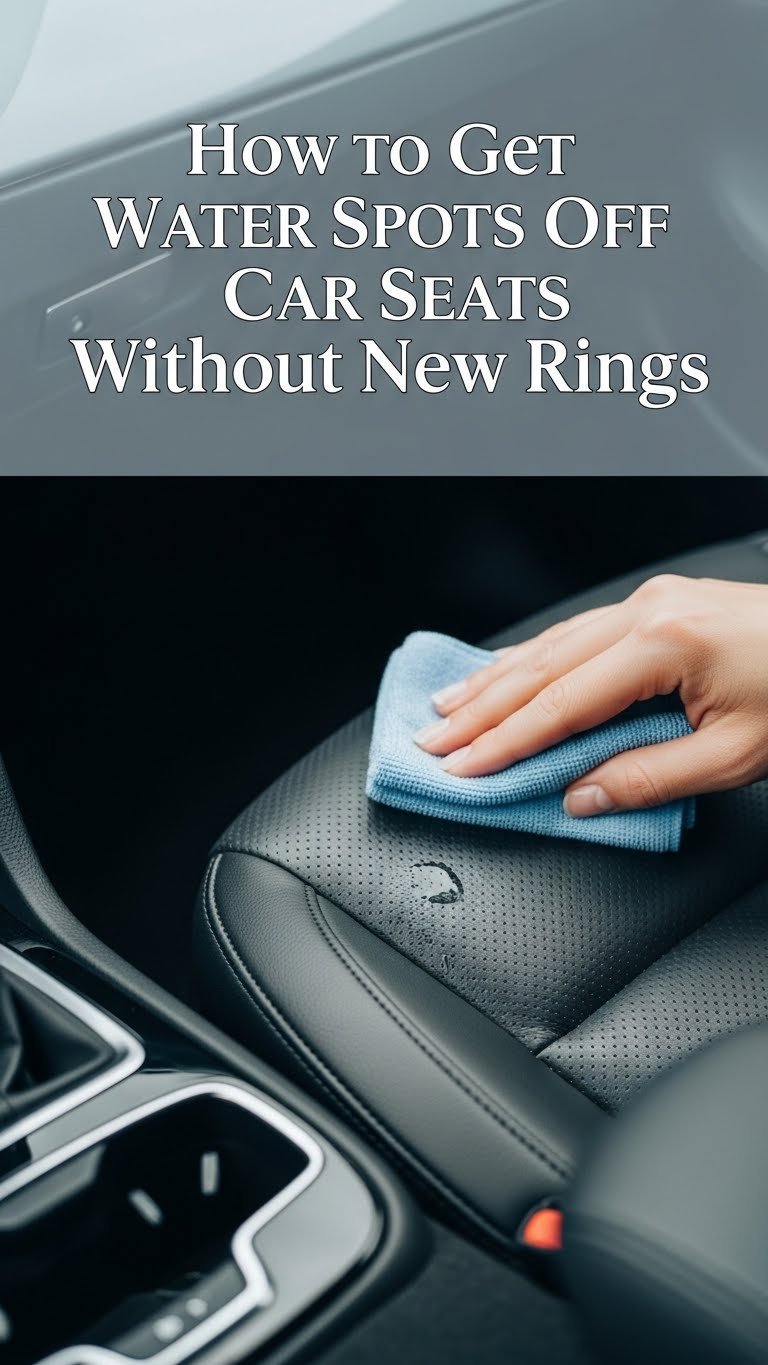
This guide walks you through proven DIY methods that focus on the correct technique to lift stains from both cloth and leather seats. By following these steps, you can confidently restore your car’s interior without the common fear of making the problem worse. We’ll cover everything from the science behind the stain to the specific tools and cleaning solutions you need to get the job done right.
We understand the frustration. The fear of creating an even bigger stain is real, but this guide is designed specifically to prevent that common pitfall.
Why Does Water Stain Cloth Car Seats? (The Science of the Stain)
Water stains car seats due to a “wicking effect.” When tap water soaks into the fabric and underlying foam, it dissolves minerals and any latent dirt. As the water evaporates, this dirty, mineral-rich water is pulled or “wicked” to the outer edges of the wet spot, where the minerals and dirt are deposited as the water dries. This concentrated deposit forms the visible ring.
This process, known in professional detailing as capillary action staining, is the primary reason why just dabbing a spot with more water often makes it worse. You’re simply expanding the area where minerals can be deposited.
Here’s a simple breakdown of the process:
- Penetration: Tap water, full of minerals like calcium and magnesium, soaks into the porous fabric and foam cushion of your car seat.
- Dissolving: The water acts as a solvent, picking up not only its own minerals but also any invisible dirt, dust, or residue already in the seat foam.
- Evaporation & Wicking: As the seat begins to dry from the top down, the water evaporates. This creates a vacuum effect that pulls more water from deep within the cushion to the surface. This water carries the dissolved dirt and minerals with it.
- Precipitation: The water is drawn to the edge of the wet patch where evaporation is most active. As it evaporates there, it leaves the concentrated ring of dirt and mineral precipitation behind.
Understanding this science is the key to effective removal. The goal isn’t just to wet the stain but to dissolve and lift away these mineral deposits from the entire section of fabric, which is why using distilled water (which has no minerals) is a critical part of the solution.
What Tools and Cleaners Do You Need to Remove Water Spots?
To remove water spots from car seats, you will need several clean microfiber towels, a soft-bristled upholstery brush, and a spray bottle. For a DIY cleaning solution, you’ll need distilled water and either white vinegar or baking soda. A wet-dry vacuum is highly recommended for extracting moisture effectively and speeding up the drying process.
Based on our hands-on experience, gathering all your materials before you start is crucial for a smooth process. Here’s a checklist of what you’ll need.
Essential Tools
- Vacuum with a Brush Attachment: For removing all loose dirt and debris first.
- Spray Bottle: For applying your cleaning solution evenly.
- Soft-Bristled Upholstery Brush: To gently agitate the fabric and loosen the stain without causing damage.
- Multiple Clean Microfiber Towels: You’ll need at least 3-4. They are highly absorbent and perfect for blotting away moisture and grime without leaving lint behind.
DIY Cleaning Agents
- Distilled Water: This is your secret weapon. It contains no minerals, so it won’t leave new spots as it dries. Use it for mixing your cleaner and for the final rinse.
- White Vinegar: Its mild acidity is perfect for breaking down and dissolving the alkaline mineral deposits that form water stains.
- Baking Soda: A great option for tougher stains or those accompanied by an unpleasant odor, as it acts as a mild abrasive and a natural deodorizer.
Optional (But Highly Recommended) Tools
- Wet-Dry Vacuum / Extractor: This is the most effective tool for pulling dirty water and cleaning solution out of the seat foam, drastically reducing drying time and preventing mildew.
- Steam Cleaner: The hot steam can help break down stubborn mineral deposits and sanitize the fabric without using harsh chemicals.
How Do You Prepare the Car Seat Before Cleaning? (The 2 Crucial First Steps)
Before you apply any cleaner, you must perform two crucial preparation steps to ensure a successful outcome and prevent damage. As professional detailers always say, preparation is 90% of the job. Skipping these steps can turn loose dirt into mud or cause permanent discoloration.
1. Vacuum Thoroughly
The first step is to use a vacuum with a brush attachment to remove all loose dirt, dust, and debris from the entire seat. Pay special attention to the seams and crevices where dirt accumulates. If you skip this, any liquid you apply will mix with this loose grime, effectively turning it into mud and grinding it deeper into the fabric fibers, making the stain much worse.
2. Perform a Spot Test
Next, you must perform a spot test with your chosen cleaning solution. Apply a small amount of the cleaner to an inconspicuous area of the seat, such as the underside or a side flap that is out of sight. Let it sit for a few minutes, blot it, and then allow it to dry completely. Check for any signs of fabric discoloration, color bleeding, or damage. Car upholstery can be made from many different synthetic and natural fibers, and this simple test prevents a costly mistake.
Pro Tip: While spot testing, identify the “seams” of the affected seat panel. Your goal will be to clean this entire rectangular or square section, from one stitch line to the next. This is the foundation of the “seam-to-seam” technique that prevents new rings.
What Is The Best Way to Get Water Stains Out of Cloth Car Seats?
The best way to get water stains out of cloth car seats is to use a diluted white vinegar and distilled water solution. Spray the entire seat panel from seam to seam, not just the spot itself. Gently agitate the surface with a soft brush, and then blot the area dry with a clean microfiber towel. This method cleans the visible stain while also dissolving the mineral deposits that cause it, preventing it from returning.
For different situations, you might choose another method. Below are three tested approaches, from a simple DIY fix to using a commercial product.
Method 1: How to Use a Vinegar and Distilled Water Solution? (Best for Most Stains)
This is the go-to method for light to moderate water spots. The acidity of the vinegar is perfect for breaking down the alkaline mineral deposits that form the stain. Don’t worry about the smell; it will completely disappear as the seat dries.
- Mix Your Solution: In a spray bottle, create a 50/50 mixture of white vinegar and distilled water.
- Spray from Seam to Seam: Lightly mist the entire affected seat panel. Do not just spray the spot. A light, even coat over the whole section is key to preventing a new ring. The fabric should be damp, not soaked.
- Agitate Gently: Use your soft-bristled upholstery brush to gently scrub the entire dampened area in small, circular motions. This helps the solution penetrate the fibers and lift the stain.
- Blot Firmly: Take a clean, dry microfiber towel and press it firmly into the fabric to absorb the moisture and lifted grime. Fold the towel to a clean side and continue blotting until no more moisture is transferred.
Method 2: How to Apply a Baking Soda Paste for Odors and Tough Stains?
If your water stain is stubborn or has an unpleasant, musty odor, baking soda is an excellent choice. It works as both a mild abrasive to lift stains and a natural deodorizer to absorb smells.
- Create the Paste: In a small bowl, mix about 3 parts baking soda with 1 part warm water until you have a paste with the consistency of frosting.
- Apply to the Stain: Spread a thin layer of the paste directly onto the water spot. You don’t need to cover the entire panel for this method.
- Let it Work: Allow the paste to sit on the stain for 15-20 minutes. It will dry into a powder as it absorbs the stain and odor.
- Vacuum it Up: Once the paste is completely dry, use your vacuum’s brush attachment to thoroughly remove all the powder from the seat.
- Final Wipe: Lightly dampen a microfiber towel with a little distilled water and wipe the area to remove any remaining residue.
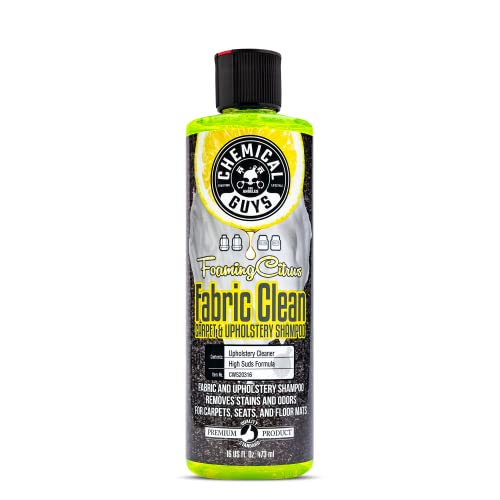
Method 3: When Should You Use a Commercial Upholstery Cleaner?
You should use a commercial car upholstery cleaner when DIY methods fail or for very old, set-in water stains. These products are formulated with powerful cleaning agents called surfactants, which are special ingredients designed to lift tough dirt, oil, and grime more effectively than simple household solutions.
For the best results, choose a foaming upholstery cleaner from a reputable car care brand. The foam helps to lift dirt out of the fibers without over-saturating the seat.
When to Use a Commercial Cleaner:
- For very old or stubborn water stains.
- If the stain is from something other than water (like coffee or soda).
- When you prefer the convenience and power of a purpose-built product.
Always remember to spot test first and follow the manufacturer’s instructions, but apply the same core techniques: work from seam to seam and blot thoroughly.
| Feature/Aspect | Method 1: Vinegar Solution | Method 2: Baking Soda Paste | Method 3: Commercial Cleaner |
|---|---|---|---|
| Best For | Light to moderate water spots, general cleaning | Stubborn stains, stains with odors | Old, set-in stains, greasy marks |
| Cost | Lowest | Low | Moderate |
| Effort Level | Low | Medium (requires paste mixing and vacuuming) | Low to Medium |
| Key Benefit | All-natural, cheap, effective | Deodorizes as it cleans | Formulated for maximum power |
| Potential Downside | Temporary vinegar smell | Can be messy, requires thorough vacuuming | Contains chemicals, more expensive |
How Do You Remove Water Marks from Leather Seats Safely?
To remove water marks from leather seats, gently wipe the area with a damp microfiber cloth and a pH-balanced leather cleaner. After cleaning, it is crucial to apply a high-quality leather conditioner. Water displaces the natural oils in leather, and the conditioner replenishes this moisture to prevent the leather from becoming dry, stiff, and cracked.
Cleaning leather is completely different from cleaning cloth. It is a natural skin that can be permanently damaged by the wrong chemicals.
⚠ WARNING: Never use vinegar, baking soda, dish soap, or any other harsh household cleaner on your leather car seats. These products are too acidic or alkaline and will strip the leather’s natural oils and protective finish, leading to drying, cracking, and discoloration.
Follow these safe steps for leather seat care:
- Gentle First Wipe: Dampen a clean microfiber towel with a small amount of distilled water. Gently wipe the water-stained area to remove any surface-level mineral deposits.
- Apply Leather Cleaner: Spray a small amount of a pH-balanced leather cleaner (specially made to be gentle on leather) onto a microfiber applicator or another clean towel, not directly onto the seat.
- Clean the Panel: Gently wipe the entire affected panel of the seat with the cleaner. This ensures a uniform finish.
- Wipe Away Residue: Use a separate, clean, and slightly damp towel to wipe away any excess cleaner.
- Apply Leather Conditioner (Crucial Step): This is the most important part. Apply a small amount of quality leather conditioner to a new applicator pad. Work it into the entire seat—not just the spot you cleaned—in a gentle, circular motion. This restores the oils and protects the leather.
- Buff to a Finish: Let the conditioner sit for the time recommended by the manufacturer (usually 15-30 minutes), then use a final clean, dry microfiber towel to gently buff the seat to a soft, natural shine.
FAQs About How to get water spots off car seats
Why do my car seats look worse after cleaning?
This almost always happens because the cleaning was too localized, creating a new, larger water ring. When you clean only the spot, you’re causing the same wicking effect explained earlier. The water pushes the original minerals and dirt outwards, forming a new “tide mark.” To prevent this, you must clean the entire panel from one seam to the other for a uniform finish.
Does distilled water really prevent water rings?
Yes, using distilled water is the single most important trick to prevent new water spots. Tap water contains minerals like calcium and magnesium. When it evaporates, these minerals are left behind, creating the stain. Distilled water is purified and has no mineral content, so when it dries, it leaves absolutely nothing behind, ensuring a clean finish.
How do you get water stains out of black or dark-colored car seats?
The process is the same, but the stakes are higher as rings are more visible. For dark seats, the seam-to-seam technique and using distilled water are non-negotiable. After cleaning, ensure the seat is completely dry with no damp spots, as even small amounts of remaining moisture can create a noticeable mark on dark fabric as they dry.
Can I use a steam cleaner to remove water spots?
Yes, a steam cleaner is an excellent tool for this job. The hot steam helps to dissolve mineral deposits and lift stains without over-saturating the fabric. For best results, steam the entire seat panel, then immediately follow up by blotting with a clean, dry microfiber towel to absorb the loosened grime and excess moisture.
How do you get salt water stains off car seats?
For salt stains, a vinegar and distilled water solution is your best option. Salt is a mineral, and the acidity of the vinegar is highly effective at dissolving the salt crystals. Follow the same process: spray the 50/50 solution from seam to seam, agitate with a brush, and blot dry. You may need to repeat the process for heavy salt buildup.
How long does it take for car seats to dry?
Drying time can range from 2 to 8 hours, depending on the method and conditions. If you blot thoroughly and use a fan or hair dryer on a cool setting, it can be much faster. If you let it air dry in a humid climate, it can take much longer. Never leave the seat heavily soaked, as this can lead to mold and mildew in the foam cushion.
Is it okay to use a hair dryer to dry car seats?
Yes, but only on a cool or low-heat setting. High heat can damage synthetic fabric fibers or shrink leather. Hold the hair dryer at least 6-8 inches from the surface and keep it moving to distribute the air evenly. The goal is to increase airflow, not to bake the seat dry.
How do you ‘feather the edges’ when cleaning a stain?
‘Feathering’ means blending the wet cleaning area into the dry area to avoid a hard line. After cleaning the main spot, lightly mist the surrounding area with plain distilled water. Then, using a clean, dry towel, blot from the outside of the damp area inward towards the center of the original stain. This creates a gradual transition so no new ring forms.
What if the water stain is very old?
For old, set-in water stains, you may need to step up to a commercial upholstery cleaner or a wet-dry vacuum. DIY solutions work best on fresher stains. An old stain may have bonded more strongly with the fabric fibers. A quality foaming cleaner or the extraction power of a wet-dry vac will be more effective at breaking down and removing these stubborn marks.
How can I prevent water spots on my seats in the future?
The best prevention is applying a quality fabric protector spray. After a deep clean, treat your seats with a product like Scotchgard for fabric or a dedicated leather sealant. These products create a hydrophobic barrier that causes liquids to bead up on the surface instead of soaking in, giving you time to wipe them away before they can stain.
Key Takeaways: How to Get Water Spots Off Car Seats
- The Stain is Minerals, Not Water: Remember that water spots are caused by mineral deposits left behind from tap water. The key to removal is dissolving these minerals.
- Distilled Water is Non-Negotiable: Always use distilled water for your cleaning solution and for the final rinse/wipe. It contains no minerals and is your best weapon against creating new rings.
- Clean Seam-to-Seam: Never clean just the spot. Always clean the entire affected panel from one seam to the other to ensure it dries evenly and without a new “tide mark.”
- Cloth and Leather are Different: Use a vinegar solution or baking soda on cloth seats. For leather, always use a dedicated pH-balanced leather cleaner followed by a leather conditioner to prevent drying and cracking.
- Technique Over Tools: A simple DIY vinegar solution applied with the correct seam-to-seam technique is more effective than an expensive cleaner applied incorrectly.
- Blot, Don’t Rub: When drying, firmly press a clean microfiber towel into the fabric to absorb moisture. Rubbing can fray fabric fibers and push dirt around.
- Prevention is Easiest: After your seats are clean and dry, apply a fabric or leather protectant spray. This will make future spills bead up on the surface, preventing them from becoming stains in the first place.
Final Thoughts on Achieving Spotless Car Seats
Removing water spots from your car seats is much more about technique than about finding a single magic product. By understanding that you’re fighting mineral deposits, not just water, you can choose the right approach. Whether you use a simple vinegar solution on cloth or a dedicated cleaner and conditioner on leather, the core principles remain the same: clean the entire panel from seam to seam, use distilled water, and blot thoroughly. With these methods, you can confidently tackle water stains and restore your car’s interior to its clean, uniform appearance.
Last update on 2026-01-02 / Affiliate links / Images from Amazon Product Advertising API


