Facing a foul urine smell in your car? It’s one of the most stubborn and unpleasant odors to tackle.
That lingering ammonia scent is caused by urine soaking deep into your car’s upholstery and foam cushions. Simple surface sprays and air fresheners just can’t reach the source of the problem.
To permanently get urine smell out of a car, you must use a cleaning solution that neutralizes ammonia and breaks down uric acid crystals, then physically extract the solution and dissolved urine from the upholstery using a wet/dry vacuum. This guide will show you exactly how to do it with proven, step-by-step methods.
Key Facts
- The Real Culprit is Uric Acid: Lingering urine odor is caused by uric acid crystals, which are not water-soluble and reactivate with heat and humidity, releasing a foul smell long after the spot is dry.
- Heat Makes it Permanent: Never use a steam cleaner or hot water on a urine stain. According to cleaning industry standards, heat can permanently bond the proteins in urine to fabric fibers, making the odor impossible to remove.
- Extraction is Non-Negotiable: Professional detailers agree that the most critical step is physically removing the dissolved urine from deep within the seat foam. Simply letting a cleaner air-dry leaves the odor source behind.
- Enzymes are the Ultimate Solution: For old or strong smells, enzyme cleaners are the most effective solution. Biochemical research shows these products use specialized proteins to chemically break down and destroy uric acid crystals.
- The Smell Can Return: If the odor comes back on a hot day, it means the cleaning solution did not fully penetrate the foam to neutralize all the uric acid crystals, requiring a second, deeper treatment.
First Response: What to Do Immediately for a Fresh Urine Accident
For a fresh urine spill in a car, immediately blot the area with a clean, absorbent towel. This is the most critical first step to prevent the liquid from soaking deep into the seat foam. Your goal is damage control through immediate absorption. This emergency “first aid” can make the difference between a simple cleanup and a lingering odor problem.

Here is the emergency protocol for a fresh pee accident:
- Blot, Don’t Rub. Take a clean, dry, and colorfast towel and press it firmly onto the wet spot. Rubbing or scrubbing will only spread the urine and grind it deeper into the upholstery fibers.
- Apply Firm Pressure. To absorb liquid from the cushion below the fabric, you need to apply significant pressure. You can stand on the towel or press down with your full body weight for about 30 seconds.
- Repeat with Dry Towels. Replace the saturated towel with a fresh, dry one and repeat the process. Continue until you can’t pull any more moisture out of the seat. The drier you get it now, the easier the deep cleaning will be.
WARNING: Avoid using any heat source, like a hairdryer, to dry the spot. Urine is a protein stain, and heat will permanently set it into the fabric, making the odor and discoloration nearly impossible to remove.
The Science of Stink: Why Urine Smell Lingers (and Why It Comes Back)
Have you ever cleaned a urine spot, only for the smell to return with a vengeance on the first hot or humid day? You’re not alone, and there’s a scientific reason for it. The problem goes much deeper than the visible stain.
Urine smell is hard to remove due to uric acid crystals. While urine is mostly water, it also contains urea and uric acid. Bacteria feed on the urea, which produces that distinct ammonia smell. But the real enemy is the uric acid, which forms sharp, non-water-soluble crystals as it dries. These crystals cling tightly to the fibers deep within your car’s seat foam.
Because these crystals don’t dissolve in water, regular soap and water can’t remove them. Whenever they are exposed to moisture—even just humidity in the air—the crystals reactivate and release a new wave of pungent odor. This is why you need a specific type of cleaner that can break down and destroy these crystals, not just mask the smell.
Your Complete Cleaning Toolkit: Supplies for Every Method
Before you start the cleaning process, gathering the right supplies will ensure you get the job done right the first time. Having everything on hand prevents you from having to stop midway through the process. Here’s a checklist of what you’ll need.
For the DIY Method:
- Clean, white absorbent towels (to prevent color transfer)
- Two clean spray bottles
- Distilled white vinegar
- Baking soda (sodium bicarbonate)
- Cool water
For the Pro-Grade Method:
- A high-quality commercial enzymatic cleaner
- A UV blacklight (optional, but highly recommended for finding old stains)
Essential for Both Methods:
- A Wet/Dry Vacuum: This is the most important tool. A standard household vacuum cannot be used for liquids. A wet/dry vac is non-negotiable for physically extracting the cleaning solution and dissolved urine from deep inside the seat foam.
- Rubber gloves
Method 1: The Step-by-Step DIY Vinegar & Baking Soda Solution
For fresh or mild urine spills, a homemade solution using white vinegar and baking soda can be very effective. The acetic acid in vinegar works to neutralize the alkaline ammonia in urine, while the baking soda helps to absorb lingering odors.
To clean car urine with vinegar, first blot the area. Then, spray a 1:1 solution of white vinegar and water, letting it sit for 15 minutes. For extra power, create a baking soda paste. Finally, flush with water and remove all liquid with a wet/dry vacuum.
Here’s the complete, step-by-step process:
- Create Your Vinegar Solution. In a spray bottle, mix a solution of 50% distilled white vinegar and 50% cool water. Shake it well to combine.
- Saturate the Affected Area. Lightly spray the solution onto the stain. Don’t be afraid to use a liberal amount; you need the solution to penetrate as deeply as the urine did. The goal is to reach all the urine in the seat foam.
- Allow Dwell Time. Let the solution sit for at least 15-20 minutes. This gives the vinegar time to work on neutralizing the ammonia.
- Blot the Solution. After the dwell time, firmly blot the area with clean, dry towels to absorb as much of the vinegar solution as possible.
- (Optional) Apply Baking Soda. For an extra boost, you can sprinkle a generous layer of baking soda over the damp area or create a thick paste with a small amount of water. Let it dry completely; it will form a crust as it absorbs the remaining odor. Vacuum up the dried baking soda.
- Flush and Extract. This is the most important step. Lightly pour a small amount of clean, cool water over the area to rinse it. Immediately use a wet/dry vacuum to suck all the liquid out of the seat. Repeat this flushing and extracting process until the water being pulled into the vacuum looks clear.
A Note on the Vinegar Smell: Your car will smell like vinegar for a day or two. This is normal. The vinegar smell is temporary and will completely dissipate as the area dries, taking the urine smell with it.
Method 2: The Pro-Grade Enzyme Cleaner Process for Stubborn Odors
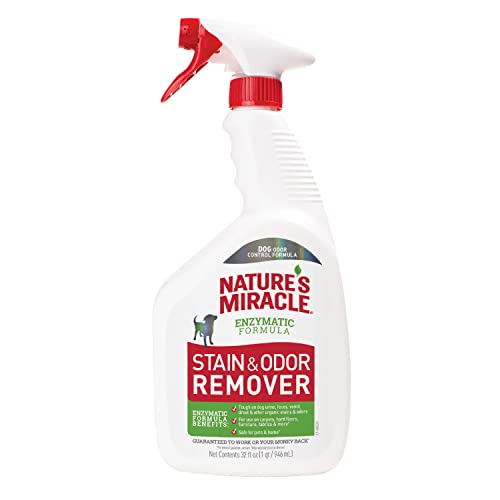
If you’re dealing with an old, dried urine stain or a particularly strong odor, the DIY method may not be enough. This is when you need to bring in the ultimate weapon: a commercial enzyme cleaner. These cleaners contain beneficial bacteria and enzymes that physically break down and consume the uric acid crystals, permanently eliminating the source of the odor.
For stubborn urine odors, an enzyme cleaner is the most effective solution. Thoroughly saturate the area so the cleaner reaches all the urine, let it dwell for several hours (or as directed) to break down uric acid crystals, then extract all the liquid with a wet/dry vacuum.
Follow these steps for professional-grade results:
- Locate the Stain. If the stain is old and not visible, use a UV blacklight in a dark garage to find it. Dried urine will glow under the UV light.
- Saturate Generously. This is the key to success. You must use enough enzyme cleaner to completely saturate the stain and the underlying foam padding. The cleaner has to reach everywhere the urine went. Follow the product’s instructions, but as a rule of thumb, use a volume of cleaner equal to the amount of urine you think was spilled.
- Give It Time to Work (Dwell Time). Enzyme cleaners are not instant. They need time for the biological catalysts to do their job. Check the product label, but most require several hours of dwell time. Do not blot or dry the area during this time.
- Rinse and Extract. Just like with the vinegar method, the final step is to flush the area with a small amount of clean water and use a wet/dry vacuum to extract all the moisture. Continue extracting until the seat feels merely damp to the touch.
- Air Dry Completely. Allow the area to air dry completely, which could take 24 hours or more. Use a fan and open windows to speed up the process. The enzymatic action may continue as long as the area is damp.
Pro-Tip: For maximum effect on old stains, cover the saturated area with a piece of plastic wrap after applying the enzyme cleaner. This prevents the cleaner from evaporating and keeps the enzymes damp and active for a much longer period, allowing them to break down even the most stubborn uric acid crystals.
| Feature | DIY Vinegar Solution | Commercial Enzyme Cleaner |
|---|---|---|
| Best For | Fresh, minor spills | Old, stubborn, or strong odors |
| Mechanism | Neutralizes ammonia | Destroys uric acid crystals |
| Cost | Very Low | Moderate |
| Time Required | ~1 hour + drying | 8-12 hours dwell time + drying |
| Effectiveness | Good | Excellent (Permanent Removal) |
Special Considerations: Cleaning Leather, Seat Belts, and Hard Surfaces
Urine doesn’t always land on easy-to-clean cloth seats. Spills on leather, seat belts, or plastic trim require different approaches to avoid causing damage while still eliminating the odor. A one-size-fits-all method is a recipe for disaster.
For leather seats, use a pH-neutral leather cleaner and wipe, do not saturate. Always follow up with a leather conditioner. For seat belts, extend the belt fully, clean with a mild soap solution, and allow it to air dry completely before retracting.
Treating Leather and Vinyl Seats
Leather and vinyl are non-porous, which is a big advantage as the urine is less likely to soak in. However, the acidic nature of urine and harsh cleaners can cause these materials to dry out and crack.
Clean urine from leather seats by wiping with a dedicated pH-neutral leather cleaner, then immediately apply a leather conditioner to prevent drying and cracking.
- Wipe Up Immediately: Quickly wipe up any liquid with a soft, absorbent cloth.
- Use a Proper Cleaner: Spray a dedicated, pH-neutral leather cleaner onto a microfiber cloth, not directly onto the seat. Gently wipe the affected area.
- Wipe Dry: Use a separate clean, dry microfiber cloth to wipe the area dry.
- Condition the Leather: This step is crucial. Apply a quality leather conditioner to restore moisture and protect the material from drying or cracking.
Important: Never use vinegar, bleach, or all-purpose cleaners on leather or vinyl, as they can strip the finish and cause permanent damage. Avoid saturating the seams, as liquid can seep through the stitching into the foam cushion below.
Cleaning Seat Belts and Straps
Seat belt webbing is a tightly woven material that can trap odors. Cleaning it requires a gentle approach to avoid compromising the material’s structural integrity, which is vital for safety.
To clean a seat belt, extend it fully, gently scrub with a cloth using mild soap and water, rinse with a damp cloth, and let it air dry completely before allowing it to retract.
- Extend and Secure: Pull the seat belt all the way out. Use a binder clip or clamp at the top retractor mechanism to prevent it from pulling back in.
- Gently Scrub: Mix a small amount of mild soap (like dish soap) with warm water. Dip a cloth in the solution, wring it out, and gently scrub both sides of the belt webbing.
- Rinse Thoroughly: Use a new cloth dampened with only clean water to wipe down the belt and remove any soap residue.
- Air Dry Completely: Leave the belt extended and clipped until it is 100% dry. Retracting a damp belt will lead to mildew and a musty smell.
When DIY Fails: Advanced Solutions & Knowing When to Call a Pro
Sometimes, despite your best efforts, a faint smell lingers. This can happen if the urine soaked extremely deep into the seat cushion or into hard-to-reach areas of the car’s ventilation system. If you’re at your wit’s end, there are a few more advanced options to consider before calling in a professional.
If a car still smells like urine after cleaning, use activated charcoal bags to absorb residual odors. For severe cases, a professional detailer with an ozone generator or hot water extractor may be needed to permanently eliminate the smell.
- Activated Charcoal: For mild, lingering airborne odors, activated charcoal is an excellent absorber. Place several bags or a large open container of activated charcoal in the closed car for a few days. It will passively absorb and trap the remaining odor molecules.
- Ozone Generators: An ozone generator is a powerful machine that creates O3 (ozone), a molecule that oxidizes and destroys odor-causing compounds. This is a highly effective but potentially dangerous tool.
Safety Warning: Ozone is harmful to breathe and can damage rubber and plastic trim if used improperly. The vehicle must be completely unoccupied (no people, pets, or plants) during treatment and then aired out thoroughly for several hours before it is safe to enter. This is often best left to professionals.
When to Call a Professional Detailer:
It’s time to call a pro if:
* You’ve tried the enzyme cleaner method twice without success.
* The urine has soaked the entire seat cushion through and through.
* You suspect the urine has gotten into the car’s HVAC system.
* You simply don’t have the time or tools (like a wet/dry vac) to do the job properly.
A professional detailer has access to commercial-grade hot water extractors and can safely operate an ozone generator to guarantee odor removal.
FAQs About how to get urine smell out of car
Will my car smell like vinegar after cleaning?
Yes, initially it will, but the vinegar smell is temporary. The acetic acid odor will completely dissipate as the area dries, typically within 24 hours. Unlike urine odor, the vinegar smell does not bind to fibers and will air out, taking the ammonia smell with it.
Why did the smell come back on a hot or humid day?
This means some uric acid crystals were left behind deep in the cushion. These crystals are reactivated by moisture and heat, releasing the foul odor again. This indicates the area was not fully saturated with cleaner or the cleaning solution was not thoroughly extracted. A second, deeper treatment with an enzyme cleaner is needed.
Can I use a steam cleaner to get the smell out?
No, you should never use heat or steam on a urine stain. Urine is a protein stain, and heat will essentially “cook” the proteins, permanently bonding them to the fabric fibers. This can make the stain and the odor impossible to remove. Always use cool or lukewarm water.
Is it safe to use an enzyme cleaner on a child’s car seat?
You must read the product label carefully. While many enzyme cleaners are non-toxic once fully dry, it is crucial to verify. For child car seats, the safest approach is often the vinegar and water method, followed by a thorough rinse with clean water and ensuring the seat is 100% dry before use.
How long does it take for a car seat to dry?
Drying time can range from 8 to 24 hours, or even longer in humid climates. This depends entirely on how saturated the cushion became. To speed up drying, use a fan pointed directly at the wet area and keep the car windows open in a secure, well-ventilated space like a garage.
Key Takeaways: Your Urine Smell Removal Cheat Sheet
- The Real Enemy is Uric Acid: The lingering smell is caused by uric acid crystals that don’t wash away with water. You must use a cleaner that can break them down, like enzymes or vinegar.
- Blot, Never Rub: For fresh spills, your first and most important job is to absorb as much liquid as possible by blotting with a dry towel. Rubbing only grinds the urine deeper into the fibers.
- Heat is Your Enemy: Never use a steam cleaner or hot water on urine stains. The heat will permanently set the protein stain, making it nearly impossible to remove.
- Extraction is Non-Negotiable: The single most critical step is using a wet/dry vacuum to pull the cleaning solution and the dissolved urine out of the deep foam. Simply air-drying leaves the source of the smell behind.
- Enzyme Cleaners Are the Ultimate Weapon: For old, strong, or stubborn smells, a quality enzyme cleaner is the most effective solution. Give it plenty of time to work (dwell time) for the best results.
- Test and Be Patient: Always test any cleaner on a hidden spot first. The complete process, including thorough drying, can take over 24 hours. Patience is key to a successful outcome.
Final Thoughts on Restoring Your Car’s Freshness
Dealing with urine smell in your car is a frustrating experience, but permanent removal is absolutely achievable. The key is to move beyond surface cleaning and focus on destroying the source of the odor—the uric acid crystals hidden deep in the cushions. Whether you choose the accessible DIY vinegar method for a fresh spill or the powerful enzyme cleaner for a stubborn old stain, the principles remain the same: saturate the source, give the cleaner time to work, and extract everything thoroughly.
By following these tested steps, you can confidently tackle the problem, restore the freshness of your car’s interior, and get back to enjoying your drive.
Last update on 2026-03-07 / Affiliate links / Images from Amazon Product Advertising API