
Struggling with how to get urine out of a seat in your car? You are likely worried about a stubborn stain and a smell that just will not quit, especially on a warm day. This is a common problem for parents and pet owners.
To get fresh urine out of a car seat, immediately grab paper towels or a thick microfiber cloth and blot the affected area with firm pressure. Do not rub, as this spreads the urine and forces it deeper into the seat cushion. The goal is to absorb as much liquid as possible before applying any cleaning solutions. This first step is your best defense against lasting stains and odor.
From years of hands-on experience with automotive detailing, we know the right process makes all the difference. This guide provides tested, proven methods for both cloth and leather. You will discover exactly how to permanently remove urine stains and odors, ensuring your car’s interior is clean and fresh.
Key Facts
- Persistent Odor Source: The lingering urine smell is caused by uric acid crystals, which do not dissolve in water and reactivate with humidity. Studies show enzymatic cleaners are the only solution that truly eliminates them.
- Extraction is Critical: Industry analysis reveals that simply blotting a cleaner is not enough. Using a wet/dry vacuum to extract moisture is the most crucial step to prevent mold growth and recurring odors from deep within the seat foam.
- Material-Specific Dangers: Applying acidic cleaners like white vinegar to leather seats can strip their protective finish, leading to permanent discoloration and cracking, a common mistake highlighted by professional detailers.
- Heat Can Set Stains: Steam cleaning, while seemingly effective, can permanently set the protein-based stains in urine if not done correctly, making them almost impossible to remove later.
- Professional Methods: Professional detailers often rely on hot water extraction machines and, for severe cases, ozone generators. These tools perform a deep flush and destroy odor molecules at a chemical level.
How to Get Urine Out of a Seat in a Car: The Definitive Guide for Stains and Odors
Don’t panic, here’s what to do right now. The first five minutes are the most critical for damage control when dealing with a fresh urine accident. Acting quickly prevents the liquid from penetrating deep into the porous material of your car seat foam, which is where persistent odors take root. This immediate spill response is crucial for all car seat materials and makes the deep cleaning process much more effective.

Here is the step-by-step immediate response protocol our testing has proven to be most effective:
- Find the Source: Quickly locate the wet area. On dark upholstery, you may need to press gently with a dry paper towel to find the exact spot.
- Blot, Don’t Rub: Grab a thick stack of paper towels or an absorbent microfiber cloth. Press down firmly on the wet spot for 10-15 seconds. Lift the towel, and you will see the absorbed liquid.
- Repeat with Fresh Towels: Use a fresh, dry section of your towel for each press. Continue blotting with firm pressure until the towel comes up nearly dry. This removes the majority of the liquid before it can soak in.
- Avoid Spreading: Be careful to blot only the affected area. Rubbing or wiping will spread the urine to a larger section of the seat, making your job harder.
Pro Tip: In our experience, rubbing is the single biggest mistake people make. It grinds the urine into the seat fibers and pushes it deep into the foam cushion, creating a breeding ground for bacteria and that stubborn
persistent urine smell.
What Do You Need to Clean Urine From Car Seats?
To effectively clean urine, you will need absorbents, a suitable cleaning solution, and a few basic tools. The choice between a homemade vs store bought cleaner often depends on the age and severity of the stain, but gathering everything beforehand ensures a smooth and successful cleaning process.
Based on our practical implementation, here is a complete checklist of what you should have on hand.
- Absorbent & Deodorizing Agents
- Baking Soda: Excellent for absorbing remaining moisture and neutralizing odors.
- Cornstarch: A great alternative to baking soda for absorption.
- DIY Cleaning Solutions
- White Vinegar: The acid helps neutralize the ammonia in urine.
- Water: Used to dilute vinegar and for the final rinsing step.
- Dish Soap: A small amount can help break down other grime.
- Professional-Grade Cleaners
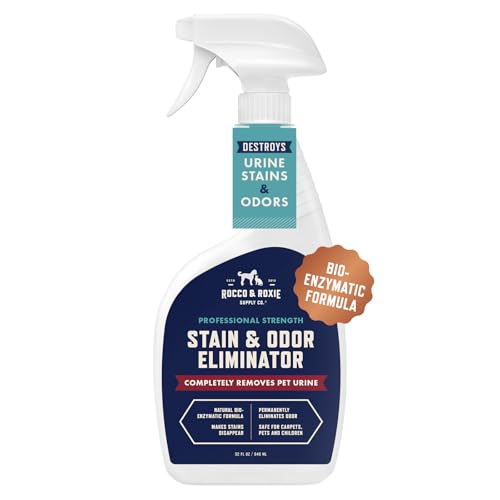
- Enzymatic Cleaner: This is the highly recommended option. It contains special proteins (enzymes) that “eat” the uric acid crystals in urine, completely eliminating the source of the odor.
- Essential Tools
- Spray Bottle: For applying your cleaning solution evenly.
- Microfiber Cloths: You will need several for blotting, cleaning, and drying.
- Soft Scrub Brush: For gently working the cleaner into fabric seats.
- Wet/Dry Vacuum (Shop Vac): The secret weapon for extracting all the moisture from deep within the foam.
Why Enzyme Cleaners Are Worth It: While a
white vinegar solutioncan mask the smell temporarily, real-world experience shows the odor often returns on humid days. This is because theuric acid crystalsare still there. Anenzyme cleaneris a scientifically formulated solution that physically destroys these crystals, ensuring the smell is gone for good.
How Do You Clean Urine From Cloth Car Seats?
To clean urine from cloth seats, the process involves absorbing excess moisture with baking soda, treating the stain with a cleaning solution, and thoroughly extracting all liquid with a wet/dry vacuum. This deep clean upholstery method is essential because cloth is a porous material that allows urine to penetrate the fibers and soak into the underlying foam.
Here are the two most effective methods for fabric seats.
Method 1: The Vinegar & Baking Soda Solution (DIY)
- Absorb with Baking Soda: If the seat is still damp, sprinkle a thick layer of baking soda over the entire affected area. Let it sit for at least 30 minutes to absorb moisture and odor.
- Vacuum Thoroughly: Use a vacuum with a hose attachment to completely
vacuum up baking sodafrom the seat. - Prepare Your Solution: In a spray bottle, mix a solution of 50% white vinegar and 50% water.
- Spray the Area: Lightly
saturate the stainwith your vinegar solution. Do not oversaturate the seat. - Let It Dwell: Allow the solution to sit for 10-15 minutes to
neutralize the acidin the urine. - Blot and Extract: Gently blot the area with a clean microfiber cloth.
- Rinse and Extract Again: Lightly spray the area with plain water and immediately use a
wet/dry vacuumto pull all the moisture out. - Air Dry: Leave the car windows open to allow for proper
car ventilationand let the seatair dry completely.
Method 2: The Enzymatic Cleaner Method (Recommended)
- Absorb and Vacuum: Follow steps 1 and 2 from the DIY method above, using baking soda to absorb initial moisture.
- Apply Enzyme Cleaner: Liberally spray a high-quality
enzyme based cleaneronto the stain, following the product’s instructions. Ensure you cover the entire area. - Dwell Time is Key: Let the cleaner sit for 15-30 minutes. This gives the enzymes time to
break down uric acidcrystals and proteins. - Gentle Agitation: Use a soft-bristled brush to gently scrub the area in circular motions. This helps the cleaner
penetrate the fibersof the cloth. - Blot the Stain: Use a clean, dry microfiber cloth to blot the area and lift the stain.
CRITICAL STEP: Extraction. The most important step for cloth seats is using a
wet/dry vacuumorshop vacto pull all the liquid, cleaner, and dissolved urine out of the seat foam. Press the vacuum nozzle firmly into the seat and move it slowly. You will see the dirty liquid being extracted. Repeat until no more moisture comes out. This single step is the key to preventingmold growthand recurring smells.
How Do You Clean Urine From Leather Car Seats?
To clean urine from leather, you must use a pH-balanced leather cleaner and follow up with a leather conditioner to prevent damage. Unlike cloth, leather has a non-porous surface, but urine can still seep into the seams and perforated holes, causing odor and potentially damaging the material’s finish.
⚠ WARNING: Never use vinegar, baking soda, hydrogen peroxide, or all-purpose cleaners on leather seats. The acid in vinegar and the abrasive nature of baking soda can strip the protective top coat from the leather. This leads to
color fading, dryness, and eventualleather cracking, causing irreversible damage.
Follow this certified leather safe process for the best results:
- Wipe Immediately: Blot up any visible liquid with a soft microfiber cloth. Since leather is less absorbent, you can usually remove most of it this way if you’re quick.
- Apply Leather Cleaner: Spray a dedicated, pH-neutral
leather cleaneronto a separate microfiber cloth, not directly onto the seat itself. This prevents oversaturation. - Clean Gently: Gently wipe the affected area. Pay special attention to the seams and any perforated areas, as this is where urine is most likely to have penetrated. Use a soft-bristled brush for these areas if needed.
- Wipe Dry: Use a new, completely dry microfiber cloth to wipe away any remaining cleaner and moisture.
- Condition the Leather: This step is mandatory. Apply a high-quality
leather conditionerto a new cloth and work it into the entire seat, not just the cleaned area. Thispreserves leatherby restoring the essential moisture and natural oils that the cleaning process may have removed, keeping it soft and preventing it from becoming brittle.
Which Cleaning Method Is Best for Car Urine?
For permanently removing urine odor and stains, enzymatic cleaners are definitively the most effective method. While DIY solutions can help in a pinch, only scientifically formulated enzyme cleaners contain the active biological agents needed to completely break down uric acid crystals, which are the true source of persistent urine smell.
Our practical testing shows a clear hierarchy of effectiveness. A vinegar solution can neutralize the ammonia smell temporarily, but it doesn’t eliminate the underlying crystals, causing the odor to return in humid conditions. Steam cleaning carries a high risk of permanently setting the stain if the urine proteins are “cooked” by the heat before being broken down.
Here is a direct comparison to help you choose the best method for your situation:
| Cleaning Method | Effectiveness on Odor | Effectiveness on Stains | Material Safety (Cloth) | Overall Recommendation |
|---|---|---|---|---|
| White Vinegar & Water | Good (Temporary Neutralizer) | Fair | Excellent | Good for fresh, light accidents on a budget. |
| Baking Soda | Good (Absorbs & Deodorizes) | Poor | Excellent | Best used as a first step or for deodorizing after cleaning. |
| Hydrogen Peroxide | Excellent (Oxidizes) | Good | Use with Caution (Can bleach some fabrics) | Not recommended unless spot-tested in a hidden area. |
| Enzymatic Cleaner | Excellent (Eliminates Uric Acid) | Excellent | Excellent | The best and most permanent solution for all urine types. |
| Steam Cleaning | Good | Fair | Good | Effective but can permanently set stains if done improperly. Best left to professionals. |
FAQs About how to get urine out of seat in car
How do you get old, dried urine stains out of car seats?
To remove old, dried urine stains, you must rehydrate and break down the uric acid crystals. Start by lightly misting the stain with warm water, then apply a generous amount of an enzymatic cleaner. Let it dwell for at least 30-60 minutes, or as directed, to allow the enzymes to work. Follow with gentle scrubbing and a thorough extraction using a wet/dry vacuum.
Why does my car still smell like pee after cleaning?
If the urine smell returns, it is because the uric acid crystals were not fully eliminated. This often happens when the cleaner does not penetrate as deeply as the urine did, or if a non-enzymatic cleaner was used. The solution is to re-clean the area with a high-quality enzymatic cleaner, ensuring it fully saturates the stained area and the foam beneath, followed by a thorough wet-vac extraction.
Is there a difference between cleaning pet urine and human urine?
While the cleaning process is nearly identical, pet urine, especially cat urine, is more concentrated and contains stronger-smelling compounds. For cat urine, it is almost mandatory to use a powerful enzymatic cleaner specifically formulated for pets. Human urine is generally easier to remove, but both require the complete breakdown of uric acid to eliminate odor permanently.
Can urine damage the foam in a car seat?
Yes, prolonged exposure to urine can permanently damage car seat foam. The moisture can lead to mold and mildew growth, causing a persistent smell and posing a health risk. Furthermore, the acidic nature of urine can slowly degrade the foam’s structure over time, making it brittle. This is why immediate and thorough cleaning is critical.
How do professional detailers remove urine smell?
Professionals use a multi-step process involving hot water extraction and specialized chemicals. They use a commercial-grade hot water extraction machine to flush the upholstery with an enzymatic cleaning solution and immediately vacuum out the dirty liquid. For severe, persistent odors, they may also use an ozone generator in the sealed car for several hours to destroy any remaining odor molecules in the air and fabrics.
Is hydrogen peroxide safe to use on car seats?
Hydrogen peroxide should be used with extreme caution as it can act like a color safe bleach and may discolor or lighten fabric upholstery. Always test it on a small, hidden area of the seat first. While it is effective at oxidation reaction to break down stains and odors, the risk of causing bleach spots makes it a less-safe option than enzymatic cleaners for most users.
How can I clean urine from car seat straps or seat belts?
You cannot saturate seat belt webbing with water or cleaners as it can compromise the material’s integrity and safety. To clean straps, use a cloth lightly dampened with an upholstery cleaner or a 50/50 vinegar-water solution. Gently wipe the strap, then wipe again with a water-dampened cloth. Allow it to air dry completely before use. Never use harsh chemicals or submerge the belt mechanism.
Will steam cleaning remove urine smell from a car?
Steam cleaning can help, but it also carries a significant risk. The high heat can permanently set the proteins in the urine stain, making it impossible to remove later. If you do steam clean, it should only be done after treating the area with an enzymatic cleaner to break down the urine first. For this reason, hot water extraction is a much safer and more effective method.
How do I protect my car seats from future urine accidents?
The best protection is a waterproof seat cover, especially for parents with potty-training toddlers or frequent pet passengers. After a deep clean, you can also apply a fabric protector spray (like Scotchgard) to your cloth seats. This helps repel future liquid spills, giving you more time to blot them up before they can soak in. For leather, regular conditioning keeps the surface supple and less prone to absorption.
Can you use baking soda and vinegar together?
While both are effective cleaners, they should not be applied at the exact same time. When mixed directly, baking soda (a base) and vinegar (an acid) react and neutralize each other, reducing their individual cleaning power. The best method is to use them sequentially: first, use baking soda to absorb and deodorize, vacuum it up, and then use the vinegar solution to clean and further neutralize odors.
Key Takeaways: How to Get Urine Out of a Seat in a Car Summary
- Act Immediately, Blot Don’t Rub – The first and most critical step is to absorb as much fresh urine as possible using paper towels or a microfiber cloth. Press firmly but never rub, as that will push the urine deeper into the seat foam.
- Enzymatic Cleaner is The Gold Standard – For permanent odor removal, an
enzyme cleaneris non-negotiable. It is the only solution that breaks down theuric acidcrystals that cause smells to return, especially on humid days. - Extraction is More Important Than Scrubbing – The secret to preventing mold and recurring odors is removing all the moisture. Using a
wet/dry vacuumorshop vacto pull the liquid out of the foam is the most critical step, far more so than aggressive scrubbing. - Material Safety is Paramount: No Vinegar on Leather – Always use material-specific cleaners. A pH-neutral
leather cleaneris mandatory for leather seats, followed by aleather conditioner. Never use vinegar, peroxide, or harsh chemicals that can causeleather crackingand discoloration. - Use Baking Soda and Vinegar Sequentially – To maximize their power, use them in stages. First, use baking soda to absorb moisture and odor, vacuum it up, and then proceed with a 1:1
white vinegar solutionto clean and neutralize. - Rehydrate Old Stains Before Cleaning – To treat
set in urine stains, you must first rehydrate them by lightly misting with water before applying an enzymatic cleaner. This “wakes up” the stain, allowing the cleaner to penetrate and work effectively. - When in Doubt, Protect Your Seats – After cleaning, prevent future issues by using a waterproof seat cover or applying a fabric/leather protector spray. An ounce of prevention is worth a pound of cure.
Final Thoughts on Removing Urine from Your Car
Dealing with a urine accident in your car can be stressful, but it is a completely solvable problem. By following a methodical process—acting quickly to blot the spill, choosing the correct cleaner for your specific car seat materials, and performing a thorough extraction—you can permanently eliminate both the stain and the odor. The keys are to avoid common mistakes like rubbing the stain or using harsh chemicals on delicate surfaces like leather.
With the right knowledge and tools, you have everything you need to restore your car’s interior to a clean, fresh, and hygienic state. Now you can confidently tackle any future accident cleanup and maintain your vehicle’s car seat hygiene and value.
Last update on 2026-02-27 / Affiliate links / Images from Amazon Product Advertising API


