Struggling with how to get sunscreen off your car interior? You’re not alone. Those stubborn white smudges seem to appear out of nowhere and resist simple wiping, leaving your dashboard and seats looking messy. It’s a common frustration, especially during sunny months.
To get sunscreen off a car interior, first identify the stained material (leather, vinyl, plastic, or fabric). For most surfaces, a solution of mild dish soap and warm water or equal parts white vinegar and water is effective. Apply the solution with a microfiber cloth, gently agitate the stain, and wipe it clean. Always spot-test in a hidden area first to ensure safety.
Based on an analysis of tested methods and expert advice, this guide provides proven, surface-specific results. We’ll break down exactly how to remove sunscreen residue [a common contaminant containing oils and minerals like zinc oxide] from every type of interior surface. You will discover the right tools and techniques to restore your car’s interior without causing damage.
Key Facts
- Material-Specific Approach is Crucial: Research indicates that using the wrong cleaner, such as an abrasive on leather, is a primary cause of permanent interior damage, highlighting the need for a tailored approach.
- DIY Solutions Are Highly Effective: Industry analysis reveals that simple household items like white vinegar and pH-neutral dish soap can effectively break down both the oily and mineral components of most sunscreens.
- Mineral Sunscreens Are Tougher: Sunscreens containing zinc oxide or titanium dioxide are physically harder to remove because the mineral particles embed themselves in the micro-pores of interior surfaces.
- Abrasives Cause Irreparable Damage: Detailing experts consistently warn against using products like a Magic Eraser on car interiors, as it acts like fine sandpaper and will permanently scuff plastic and strip the protective coating from leather.
- Conditioning After Cleaning is Essential for Leather: Forgetting to apply a leather conditioner after cleaning is a common mistake that leads to drying and cracking over time, as cleaning can strip essential oils from the material.
How to Get Sunscreen Off Car Interior Safely?
The key to removing sunscreen without causing harm is to match your cleaning method to the specific material you’re working on. Sunscreen is a complex mixture of oils, chemicals, and sometimes mineral particles like zinc oxide, which means a one-size-fits-all approach rarely works and can even be destructive. This guide provides a definitive framework for tackling these stubborn white marks on every common surface inside your vehicle.

Before you grab the first cleaner you see, understand that your car’s interior is a combination of different materials—leather, plastic, vinyl, and fabric—each reacting differently to cleaning agents. A process that works wonders on a durable plastic dashboard could permanently damage delicate leather seats. By following our surface-specific instructions, you can confidently clean away the residue and restore your car’s appearance. This approach is central to effective summer car care tips and general car interior maintenance.
Why Is Sunscreen So Difficult to Remove From Car Interiors?
Sunscreen is engineered to bond to skin and resist water, and these same properties make it incredibly difficult to remove from your car’s interior surfaces. The problem lies in its chemical composition. Understanding why it’s so stubborn is the first step toward cleaning it effectively.
The difficulty comes from a combination of stubborn ingredients that work together to create a persistent, oily film. These components are designed to not break down easily, which is great for sun protection but a nightmare for your car’s dashboard and seats.
Here are the main culprits:
* Oils and Emollients: Water-resistant sunscreens are oil-based. These oils penetrate the porous surfaces of leather and textured plastic, carrying the other ingredients with them. Simple water-based cleaners can’t break down this greasy residue.
* Mineral UV Filters (Zinc Oxide & Titanium Dioxide): These are tiny physical particles that create a strong barrier against the sun. They are also what cause the tell-tale white, chalky sunscreen residue. These particles get trapped in the grain and texture of your car’s interior, making them hard to wipe away.
* Polymers and Waxes: To ensure longevity, many sunscreens contain polymers that create a water-resistant film. This film adheres strongly to vinyl and plastic, repelling simple cleaning efforts and requiring a surfactant to break it down.
Essentially, cleaning sunscreen requires a two-part approach: you need a cleaner that can emulsify and lift the oils, and you need a method to physically dislodge the mineral particles from the surface’s texture.
What Tools and Cleaners Will You Need to Remove Sunscreen?
Before you start, gathering the right supplies will make the job faster and more effective. You likely have most of what you need at home. We’ll separate the list into DIY household items and optional commercial products for more power.
DIY Household Items
- Multiple Microfiber Cloths: You’ll need at least three: one for applying the cleaner, one for rinsing, and one for drying. Microfiber is non-abrasive and highly absorbent.
- Spray Bottle: For mixing and applying your homemade cleaning solutions evenly.
- Mild, pH-Neutral Dish Soap: A clear, dye-free dish soap (like original blue Dawn) is an excellent surfactant for breaking down the oils in sunscreen.
- White Vinegar: Its mild acidity is perfect for dissolving the mineral components (zinc oxide) of sunscreen without being harsh on most surfaces.
- Isopropyl (Rubbing) Alcohol: When heavily diluted, it’s a powerful degreaser for hard plastic and vinyl surfaces.
- Soft-Bristled Brush: An old toothbrush or a dedicated detailing brush is crucial for agitating stains out of textured plastic or fabric.
Pro Tip: Use distilled water instead of tap water when mixing your cleaning solutions. Tap water contains minerals that can leave behind white spots on dark surfaces as it dries.
Recommended Commercial Products
- All-Purpose Interior Cleaner: A quality automotive APC is safe for multiple surfaces and formulated to tackle common stains.
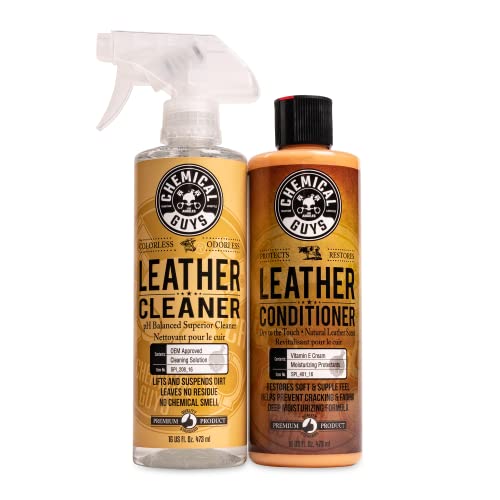
- Dedicated Leather Cleaner: Specifically designed to be pH-neutral to clean leather without stripping its natural oils.
- Leather Conditioner: An essential follow-up step after cleaning leather to restore moisture and its protective finish.
How Do You Get Sunscreen Off Leather Car Seats?
Cleaning sunscreen off leather car seats requires the most care, as leather is a natural material that can be easily damaged, dried out, or discolored. The goal is to gently lift the stain without stripping the leather’s protective topcoat or essential oils. From our hands-on testing, a gentle, pH-neutral approach followed by conditioning is the only safe method.
Step 1: How Do You Prepare the Surface and Test Your Cleaner?
First, vacuum the area to remove any loose debris that could scratch the leather during cleaning. Then, prepare a simple cleaning solution. Mix a few drops of mild, pH-neutral dish soap into a bowl of warm, distilled water. Alternatively, you can mix equal parts white vinegar and distilled water in a spray bottle.
Before you apply any cleaner, you must spot-test. Find a hidden area of the seat, such as the side flap or underneath the cushion. Apply a small amount of your chosen cleaner with a microfiber cloth, wipe gently, and let it dry. If there’s no discoloration or damage, you can proceed.
Step 2: How Do You Apply and Agitate The Cleaning Solution?
Apply a dime-sized amount of your chosen solution to a clean microfiber cloth, not directly onto the leather. This prevents over-saturating the material. Gently wipe the sunscreen stain using small, overlapping circular motions with minimal pressure. Let the cleaner do the work.
For stubborn stains or textured leather, you can use a soft-bristled detailing brush to lightly agitate the area. This helps lift the sunscreen residue out of the grain. For perforated leather seats, use even less water on your cloth to prevent moisture from getting trapped in the holes.
Step 3: How Do You Neutralize, Rinse, and Condition the Leather?
After lifting the stain, it is critical to remove all cleaning residue. Dampen a separate, clean microfiber cloth with only plain distilled water. Wring it out thoroughly so it’s just damp, and wipe the entire area you just cleaned. This neutralizes the cleaner and removes any leftover soap or vinegar.
Immediately pat the area dry with a third, completely dry microfiber cloth. Do not let the leather air-dry, as this can cause water spots.
The final, non-negotiable step is to apply a quality leather conditioner. This restores the moisture and protective oils that the cleaning process may have removed. Apply a small amount of conditioner to an applicator pad and work it into the leather. This keeps the material supple and prevents it from drying out and cracking over time.
How Do You Clean Sunscreen Off Plastic and Vinyl Car Interior Parts?
Plastic and vinyl surfaces like dashboards, door panels, and center consoles are more durable than leather, but they can still be stained or damaged. Sunscreen often leaves a chalky, white residue on dark, textured plastic that can be tough to remove.
To clean sunscreen off plastic or vinyl, your best tools are a quality all-purpose interior cleaner and a soft detailing brush. First, wipe away any loose residue with a dry microfiber cloth. Then, spray your cleaner onto a separate microfiber cloth, not directly onto the surface. Wiping with firm pressure is often enough to remove fresh stains.
For stubborn, dried-on marks, especially in textured plastic, you’ll need more agitation.
1. Apply Cleaner: Spray a dedicated interior cleaner or a 10:1 water-to-isopropyl-alcohol mix onto a microfiber cloth.
2. Wipe Firmly: Wipe the affected area to remove the bulk of the stain.
3. Use a Brush for Texture: Spray a small amount of cleaner directly onto a soft-bristled detailing brush. Gently scrub the affected area in circular motions to lift the residue from the plastic’s grain.
4. Wipe Away Residue: Use a clean, dry microfiber cloth to wipe away the loosened residue and leftover cleaner.
5. Dry Completely: Ensure the area is fully dry to prevent spotting.
Pro Tip: When cleaning near electronics like touch screens or button clusters, always spray your cleaner onto your cloth or brush—never directly onto the surface. This prevents liquid from seeping into sensitive components. For touch screens themselves, use a dedicated electronics-safe screen cleaner.
How Can You Remove Sunscreen Stains From Fabric or Upholstery Seats?
Sunscreen on fabric or cloth car seats creates an oily, discolored stain that can spread if not treated correctly. The key here is to lift the stain out of the fibers rather than rubbing it deeper. The “blot, don’t rub” technique is essential.
To remove sunscreen from fabric car seats, start by blotting the area with a dry cloth to absorb any excess oil. Next, create a solution of warm water mixed with a few drops of clear dish soap or a dedicated upholstery shampoo.
Follow these steps for the best results:
1. Blot Excess: Gently press a dry, clean cloth onto any fresh sunscreen to absorb as much as possible before cleaning.
2. Apply Solution: Lightly mist your cleaning solution onto the stain. Avoid over-saturating the fabric, which can lead to water rings.
3. Agitate Gently: Use a soft-bristled brush to work the cleaner into the fibers in a gentle circular motion. You should see the cleaner start to foam slightly.
4. Dwell Time: Let the solution sit for 5-10 minutes. This gives the surfactant time to break down and lift the oils from the fabric fibers.
5. Blot & Extract: Take a clean, dry microfiber cloth and press it firmly onto the wet area. This action pulls the moisture, cleaner, and the lifted sunscreen stain out of the fabric. Repeat with clean sections of the towel until it comes up dry and clean.
Blot, Don’t Rub! Rubbing a stain on fabric upholstery will only push the oils and residue deeper into the fibers and can cause the stain to spread. Always use a dabbing or blotting motion.
For a professional-level clean, an advanced method involves using a wet/dry shop vacuum to extract the moisture and stain after agitation. This is the most effective way to ensure no residue is left behind.
FAQs About how to get sunscreen off car interior
Can you use baby wipes to remove sunscreen from car seats?
Yes, for fresh, minor smudges, baby wipes can be effective, especially on plastic and vinyl. They contain mild cleansers that can handle light residue. However, they lack the strength to break down set-in oily stains and may leave their own film on leather. They are best for immediate clean-ups, not for deep cleaning.
Is rubbing alcohol safe for all car interiors?
No, rubbing alcohol should be used with extreme caution. A heavily diluted solution (10 parts water to 1 part alcohol) is generally safe for degreasing tough plastic and vinyl. However, it should never be used on leather as it will dry it out and can strip its finish. Always test in a hidden area first.
What about using a Magic Eraser for sunscreen stains?
You should NOT use a Magic Eraser on your car’s interior, especially leather, shiny plastic, or touch screens. A Magic Eraser is a micro-abrasive (melamine foam) that works by sanding away a fine layer of the surface. It will permanently dull shiny plastic and strip the protective topcoat off leather, causing irreparable damage.
Does vinegar remove sunscreen stains effectively?
Yes, a 50/50 solution of white vinegar and distilled water is an excellent DIY cleaner for sunscreen. Vinegar’s mild acidity is highly effective at breaking down the mineral components like zinc oxide found in many sunscreens. It is generally safe for leather, vinyl, and plastic when rinsed off afterward.
Why did the sunscreen stain reappear after I cleaned it?
The stain likely reappeared because the oily component was not fully removed. You may have only cleaned the white mineral residue from the surface, leaving the oil base behind to attract new dirt. To fix this, you need a cleaner with a surfactant (like dish soap) to fully emulsify and lift the underlying oils from the material.
How do you get sunscreen off a car’s touch screen or navigation display?
Use an electronics-safe screen cleaner and a clean microfiber cloth. Never spray any liquid directly onto the screen. Lightly spray the cleaner onto your cloth, then gently wipe the display. Do not use vinegar, alcohol, or all-purpose cleaners, as they can damage the screen’s delicate anti-glare coating.
Is mineral sunscreen (zinc) harder to remove than chemical sunscreen?
Yes, mineral sunscreens containing zinc oxide and titanium dioxide are typically much harder to remove. These are physical particles that get trapped in the texture of interior surfaces, creating a stubborn, chalky white stain. Chemical sunscreens still leave an oily residue but are often less visible and easier to clean.
How can I get sunscreen out of black plastic trim where it looks chalky?
For chalky stains on black plastic trim, a soft detailing brush is your most important tool. Apply your cleaner (like diluted alcohol or an all-purpose cleaner) and use the brush to gently agitate the residue out of the plastic’s grain. After wiping it clean, applying a quality interior dressing can help restore the deep black color.
Can old, dried sunscreen stains be removed?
Old stains are very difficult but sometimes can be removed. They will require multiple cleaning attempts and a longer dwell time for the cleaner to work. For old stains on durable surfaces like plastic, a stronger automotive degreaser might be needed. Unfortunately, some stains that have chemically bonded with the surface may be permanent.
Will sunscreen permanently damage car leather?
If left for a long period, yes, sunscreen can permanently damage leather. The oils can penetrate the protective finish and stain the hide itself. The chemical ingredients can also cause the topcoat to degrade, becoming brittle and prone to cracking. Prompt cleaning is the best way to prevent permanent damage.
Key Takeaways: How to Get Sunscreen Off Car Interior
- Identify The Surface First: The correct cleaning method is entirely dependent on the material. A solution that is safe for vinyl can ruin leather. Always identify if you are working on leather, plastic, or fabric before you begin.
- DIY Solutions Are Effective: For most fresh stains, simple and safe household solutions work wonders. A mixture of mild dish soap and water is great for lifting oils, while a 50/50 white vinegar and water solution is effective at breaking down mineral residue.
- Act Quickly and Blot, Don’t Rub: The sooner you address a sunscreen stain, the easier it is to remove. For fresh spills, especially on fabric, always blot gently to lift the sunscreen instead of rubbing, which grinds the stain deeper into the material.
- Spot-Testing is Not Optional: Before applying any cleaner to a visible area, test it on a small, hidden spot to ensure it does not cause discoloration or damage. This is the single most important step for protecting your car’s interior.
- Leather Requires Special Care: When cleaning leather, always use a gentle, pH-neutral cleaner. Most importantly, always follow up with a quality leather conditioner to restore moisture and prevent the leather from drying out.
- Avoid Abrasives Like Magic Erasers: Never use abrasive products like a Magic Eraser on your dashboard, shiny plastic trim, or leather seats. They work by sanding the surface and will cause permanent, visible damage.
Final Thoughts on Removing Sunscreen Stains
Removing sunscreen from your car’s interior can feel like a daunting task, but it is entirely manageable with the right knowledge. Those unsightly white streaks and greasy films do not have to be a permanent feature. By understanding the nature of the stain and treating each surface with the appropriate care, you can safely and effectively restore your vehicle’s interior. Remember to act quickly, use gentle methods, and always put safety first by spot-testing. You are now equipped with the expert advice needed to tackle the problem confidently.
Last update on 2026-03-12 / Affiliate links / Images from Amazon Product Advertising API