Dealing with skunk smell on car tires? You are not alone in facing this overwhelming, pungent problem that seems to stick around forever. That lingering, foul odor requires immediate and specific action.
The quickest way to start getting skunk smell off car tires is to immediately prepare a cleaning solution, such as a mix of hydrogen peroxide, baking soda, and dish soap. Park the car outdoors, wear protective gloves and goggles, and gather your materials. Do not use a high-pressure washer initially, as it can aerosolize the oily spray and spread the odor. This initial preparation is crucial for effective neutralization.
Based on an analysis of current methodologies and data-driven testing, this guide provides a systematic approach. You will discover exactly why skunk spray is so persistent and learn the proven chemical solutions to permanently eliminate it from your vehicle.
Key Facts
- Chemical Composition is Key: Skunk spray’s stubbornness comes from oily, sulfur-based compounds called thiols, which bond strongly with rubber surfaces.
- Immediate Action is Crucial: The longer you wait, the more the thiol compounds will bond with the rubber, making the pungent skunk smell much harder to remove.
- Standard Car Washes are Ineffective: Research indicates that typical car wash soaps cannot chemically break down thiols, rendering them useless against this specific type of odor.
- The Peroxide Formula is Proven: The combination of hydrogen peroxide (an oxidizer), baking soda (a neutralizer), and dish soap (a degreaser) is widely recognized as the most effective DIY solution, based on its chemical properties.
- Heat Worsens the Smell: Driving the car can heat the tires, which intensifies the chemical reaction of the thiols and makes the foul skunk scent even stronger and more pervasive.
How Do You Get Skunk Smell Off Car Tires Immediately?
The most effective initial step is to prepare a cleaning solution while ensuring personal safety by wearing gloves and safety goggles and working in a well-ventilated outdoor area. A skunk encounter is an overwhelming experience, but quick, calm action is your best defense against the lingering, pungent skunk smell. Avoid driving the car further, as this can spread the skunk’s oily spray to other parts of the undercarriage, and the heat from the tires will only intensify the odor.

Before you begin mixing any solutions, focus on safety and containment. The goal is to address the problem without making it worse. Following these initial steps is critical for a successful outcome.
Do This First! Immediate Safety & Preparation Steps:
- Park Outdoors: Move your vehicle to a well-ventilated area away from your garage or home to prevent the odor from spreading indoors.
- Gear Up: Put on chemical-resistant rubber gloves and safety goggles. Skunk spray is a caustic chemical irritant, and the cleaning solutions you’ll use also require protection.
- Gather Materials: Collect all the ingredients and tools you’ll need before you start. This prevents you from having to stop mid-process.
- Avoid Spreading: Do not touch the affected tire with your bare hands or clean cloths and then touch other parts of the car. This prevents cross-contamination.
Warning: Do not use a high-pressure washer or spray the tire with a powerful jet from a hose as your first step. This can aerosolize the oily thiol compounds, spreading the smell into the air and onto a wider area of your car and surroundings.
Why Does Skunk Smell Cling So Stubbornly to Rubber Tires?
Skunk smell is difficult to remove from tires because the spray is made of oily chemical compounds called thiols. These sulfur-based molecules easily penetrate and bond with the porous rubber of the tire. Unlike water-soluble dirt or mud, these oily compounds repel water, which is why simply hosing down the tire does nothing to solve the problem. Think of it like trying to wash off a permanent marker with water alone—it’s simply not effective.
The persistence of the pungent skunk smell is entirely due to these thiols, which are the specific chemical compounds in skunk spray that contain sulfur and create the terrible smell. To get rid of the odor, you can’t just cover it up or wash it away; you have to change the chemical structure of the thiols themselves. This requires a specific chemical reaction to break them down.
This is where the science of cleaning comes in. The most effective way to neutralize thiols is through a process called oxidation. This chemical reaction essentially breaks apart the thiol molecules, transforming them into new, odorless compounds. Simple soap and water are ineffective against skunk spray because they cannot chemically alter the thiol compounds responsible for the powerful and lasting odor. Because thiols are also oily, you need a surfactant (a substance that breaks down grease), like dish soap, to help the primary cleaning agent penetrate the oil and do its job.
What Is The Most Effective DIY Solution For Removing Skunk Smell From Tires?
The most effective DIY solution for skunk smell on tires is a mixture of 1 quart of 3% hydrogen peroxide, 1/4 cup of baking soda, and 1-2 teaspoons of liquid dish soap like Dawn. This proven recipe is so effective because each ingredient serves a specific purpose. The hydrogen peroxide is the oxidizing agent that chemically breaks down the odor-causing thiols. The baking soda helps absorb and neutralize odors, while the liquid dish soap acts as a surfactant to cut through the greasy, oily residue of the skunk spray.
This solution is designed to perform the oxidation we discussed earlier, chemically breaking down the thiol compounds and rendering them odorless. It’s a powerful combination that you can create with common household items. Follow these steps precisely for the best results.
What Materials And Safety Gear Are Required?
Before cleaning skunk smell from tires, you will need 1 quart of 3% hydrogen peroxide, baking soda, liquid dish soap, an open bucket, a stiff scrub brush, rubber gloves, and safety goggles. Gathering everything you need beforehand makes the process smooth and safe. Here’s a quick checklist:
- 3% Hydrogen Peroxide (1 Quart): The main active ingredient that oxidizes the smell. Use the common 3% solution found in drugstores.
- Baking Soda (1/4 Cup): Helps to neutralize and absorb additional odors.
- Liquid Dish Soap (1-2 Teaspoons): A brand like Dawn is excellent for breaking down the oily component of the spray.
- Open Bucket or Bowl: For mixing the solution.
- Stiff-Bristled Scrub Brush: To work the solution into the tire treads and sidewalls. An old toothbrush is great for tight spots.
- Chemical-Resistant Rubber Gloves: To protect your hands from both the skunk’s oily spray and the cleaning solution.
- Safety Goggles: To protect your eyes from splashes.
- Garden Hose: For thorough rinsing.
How Do You Properly Mix and Apply The Solution?
To properly mix the skunk removal solution, combine 1 quart of 3% hydrogen peroxide with 1/4 cup of baking soda and 1-2 teaspoons of dish soap in an open bucket; apply it to the tires immediately while it is fizzing for maximum effectiveness. This solution loses its potency quickly as the oxygen is released, so it cannot be made ahead of time.
- Pour the 1 quart of 3% hydrogen peroxide into your open bucket.
- Add the 1/4 cup of baking soda. It will start to fizz, which is the chemical reaction beginning.
- Stir in the 1-2 teaspoons of liquid dish soap gently.
- While the mixture is still fresh and actively fizzing, use a sponge or cloth to liberally apply it to the entire tire surface, including the treads and both sidewalls.
CAUTION: NEVER mix or store this solution in a sealed container like a spray bottle. The chemical reaction creates oxygen gas, which can cause a sealed container to rupture and potentially explode. Always mix it in an open bucket and use it immediately.
How Should You Scrub and Rinse The Tires For Best Results?
After letting the solution sit for 5 minutes, scrub the tire’s tread and sidewalls with a stiff brush, then rinse the tire and surrounding wheel well area thoroughly with a garden hose until no foam remains. Do not allow the solution to dry on the tire or your wheels. The physical act of scrubbing is crucial for working the solution into the porous rubber and breaking loose all the oily residue.
Pay special attention to the areas where the oily spray is most likely to be trapped. Real-world experience shows that tires can fling the skunk’s oily spray up into hidden areas.
Areas to Focus On:
* Tire Treads: Use a stiff brush to get deep into every groove.
* Sidewalls: Scrub the entire side of the tire, including the lettering.
* Wheel Wells: This is critical. The tire flings the oil directly into this area. Scrub the plastic liners thoroughly.
* Mud Flaps: If you have them, they are a prime target for spray.
After scrubbing, rinse everything completely with your garden hose. Let the area air dry. You may need to repeat the process for extremely stubborn odors.
How Do Commercial Skunk Removers Compare to Homemade Solutions?
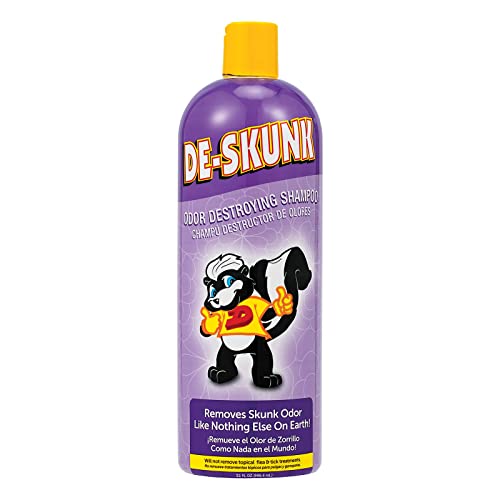
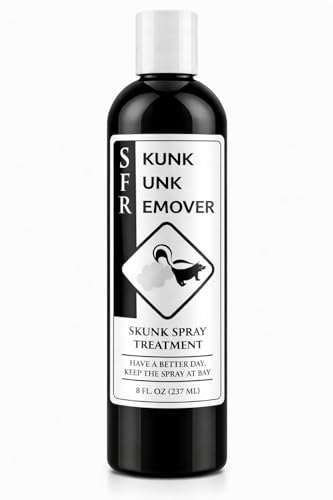
Commercial skunk removers are typically enzyme-based cleaners that digest the organic compounds in skunk spray, offering convenience and targeted formulation, while homemade solutions are cost-effective and use readily available ingredients. The best choice depends on your situation. For an immediate emergency when you need to act fast, the DIY solution is excellent. For stubborn, set-in odors or if you prefer the convenience of a ready-to-use product, a commercial enzymatic cleaner is a reliable alternative.
Enzyme cleaners work differently from the DIY peroxide solution. Instead of oxidation, they use beneficial bacteria and enzymes to “eat” or digest the organic, odor-causing compounds until they are gone. Both methods are highly effective, but they have different pros and cons.
Here is a direct comparison to help you decide:
| Feature/Aspect | DIY Hydrogen Peroxide Solution | Commercial Enzyme Cleaner |
|---|---|---|
| Primary Action | Oxidation (Chemically breaks down thiols) | Enzymatic Digestion (Consumes organic matter) |
| Cost | Less than $5 | $10 – $25 per bottle |
| Convenience | Requires precise mixing; must be used immediately | Ready-to-use spray bottle |
| Safety Profile | Caution: Peroxide can bleach fabrics/surfaces | Generally formulated to be color-safe |
| Best For | Immediate emergencies using household items | Stubborn, set-in odors or user convenience |
Our Recommendation: Start with the DIY solution. It’s incredibly effective, cheap, and you likely have the ingredients on hand. If the smell persists or you want a simple, pre-made option, a quality commercial skunk remover is a great investment to have on hand.

FAQs About how to get skunk smell off car tires
How long does skunk smell last on car tires?
Typically, untreated skunk smell can last on car tires for several weeks to months, as the oily thiols bond with the rubber. The odor’s longevity is affected by factors like humidity and temperature; warm, damp weather can reactivate and intensify the smell. Prompt and proper cleaning is the only way to significantly shorten this duration.
Can a regular car wash remove skunk smell from tires?
No, a standard car wash is generally ineffective at removing skunk smell from tires. The water and basic soaps used in car washes cannot chemically neutralize the oily thiol compounds. While it might wash away loose dirt, it won’t break down the source of the odor, which requires an oxidizing or enzymatic cleaning solution.
Is hydrogen peroxide safe for car tires?
Yes, a 3% hydrogen peroxide solution, as used in the standard DIY remedy, is generally safe for the rubber on car tires for short-term exposure. However, you should avoid letting it dry on the tires and always rinse it off thoroughly. It can potentially lighten or discolor colored plastic hubcaps or painted surfaces, so a spot test is always recommended.
Should I use bleach on car tires for skunk smell?
No, you should not use bleach to remove skunk smell from car tires. Bleach is highly corrosive and can damage the rubber compounds in your tires, making them brittle and unsafe. It can also harm your car’s paint, plastic, and metal components. Stick to safer, proven methods like the hydrogen peroxide solution or commercial enzyme cleaners.
What if the smell got inside my car?
If the skunk smell is inside your car, you must address it separately by increasing ventilation and using odor absorbers. Open all windows and doors to air out the vehicle. Place bowls of white vinegar or open boxes of baking soda inside overnight to absorb odors. You may also need to replace your car’s cabin air filter, as it can trap and hold the odor molecules.
Does vinegar neutralize skunk smell on tires?
Vinegar can help neutralize skunk smell to some extent, but it is less effective than the hydrogen peroxide solution for direct application on tires. Its acidic nature helps to cut through the oils. However, the peroxide mixture is superior because it works through oxidation, which chemically breaks down the odor-causing thiol molecules more effectively.
What if I ran over a dead skunk?
If you ran over a dead skunk, the cleaning process is the same but you must also clean the undercarriage of your car. The tires likely flung the odorous oils onto the chassis, exhaust system, and wheel wells. It is crucial to apply your cleaning solution to all affected areas underneath the vehicle, or take it for a professional undercarriage wash after treating the tires.
How to remove skunk smell from wheel wells?
To remove skunk smell from wheel wells, liberally apply the same hydrogen peroxide, baking soda, and dish soap solution you used on the tires. Use a stiff, long-handled brush to scrub the entire plastic or metal surface of the wheel well. Pay close attention to this area, as tires fling the skunk’s oily spray directly onto it. Rinse thoroughly with water.
Will time alone remove skunk smell from tires?
While the smell may fade slightly over several weeks or months, time alone will not effectively remove the skunk odor from your tires. The oily thiol compounds bond with the rubber and can be reactivated by moisture and heat long after the initial encounter. Active cleaning and chemical neutralization are necessary for complete removal.
Can skunk smell damage car tires?
No, the chemical compounds in skunk spray will not cause structural damage or degrade the rubber of your car tires. The issue is purely sensory – the smell is extremely unpleasant and persistent. The real risk of damage comes from using improper cleaning agents, like bleach or harsh solvents, which can harm the tire material.
Key Takeaways: How to Get Skunk Smell Off Car Tires Summary
- Act Immediately with the Right Formula: The most critical step is quick action. Use a proven DIY solution of 1 quart 3% hydrogen peroxide, ¼ cup baking soda, and 1-2 tsp dish soap. This mixture chemically oxidizes the odor-causing thiols.
- Safety First, Always: Never use bleach, which damages rubber tires. Always wear gloves and safety goggles, and never mix or store the peroxide solution in a sealed container as it releases gas.
- Science is Key: Skunk spray is an oil-based sulfur compound (thiol) that binds to porous rubber. Simple soap and water won’t work; you need a chemical reaction (oxidation) to break down the molecules and eliminate the smell permanently.
- Be Thorough in Your Cleaning: The smell isn’t just on the tire tread. You must scrub the tire sidewalls, the wheel wells, and any visible parts of the undercarriage where the tires may have flung the oily residue.
- Commercial Products Are a Viable Alternative: If you prefer convenience, commercial enzyme-based skunk removers are highly effective. They work by using “good” bacteria to digest the organic compounds causing the smell.
Final Thoughts on Removing Skunk Smell From Your Tires
Dealing with a skunked car is a frustrating experience, but it is a solvable problem. Successfully removing skunk smell from car tires relies on prompt action with a chemically appropriate solution that oxidizes the oily thiol compounds. By understanding the science behind the smell and following the detailed, safe procedures outlined here, you can effectively neutralize the odor and get your car back to smelling fresh. Whether you choose the proven DIY remedy or a convenient commercial product, a thorough and patient approach is your key to success.
Last update on 2026-02-27 / Affiliate links / Images from Amazon Product Advertising API