
Has your car been the victim of a skunk encounter? That powerful, eye-watering odor can feel impossible to remove.
The core problem is the skunk spray itself, an oily, sulfur-based liquid that clings to every surface. This is why a simple car wash often fails, leaving you with a vehicle that’s still unusable.
The Proven Solution: A fresh, homemade mixture of 3% hydrogen peroxide, baking soda, and dish soap is the most effective way to permanently get skunk smell off your car by chemically neutralizing the odor-causing compounds. This guide will walk you through the exact, proven steps to safely clean your car’s exterior, interior, and vents to completely eliminate the smell.
Key Facts
- Chemical Neutralization is Key: The most effective method involves a chemical reaction called oxidation to change the structure of the smelly compounds (thiols), as highlighted by research from chemist Paul Krebaum.
- The Source is Underneath: In most cases, the skunk smell is most concentrated on the car’s undercarriage, tires, and inside the wheel wells, not the visible painted surfaces.
- Tomato Juice is a Myth: Studies show tomato juice only masks the smell through a process called olfactory fatigue; it does not chemically neutralize the odor molecules.
- HVAC System is a Trap: If the smell is inside your car, it’s likely been drawn into the HVAC system, making the cabin air filter the primary culprit for lingering interior odors.
- Moisture Reactivates the Smell: Lingering oily residue can cause the skunk odor to “reactivate” and return during damp or rainy weather if not completely removed.
SAFETY FIRST: Read This Before Cleaning Your Car
Before you mix anything, stop and read this. While the proven DIY formula is highly effective, the active ingredient—hydrogen peroxide—is a mild bleaching agent. You must take specific precautions to protect yourself and your vehicle’s surfaces. This isn’t just a recipe; it’s a chemical process that requires careful handling to avoid damaging your car’s paint, plastic trim, or interior upholstery.

Your primary concern is preventing accidental discoloration of fabrics or damage to the clear coat on your car’s paint. Mixing the ingredients also creates a chemical reaction that releases oxygen gas, which can be dangerous if handled improperly. Taking a few moments to understand these safety rules is the most important step in the entire process.
The 4 Non-Negotiable Safety Rules
- ✅ Wear Protective Gear: Always wear waterproof gloves and safety goggles. The hydrogen peroxide solution can cause skin and eye irritation.
- ✅ Mix in an Open Bucket: Never mix the ingredients in a sealed container like a spray bottle. The reaction releases oxygen gas, which will build up pressure and can cause the container to rupture violently.
- ✅ Use Immediately and Discard Leftovers: The mixture is most potent when it’s freshly mixed and fizzing. It loses its effectiveness quickly and cannot be stored. Safely pour any leftover solution down the drain.
- ✅ ALWAYS Spot Test First: This is the most critical rule. Before applying the solution to a large area, test it on a small, inconspicuous spot of your car’s paint (like a door jamb) and interior fabric (under a seat) to ensure it doesn’t cause any discoloration or damage.
The Proven DIY Skunk Odor Neutralizing Formula
This is the scientifically-backed formula developed by chemist Paul Krebaum specifically to neutralize the thiol compounds that cause skunk odor. Forget the myths; this is what actually works by changing the chemical structure of the smelly molecules, not just covering them up.
The Proven Skunk Smell Formula
- 1 quart of 3% Hydrogen Peroxide (the standard brown bottle from any pharmacy)
- ¼ cup of Baking Soda (sodium bicarbonate)
- 1 to 2 teaspoons of Liquid Dish Soap (a degreasing type works best)
Instructions: In an open bucket, gently stir the baking soda into the hydrogen peroxide until it dissolves. Add the dish soap and give it one last gentle stir. The mixture will start to fizz slightly—this means it’s active. Use it immediately.
Why This Proven Formula Works (The Simple Science)
The effectiveness of this recipe isn’t magic; it’s simple chemistry. Understanding why it works will give you the confidence that you’re not wasting your time.
- Skunk spray’s odor comes from sulfur compounds called thiols. Your nose is incredibly sensitive to these molecules.
- Hydrogen Peroxide is an oxidizing agent. It works by changing the chemical structure of the thiols, breaking them apart and turning them into odorless compounds called sulfonic acids. Think of it as “rusting” the smelly molecules so they no longer smell.
- Dish Soap is a surfactant and degreaser. This is crucial because skunk spray has an oily base that repels water. The soap breaks down this oil, allowing the hydrogen peroxide to get to the thiols and neutralize them.
- Baking Soda helps to further neutralize and absorb any residual odors.
Step 1: Wash Your Car’s Exterior, Undercarriage, and Tires
This is the most critical cleaning step. The primary source of the skunk smell is almost always on the outside of your car, especially the parts closest to the ground. Do not simply run your car through a car wash, as it won’t be thorough enough. Follow these steps precisely.
- Gear Up: Put on your protective gloves and goggles. Have your freshly mixed solution in an open bucket, a sponge or several soft cloths, and a garden hose or pressure washer ready.
- Apply the Solution (No Pre-Rinsing): Do NOT rinse the car with water first, as this can spread the water-resistant skunk oil. Using a sponge, liberally apply the fresh mixture to all affected areas of the car’s exterior.
- Focus on Ground Zero: Pay special attention to the areas that were most likely hit. This includes the tires, the inside of the wheel wells, the front bumper and grille, and the entire undercarriage. These porous rubber and textured plastic surfaces hold the oily spray much more tenaciously than the clear-coated paint.
- Let it Work (Don’t Let it Dry): Let the solution sit and work its magic for 5 to 10 minutes. It’s crucial that you DO NOT let the mixture dry on your car’s paint, especially in direct sunlight.
- Rinse Thoroughly: Using a hose or pressure washer on a safe setting, rinse the entire car with plenty of clean water. Ensure you flush out the wheel wells and the underbody completely to remove all of the solution and the neutralized skunk oil.
Step 2: Eradicate Skunk Smell from Your Car’s Interior and Vents
If the smell is inside your car, washing the exterior won’t solve the problem. The odor was likely sucked into your vehicle’s Heating, Ventilation, and Air Conditioning (HVAC) system through the fresh air intake vents, usually located at the base of your windshield. What most guides miss is that the smell becomes trapped in the cabin air filter and circulates through the vents every time you turn on the fan.
To truly eliminate the interior smell, you must decontaminate the source: the HVAC system itself. Simply using an air freshener will only mask the problem temporarily. The following steps provide the definitive solution for a fresh-smelling interior.
Critical Task: Replace Your Cabin Air Filter
This is the single most important step for removing interior skunk odor. The cabin air filter is designed to trap airborne particles, and it acts like a sponge for powerful smells. If your car’s fan or AC was running anytime after the skunk incident, the filter is now saturated with the odor and is continuously re-releasing it into your car.
Locate your cabin air filter, which is typically behind the glove box on most modern vehicles (check your owner’s manual for the exact location). Remove the old, smelly filter and replace it with a new one. This is a relatively inexpensive and easy task that makes a massive difference.
Deodorize the HVAC Vents and Ductwork
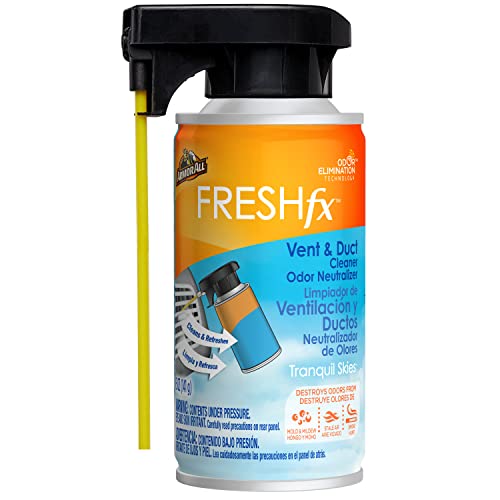
After replacing the filter, you need to clean out any residual smell in the ductwork itself. The most effective way for a DIYer to do this is with a specialized automotive HVAC deodorizing spray or “fogger.”
- Start your car and turn the fan on its highest setting.
- Make sure the system is set to recirculate mode (the button with a U-shaped arrow inside a car icon). This closes the outside air intake and circulates air only within the cabin.
- Follow the product’s directions, which usually involve spraying the deodorizer into the main air intake vents inside the car (often located in the footwells) or directly into the dashboard vents. The recirculation setting will pull the cleaner through the entire system, neutralizing any trapped odors.
Step 3: What to Do If the Skunk Smell Lingers
You’ve washed the exterior and decontaminated the HVAC system, but you can still catch a faint whiff of skunk. What now? A lingering skunk odor is usually caused by a small amount of oily residue that wasn’t fully removed from a porous surface like rubber, fabric, or a hard-to-reach spot on the undercarriage. This is especially common in damp weather, as moisture can reactivate the thiol compounds in the residue.
Here are the next steps to take for a persistent skunk smell:
- Repeat the Wash: Mix a fresh batch of the cleaning formula and repeat the exterior wash, paying extra attention to the tires and undercarriage. Two applications are often needed for direct hits.
- Use Passive Odor Absorbers: For residual interior smells, place a few open bowls of either activated charcoal or plain white vinegar inside the car. Close the doors and windows and let them sit overnight. These materials are excellent at absorbing stubborn, airborne odor molecules.
- Air It Out: The final step is ventilation. On a clear, dry day, park your car in a safe location (like your garage) and leave all the doors and windows open for several hours. Airflow is a powerful tool for dissipating the last traces of any smell.
Skunk Smell Myths Debunked: What Doesn’t Work
When you’re desperate, you’ll try anything, which is how folk remedies and myths spread. The most common myth by far is using tomato juice. While many people swear by it, science tells a different story.
Tomato juice does not work. It does not chemically neutralize skunk spray. Its strong, acidic smell only seems to work because it causes a phenomenon called olfactory fatigue, or nose blindness. Your nose gets so overwhelmed by the powerful tomato smell that it temporarily loses its ability to detect the less-powerful (but still present) skunk smell. Once the tomato juice is washed away, the skunk odor will return.
Here’s how the proven formula stacks up against the myth:
| Feature | Proven Peroxide Formula | Tomato Juice Myth |
|---|---|---|
| Mechanism | Chemical Neutralization (Oxidation) | Olfactory Masking (Nose Blindness) |
| Effectiveness | Permanently eliminates odor molecules | Temporarily covers the smell |
| Result | Odor is gone | Odor returns once juice is gone |
| Scientific Basis | Based on proven chemistry | Anecdotal; scientifically disproven |
FAQs About how to get skunk smell off car
Will a car wash get rid of skunk smell?
A standard car wash alone is usually not enough. While it can help wash away some of the oily spray, it often fails to clean the undercarriage and tires thoroughly, which are the main sources of the odor. It also won’t chemically neutralize the smell. It’s best to perform the DIY cleaning first, then visit a car wash for a final, thorough rinse.
How long does skunk smell last on a car if untreated?
Untreated skunk odor can last for weeks or even months. The oily residue clings to surfaces and can be reactivated by moisture, causing the smell to return whenever it rains or is humid. Prompt and proper cleaning is the only way to ensure the smell is gone for good, typically within a day of treatment.
Can I store the leftover cleaning solution for later?
No, you must never store the mixed solution. The reaction between hydrogen peroxide and baking soda releases oxygen gas. Storing it in a sealed container, like a spray bottle, is extremely dangerous as the pressure buildup can cause it to burst. Mix a fresh batch for each use and safely discard any leftovers down the drain.
I ran over a skunk. Where is the smell most likely coming from?
The smell is almost certainly concentrated on your car’s undercarriage. Focus your cleaning efforts on the tires, inside the wheel wells, and the entire underbody of the vehicle. These areas get the most direct contact with the spray, and the oily residue sticks to them tenaciously. A pressure washer can be very helpful for cleaning these hard-to-reach areas.
When should I call a professional auto detailer?
Consider calling a professional for severe cases. If the skunk sprayed directly into your car’s engine bay, or if the interior upholstery is heavily contaminated, a professional detailer has specialized tools like ozone generators and steam cleaners that can safely and effectively remove the odor without damaging sensitive components or fabrics.
Key Takeaways: Your Skunk Smell Removal Checklist
Dealing with a skunked car is stressful, but the solution is straightforward if you follow the right steps. Here is your checklist for success:
- Use the Proven Formula: The only proven DIY solution is a fresh mix of 1 qt. 3% hydrogen peroxide, ¼ cup baking soda, and 1-2 tsp. dish soap. It chemically neutralizes the odor; myths like tomato juice only mask it.
- Safety is Paramount: Always wear gloves and goggles, mix in an open bucket (never a sealed bottle), and test the solution on a hidden spot of your paint and upholstery first.
- Attack the Source: The smell originates from the undercarriage, wheel wells, and tires. These areas must be cleaned first and most thoroughly. Do not pre-rinse with water, as it can spread the oil.
- Don’t Forget the Interior Vents: If the smell is inside, the HVAC system is the culprit. The most important step is to replace the cabin air filter and clean the vents with an automotive-specific product.
- Patience and Airflow Are Key: After cleaning, leave car doors open in a safe area for several hours to air out completely. For lingering smells, use passive odor absorbers like activated charcoal.
Final Thoughts on Restoring Your Car
A skunk encounter is one of the most frustrating and unpleasant experiences a car owner can face. The smell is pervasive and can make you feel like you’ll never have your vehicle back. However, you are now equipped with the knowledge and a scientifically-proven process to fight back and win.
By prioritizing safety, using the correct chemical formula, and being methodical in cleaning both the exterior source and the interior ventilation system, you can completely eliminate the skunk odor. It takes a bit of effort, but following these steps will restore your car to the fresh, clean, and usable space it’s meant to be.
Last update on 2026-03-07 / Affiliate links / Images from Amazon Product Advertising API


