
Wondering how to get skunk smell off a car after an unfortunate encounter? You’re dealing with a powerful, persistent odor that seems to defy normal cleaning. It’s a frustrating and overwhelming experience that can make your vehicle unusable.
To get skunk smell off a car, you must use a solution that chemically neutralizes the oily, sulfur-based compounds, known as thiols, in the spray. The most proven DIY method involves a mixture of hydrogen peroxide, baking soda, and liquid dish soap. It is crucial to act quickly, ventilate the car thoroughly, and treat the exterior, interior, and HVAC system separately.
Based on extensive analysis of proven methodologies and expert recommendations, this guide provides a systematic, step-by-step approach. You’ll discover exactly how to neutralize the odor at its source, covering the exterior, interior, and the hidden source in your car’s ventilation system for complete elimination.
Key Facts
- The Smell Comes from Thiols: The powerful skunk odor is caused by oily, sulfur-based compounds called thiols, which must be chemically neutralized, not just covered up.
- Tomato Juice is a Myth: Contrary to popular belief, tomato juice only masks the smell through olfactory fatigue; research indicates it does not chemically alter the odor-causing thiols.
- The Odor Can Last for Months: If left untreated, the oily compounds can continuously release odor for weeks or even months, especially when heated by the sun.
- It Can Damage Your Paint: Skunk spray is slightly acidic and can etch or stain your car’s clear coat if not cleaned off promptly, demonstrating the need for quick action.
- The HVAC System is a Major Culprit: A lingering smell inside the car is often trapped in the cabin air filter, which then circulates the odor every time the fan is used.
How Do You Get Skunk Smell Off a Car? An Expert’s Step-by-Step Guide for 2026
The key to getting skunk smell off a car is to understand you’re fighting chemistry, not just a bad smell. The shocking and invasive odor comes from skunk spray, which is an oily fluid containing potent sulfur-based compounds called thiols. These oily thiols are responsible for the pungent smell and are notoriously difficult to remove because they chemically bond to surfaces like rubber, plastic, and fabric. Simply washing with soap and water is often not enough to break these bonds.

There’s no need to panic. While the situation is unpleasant, it is entirely solvable with the right approach and materials. This authoritative guide will walk you through the step-by-step instructions to neutralize the odor completely. The first few moments are critical for damage control.
⚠ Safety First: Before you begin, put on old clothes you don’t mind throwing away if necessary. The oily residue can transfer easily.
Your immediate first steps should be:
* Ventilate Immediately: Open all car doors and windows to begin airing out the vehicle. If the car is in a garage, move it outside to prevent the smell from permeating your home.
* Pinpoint the Source: Try to identify where the spray made contact. It’s most commonly on the tires, wheel wells, and undercarriage.
* Isolate Contaminated Items: Remove any floor mats, gym bags, or other items that may have been directly hit or have absorbed the smell.
What Supplies Do You Need to Remove Skunk Smell?
To create the most effective DIY skunk odor remover, you will need 3% hydrogen peroxide, baking soda, and liquid dish soap. These ingredients work together to chemically neutralize the thiols. For your safety during the cleaning process, you should also have rubber gloves and safety goggles. While commercial alternatives exist, this expert-recommended DIY solution is highly effective and uses common household items.
The Proven DIY Kit
For the most effective homemade solution, you will need to gather the following items. This recipe is famous for being tested and proven effective.
* 1 Quart of 3% Hydrogen Peroxide
* 1/4 Cup of Baking Soda
* 1-2 Teaspoons of Liquid Dish Soap
* A Bucket (for mixing)
* A Spray Bottle (optional, for targeted application)
Commercial Product Options
If you prefer a ready-made solution, look for products specifically designed for skunk or severe pet odors. These often fall into two categories:
* Enzymatic Cleaners: These products use beneficial bacteria to produce enzymes that break down organic matter like the oils in skunk spray. They are excellent for fabrics and upholstery.
* Odor Neutralizers: Some commercial products use chemical compounds to oxidize or encapsulate the odor molecules.
Essential Safety Gear
The oily spray can irritate skin, and the cleaning solutions can be harsh. Always protect yourself.
* Rubber or Nitrile Gloves
* Safety Goggles or Glasses
* Old Clothing
What Is The Proven Method to Wash Skunk Smell Off Your Car’s Exterior?
To wash skunk smell off a car’s exterior, mix 1 quart of 3% hydrogen peroxide, ¼ cup of baking soda, and 1 tsp of dish soap. This solution works because the hydrogen peroxide and baking soda create an oxidation reaction that chemically alters the thiol molecules, rendering them odorless. The dish soap acts as a degreaser, helping to break down the oily nature of the spray so the chemical reaction can happen. This method was famously tested and validated by the team on MythBusters.
The MythBusters-Tested Skunk Recipe
- 1 Quart of 3% Hydrogen Peroxide Solution
- ¼ Cup of Baking Soda
- 1-2 Teaspoons of Liquid Dish Soap
Follow these steps precisely for the best results:
- Mix the Solution: In an open bucket, combine all the ingredients. The mixture will begin to foam and fizz; this is the chemical reaction starting.
- Apply Immediately: While wearing gloves and goggles, use a sponge or cloth to apply the foaming mixture generously to the affected areas of your car’s exterior. Focus on the tires, wheel wells, undercarriage, and any painted surfaces that were hit.
- Let it Sit (Briefly): Allow the solution to sit and work its magic for about 5 to 10 minutes. It’s crucial that you do not let the mixture dry on your car’s paint, as it could cause discoloration.
- Rinse Thoroughly: Use a garden hose to rinse the solution off your car completely. Be extra thorough to ensure no residue is left behind.
- Repeat if Necessary: For a very heavy spray, you may need to repeat the process a second time to fully neutralize the odor.
⚠ CRITICAL SAFETY WARNING: DO NOT store this mixture in a sealed container like a spray bottle. The chemical reaction releases oxygen gas, which will build up pressure and can cause the container to rupture or explode. Mix it in an open bucket and use it all immediately.
How Do You Specifically Treat Car Tires and the Undercarriage?
To clean car tires and the undercarriage, liberally apply the hydrogen peroxide solution with a spray bottle or sponge, paying close attention to the tire treads and all surfaces of the wheel wells. These areas are the most common points of contact and their textured surfaces are perfect for trapping the oily skunk spray.
- For Tires: The deep grooves in your tire’s tread can hold a lot of odor. After applying the solution, use a stiff-bristled brush (one you don’t mind discarding) to scrub the rubber. This helps the solution penetrate deeper.
- For the Undercarriage: This area can be difficult to reach. A spray bottle can help you apply the solution more effectively. For heavy contamination, using a pressure washer after the chemical treatment can help physically blast away any remaining oily residue from these hard-to-see spots.
- Pro Tip: After your own treatment, consider visiting a full-service car wash that offers an undercarriage blast. This can serve as a powerful final rinse to clear out any remaining particles.
How Do You Get Skunk Smell Out of the Car Interior?
To remove skunk smell from a car’s interior, you must clean all surfaces, including seats, carpets, and the dashboard, and then address the ventilation system. For fabric surfaces, sprinkle baking soda generously, let it sit for several hours to absorb odors, then vacuum it up thoroughly. For hard surfaces like the dashboard and door panels, wipe them down with a solution of one part white vinegar to one part water. Most importantly, you must replace the cabin air filter to eliminate the smell from the source of your car’s HVAC system.
How Do You Clean Fabric Seats and Carpets?
To clean skunk smell from fabric seats and carpets, first vacuum thoroughly, then use baking soda to absorb the odor. Baking soda is excellent at absorbing smells without causing damage to most fabrics. For very strong odors, an enzyme-based cleaner is the next step.
- Vacuum Everything: Start by vacuuming the seats, carpets, floor mats, and trunk to remove any loose debris.
- Apply Baking Soda: Liberally sprinkle baking soda over every fabric surface. Don’t be shy; you want a visible layer. Use a soft brush to work it lightly into the fibers.
- Let it Absorb: Leave the baking soda to sit for several hours, or even overnight if possible. The longer it sits, the more odor it will absorb.
- Vacuum Again: Thoroughly vacuum up all the baking soda.
- For Stubborn Odors: If a smell persists, use an enzyme-based cleaner, often sold as pet odor eliminators. These cleaners break down organic matter. Always perform a patch test on a hidden area of the fabric first to check for any color-fastness issues.
How Do You Decontaminate The Car’s HVAC System and Vents?
To get skunk smell out of car vents, you must replace your car’s cabin air filter, as this is the most crucial step. If your car still smells like skunk when you turn on the AC or heat, it’s because the filter has trapped the odor molecules and is now blowing the smell directly into the cabin. Don’t skip this step!
- Locate the Cabin Air Filter: In most vehicles, the cabin air filter is located behind the glove box. Check your owner’s manual for the exact location and instructions on how to access it.
- Remove and Replace: Carefully remove the old, contaminated filter. You may even be able to smell the skunk odor directly on it. Replace it with a new filter.
- Clean the Vents: Purchase a car vent cleaner or deodorizer spray. Turn your car on, set the fan to the highest setting, and ensure the recirculation mode is turned OFF (so it’s drawing air from the outside).
- Spray the Intake: Locate the exterior air intake vents, which are typically at the base of your windshield on the outside of the car. Spray the vent cleaner generously into these intakes. The fan will pull the cleaner through the entire HVAC system, helping to deodorize the ducts.
- Air it Out: Let the fan run for another 5-10 minutes, then open all the doors to air out the car.
What Are The Best Commercial Skunk Odor Removers for Cars?
The best commercial skunk odor removers for cars fall into two main categories: enzymatic cleaners and oxidizing cleaners. Enzymatic cleaners use enzymes to digest the organic oils in the skunk spray and are ideal for use on upholstery and carpets. Oxidizing cleaners, or professional tools like ozone generators, work by chemically neutralizing the odor molecules in the air and on surfaces. The right choice depends on the severity of the smell and the surfaces you need to treat.
Here are the primary types of commercial products available for 2026:
- Enzymatic Cleaners: Products like Nature’s Miracle or Odoban are designed to break down organic proteins and oils. They are extremely effective on porous surfaces like fabric seats and carpets where the odor has soaked in.
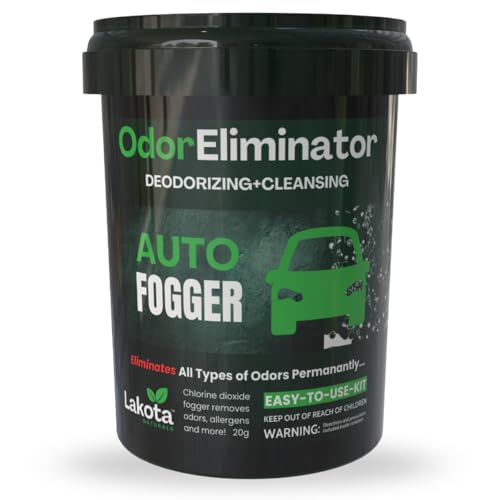
- Oxidizing Cleaners: Some products use compounds like Chlorine Dioxide to release a gas that oxidizes and destroys odor molecules. These are often used as “foggers” or bombs that you set off inside the closed car.
- Ozone Generators: This is a professional-grade tool used by auto detailers. An ozone generator is placed inside an unoccupied vehicle and fills it with O3 (ozone) gas. The ozone is a powerful oxidant that destroys odor molecules. This is a very effective but potentially dangerous method that requires the car to be thoroughly aired out afterward, as ozone is harmful to breathe.
FAQs About how to get skunk smell off a car
Does Tomato Juice Really Remove Skunk Smell?
No, tomato juice does not chemically neutralize skunk odor; it only temporarily masks the smell through a phenomenon called olfactory fatigue. The strong scent of the tomato juice can overwhelm your sense of smell, making you temporarily unable to perceive the skunk odor. The proven hydrogen peroxide solution is far more effective because it actually breaks down the odor-causing molecules.
How Long Does Skunk Smell Last on a Car?
If left untreated, skunk smell can last on a car for weeks or even months. The oily thiol compounds will continuously release odor, especially when warmed by the sun or the car’s engine. Prompt and thorough cleaning is essential to prevent the pungent smell from becoming a long-term problem in your vehicle.
Can Skunk Spray Damage Car Paint?
Yes, skunk spray can potentially damage car paint if it is left on the surface for an extended period. The spray is an oily and slightly acidic compound. When baked on by the sun, this persistent skunk odor source can etch or stain the clear coat on your car’s finish, making it crucial to wash it off as soon as possible.
What’s the Difference Between Masking an Odor and Neutralizing It?
Masking an odor involves covering it up with a stronger, more pleasant scent, but the original smell source remains. Air fresheners are a common example. Neutralizing an odor means chemically changing the smelly molecules into non-smelly ones. The hydrogen peroxide solution neutralizes skunk spray, which is why it is so effective.
Why Does My Car Smell Like Skunk When I Turn on the AC?
This almost always means the skunk’s oily spray has been sucked into your car’s HVAC system and has contaminated the cabin air filter. The filter itself is now a source of the odor, which gets blown into the cabin every time you run the fan. Replacing the cabin air filter is the only truly effective solution for this problem.
Is the Hydrogen Peroxide Solution Safe for All Car Surfaces?
The solution is generally safe for car paint, rubber, and glass when used correctly, but you must be cautious. Never let the mixture dry on the surface, and always rinse it off thoroughly within 5-10 minutes. It can potentially bleach some fabrics, so always perform a patch test on a hidden area of your car’s interior first.
What If I Hit a Skunk and the Smell is from a Dead Animal?
The cleaning process is largely the same, but you must first safely and legally remove the source of the dead skunk smell. The lingering odor comes from the same scent glands. Focus your cleaning efforts on the undercarriage and any point of impact using the hydrogen peroxide solution or a strong enzymatic cleaner designed for organic matter.
Does Vinegar Get Rid of Skunk Smell?
Vinegar can help, but it is not as effective as the hydrogen peroxide solution for heavy odors. A 1:1 mixture of white vinegar and water is a good degreaser and can help partially deodorize surfaces. It is a good choice for wiping down interior hard surfaces like dashboards and door panels but won’t fully neutralize a heavy spray on its own.
Will a Regular Car Wash Remove Skunk Smell?
A standard car wash is unlikely to completely remove the skunk smell, especially from the undercarriage and tires. While it may wash away some of the oily residue, it lacks the chemical neutralizing power to break down the thiols. However, a car wash with a targeted undercarriage blast can be a helpful final step after you’ve applied a neutralizing solution.
Can I Use an Ozone Generator to Remove the Smell?
Yes, an ozone generator is a powerful professional tool for removing interior odors, but it must be used with extreme caution. These machines fill the car with O3 gas, which oxidizes odor molecules. The car must be completely unoccupied (no humans, pets, or plants) during treatment and aired out thoroughly afterward, as ozone is harmful to breathe.
Key Takeaways: How to Get Skunk Smell Off a Car Summary
- The Chemistry is Key: Skunk spray is an oil-based fluid containing sulfur compounds called thiols. You must use a solution that neutralizes these compounds, not just masks them.
- Use the MythBusters-Proven Recipe: The most effective DIY solution is a mix of 1 quart 3% hydrogen peroxide, ¼ cup baking soda, and 1-2 teaspoons of dish soap. This formula chemically oxidizes and removes the smell.
- Don’t Bother with Tomato Juice: Contrary to popular belief, tomato juice only masks the odor through olfactory fatigue and does not neutralize it.
- Clean in Three Zones: You must treat the car as three separate areas: the exterior (tires/undercarriage), the interior (seats/carpets), and the HVAC system (vents).
- Replace the Cabin Air Filter: The most common cause of a lingering smell inside the car is a contaminated cabin air filter. Replacing it is a critical step that should not be skipped.
- Act Fast and Be Safe: The sooner you wash the spray off, the less likely it is to cause damage to paint or permeate materials. Always wear gloves and goggles, and never store the peroxide mixture in a sealed container.
- Different Surfaces Need Different Care: Use the peroxide mix on the exterior. Use baking soda or enzymatic cleaners on interior fabrics. Use a diluted vinegar solution on interior hard surfaces.
Final Thoughts on Getting Skunk Smell Off Your Car
Dealing with a skunked car is undoubtedly one of the most unpleasant experiences a vehicle owner can face. That overpowering, lingering stench can feel impossible to defeat. However, removing the odor from your car is entirely achievable when you approach it with the right chemical knowledge and a systematic, multi-zone cleaning process.
By understanding that you are fighting oily thiol compounds, you can move past ineffective myths and use proven solutions that neutralize the odor at a molecular level. Whether you choose the trusted DIY hydrogen peroxide recipe or a powerful commercial product, the key is thoroughness. Cleaning the exterior, decontaminating the interior, and, most importantly, replacing the cabin air filter will lead to success. You now have the expert-backed plan to reclaim your vehicle from the skunk and breathe easy on the road again.
Last update on 2026-02-26 / Affiliate links / Images from Amazon Product Advertising API


