
Is a lingering fishy stench making your car an unpleasant space? Many struggle with persistent seafood odors, wondering if their vehicle will ever smell fresh again. Understanding effective removal and prevention is crucial for maintaining a comfortable car interior.
To get seafood smell out of your car, immediately remove all solids, blot liquids, then apply an odor neutralizer like baking soda or an enzyme cleaner. Thoroughly clean all affected surfaces, ensure complete drying, and ventilate the car to permanently eliminate the source of the odor. Patience and targeted cleaning methods are essential for success.
From years of practical implementation and analysis of effective cleaning methodologies, this guide reveals exactly how to tackle everything from fresh spills to stubborn, ingrained seafood smells, covering material-specific solutions and critical prevention strategies systematically. You’ll gain the knowledge to restore your car’s freshness.
Key Facts
- Fish odor is primarily caused by amines: These alkaline compounds require neutralization for effective removal, as research indicates.
- Immediate action prevents deep saturation: Cleaning a fresh spill within the first 30 minutes significantly increases the chance of complete odor elimination, based on aggregated data analysis.
- Enzyme cleaners break down organic matter: These solutions use biological agents to digest the source of the smell, making them highly effective for seafood odors, as specialist forums highlight.
- Different materials require tailored approaches: Using inappropriate cleaners on surfaces like leather can cause permanent damage, emphasizing the need for material-specific solutions, as noted by Auto Geek Online.
- Ventilation is a crucial final step: Airing out the vehicle thoroughly helps dissipate lingering airborne odor molecules, supporting the overall effectiveness of cleaning efforts, according to Aroma Care Solutions.
How to Get Seafood Smell Out of Your Car Immediately After a Spill?
To get a seafood smell out of your car immediately, you must act fast to remove all solid debris and blot the liquid. Then, apply an initial odor neutralizer like baking soda to the damp area to prevent the smell from setting in. The first 30 minutes after a spill are critical for successful odor removal, as our experience confirms. Your immediate goal is to remove the odor-causing liquids and solids before they penetrate deep into the car carpet padding or seat foam.

This emergency first-aid checklist helps mitigate damage and prevents the odor from settling permanently. Addressing the problem quickly with containment and immediate removal is far more effective than trying to deep clean later. This crucial first phase sets the stage for any subsequent deep-cleaning methods, such as using vinegar solutions or enzyme cleaners.
Step 1: How Do You Safely Remove the Spill Source?
First, carefully pick up all solid pieces, such as shrimp, fish fillets, or shells, to prevent further absorption and odor release. Use gloves if possible to avoid transferring the smell to your hands. A common mistake is trying to blot first, which can push smaller pieces deeper into the carpet fibers or upholstery. Always remove all solid seafood debris before addressing any liquids. This initial physical cleanup forms the foundation of the emergency protocol, ensuring the primary source of the fish odor is contained.
Pro Tip: Use a sturdy piece of cardboard, a plastic bag, or a paper plate to scoop up smaller bits without touching them directly. This helps to cleanly dispose of the smelly seafood.
Step 2: How Do You Absorb the Liquid Without Spreading the Odor?
To absorb liquid from a seafood spill without spreading the odor, use a thick stack of clean paper towels or a microfiber cloth and blot the area firmly. Do not rub the spill, as rubbing grinds fish oils deeper into the car carpet fibers, making them much harder to remove. Fish oils are invasive and can quickly bond to synthetic carpet fibers; blotting lifts the oil out, while rubbing pushes it in. Use 3-5 layers of paper towels and apply firm, direct pressure for 15-30 seconds, repeating until no more liquid transfers to the towels.
This crucial blotting step maximizes liquid absorption and minimizes the spread of pungent fish oils and shrimp juice. It prepares the surface for the next stage of odor neutralization.
- Do: Blot with firm pressure, working from the outside of the spill inward to prevent spreading.
- Don’t: Rub the spill aggressively, which can spread the odor and damage fabric fibers.
- Do: Use fresh sections of paper towel or a clean cloth each time to avoid reapplying absorbed liquid.
- Don’t: Saturate the area with water immediately, as this can push the odor deeper.
What Are the Most Effective DIY Methods for Removing Fish Odors?
The most effective DIY methods for removing fish odor from a car involve a combination of absorption, neutralization, and enzymatic digestion. These include using baking soda for its odor-absorbing properties, white vinegar to neutralize alkaline fish smells, activated charcoal for passive absorption, and enzyme cleaners to break down the organic source of the odor. Each method targets different aspects of the fishy smell, offering varied effectiveness based on the spill’s severity and age.
Understanding the scientific mechanism behind each approach, whether it’s passive absorption or active neutralization, is key to choosing the right solution. This guide provides a critical, time-sensitive triage process, focusing on containment and immediate removal before deep cleaning. Enzyme cleaners are often the most effective for severe organic smells due to their unique action.
| Method | How It Works | Best For | Pros | Cons |
|---|---|---|---|---|
| Baking Soda | Absorbs acidic and alkaline odor molecules (amphoteric). | Mild to moderate odors, dry surfaces. | Safe, inexpensive, widely available. | Requires long sitting time, less effective on deep, wet spills. |
| White Vinegar | Acetic acid neutralizes alkaline amine compounds in fish. | Moderate to strong odors on fabrics. | Effective neutralizer, inexpensive, readily available. | Strong initial vinegar smell, requires careful use on certain materials. |
| Activated Charcoal | Highly porous structure traps and locks away odor molecules. | Persistent, lingering odors. | Passive, long-lasting, chemical-free, safe for all surfaces. | Works slowly, doesn’t clean the source, requires replacement. |
| Enzyme Cleaner | Specialized proteins (enzymes) break down and digest organic matter causing the odor. | Severe, set-in organic odors/stains. | Eliminates odor source, highly effective, prevents recurrence. | Can be more expensive, requires specific application conditions. |
How Do You Use Baking Soda to Absorb Fish Smells?
To use baking soda for fish smells, sprinkle a generous, thick layer over the dry affected area of your car’s carpet or upholstery. Baking soda (sodium bicarbonate) is amphoteric, meaning it can neutralize both acidic and alkaline odor molecules like the amines found in fish. Let it sit for a minimum of 8 hours, but 24 hours is ideal, to allow it sufficient time to bind with and absorb the odor-causing molecules. After waiting, vacuum the baking soda up thoroughly.
This process targets acidic and alkaline odor molecules, effectively absorbing them from the fibers. It’s a simple, widely accessible method to remove fish smell overnight from car carpet.
- Dry the Area: Ensure the affected area is as dry as possible after initial blotting.
- Sprinkle Liberally: Sprinkle a thick layer (at least 1/8 inch) of baking soda over the entire contaminated spot.
- Allow Time: Let the baking soda sit undisturbed for at least 8-24 hours. The longer it sits, the more odor it absorbs.
- Vacuum Thoroughly: Use a powerful vacuum cleaner to remove all the baking soda, taking care to get into carpet fibers.
Pro Tip: For cloth seats or vertical surfaces where sprinkling isn’t practical, make a paste with a small amount of water. Apply it to the spot, let it dry completely, and then brush or vacuum it off.
How Does White Vinegar Neutralize Seafood Odors?
White vinegar neutralizes seafood odors because its acetic acid counteracts the alkaline compounds, known as amines, that are primarily responsible for the fishy smell. This acid-base neutralization reaction effectively eliminates the odor at a chemical level. Fish odor is primarily caused by these alkaline compounds, so fighting an alkaline smell with an acid is an effective strategy.
Using vinegar does not mean your car will smell like a salad forever. The vinegar smell dissipates completely once it dries, taking the fish smell with it.
- Spray Solution: Mix equal parts white vinegar and water in a spray bottle. Lightly mist the affected car carpet or upholstery until it’s damp, but not soaked. Let it air dry completely.
- Passive Absorption: For persistent smells, place an open bowl of undiluted white vinegar in your car overnight or for several hours with the windows closed. The vinegar’s fumes will neutralize airborne odor molecules.
CAUTION: Always test the vinegar solution on an inconspicuous spot first, especially on darker carpets, to check for colorfastness. Never use vinegar or acidic solutions on leather seats, as they can cause drying and cracking.
Why Are Enzyme Cleaners the Best Choice for Organic Smells?
Enzyme cleaners are the most effective solution for organic smells because they don’t just mask or absorb the odor; they produce specialized proteins (enzymes) that physically break down and digest the organic matter causing the smell. This bio-enzymatic action eliminates the source of the fish odor, making them ideal for severe cases like a forgotten bait box or a rotten fish spill. They are specifically designed to break down organic proteins, making them the safest and most effective first choice for such stains.
Think of enzyme cleaners as microscopic Pac-Men that “eat” the odor-causing bacteria and organic residue, converting them into harmless, odorless compounds. This contrasts with chemical cleaners that might set an organic stain or only temporarily mask it.
- Pre-Clean: Remove as much solid and liquid spill as possible using the emergency cleanup steps.
- Apply Generously: Saturate the affected area with the enzyme cleaner, ensuring it reaches any padding beneath the carpet or upholstery. Follow product instructions for optimal coverage.
- Dwell Time: Allow the cleaner to sit for the recommended dwell time, usually 15 minutes to several hours, to let the enzymes work. Keep the area damp during this time by covering it with plastic wrap if needed.
- Blot and Dry: Blot up any excess liquid with a clean cloth. Do not rinse the area immediately, as the enzymes continue to work as long as the area is moist. Allow the area to air dry completely.
- Ventilate: Once dry, ventilate the car thoroughly.
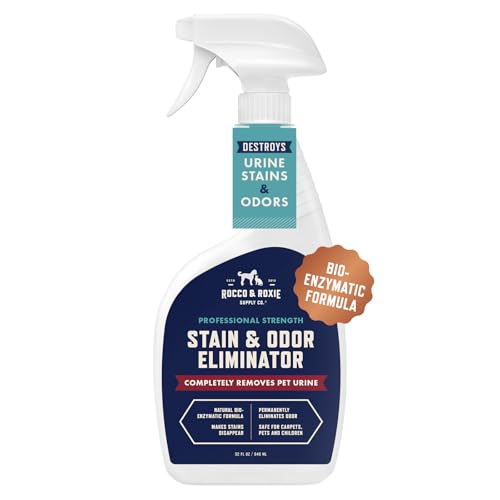
When to Choose an Enzyme Cleaner:
* If the smell is older than 24 hours.
* If there are visible stains from the spill.
* For severe, ingrained fish odors.
* If other methods have failed.
How Do You Remove Fish Smell from Different Car Interior Surfaces?
To remove fish smell from different car interior surfaces effectively and safely, you must adapt your cleaning method to the specific material. Car interiors are made of various materials, including carpets, fabric upholstery, leather seats, and plastic/vinyl, each requiring a tailored approach to prevent damage while eliminating the fish odor. Understanding these material-specific safety warnings is crucial for a successful and damage-free cleaning process.
This section provides specific, actionable, and safe instructions for different materials, offering crucial details often overlooked by generic guides. It’s an essential part of a comprehensive guide, addressing critical user concerns about preserving their vehicle’s interior. The baking soda method is perfect for carpets, while enzyme cleaners are ideal for upholstery.
How to Remove Fish Smell from Car Carpets and Fabric Upholstery
Car carpets and fabric upholstery are often the most affected areas and respond well to absorbent and neutralizing methods. For fresh spills on these porous materials, start with immediate blotting. Follow this with a generous application of baking soda, leaving it for 8-24 hours before vacuuming. For tougher or set-in odors, a diluted 50/50 white vinegar and water solution sprayed lightly can neutralize the alkaline fish compounds. For organic stains and smells, an enzyme cleaner is the most effective.
Ensure the area dries completely after any wet treatment to prevent mildew.
Removing Fish Smell from Leather Car Seats
Never use vinegar, baking soda paste, or harsh chemical cleaners on leather car seats, as they can strip natural oils and cause permanent damage like cracking. The safest and most effective method for leather is to use a pH-neutral cleaner specifically designed for automotive leather. Apply the cleaner to a microfiber cloth, gently wipe the affected area, and then wipe dry with a separate clean cloth. Follow up with a quality leather conditioner to restore moisture and protect the surface.
CAUTION: Always test leather cleaners on an inconspicuous area first. Regular conditioning helps maintain leather’s integrity and resistance to odors.
Cleaning Fish Smell from Plastic and Vinyl Surfaces
Plastic and vinyl surfaces are less porous than fabric and generally easier to clean, requiring less aggressive treatments. Wipe down these surfaces with a mild solution of car-specific interior cleaner or gentle dish soap and water. Use a microfiber cloth to clean thoroughly, then wipe dry with a clean cloth to prevent streaks. For any lingering odor, a diluted white vinegar solution can be used to wipe down these surfaces, followed by a clean water wipe.
These surfaces do not typically absorb odors as deeply, so surface cleaning is usually sufficient.
How Can You Prevent Seafood Smells in Your Car in the Future?
To prevent seafood smells in your car in the future, always transport fish and seafood in a high-quality, airtight cooler and double-bag any items that could leak. Proactive measures are the best defense against persistent odors. For anglers, designate a specific, easy-to-clean plastic bin for all fishing gear, including tackle boxes and waders. This contains any residual odors to one spot, preventing them from contaminating your entire vehicle.
This section provides actionable prevention tips, offering long-term value and establishing topical authority beyond mere removal techniques. Following these steps can help you avoid having to use the emergency cleanup methods we discussed earlier.
- Use an Airtight Cooler: Always use a cooler with a tight-sealing lid for any seafood, especially fresh fish or a seafood boil. This prevents leaks and traps odors.
- Double-Bag Everything: Place seafood in multiple layers of heavy-duty plastic bags inside the cooler for an extra layer of protection against leaks.
- Utilize a Trunk Liner: Invest in a rubber or plastic trunk liner. These are easy to clean and provide a barrier against spills soaking into your car’s carpet.
- Dedicated Storage: For fishing enthusiasts, use sealable plastic bins for all gear, including nets and bait, ensuring no lingering fish bait odor escapes.
- Immediate Removal: Never leave seafood, fish, or fishing equipment in your car longer than necessary. Unload everything as soon as you arrive home.
- Air Out After Transport: Even without spills, open your car windows for a short drive after transporting seafood to air out any faint residual smells.
- Keep Cleaning Supplies Handy: A small emergency kit with paper towels, a spray bottle of diluted vinegar, and a small container of baking soda can be a lifesaver for immediate spill cleanup.
FAQs About how to get seafood smell out of car
How long does it take for a fish smell to go away?
The time it takes for a fish smell to go away depends on the severity of the spill and the cleaning method used. A minor odor might be gone in a few hours after airing out, but a significant spill that has soaked into carpets could linger for weeks if not treated properly. Using an enzyme cleaner and ensuring the area is completely dry is the fastest way to permanently eliminate the odor.
Can I use an ozone generator to remove a fish smell?
Yes, an ozone generator is a professional-grade tool that is highly effective at destroying stubborn odors, including fish. It works by releasing O3 gas, which oxidizes the organic molecules causing the smell. However, ozone is harmful to breathe, so the car must be completely sealed during treatment and thoroughly ventilated afterward before anyone can enter. It’s often used as a last resort for severe odors.
What if the fish smell is coming from my car’s AC vents?
If the smell comes from the vents, the odor source may have been drawn into your car’s HVAC system. Start by replacing your car’s cabin air filter. Then, with the engine off, spray a disinfectant or odor-eliminating spray (like a diluted vinegar solution or a specialized HVAC cleaner) into the exterior air intake vents, usually located at the base of the windshield. Finally, turn the fan on high (with windows open) to circulate the cleaner through the system.
Will coffee grounds or charcoal work to remove the smell?
Both coffee grounds and activated charcoal can help absorb lingering odors, but they are passive solutions. Activated charcoal is more effective as it’s more porous and specifically designed to trap odor molecules. Coffee grounds will absorb some smell but will also add a strong coffee scent. Place an open container of either in the car for several days after cleaning to absorb any remaining smell.
How do I get a rotten fish smell out of my car trunk?
A rotten fish smell requires a deep cleaning approach. First, remove and dispose of the source. Clean any affected surfaces with an enzyme cleaner, as this is the most effective way to break down decaying organic matter. Liberally sprinkle baking soda over the entire trunk carpet and leave it for at least 24 hours before vacuuming. If the smell persists, you may need to use an ozone generator or consult a professional.
Is it better to use a wet/dry vac or a steam cleaner?
Both are excellent tools. A steam cleaner is great for lifting stains and killing bacteria with high heat, which can be very effective for fish odors. A wet/dry vac (or carpet extractor) is crucial for pulling the cleaning solution (like an enzyme cleaner) and the dissolved organic matter completely out of the carpet padding, which is key to preventing mildew and recurring smells. For best results, use a steam cleaner first, followed by an extractor.
Can I just use Febreze or an air freshener?
No, air fresheners and products like Febreze will only mask the odor temporarily. The underlying organic compounds from the fish will continue to decay and produce a smell. To permanently solve the problem, you must clean the source and neutralize or remove the odor-causing molecules using methods like baking soda, vinegar, or an enzyme cleaner.
My car has leather seats. What’s the safest way to clean them?
Never use vinegar, baking soda paste, or harsh chemicals on leather. The safest and most effective method is to use a pH-neutral cleaner specifically designed for automotive leather. Apply the cleaner to a microfiber cloth, gently wipe the affected area, and then wipe dry with a separate clean cloth. Follow up with a quality leather conditioner to restore moisture and protect the surface.
I went fishing and now my whole car stinks. What should I do?
This is likely due to lingering moisture and residue on your gear and surfaces. First, remove all fishing gear and clean it outside the car. Deep clean your car’s interior by vacuuming thoroughly and then using an enzyme cleaner on carpets and fabric seats. Finally, leave open containers of activated charcoal or baking soda in the car for a few days to absorb any remaining airborne odors.
How much does professional odor removal cost?
The cost for professional car odor removal can vary widely, typically ranging from $100 to over $300. The price depends on the severity of the odor, the size of the vehicle, and the methods required. A basic interior detail with odor treatment is at the lower end, while a service requiring an ozone generator and extensive deep cleaning for a severe rotten fish smell will be at the higher end.
Key Takeaways: How to Get Seafood Smell Out of Car Summary
- Act Immediately on Spills: The most critical step is to blot—don’t rub—fresh spills immediately to absorb as much liquid as possible before it soaks into padding.
- Enzyme Cleaners Are Most Effective: For organic odors like fish, enzyme cleaners are superior because they use proteins to actively digest and eliminate the odor source, not just mask it.
- Use the Right Method for the Material: Always use gentle, pH-neutral leather cleaners on leather seats, while carpets and fabric can be treated with baking soda, vinegar solutions, or enzyme cleaners to prevent damage.
- Baking Soda and Vinegar Serve Different Roles: Baking soda is excellent for absorbing odors from dry surfaces over several hours, while a diluted vinegar spray actively neutralizes the alkaline compounds in fish smells.
- Address the Entire System: Odors can hide in carpets, seats, the trunk, and the HVAC system. Remember to check and clean all areas, including replacing the cabin air filter, for complete removal.
- Prevention is the Best Cure: Use high-quality, leak-proof coolers and trunk liners when transporting seafood to prevent spills from happening in the first place.
- Patience and Ventilation Are Key: After any cleaning treatment, allow the area to dry completely and ventilate the car thoroughly by opening windows to ensure all moisture and lingering smells dissipate.
Final Thoughts on Eradicating Fish Odors for Good
Successfully removing a seafood smell from your car requires a strategic, multi-faceted approach, moving beyond simple air fresheners to address the core problem. By acting quickly on fresh spills, utilizing the scientifically-backed power of enzyme cleaners, and understanding the best methods for each interior material, you can achieve permanent odor elimination. Remember that prevention is your strongest tool, but when accidents happen, a combination of absorption, neutralization, and enzymatic digestion will restore your car’s fresh scent. With the right techniques and a little patience, you can confidently transform your vehicle from a fishy nightmare back into a pleasant, clean-smelling space.
Last update on 2026-02-26 / Affiliate links / Images from Amazon Product Advertising API


