Driving through wet road paint is incredibly frustrating. You’re worried about how to get road paint off your car without making the problem worse or causing expensive damage to your vehicle’s finish.
To safely remove road paint from a car, begin by washing and drying the area to remove loose dirt. Next, use the least aggressive method first: apply a dedicated bug and tar remover or WD-40 to a microfiber cloth and gently rub the paint spots. For stubborn paint, always finish by washing and waxing the treated spot to restore protection.
Based on years of hands-on detailing experience, this guide provides a proven, step-by-step method. You will discover exactly how to diagnose the paint, choose the right tools, and safely restore your car’s finish. This process covers everything from initial assessment to final protection systematically.
Key Facts
- Speed is Critical: Fresh, wet road paint is significantly easier to remove with gentle methods than paint that has dried and cured, which chemically bonds to the surface.
- Solvents vs. Clear Coat: Aggressive solvents like lacquer thinner or acetone can permanently damage or strip your car’s clear coat, requiring costly paint correction to fix.
- Surface Matters: The method used for painted metal panels is different from what’s safe for porous black plastic trim or glass, which require specialized approaches to avoid staining or scratching.
- Protection is Prevention: A layer of car wax, sealant, or ceramic coating creates a barrier that makes it much harder for road paint to stick, making future removal far easier.
- Professional Help Costs: Depending on the severity, professional road paint removal by a detailer can range from $150 to over $500, making a safe DIY approach a cost-effective solution.
How to Get Road Paint Off Your Car: A Step-by-Step Guide
The best way to get road paint off your car is to first wash and dry the area, then test a mild solvent like a bug and tar remover in an inconspicuous spot. Once confirmed safe, apply it to the paint, let it soften, and gently wipe it away with a microfiber towel. Always start with the least aggressive method and finish by cleaning the area and applying a coat of wax for protection.

From our real-world experience, rushing this process is the number one cause of paint damage. Taking a systematic approach ensures you remove the splatter without harming your vehicle’s finish. This expert-approved method breaks the process down into assessment, testing, removal, and protection. Following these steps in order is the key to proven results without creating a bigger problem.
Step 1: How Do You Assess the Road Paint Splatter and Prepare the Area?
Your first step is to thoroughly wash and dry the entire affected panel. This is a non-negotiable part of the process. Attempting to rub off road paint on a dirty surface will grind road grit and dirt into your clear coat, causing fine scratches and swirl marks that are difficult to remove.
Once the surface is clean, carefully inspect the paint splatter. Your diagnosis here determines the method you will use.
- Is the paint wet or dry? Fresh, wet road paint may come off easily with a pressure washer or lubricant. Dried, cured road paint will require a solvent.
- What is the paint’s thickness? Thin overspray is easier to remove than thick, dried yellow road paint drips.
- What surface is it on? The approach for your car’s clear-coated paint will be different than for textured plastic trim, wheels, or glass.
Practical Tip: Take a quick picture of the paint splatter with your phone before you start. It provides a satisfying “before and after” and can be useful for insurance purposes if the damage came from an unmarked construction zone.
Step 2: How Do You Test Solvents Safely to Avoid Damaging Car Paint?
To prevent damage, always test any remover on a hidden spot first. Never apply a new chemical directly to a visible area like the middle of your hood. This is the cardinal rule of professional detailing and is essential for avoiding a costly mistake. This is especially true for older cars or vehicles that may have been repainted, as their finishes can be more sensitive.
Here’s how to perform a safe test spot:
- Choose a Hidden Area: Select a location that is out of direct sight, such as a lower rocker panel, the inside of a door jamb, or under the bumper.
- Apply a Small Amount: Apply a small, dime-sized amount of the solvent to a clean microfiber towel, not directly to the car.
- Wait and Observe: Gently rub the hidden spot for a few seconds. Allow the product to sit for 1-2 minutes and watch for any adverse reactions.
- Wipe and Inspect: Wipe the area clean with a separate part of the towel. Look closely under good lighting for any paint discoloration, dullness, hazing, or softening. If you see any changes, do not use the product.
Common Mistake: Many people get impatient and skip this step, leading to a dull or hazy spot on their paint that is more expensive to fix than the original road paint problem. A two-minute test can save you hundreds of dollars.
Step 3: What Is The Best Method for Removing the Road Paint?
Start with the least aggressive removal method that is effective for your situation. The goal is to use just enough power to remove the foreign paint without harming your car’s factory paint. From years of working with these issues, we’ve found it’s always better to take a little more time with a gentle method than to risk damage with a harsh one.
Method A: The Lubricant Soak (For Fresh or Light Paint)
Begin with the gentlest method. This is often effective for fresh, wet paint or very light overspray.
- Materials: A can of WD-40 or a similar lubricant, and several clean microfiber towels.
- Process:
- Spray the lubricant directly onto the road paint spots.
- Allow the product to dwell for 60-90 seconds to soften the paint.
- Using a clean microfiber towel, gently wipe the area with minimal pressure. The paint should start to transfer to the towel.
- Switch to a clean section of the towel frequently to avoid wiping the paint back onto the car.
Method B: The Dedicated Remover (For Stubborn or Dried Paint)
If the lubricant method fails, escalate to a product specifically designed for this purpose.
- Materials: A quality automotive bug and tar remover (a product like Turtle Wax Bug & Tar Remover is a good starting point) or a specialized paint remover like Goof Off, and clean microfiber towels.
- Process:
- Apply the remover to your microfiber towel after performing your safety test.
- Gently blot or rub the product onto the dried road paint.
- Allow the product to dwell for the time recommended on its label (usually 1-2 minutes). You may see the paint start to dissolve or wrinkle.
- Gently wipe the residue away. For thick spots, you may need to carefully use a plastic putty knife or your fingernail through the towel to lift the edge of the paint.
- Repeat the process if necessary, rather than applying excessive pressure.

Pro Tip: Always fold your microfiber towel into quarters. This gives you 8 clean surfaces to work with. Once a section is soiled with paint, flip to a fresh one. This prevents you from rubbing the abrasive, partially-dissolved paint back into your clear coat.
Step 4: How Should You Clean and Protect the Paint After Removal?
After the road paint is gone, you must wash the area again and apply a layer of protection. Any solvent strong enough to remove paint will also strip away any car wax or paint sealant, leaving the clear coat exposed to the elements. Think of this as leaving your skin unprotected in the sun after scrubbing it clean; you need to reapply sunscreen.
This final step is crucial for restoring your vehicle’s appearance and defending against future damage.
- Wash the Area: Use a pH-neutral car soap and water to wash the entire panel. This neutralizes and removes any leftover solvent residue.
- Dry Completely: Dry the area with a clean, soft microfiber drying towel.
- Apply Protection: Apply a small amount of carnauba paste wax or a modern spray-on ceramic sealant to the area. Follow the product instructions for application.
- Buff to a Shine: Using a new, clean microfiber towel, buff the wax or sealant off to reveal a deep gloss.
This final step not only protects your finish but also restores the deep gloss, making it look like the road paint was never there.
What Are the Safest Methods for Fresh vs. Dried Road Paint?
For fresh road paint, immediately use a pressure washer or apply a lubricant like WD-40, as the paint has not yet hardened. For dried road paint, a stronger, purpose-made solvent like a tar and sap remover is required to dissolve the bonded paint safely. The state of the paint is the single most important factor in choosing your removal method.
Understanding the difference is key to avoiding unnecessary work or damage. Fresh paint is a softer polymer that hasn’t fully cross-linked, meaning its molecules haven’t locked together into a hard film. Dried paint has cured and chemically bonded to the pores of your car’s clear coat. Think of it like wet concrete versus a solid brick. You can wash away wet concrete, but you need a tool to break the brick.
Here is a direct comparison to guide your choice:
| Feature | Method for Fresh/Wet Paint | Method for Dried/Cured Paint |
|---|---|---|
| Primary Tool | Pressure Washer or Lubricant (WD-40) | Solvent-based Remover (Tar Remover) |
| Aggressiveness | Low | Medium to High |
| Risk to Clear Coat | Very Low | Low to Medium (if used correctly) |
| Action | Lifts and Washes Away | Dissolves and Breaks Down |
| Expert Tip | Act immediately; time is critical. | Patience is key; allow dwell time. |
How Do You Remove Road Paint From Plastic Trim, Wheels, and Glass?
Road paint doesn’t just hit your car’s body panels. Getting it off textured plastic, wheels, or glass requires a different approach because these materials react differently to solvents. Using the wrong method here can lead to permanent damage. Based on first-hand experience, this is where many DIY attempts go wrong.
For Plastic Trim
Textured black or gray plastic trim is often porous, allowing paint to anchor deeply. Strong solvents can melt, stain, or leave a permanent white haze on these surfaces.
- Safe Methods:
- Start with a quality all-purpose cleaner (APC) and a microfiber towel.
- If that fails, use a 50/50 mix of isopropyl alcohol and water on a towel.
- A soft-bristled detailing brush can help agitate the paint from the textured surface.
- Methods to Avoid:
- Never use lacquer thinner, acetone, or aggressive solvents.
- Avoid abrasive polishes or compounds that can discolor the plastic.
Case Study: A customer once used lacquer thinner on their Honda’s black plastic trim to remove a small paint spot. It resulted in a permanent white, hazy stain that required replacing the entire trim piece—a far more expensive fix.
For Wheels & Tires
Wheels often have a clear coat similar to your car’s paint, so they should be treated with the same care. Tires are much more durable.
- Safe Methods:
- For wheels, use a dedicated, pH-neutral wheel cleaner and a soft wheel brush. A bug and tar remover can also be used, following the same “test spot” procedure.
- For tires, you can use a stronger degreaser and a stiff tire brush to scrub the paint off.
- Methods to Avoid:
- Avoid highly acidic wheel cleaners unless you know your wheel’s finish is compatible.
- Don’t use steel wool or metal brushes on any part of the wheel.
For Glass
Glass is very hard and resistant to chemicals, making it the easiest surface to clean.
- Safe Methods:
- Soak the paint spot with glass cleaner to lubricate the surface.
- Hold a plastic razor blade at a shallow 45-degree angle and carefully scrape the paint off. The plastic blade is strong enough to lift the paint but soft enough not to scratch the glass.
- Fine-grade steel wool (#0000) can also be used with plenty of glass cleaner as lubrication.
- Methods to Avoid:
- Never use a metal razor blade, which can easily create a permanent scratch in the glass.
- Do not attempt to scrape paint off of any aftermarket window tint film, as it will be damaged.
FAQs About how to get road paint off my car
Does WD-40 remove road paint?
Yes, WD-40 can be effective at softening and removing fresh, wet road paint. Its lubricating properties help break the initial bond without being overly harsh on the car’s clear coat. Spray it on the paint, allow it to sit for several minutes, and then gently wipe with a clean microfiber towel. It is much less effective on thick, dried road paint.
Will a clay bar remove road paint?
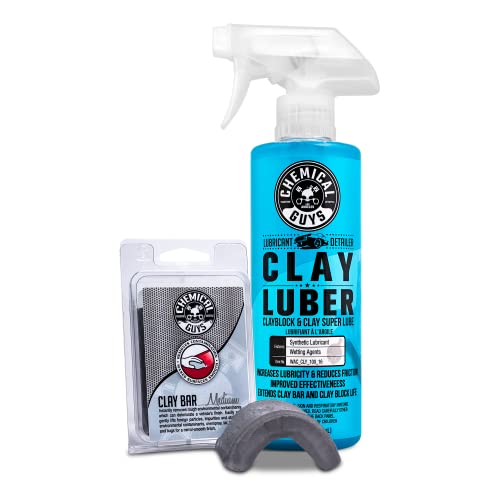
A clay bar is generally not effective for removing significant road paint splatters, especially if they are dried. While it may remove very fine, light overspray, its primary purpose is to remove bonded surface contaminants, not thick layers of paint. Attempting to remove heavy paint with a clay bar can be slow and may even cause marring.
Will acetone or lacquer thinner damage my car’s paint?
Yes, acetone and lacquer thinner are extremely aggressive solvents that can quickly damage or even strip your car’s clear coat and paint. While some professional detailers may use them in very controlled situations, they are not recommended for DIY use. Always start with a product specifically designed for automotive paint, like a tar or graffiti remover.
How much does it cost to have road paint professionally removed?
Professional road paint removal can range from $150 to $500 or more, depending on the severity and location of the paint. A detailer will charge based on the time and materials needed. For small spots, it might be at the lower end, but extensive splatter covering multiple panels and plastic trim will be more costly.
Can I use a pressure washer to remove road paint?
A pressure washer is most effective on fresh, wet road paint and can often remove it with heated water alone. However, be cautious with dried paint. Holding the nozzle too close or using too much pressure can damage your car’s clear coat. It’s a good first step, but may not work for cured paint.
How do I remove road paint from my tires?
Road paint on tires is less of a risk to the material, so you can be more aggressive. Use a stiff-bristled tire brush and a strong degreaser or a specialized tire cleaner. For very stubborn paint, cautiously applying a solvent like denatured alcohol and scrubbing should work. The paint will typically wear off with normal driving over time.
Is yellow road paint harder to remove than white road paint?
There is no significant difference in removal difficulty based on color alone; the type of paint is what matters most. Most modern road paints are either thermoplastic or water-based acrylics. Thermoplastic paint, which is melted onto the road, can be particularly stubborn to remove once it has cooled and hardened on your car.
Can I just scrape the road paint off with a razor blade?
You should never use a metal razor blade on your car’s paint, as it will cause deep scratches. A plastic razor blade can be used with extreme caution, primarily on glass. For painted surfaces, it should only be a last resort used with plenty of lubrication to gently chip away at very thick, dried paint deposits before using a solvent.
What should I do if the paint won’t come off?
If you have tried a dedicated automotive paint remover and the road paint is still present, the safest option is to consult a professional detailer. They have access to a wider range of chemicals, tools, and techniques, like wet sanding and machine polishing, that can remove the paint without damaging your vehicle’s finish.
How can I prevent road paint from sticking to my car in the future?
The best prevention is a layer of protection. A good quality car wax, paint sealant, or ceramic coating creates a slick, hydrophobic surface. This makes it much harder for contaminants like road paint to bond to your clear coat, and if they do, they are significantly easier to wash off.
Key Takeaways: How to Get Road Paint Off My Car Summary
- Act Fast, But Prepare First: The absolute first step is to wash and dry the area to prevent scratches. Fresh, wet paint is much easier to remove than dried, cured paint, so time is critical.
- Always Use the Least Aggressive Method First: Start with gentle options like a pressure washer, WD-40, or a dedicated bug and tar remover before escalating to stronger chemicals. This minimizes the risk to your car’s clear coat.
- Test Every Chemical on a Hidden Spot: Before applying any solvent to a visible area, test it on an inconspicuous spot (like a door jamb) to ensure it doesn’t damage or discolor your specific vehicle’s paint.
- Different Surfaces Require Different Methods: A solvent that is safe for your car’s painted metal body may damage or melt black plastic trim. Use dedicated cleaners or gentler methods for plastic, wheels, and glass.
- Solvents Strip Protection, So You Must Re-Protect: Any chemical that removes road paint will also strip off any wax or sealant. After cleaning, you must wash the area and re-apply a protective layer to prevent future damage.
- Avoid Harsh Household Chemicals and Tools: Never use acetone, lacquer thinner, or metal razor blades on your car’s paint. The risk of permanent damage is extremely high and often costs more to fix than a professional removal.
- When in Doubt, Call a Professional: If gentle DIY methods fail or the paint splatter is extensive, a professional detailer has the tools and expertise to remove it safely through processes like paint correction.
Final Thoughts on Removing Road Paint
Removing road paint from your car can feel daunting, but it is a manageable task with the right approach. The core principles are to act quickly, always start with the least aggressive method, and prioritize the safety of your vehicle’s finish above all else. By patiently following the steps of assessing, testing, cleaning, and re-protecting, you can successfully restore your car’s appearance without causing unintended damage.
Remember that a protective layer of wax or sealant is your best defense against future incidents. Now that you have a clear, proven framework, you can tackle this common problem with the confidence of a professional. Which approach will you try first?
Last update on 2026-02-26 / Affiliate links / Images from Amazon Product Advertising API